

 미리보기
미리보기
 공유하기
공유하기 공유하기
공유하기
 상세 정보
상세 정보 가이드 보기

 다운로드
다운로드
 유사 작품 더 보기
 X-레이
X-레이 슬라이드 쇼 보기
 질의응답
질의응답 통계 정보
통계 정보Three Monkeys Stealing Fruit

- 98.0 x 147.0 cm


 더 보기
더 보기
지클레 / 아트 프린트
빠른 제작과 다양한 마감 옵션을 제공하는 박물관 수준의 지클레이 및 캔버스 프린트. ( 수작업 채색 복제본 주문하기 디지털 이미지로 전환)




P118B ₩10

P118H ₩10

P118W ₩10

P438Z ₩10

P508JH ₩12

P508YH ₩12

P805H ₩10

P805Z ₩10

P919BZ ₩10

P919G ₩10

P919XJ ₩10

P959ZH ₩10

P968JZ ₩12

W106C ₩8

W218G ₩10

W218JH ₩8

W218Y ₩10

W307PJ ₩10

W316G ₩10

W316PJ ₩8

W316Y ₩10

W398PJ ₩8

W4111J ₩10

W500HY ₩15

W500JH ₩15

W692G ₩12

W849H ₩8

W940BG ₩15

W953PJ ₩8




작품의 원본 비율을 그대로 유지하는 프리셋 사이즈 중에서 선택해 보세요.

액자나 벽면 크기에 맞춰 필요한 가로와 세로 길이를 입력해 주세요. 프린트는 원본 이미지보다 크게 제작할 수 없으며 오직 자르는 것만 가능하므로, 비율이 다른 사이즈를 선택할 경우 이미지의 일부가 잘려 나갈 수 있습니다. 인쇄 작업에 들어가기 전, 최종 확인을 위해 디지털 목업을 보내드립니다. 이 페이지에 표시된 이미지는 실제 잘리는 영역을 나타내지 않으며, 오직 목업을 통해서만 정확한 확인이 가능합니다.


 유리 옵션은 110cm 미만 크기에서만 선택 가능합니다.

Three Monkeys Stealing Fruit
지클레 / 아트 프린트
복제본 크기
-


최종 결제 금액
₩ 84481
A Symphony of Abundance: Frans Snyders’ “Three Monkeys Stealing Fruit”
Frans Snyders' "Three Monkeys Stealing Fruit," painted around 1640-1649, isn’t merely a depiction of mischievous primates; it’s a vibrant microcosm of Renaissance abundance and the intoxicating allure of earthly delights. Born in Antwerp during a period of artistic ferment, Snyders emerged as a master of still life, animal painting, and dynamic market scenes – genres he elevated with an unparalleled sense of theatricality and sensory detail. This particular work, housed within the Louvre’s collection, exemplifies his signature style: a riotous celebration of textures, colors, and movement that draws the viewer into a world brimming with sensual pleasure.
The painting immediately assaults the senses. A table laden with an astonishing array of fruit – plump apples, glistening grapes, and vibrant pears – dominates the composition. These aren’t simply objects; they are symbols of prosperity, fertility, and the fleeting nature of earthly pleasures. Snyders meticulously renders each piece, capturing the subtle variations in color, texture, and sheen with a remarkable level of realism. The artist's masterful use of chiaroscuro – the dramatic interplay of light and shadow – further enhances the sense of depth and volume, making the fruit appear almost tangible to the viewer.
The Theater of Animal Life
At the heart of this opulent tableau stand three monkeys, engaged in a brazen act of theft. These aren’t caricatures; they are portrayed with an intelligence that hints at cunning and mischief. Their postures are dynamic, their eyes gleaming with anticipation, and their movements suggest a carefully orchestrated plan. Snyders wasn't simply depicting animals; he was exploring the primal instincts – greed, curiosity, and playful rebellion – that reside within them. The monkeys’ actions serve as a subtle commentary on human desires and the temptation to indulge in worldly pleasures.
Snyders’ skill extends beyond mere representation. He imbues the scene with a palpable sense of drama and movement. The composition is carefully balanced, drawing the eye from one element to another. The monkeys' gestures, the scattering of fruit, and even the subtle shadows create an illusion of continuous action – as if the viewer has stumbled upon a secret moment in a bustling marketplace.
A Master of His Time
Snyders’ work is deeply rooted in the artistic traditions of Antwerp during the 17th century. He was influenced by artists like Pieter Brueghel the Younger, whose depictions of peasant life and market scenes provided a foundation for Snyders' own explorations of everyday subjects. However, Snyders pushed beyond mere imitation, developing his own distinctive style characterized by an exuberant energy and a profound appreciation for the beauty of the natural world. His collaboration with Peter Paul Rubens, particularly during the lavish decorations for the Spanish court, further cemented his reputation as one of the most important artists of his generation.
Symbolism and Emotional Resonance
Beyond its visual appeal, “Three Monkeys Stealing Fruit” is rich in symbolic meaning. The act of theft represents a challenge to established order – a reminder that even in the midst of abundance, there will always be those who seek to acquire more. The monkeys themselves can be interpreted as symbols of temptation and folly, urging viewers to consider the consequences of their desires. Yet, despite its cautionary message, the painting ultimately evokes a sense of joy and delight. The sheer profusion of fruit, combined with the monkeys’ playful antics, creates an atmosphere of lightheartedness and exuberance – a celebration of life's simple pleasures.
Reproductions of this captivating artwork offer a remarkable opportunity to bring Snyders’ vibrant vision into your home or office. A hand-painted reproduction captures not only the visual details but also the artist’s masterful use of light, shadow, and color, creating an immersive experience that transports you back to 17th-century Antwerp.
질의응답
프란스 스니더스의 "Three Monkeys Stealing Fruit"에서 예술 사조와 시대상은 어떻게 맞닿아 있나요?
프란스 스니더스의 "Three Monkeys Stealing Fruit"은(는) 작가의 근세 초기 시대 중 Baroque 사조에 속합니다.
원작 프란스 스니더스의 "Three Monkeys Stealing Fruit"의 크기는 어떻게 되나요?
원작 프란스 스니더스의 "Three Monkeys Stealing Fruit"의 크기는 98 x 147 cm입니다.
"Three Monkeys Stealing Fruit" 작품을 파인 아트 프린트로 구매할 수 있나요?
프란스 스니더스의 "Three Monkeys Stealing Fruit"의 프린트는 해당 파인 아트 프린트 페이지에서 바로 주문하실 수 있습니다: 코튼 캔버스 또는 아카이브용 캔버스지에 인쇄된 파인 아트 프린트


작가 정보
풍요로운 삶과 예술: 프란스 스니더의 세계
1579년 안트베르펜에서 태어난 프란스 스니더는 플랑드르 바로크 회화계에 독특하고 생동감 넘치는 자취를 남긴 화가입니다. 루벤스와 반 다이크와 같은 거장들이 주로 논의되는 시대였지만, 정물화, 동물 그림, 그리고 활기찬 시장 풍경을 전문적으로 그린 스니더의 공헌은 결코 간과할 수 없습니다. 그는 단순한 사물을 묘사하는 데 그치지 않고, 풍요로움을 찬양하고 질감을 즐기며, 찰나의 현세적 기쁨을 포착했습니다. 그의 아버지 얀 스니더는 예술가들이 자주 찾는 유명한 와인 여관을 운영했는데, 어린 프란스는 어릴 때부터 창의적인 에너지에 둘러싸여 자랐습니다. 이 환경은 의심할 여지 없이 그의 예술적 성향을 키웠고, 심지어 유명 화가 프랑스 플로리스가 그곳에서 재산을 탕진했다는 이야기가 전해집니다. 이는 스니더의 어린 시절 주변 분위기가 얼마나 활기찼는지 보여주는 흥미로운 일화입니다. 그는 처음 피터 브뤼헬 2세에게 그림을 배우며 구도와 세부 묘사에 대한 교훈을 얻었고, 이후 안토니 반 다이크 또한 지도했던 헨드릭 반 발렌 아래에서 기량을 연마했습니다. 이러한 탄탄한 기초를 바탕으로 1602년 안트베르펜 성 루카 길드에 정식으로 가입하여 그의 다작 활동이 시작되었습니다.협업과 혁신: 스니더의 예술적 발전
스니더의 예술 여정은 고독한 추구가 아니었습니다. 협업은 그의 작품 활동에서 중요한 부분을 차지했습니다. 그는 곧 동시대 최고의 화가들의 선호하는 파트너로 자리매김했고, 특히 피터 폴 루벤스와의 관계는 매우 성공적이었습니다. 스니더는 루벤스의 웅장한 구도 안에서 동물과 정물 요소를 그리는 임무를 자주 맡았습니다. 스페인의 토레 데 라 파라다 사냥용 별관은 두 사람의 천재성이 결합된 증거입니다. 스니더는 루벤스의 디자인을 바탕으로 60개가 넘는 동물 그림을 제작했습니다. 이 협업은 단순한 의뢰를 넘어 아이디어 교환의 역동적인 과정이었으며, 두 예술가를 새로운 기술적, 표현적 수준으로 끌어올렸습니다. 루벤스 외에도 안토니 반 다이크, 야콥 요르당스, 아브라함 얀센스와도 협력하며 그의 다양성과 적응력을 보여주었습니다. 그러나 그는 단순히 거장들의 조수 역할을 하는 데 그치지 않았습니다. 그는 역동적인 구도, 과일의 광택부터 사냥감의 거친 가죽까지 질감을 완벽하게 표현하는 능력, 그리고 주제에 생명력을 불어넣는 생생한 사실주의를 특징으로 하는 독특한 스타일을 개척했습니다. 스니더는 본질적으로 독립적인 동물 정물화 장르를 발명했으며, 전통적인 사냥 트로피 묘사를 넘어 자연 세계의 내재된 아름다움과 활력을 탐구했습니다.눈을 위한 향연: 주제와 기법
스니더 작품의 핵심 주제는 현세적 즐거움을 중심으로 전개됩니다. 시장의 풍요로움, 사냥의 스릴, 그리고 잘 갖춰진 식료품 창고의 단순한 우아함이 그것입니다. 그의 시장 장면은 특히 매혹적이며, 인물들로 가득 차 있고 넘쳐나는 바구니와 거의 느껴질 듯한 에너지감이 특징입니다. 그는 음식 생산의 현실을 숨기지 않습니다. 완벽한 과일과 채소 옆에는 털갈이를 한 가금류나 막 잡힌 생선이 놓여 있어 삶의 순환과 생계를 상기시켜줍니다. 그의 정물화는 정적인 배열이 아니라 상호 작용을 유도하는 듯한 역동적인 전시입니다. 스니더는 빛과 그림자를 포착하는 뛰어난 능력을 가지고 있었고, 이는 주제에 거의 만져질 수 있는 깊이와 볼륨감을 부여했습니다. 그는 특히 털과 깃털을 묘사할 때 자유롭고 화려한 붓놀림을 사용했으며, 예술적 표현을 희생하지 않고 놀라운 수준의 사실주의를 달성했습니다. 예를 들어, 식료품 창고는 이러한 기법을 보여주는 뛰어난 작품입니다. 혼란스러우면서도 조화로운 식품과 주방 용품의 배열이 극적인 빛에 잠겨 있습니다. 예술가의 세부 묘사에 대한 관심은 꼼꼼하지만 과도하게 까다롭지 않습니다. 오히려 전체적인 풍요로움과 활력감에 기여합니다.유산과 지속적인 영향
프란스 스니더의 영향력은 그의 생존 기간을 훨씬 넘어 정물화와 동물 그림 발전에 영향을 미쳤습니다. 그는 이러한 장르에서 사실주의와 역동성에 대한 새로운 기준을 확립했으며, 이후 세대의 예술가들에게 영감을 주었습니다. 그의 작품은 후대 거장인 장바티스트 우드리와 프랑수아 데스포르트의 길을 열었으며, 이들은 동물 초상화 기술을 더욱 발전시켰습니다. 스니더의 영향력은 또한 17세기 네덜란드 황금 시대 정물화 전통에서 찾아볼 수 있습니다. 빌렘 클라스조온 헤다와 피터 클라에스와 같은 예술가들은 질감, 빛, 구도에 대한 유사한 초점을 포용했습니다. 그는 숙련된 기술자일 뿐만 아니라 자연 세계를 날카롭게 관찰하는 사람이었으며, 놀라운 감도로 그 아름다움과 복잡성을 포착했습니다. 그의 그림은 오늘날에도 여전히 관객을 사로잡고 있으며, 17세기 안트베르펜의 활기찬 예술적 풍경을 엿볼 수 있게 해줍니다. 또한 삶의 단순한 즐거움을 축하하는 예술의 지속적인 힘을 상기시켜줍니다. 그의 광범위한 컬렉션은 1657년 매티스 무손이 사망 후 인수하면서 그의 유산이 수세기 동안 예술가들에게 영감을 계속 제공할 수 있었습니다.
프란스 스니더스
1579 - 1657 , 벨기에
작가 정보 요약
- Artistic Movement Or Style: 바로크
- Artists Or Movements Influenced By This Artist:
- 장-바티스트 우드리
- 프랑수아 데스포르트
- Artists Who Influenced This Artist:
- 피터 브뤼헐 2세
- 헨드릭 반 발렌
- Date Of Birth: 1579년
- Date Of Death: 1657년
- Full Name: 프란스 스니더스
- Nationality: 플랑드르
- Notable Artworks:
- 식료품 저장실
- 시장 풍경
- 사냥 장면
- Place Of Birth (City And Country): 안트베르펜, 벨기에
관련 콘텐츠

생명의 공간으로: 예술 속 동물 형상의 지속적인 존재와 인테리어 디자인 탐구
예술 속 동물 형상의 깊은 의미와 인테리어 디자인 활용법을 탐구합니다. 기독교 미술의 상징주의부터 현대적인 공간 연출까지, ArtsDot에서 전문가의 통찰력을 만나보세요.

The Bountiful Still Life: Symbolism & Artistic Representation of Fruit Across Art History
Explore the rich history of still life painting & the symbolism of fruit across art movements. Discover masterpieces from Caravaggio to Cézanne with ArtsDot – expert guidance & museum-quality reproductions.

Silent Narratives: Exploring the Enduring Appeal of Still Life Painting Across Centuries
Explore the rich history of still life painting with ArtsDot. Discover Dutch Masters, decode vanitas symbolism & learn about collecting timeless art. Expert insights and museum-quality reproductions.
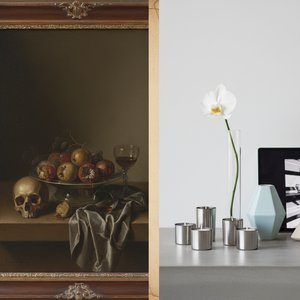
The Enduring Appeal of Still Life: A Historical & Contemporary Exploration
Explore the rich history & symbolism of still life painting with ArtsDot. Discover masterpieces from the Dutch Golden Age, learn about vanitas art, and find expert guidance for collecting timeless artworks.

Beastly Brushstrokes: A Historical Journey Through Animal Painting & Aesthetic Movements
Explore the rich history of animal painting across cultures & movements. Discover iconic artists, symbolism, collecting trends & expert art consultation at ArtsDot.com.