


 실제 크기로 보기
 보내기
보내기 공유하기
공유하기
 상세 보기
상세 보기 가이드 보기

 이미지 다운로드
 유사 작품 더 보기
 X-레이
X-레이 슬라이드 쇼 보기
 통계 정보
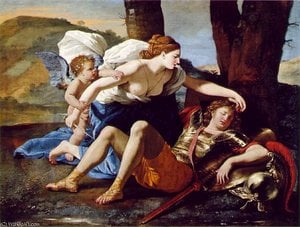
통계 정보Rinaldo and Armida
 Oil On Canvas
- WallArt
- Rococo
 1734
1734- Early Modern
 135.0 x 170.0 cm
 루브르 박물관
 상세 보기
상세 보기
핸드메이드 유화 복제화
작가가 직접 캔버스에 손으로 그린 유화 작품으로, 원하는 크기와 액자로 맞춤 제작해 드립니다. ( 프린트 판매로 전환 디지털 이미지 판매 채널로 전환)




P118B ₩10

P118H ₩10

P118W ₩10

P438Z ₩10

P508JH ₩12

P508YH ₩12

P805H ₩10

P805Z ₩10

P919BZ ₩10

P919G ₩10

P919XJ ₩10

P959ZH ₩10

P968JZ ₩12

W106C ₩8

W218G ₩10

W218JH ₩8

W218Y ₩10

W307PJ ₩10

W316G ₩10

W316PJ ₩8

W316Y ₩10

W398PJ ₩8

W4111J ₩10

W500HY ₩15

W500JH ₩15

W692G ₩12

W849H ₩8

W940BG ₩15

W953PJ ₩8




작품의 원본 비율을 그대로 유지하는 프리셋 사이즈 중에서 선택해 보세요.

액자나 벽면 크기에 맞춰 필요한 가로와 세로 길이를 입력해 주세요. 본 작품은 수작업으로 제작되므로, 요청하신 비율에 따라 작가가 그림의 가장자리를 조금 더 넓게 그리거나 일부를 조정하여 작업할 수 있습니다. 작업 시작 전, 최종 확인을 위해 디지털 목업 이미지를 보내드립니다. 이 페이지에 표시된 이미지는 실제 결과물과 다를 수 있으며, 오직 목업 이미지만이 정확한 결과물을 보여줍니다.
주문 완료 후 ArtsDot.com 팀에서 상세 안내를 위해 고객님께 이메일을 보내드리며, 미리보기 시안을 함께 제공해 드립니다.


 유리 옵션은 110cm 미만 크기에서만 선택 가능합니다.

Rinaldo and Armida
재현 매체
복제본 규격
-


총 결제 금액
₩ 357021
A Symphony of Sensuality: The Enchantment of Rinaldo and Armida
In the grand tapestry of the Rococo era, few works capture the delicate tension between passion and duty as exquisitely as François Boucher’s 1734 masterpiece, Rinaldo and Armida. This monumental canvas serves as a breathtaking window into the heart of 1-8th century French elegance, where the boundaries between myth and reality dissolve into a dreamscape of soft light and romantic longing. The painting draws its profound narrative power from Torquato Tasso’s epic poem, Jerusalem Delivered, presenting a moment of suspended animation where the chaos of crusade and conflict is momentarily silenced by the overwhelming force of desire.
At the center of this visual poem lies the intimate encounter between the valiant Christian knight, Rinaldo, and the enchanting sorceress, Armida. Boucher masterfully captures a scene of profound tenderness; as Rinaldo rests in a state of vulnerable repose, Armida leans over him, her fingers gently entwined in his hair. This simple, evocative gesture symbolizes more than mere affection—it represents the subtle triumph of enchantment over heroism, and the irresistible pull of the senses over the dictates of war. The surrounding landscape, an idealized pastoral Arcadia, reinforces this sense of escapism, offering a sanctuary of lush greenery and classical ruins that feels both timeless and otherworldly.
The Mastery of Rococo Technique and Light
To behold this work is to witness the pinnacle of Boucher’s technical virtuosity. The artist employs the hallmark characteristics of the Rococo style with unparalleled grace, utilizing a delicate layering of translucent glazes to achieve a luminous, pearlescent skin tone that seems to glow from within. His use of chiaroscuro—the sophisticated interplay between light and shadow—does not merely define form but imbues the entire composition with an atmospheric depth, as if a soft mist were clinging to the edges of the forest. The color palette is a triumph of pastel harmonies, where silken draperies in muted blues and rosy pinks dance against the verdant, sun-dappled backdrop.
Every brushstroke serves the larger purpose of decorative elegance. Notice the fluid movement of the fabrics and the meticulous attention to the textures of the surrounding elements—the weathered stone of an abandoned temple, the soft plumage of nearby figures, and the intricate strings of a harp held by playful putti. These details create a sensory experience that transcends the flat surface of the canvas, inviting the viewer to step into a world where beauty is the highest law. For the discerning collector or interior designer, such a piece offers more than mere decoration; it provides a focal point of profound sophistication, capable of anchoring a room with its historical weight and aesthetic splendor.
A Timeless Legacy for the Modern Collector
Beyond its technical brilliance, Rinaldo and Armida resonates emotionally through its exploration of universal themes: the vulnerability of the human heart and the transformative power of love. The presence of angelic messengers and pagan deities in the periphery serves as a poignant reminder of the era's intellectual fascination with the clash between divine piety and earthly temptation. It is a painting that breathes with life, offering a sense of movement and emotional complexity that remains strikingly modern.
For those seeking to infuse their living spaces with the opulence of the French court, a high-quality reproduction of this work offers an unparalleled opportunity. Whether placed in a sunlit gallery or a stately study, the painting’s soft light and romantic narrative act as a source of constant inspiration. It is an investment in atmosphere, bringing the legendary charm of Boucher’s Paris into the contemporary home, and ensuring that the exquisite spirit of the Rococo continues to enchant generations to come.
질의응답
"Rinaldo and Armida"에서 가장 돋보이는 색상은 무엇인가요?
프랑수아 부셰의 "Rinaldo and Armida"의 주요 색상은 Quinacridone Magenta (#775d46)입니다.
"Rinaldo and Armida"의 조회수는 얼마인가요?
"Rinaldo and Armida"에 대한 통계 페이지가 존재합니다. 이 페이지에는 해당 작품과 작가의 다른 작품들에 대한 월별 방문자 수가 국가 및 언어별로 상세히 표시됩니다.
"Rinaldo and Armida"은(는) 어느 작가의 작품인가요?
"Rinaldo and Armida"의 작가는 프랑수아 부셰입니다.
관련 작품들




작가 소개
프랑수아 부셰: 로코코 시대의 삶
18세기 프랑스 미술계에 지대한 영향을 미친 화가 프랑수아 부셰(1703-1770)는 우아함, 관능미, 그리고 경쾌한 정신을 담아낸 로코코 시대의 대표적인 거장으로 손꼽힙니다. 그의 작품들은 당시 귀족 사회의 취향과 가치관을 반영하며, 섬세한 붓터치와 파스텔톤 색채를 통해 시대를 초월하는 아름다움을 선사합니다.
초기 생애와 예술적 성장
1703년 9월 29일 프랑스 파리에서 태어난 부셰는 아버지 장 부셰, 역시 화가였던 그의 지도를 받으며 예술가의 길을 걸었습니다. 열일곱 살의 나이에 프랑수아 레모인의 눈에 띄어 짧지만 의미 있는 수련 기간을 보냈고, 이후 장-프랑수아 카르에게서 판화 기술을 연마했습니다. 그의 예술적 재능은 곧 빛을 발하여 1720년 권위 있는 그랑 프리 드 로마를 수상하며 이탈리아로 유학할 기회를 얻게 됩니다.
명성으로의 도약과 예술 세계
그랑 프리 드 로마 수상을 통해 이탈리아에서 보낸 시간은 부셰에게 결정적인 영향을 미쳤습니다. 프랑스로 귀국한 그는 1731년 아카데미 로얄 드 페앙튀르 에 스컬프튀르에 입회했고, *morceau de réception*으로 발표한 “리날도와 아르미다”(1734)는 그를 로코코 양식의 대가로 확고히 자리매김하게 했습니다. 이 시기를 거치면서 부셰만의 독창적인 화풍이 완성되어갔는데, 섬세하고 부드러운 붓터치, 은은한 파스텔 색조, 그리고 신화와 전원생활을 주제로 한 작품들이 그의 특징으로 나타났습니다.
주요 작품과 예술적 주제
부셰의 작품 세계는 매우 다양합니다. 신화, 초상화, 풍경, 장식 미술 등 여러 분야에서 뛰어난 재능을 발휘했습니다. 그의 대표적인 작품으로는 다음과 같은 것들이 있습니다:
- “아침 식사”(1739): 아내와 자녀를 모델로 한 가정생활의 정겨운 모습을 담은 그림입니다.
- “비너스의 승리”(1740-1751): 신화 속 이야기를 아름답게 표현한 연작으로, 부셰의 뛰어난 스토리텔링 능력을 보여줍니다.
- 루이 15세의 정부 마담 드 퐁파두르의 초상화: 궁중 화가로서 그의 입지를 확고히 한 작품들입니다.
- “해질녘”과 같은 풍경화: 서정적이고 이상적인 자연을 표현한 그림으로, 부셰 특유의 감성이 돋보입니다.
부셰의 작품에서 반복적으로 나타나는 주제는 사랑, 아름다움, 여가, 그리고 이상화된 신화 속 세계입니다. 그의 그림들은 종종 즐거움과 우아함이 넘치는 분위기를 자아냅니다.
영향력과 유산
부셰의 영향력은 회화 분야를 넘어 연극 무대 의상 디자인, 보바일 공방을 위한 태피스트리 제작, 그리고 고벨린 마뉴팩토리와의 협업 등 다양한 영역에 걸쳐 나타났습니다. 1765년 *프리미에 페앙튀르 뒤 루아* (왕의 제1화가)로 임명되면서 그는 프랑스 로코코 미술의 리더로서 확고한 지위를 얻었습니다. 후대 비평가들이 로코코 미술의 피상성을 비판하기도 했지만, 부셰는 장-오노레 프라고나르와 같은 예술가들에게 영향을 미쳤으며, 그의 제자들을 통해 신고전주의 발전에 기여했습니다.
역사적 의의
프랑수아 부셰의 작품은 18세기 프랑스 사회의 취향과 가치관을 엿볼 수 있는 귀중한 창입니다. 그의 그림들은 사치, 세련됨, 그리고 향락을 추구했던 시대의 귀족 문화를 반영하며, 뛰어난 기교와 예술적 혁신으로 미술사에서 중요한 위치를 차지하고 있습니다.

프랑수아 부셰
1703 - 1770 , 프랑스
작가 정보 요약
- 국적: 프랑스
- 사망일: 1770년
- 영향을 받은 예술가: ['장 오노레 프라고나르']
- 영향을 준 예술가:
- 프랑수아 르모인
- 장-프랑수아 카르
- 예술 사조: 로코코
- 이름: 프랑수아 부셰
- 주요 작품:
- 리날도와 아르미다
- 아침 식사
- 마담 부셰
- 해질녘
- 출생일: 1703년 9월 29일
- 출생지: 파리, 프랑스
관련 기사

The Rococo Reverie of Fragonard: Love, Leisure & Pleasure in 18th-Century France
Explore the captivating world of Jean-Honoré Fragonard! Discover his Rococo masterpieces, intimate portraits & the allure of 18th-century French art. Learn about 'The Progress of Love' and more at ArtsDot.

The Rococo Aesthetic: Opulence, Rebellion & the Pursuit of Pleasure in 18th-Century Art
Explore the opulent world of Rococo art! Discover its origins, key artists like Watteau & Boucher, and lasting influence on design. Expert insights for collectors & enthusiasts.

The Rococo Style: Aristocratic Leisure & the Pursuit of Delight in 18th-Century Art
Explore the opulent world of Rococo art! Discover Watteau, Boucher & Nattier's masterpieces. Expert insights for collectors seeking museum-quality reproductions and custom portraits at ArtsDot.

휘황한 로코코 시대의 예술적 황금률: 10가지 걸작 탐구
화려함과 우아함의 절정, 로코코 미술! 부셰, 프라고나르 등 거장들의 걸작 10편을 통해 18세기 예술 황금시대를 만나보세요. ArtsDot.com에서 박물관 수준의 명품 아트 프린트와 인테리어 영감을 얻으세요. 지금 바로 온라인 컬렉션을 탐험해보세요!
François Boucher: Rococo Master of Myth, Sensuality, and the French Court
Explore the captivating world of François Boucher, master of Rococo painting! Discover his iconic works, aristocratic patronage, and lasting influence on French art history. Learn more at ArtsDot.