

 미리보기
미리보기
 공유하기
공유하기 공유하기
공유하기
 상세 정보
상세 정보

 다운로드
다운로드
 유사 작품
유사 작품 X-레이
X-레이 슬라이드 쇼
 Stats
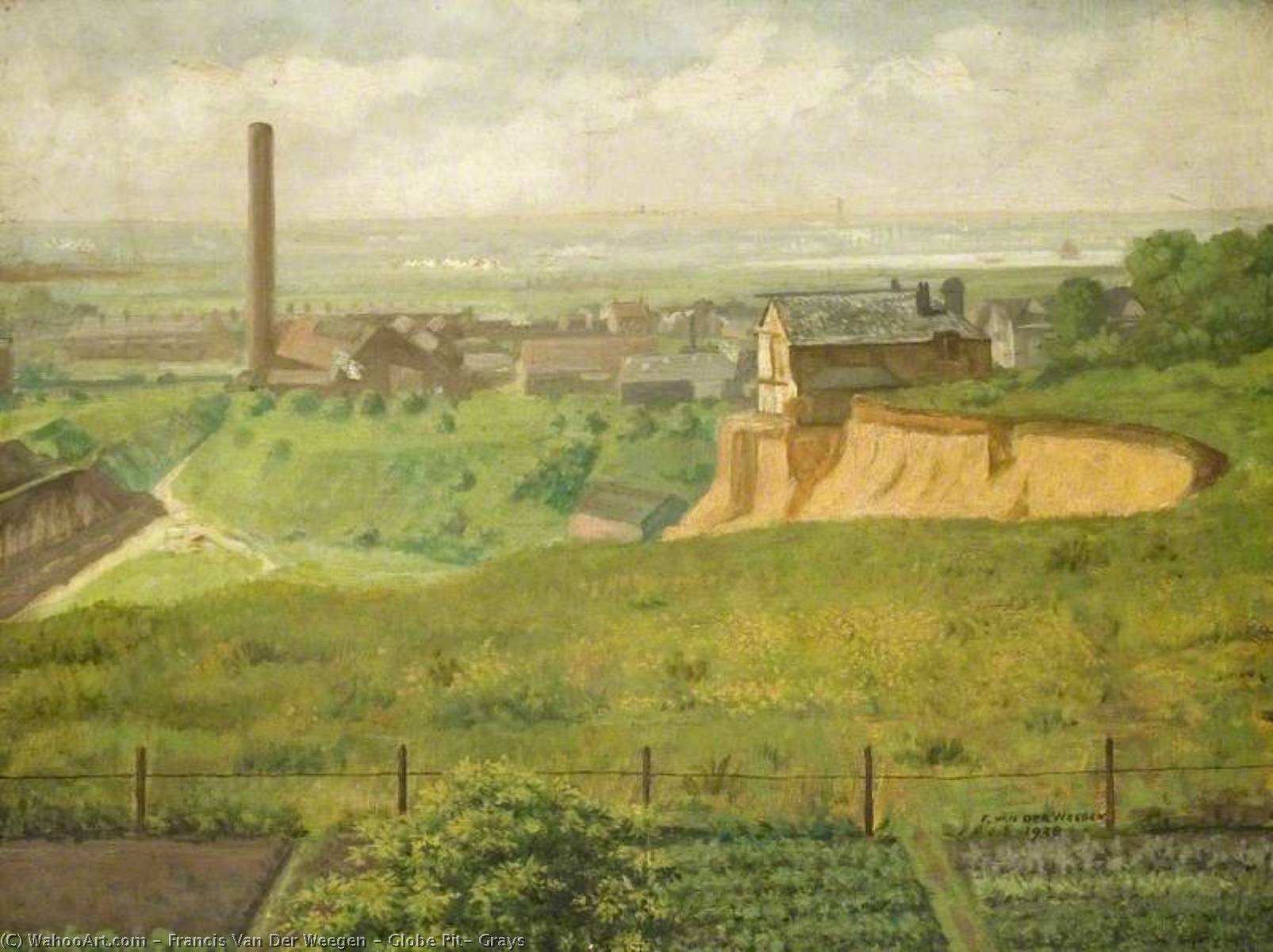
StatsGlobe Pit, Grays
 1928
1928 56.0 x 63.0 cm
 더 보기
더 보기
수제 유화 복제품
원하는 크기와 액자로 주문 제작되는, 작가들이 직접 캔버스에 손으로 그린 유화 작품입니다. ( Switch to Print Switch to Digital Image)




































작품의 원본 비율을 유지하는 미리 설정된 크기 중에서 선택하세요.

특정 프레임이나 공간에 맞도록 직접 크기를 입력할 수 있습니다. 선택하신 크기가 원본 이미지의 비율과 일치하지 않는 경우, 작품을 자르거나 추가적인 손으로 그린 요소를 사용하여 그림을 확장합니다. 제작 시작 전 승인을 위해 디지털 목업을 보내드립니다.
화면 미리 보기는 실제 자르기 또는 확장을 반영하지 않습니다. 최종 구성은 목업을 통해서만 정확하게 확인하실 수 있습니다.
맞춤 크기 제작도 가능하지만, 원본 비율을 유지하기 위해 사전 정의된 목록에서 크기를 선택하시는 것을 권장합니다.
주문 후 ArtsDot.com 팀에서 상세 안내를 위해 고객님께 이메일을 보내드리며, 미리보기 시안을 제공해 드립니다.


 유리 옵션은 110cm 미만 크기에서만 선택 가능합니다.

Globe Pit, Grays
재현 기법
복제본 크기
-


최종 결제 금액
$ 263
Artist Background
Francis Van Der Weegen was a talented artist who captured the essence of the town of Grays in his painting. The scene depicts a picturesque town with a large hillside in the background, surrounded by lush green fields and featuring several buildings, including a clock tower.Composition and Style
The composition of the painting creates an impression of a peaceful and idyllic countryside setting. The cloudy sky above adds a sense of drama to the scene, while the boats situated near the top right corner of the image add a touch of realism. The use of oil on canvas gives the painting a rich and vibrant texture, making it a truly captivating piece.- The painting's size and medium make it an excellent example of oil on canvas artwork.
- The scene depicted in the painting is reminiscent of other works by artists such as Karoor Neelakanta Pillai, who created the Alapuzha Canal painting, which can be found on ArtsDot.com.
- The Thurrock Museum is home to many other notable artworks, including those featured in the article Discovering the Artworks of Thurrock Museum, United Kingdom on ArtsDot.com.
The painting Globe Pit, Grays by Francis Van Der Weegen is a must-see for anyone interested in art and history, and its availability on ArtsDot.com makes it accessible to a wider audience.
유사한 작품들


작가 약력
The Soul of the Landscape: The Life and Vision of Francis van der Weegen
In the twilight of the nineteenth century, as the art world grappled with the rapid shifts of modernity, Francis van der Weegen emerged as a painter of profound psychological depth. Born around 1854 in Altona, Germany, his journey was one of crossing borders—not merely geographical ones between the Netherlands, Germany, and England, but also the boundaries between the external world and the internal psyche. While many of his contemporaries were consumed by the fleeting optical effects of Impressionism, Van der Weegen sought something far more enduring: a way to translate the invisible tremors of human emotion into the tangible textures of the natural landscape.
His artistic foundation was laid within the prestigious halls of Düsseldorf’s Kunstakademie, where he studied under masters such as Wilhelm Leibl and Anton Faigl. From Leibl, he inherited a rigorous devotion to detail and an acute sensitivity to the subtle interplay of light and atmosphere. This classical training provided him with the technical vocabulary necessary to execute his more ambitious conceptual goals. As his career progressed, he moved beyond simple representation, influenced by the burgeoning psychological theories of his era, including the early work of Sigmund Freud. He began to view the landscape not as a static backdrop, but as a mirror for human vulnerability, tension, and memory.
A Cartography of Emotion: From Alton to Grays
The heart of Van der Weegen’s oeuvre lies in his intimate connection to the English countryside, specifically the regions of Alton and Grays. These locations were more than mere subjects; they were vessels for his emotional explorations. In his depictions of Alton, one finds a masterful synthesis of observation and feeling. He did not merely paint vistas; he captured the palpable tension of an approaching storm or the quiet, heavy melancholy found in the twilight hours. His brushwork often reflected this duality, utilizing earthy tones to ground the viewer in reality while employing light to suggest a spiritual or psychological presence.
His time in Grays, Essex, offered another layer to his artistic narrative. Through works such as Globe Pit, Grays, he explored themes of isolation and the passage of time. His connection to the area was deeply personal, linked to his family ties through his daughter Gabriella’s marriage to the headmaster of Eggar's Grammar School in Alton. This proximity allowed him to document the changing face of rural life with a unique intimacy. Whether depicting the industrious energy of Allotments—where the rhythmic labor of man meets the fertile earth—or the quietude of a village lane, his work remains a testament to the dignity of the everyday and the profound emotions hidden within the mundane.
Legacy and Artistic Significance
The historical significance of Francis van der Weegen lies in his refusal to remain a mere observer. He stands as a pioneer of what might be termed psychological landscape painting, a bridge between the meticulous realism of the Düsseldorf school and the subjective explorations of modern art. His ability to imbue a scene of farmland or a roadside cottage with a sense of existential weight distinguishes him from the purely descriptive landscape artists of his time.
Though much of his work remains cherished in specialized collections like the Thurrock Museum, his contribution to the evolution of landscape art is undeniable. He taught us that a landscape is never just a collection of trees, fields, and skies; it is a living, breathing entity capable of expressing the deepest recesses of the human spirit. His legacy survives in every brushstroke that seeks to find the heartbeat within the horizon.

주요 정보
- Artistic Movement Or Style: Realist Landscape Art
- Artists Or Movements Influenced By This Artist: ['Impressionists']
- Artists Who Influenced This Artist:
- Hugo van der Goes
- Rogier van der Weyden
- Date Of Death: 1930
- Full Name: Francis van der Weegen
- Nationality: British
- Notable Artworks:
- View of Cottages in Alton
- Globe Pit, Grays
- Place Of Birth: Alton & Grays