


 프린트 구매하기
 공유하기
공유하기 공유하기
공유하기
 Details

 다운로드
다운로드
 유사 작품
유사 작품 X-Ray
X-Ray 슬라이드 쇼
figure at a washbasin, 1976






P118B $10

P118H $10

P118W $10

P438Z $10

P508JH $12

P508YH $12

P805H $10

P805Z $10

P919BZ $10

P919G $10

P919XJ $10

P959ZH $10

P968JZ $12

W106C $8

W218G $10

W218JH $8

W218Y $10

W307PJ $10

W316G $10

W316PJ $8

W316Y $10

W398PJ $8

W4111J $10

W500HY $15

W500JH $15

W692G $12

W849H $8

W940BG $15

W953PJ $8




 더 알아보기
작품의 원본 비율을 유지하는 미리 설정된 크기 중에서 선택하세요.

특정 프레임이나 공간에 맞도록 직접 크기를 입력할 수 있습니다. 선택하신 크기가 원본 이미지의 비율과 일치하지 않는 경우, 작품을 자르거나 추가적인 손으로 그린 요소를 사용하여 그림을 확장합니다. 제작 시작 전 승인을 위해 디지털 목업을 보내드립니다.
화면 미리 보기는 실제 자르기 또는 확장을 반영하지 않습니다. 최종 구성은 목업을 통해서만 정확하게 확인하실 수 있습니다.
맞춤 크기 제작도 가능하지만, 원본 비율을 유지하기 위해 사전 정의된 목록에서 크기를 선택하시는 것을 권장합니다.
주문 후 ArtsDot.com 팀에서 상세 안내를 위해 고객님께 이메일을 보내드리며, 미리보기 시안을 제공해 드립니다.


 유리 옵션은 110cm 미만 크기에서만 선택 가능합니다.

figure at a washbasin, 1976
재현 기법
복제본 크기
-


최종 결제 금액
-
작품 상세 설명
A Visceral Encounter: Decoding Francis Bacon’s 1976 Composition
This painting from 1976 stands as a powerful testament to Francis Bacon's unflinching exploration of the human condition. It presents two nude figures intertwined on a circular platform, rendered with an intensity that simultaneously captivates and unsettles. The work doesn’t offer easy answers; instead, it invites profound contemplation on themes of vulnerability, isolation, and the complexities inherent in human connection.Style & Technique: Expressionistic Distortion and Raw Emotion
Bacon masterfully synthesizes elements of Expressionism and Surrealism within this composition. The figures are far from realistic representations; they are deliberately distorted and abstracted through loose, gestural brushstrokes. This purposeful lack of precise definition contributes to a dreamlike – almost nightmarish – quality. The fluidity of the lines and amorphous shapes suggest both movement and emotion, yet simultaneously evoke instability and decay. Bacon’s technique relies heavily on visible brushwork, creating a rich texture that emphasizes the physicality of paint and the immediacy of his emotional response. The palette is dominated by warm tones – yellows, oranges, and reds – which amplify the feeling of claustrophobia and psychological tension.Subject Matter & Symbolism: Confinement and Ambiguous Interaction
The central interaction between the two figures remains deliberately ambiguous. Is this a moment of tenderness or coercion? Support or domination? Bacon consistently resisted providing definitive interpretations, preferring to leave his work open to individual understanding. The circular platform is particularly significant; it can be interpreted as a stage for performance, highlighting the performative aspects of human interaction, but also as a confining space – a cage that traps and isolates. The vertical lines framing the figures further reinforce this sense of confinement, suggesting an inescapable environment. The stark contrast between the vibrant red platform and the pale flesh tones immediately draws attention to the physical connection (or disconnection) between the two bodies.Historical Context: Bacon’s Existential Response to a Turbulent Century
Francis Bacon emerged as a dominant force in post-war art, grappling with the anxieties and existential uncertainties of the 20th century. Having lived through two World Wars, his work reflects a profound sense of disillusionment and alienation. Unlike many contemporaries who embraced abstraction, Bacon remained committed to figurative painting, but radically distorted and fragmented the human form to convey psychological states rather than physical likenesses. This piece, created in 1976, falls within a period where Bacon continued to refine his signature style, pushing the boundaries of representation and exploring themes of violence, sexuality, and mortality with unflinching honesty. He was deeply influenced by photography – particularly Eadweard Muybridge’s studies of motion – which informed his dynamic compositions and distorted figures.Emotional Impact & Interior Considerations
This artwork is not intended for passive observation; it demands a response. It evokes feelings of unease, vulnerability, and perhaps even fear. Its power lies in its ability to tap into primal emotions and confront viewers with uncomfortable truths about the human condition. For interior design, this piece would serve as a powerful focal point in a space that embraces bold artistic statements. Its warm color palette could complement modern or mid-century furnishings, but requires careful consideration of surrounding elements. It’s best suited for spaces intended for contemplation and intellectual engagement – a study, library, or living room designed to spark conversation. A high-quality reproduction would retain much of the emotional impact of the original, offering a compelling addition to any art collection.Key Characteristics
- Style: Expressionism, Surrealism
- Medium: Oil on Canvas (likely)
- Themes: Vulnerability, Isolation, Human Connection, Existential Anxiety
- Color Palette: Warm tones – yellows, oranges, reds
- Composition: Distorted figures within a confined space
유사한 작품들


작가 약력
프랜시스 베이컨: 고통과 존재의 심연을 탐구한 화가
프랜시스 베이컨은 20세기 미술에 깊은 상흔을 남긴 아일랜드 출신의 영국 화가로, 인간 존재의 가장 원초적인 감정과 불안을 날카롭게 드러낸 작품들로 유명합니다. 1909년 더블린에서 태어난 그는 어린 시절부터 불우하고 불안정한 환경 속에서 성장했습니다. 아버지와의 복잡한 관계, 엄격한 가정 분위기, 그리고 끊임없는 이주는 그의 내면에 깊은 상처를 남겼고, 이는 이후 작품 전반에 걸쳐 드러나는 고독과 절망감의 근원이 되었습니다. 베이컨은 정규 미술 교육을 받지 않았지만, 타고난 예술적 감각과 끊임없는 탐구를 통해 자신만의 독특한 화풍을 구축했습니다. 초기에는 경박하고 방탕한 생활을 즐겼으나, 20대 후반에 이르러 우연히 접한 세르게이 에이젠슈타인의 영화 <전함 포템킨> 속 비명 지르는 여성의 클로즈업 장면은 그의 예술적 전환점을 마련했습니다. 이 이미지에서 영감을 받아 그는 인간 존재의 근원적인 고통과 공포를 표현하는 데 몰두하기 시작했습니다.영향과 스타일: 파괴와 재창조
베이컨의 작품 세계는 다양한 예술가들과 사상가들에게 영향을 받았습니다. 파블로 피카소의 변형된 인물 묘사는 그의 초기 작품에 큰 영향을 미쳤으며, 에곤 실레의 표현주의적 왜곡은 인간의 고통과 불안을 시각적으로 드러내는 데 중요한 영감을 제공했습니다. 또한, 디에고 벨라스케스의 <인노센트 10세 교황 초상>은 베이컨에게 끊임없는 모티브가 되어, 그는 이 작품을 재해석하며 권위와 위엄 대신 고독과 절망을 강조하는 독특한 이미지를 창조했습니다. 그의 스타일은 전통적인 표현 방식을 거부하고 파괴적인 붓질과 왜곡된 형태를 통해 인간 존재의 불안정성과 취약성을 극명하게 드러냅니다. 배경을 단순화하거나 제거하고 인물을 고립시키는 방식은 그들의 내적 갈등과 고독감을 더욱 부각시킵니다. 베이컨은 색채 또한 효과적으로 활용하여 작품에 강렬한 감정적 분위기를 부여했습니다. 칙칙하고 어두운 색조는 절망감과 불안을, 때로는 강렬한 대비를 이루는 색상은 격렬한 감정을 표현하는 데 사용되었습니다.주요 작품과 주제: 고통의 형상화
베이컨은 주로 삼중 연작(Triptych) 형식으로 작품을 제작하여 인간 존재의 복잡성과 다층성을 효과적으로 드러냈습니다. 그의 대표작인 <십자가에 못 박힌 예수의 세 연구>(Three Studies for Figures at the Base of a Crucifixion, 1944)는 전쟁의 상흔과 인간의 고통을 강렬하게 표현한 작품으로 평가받습니다. 이 작품에서 베이컨은 종교적인 의미를 넘어선 근원적인 공포와 절망감을 형상화했습니다. 또한, <교황 인노센트 10세> 연작은 벨라스케스의 원작을 재해석하여 권위 있는 교황의 모습을 비명 지르는 악몽으로 변모시켰습니다. 이는 인간 존재의 허무함과 고독을 상징하는 그의 대표적인 주제를 잘 보여줍니다. 그는 자신의 연인 조지 다이어의 죽음 이후 더욱 어두운 분위기의 작품들을 제작했는데, 특히 <블랙 트리프틱> 연작은 슬픔과 상실감에 잠긴 베이컨의 내면세계를 반영합니다.예술사적 의의와 유산: 현대 미술의 지평을 넓히다
프랜시스 베이컨은 20세기 현대 미술의 흐름을 선도하며, 표현주의를 넘어선 독창적인 예술 세계를 구축했습니다. 그의 작품은 인간 존재의 어두운 측면과 고통을 가감 없이 드러내며 관객에게 깊은 충격을 안겨줍니다. 그는 전통적인 회화 기법을 파괴하고 새로운 표현 방식을 모색하며 현대 미술의 지평을 넓혔습니다. 베이컨의 영향은 데미안 허스트, 제니 새빌 등 후대 예술가들에게까지 이어져 왔으며, 그의 작품은 현재 전 세계 주요 미술관에 소장되어 있으며 높은 가격에 거래되고 있습니다. 그는 단순한 화가를 넘어 현대 사회의 불안과 고독을 상징하는 아이콘으로 자리 잡았습니다. 베이컨의 그림들은 우리에게 인간 존재의 취약성과 고통을 직시하게 하며, 동시에 예술의 힘을 통해 이러한 감정을 극복하고 이해할 수 있다는 희망을 제시합니다.
프랜시스 베이컨
1909 - 1992 , 아일랜드
주요 정보
- 국적: 아일랜드-영국
- 사망일: 1992년 4월 28일
- 영향을 받은 예술 사조: ['전후 표현주의']
- 영향을 준 예술가:
- 파블로 피카소
- 에곤 실레
- 예술 사조: 표현주의
- 전체 이름: 프랜시스 베이컨
- 주요 작품:
- 세 가지 연구: 십자가 아래 인물
- 교황 시리즈
- 조지 다이어 초상화
- 출생일: 1909년 10월 28일
- 출생지: 더블린, 아일랜드
관련 기사 더 보기

The Existential Anguish of Francis Bacon: Trauma, Form & the Post-War Condition
Explore the profound existential anguish of Francis Bacon's art. Discover how trauma shaped his iconic paintings & lasting influence on modern expressionism. A guide for discerning collectors.


프랜시스 베이컨의 걸작 25선: 강렬한 감정과 시대를 초월하는 예술 (Francis Bacon's 25 Masterpieces: Intense Emotion & Timeless Art)
프랜시스 베이컨의 강렬하고 파격적인 세계로. 현대 미술 거장의 대표작 25선을 만나보세요. 절망, 고독, 인간 존재에 대한 깊은 성찰을 담은 작품들을 감상하고, ArtsDot.com에서 최고 품질의 그림 복제본과 인테리어 아이디어를 찾아보세요.
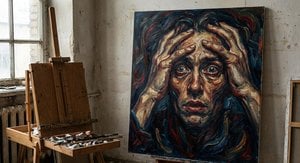
Figurative Expressionism: Emotional Intensity & Subjective Reality in 20th-Century Art
Explore the powerful world of Figurative Expressionism with ArtsDot. Discover key artists like Kirchner & Beckmann, understand its emotional depth, and learn how to collect this influential 20th-century art movement.

Gunning King: Narrative & Technique in Contemporary Figurative Painting
Explore the captivating world of contemporary figurative painting. Discover key artists, techniques & collecting insights. Expert analysis for discerning art lovers. ArtsDot.

The Enduring Appeal of Figurative Art: A Historical Survey of Representation, Emotion & Modern Interpretations
Explore the rich history of figurative art from Renaissance masterpieces to contemporary expressions. Discover key artists, movements & collecting insights with ArtsDot – your trusted source for museum-quality reproductions and expert art guidance.



