


 실제 크기로 보기
 보내기
보내기 공유하기
공유하기
 상세 보기
상세 보기 가이드 보기

 이미지 다운로드
 유사 작품 더 보기
 X-레이
X-레이 슬라이드 쇼 보기
 통계 정보
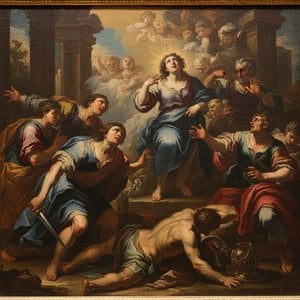
통계 정보Crucifixion
 Oil On Canvas
- WallArt
- Baroque
 1709
1709- Early Modern
 320.0 x 216.0 cm
 산 로렌초 대성당
 상세 보기
상세 보기
지클레 / 아트 프린트
빠른 제작과 다양한 마감 옵션을 선택할 수 있는 박물관 수준의 지클레이 및 캔버스 프린트. ( 수작업 채색 복제본 주문하기 디지털 이미지 판매 채널로 전환)




P118B $10

P118H $10

P118W $10

P438Z $10

P508JH $12

P508YH $12

P805H $10

P805Z $10

P919BZ $10

P919G $10

P919XJ $10

P959ZH $10

P968JZ $12

W106C $8

W218G $10

W218JH $8

W218Y $10

W307PJ $10

W316G $10

W316PJ $8

W316Y $10

W398PJ $8

W4111J $10

W500HY $15

W500JH $15

W692G $12

W849H $8

W940BG $15

W953PJ $8




작품의 원본 비율을 그대로 유지하는 프리셋 사이즈 중에서 선택해 보세요.

특정 프레임이나 공간에 맞춰 직접 치수를 입력하실 수 있습니다. 선택하신 사이즈가 원본 이미지의 비율과 일치하지 않을 경우, 작품을 크롭(자르기)하거나 이미지를 대칭 또는 단색 채우기로 확장하여 제작합니다. 제작 시작 전, 최종 확인을 위해 디지털 목업이 전송됩니다.
화면상의 미리보기는 실제 크롭이나 확장 상태를 반영하지 않으므로, 최종 구도는 오직 목업을 통해서만 정확하게 확인하실 수 있습니다.
맞춤 사이즈 제작도 가능하지만, 원본 비율을 유지하기 위해서는 사전 정의된 목록에서 치수를 선택하시는 것을 권장합니다.


 유리 옵션은 110cm 미만 크기에서만 선택 가능합니다.

Crucifixion
지클레 / 아트 프린트
복제본 규격
-


총 결제 금액
$ 62
The painting depicts the scene of the Crucifixion, with Jesus Christ at the center, surrounded by three figures: two women and a man. The use of light on the central figure of Christ creates a dramatic contrast against the darker tones of the surrounding environment. The overall composition and style suggest that this painting belongs to the Baroque period, which was marked by its dramatic and emotional themes.
Artistic Style and Influences
The Crucifixion by Francesco Conti is a testament to the artist's skill and mastery of the Baroque style. The painting's use of light and shadow, as well as its emphasis on emotion and movement, are all characteristic of this period. Other notable artists of the Baroque period include Fra Filippo Lippi, who created the Annunciation (detail) painting, and Annibale Carracci, who painted the Pietà.For more information on these artists and their works, visit Francesco Conti: Crucifixion and Fra Filippo Lippi: Annunciation (detail) on ArtsDot.com. You can also learn more about the San Lorenzo museum and its collection on The Museum San Lorenzo (Florence, Italy).
Notable Artists from Italy
Italy has a rich history of producing talented artists, including Jacopo Confortini, who was an Italian painter of the Baroque period. For a list of notable individuals from Italy, visit List of people from Italy on Wikipedia.- Francesco Conti: A Italian painter of the Baroque period
- Fra Filippo Lippi: A Italian painter of the Renaissance period
- Annibale Carracci: A Italian painter of the Baroque period
관련 작품들


작가 소개
Francesco Conti (1681 – 1760): A Florentine Baroque Master
Francesco Conti, born in Caivano near Naples in 1681, emerged as a prominent figure within the vibrant artistic landscape of Florence during the Baroque era. His formative years were steeped in the tutelage of Giovanni Maria Morandi and Carlo Maratta – masters whose stylistic approaches profoundly shaped his own artistic vision. These influential mentors instilled in Conti a dedication to dramatic realism and masterful chiaroscuro techniques, characteristics that would define his oeuvre for decades to come.- Early Influences: Conti’s initial training under Morandi exposed him to the refined elegance of Roman Baroque painting, emphasizing idealized forms and balanced compositions. Simultaneously, Maratta's teachings championed theatrical grandeur and emotional intensity – elements that would become integral to Conti’s artistic sensibilities.
- Florence & Patronage: Returning to Florence after his formative years in Rome, Conti secured invaluable support from the Riccardi family, who regularly commissioned him for monumental altarpieces and provided a stable income. This patronage allowed him to pursue his artistic endeavors with unwavering commitment and fostered collaborations that enriched Florentine art history.
Notable Works & Artistic Style
Conti’s artistic style was characterized by an uncompromising embrace of Baroque principles – particularly chiaroscuro, the dramatic interplay between light and shadow—which he skillfully employed to convey emotion and heighten visual impact. His paintings pulsated with palpable energy, capturing moments of profound spiritual contemplation alongside scenes of heroic action. Among his most celebrated achievements are “Madonna & Child with Saint Sylvester I, Saint Paul and Saint Catherine of Alexandria” (1738), commissioned for Sant’Andrea della Minerva by the Rucellai family—a masterpiece lauded for its masterful composition and luminous illumination—and “Death of King Josiah,” a monumental depiction of biblical drama executed in 1740. These works stand as testament to Conti's ability to fuse technical virtuosity with expressive storytelling.- Dominant Technique: Conti’s signature technique involved meticulous layering of paint, creating textures that mirrored the grandeur and solemnity of his subjects. He skillfully manipulated light sources to sculpt forms and imbue canvases with an ethereal glow—a hallmark of Maratta's influence.
- Religious Themes: Conti dedicated his artistic energies primarily to religious iconography, producing a prolific output of altarpieces and devotional paintings that reflected the spiritual fervor of his time. His depictions of saints and biblical narratives resonated deeply with audiences and cemented his reputation as one of Florence’s foremost Baroque artists.
Legacy & Influence
Francesco Conti's artistic legacy extends beyond his individual masterpieces; he served as a mentor to numerous aspiring painters, fostering the development of Florentine Baroque art for generations to come. His pupil Anna Bacherini Piattoli continued Conti’s stylistic traditions and contributed significantly to the artistic discourse of the era. Conti’s unwavering commitment to Baroque principles—particularly chiaroscuro and dramatic realism—established him as a pivotal figure in Florentine art history, ensuring his enduring influence on subsequent artists and shaping the visual culture of his time. His work continues to inspire admiration for its expressive power and technical brilliance.Further Exploration
For deeper insights into Francesco Conti’s artistic journey and contributions to Baroque painting, explore resources such as:Recommended Resources
- Museum Database: Сан Франческо делла Вінья

Francesco Conti
1681 - 1760 , Italy
작가 정보 요약
- Artistic Movement Or Style: Baroque
- Artists Or Movements Influenced By This Artist: ['Simone Pignoni']
- Artists Who Influenced This Artist:
- Giovanni Maria Morandi
- Carlo Maratta
- Date Of Birth: Caivano, Italy (1681)
- Date Of Death: Florence (1760)
- Full Name: Francesco Conti
- Nationality: Italian
- Notable Artworks:
- Madonna & Child with St. Sylvester I, St. Paul and St. Catherine of Alexandria
- Death of King Josiah
- Return to Nazareth from Egypt
- Saint Joseph with the Christ Child
- The Crucifixion of Jesus
- Pietà
- Allegory of Musica Gentleman
- Place Of Birth: Florence, Italy
관련 기사

The Dramatic Flourish: Exploring the Baroque Movement's Enduring Legacy in Art History
Explore the dramatic world of Baroque art! Discover iconic artists like Caravaggio & Rubens, defining techniques, and its lasting impact on art history. Expert insights for collectors & enthusiasts at ArtsDot.
The Dramatic Flourish: Exploring Baroque Painting's Emotional Intensity & Artistic Innovations
Explore the dramatic world of Baroque painting! Discover its history, defining characteristics, iconic artists like Caravaggio & Rubens, and lasting influence on Western art. Expert insights for collectors.

The Golden Age Reforged: Dramatic Realism & Religious Zeal in Spanish Baroque Art
Explore the dramatic world of Spanish Baroque art! Discover masters like Zurbarán & the powerful influence of religious zeal on painting techniques – a guide for collectors and enthusiasts.

The Visceral Stage: Exploring Dramatic Narratives & Emotional Intensity in Baroque Art
Explore the dramatic world of Baroque art! Discover iconic masters like Caravaggio & Rembrandt, their techniques, and the movement's lasting impact. Expert insights for collectors & enthusiasts at ArtsDot.

Chiaroscuro & Emotional Resonance: Exploring Dramatic Light in Western Painting
Explore the captivating world of chiaroscuro & tenebrism! Discover Caravaggio's influence, Baroque masters, and the enduring power of dramatic lighting in art history. Learn about these techniques with ArtsDot.