


 미리보기
미리보기
 공유하기
공유하기 공유하기
공유하기
 상세 정보
상세 정보

 다운로드
다운로드
 유사 작품
유사 작품 X-레이
X-레이 슬라이드 쇼
The Delphic Sibyl


 더 보기
더 보기
지클레 / 아트 프린트
빠른 제작과 다양한 마감 옵션을 제공하는 박물관 품질의 지클레이 또는 캔버스 프린트. ( 손으로 그린 그림 구매 이미지 구매)




P118B $10

P118H $10

P118W $10

P438Z $10

P508JH $12

P508YH $12

P805H $10

P805Z $10

P919BZ $10

P919G $10

P919XJ $10

P959ZH $10

P968JZ $12

W106C $8

W218G $10

W218JH $8

W218Y $10

W307PJ $10

W316G $10

W316PJ $8

W316Y $10

W398PJ $8

W4111J $10

W500HY $15

W500JH $15

W692G $12

W849H $8

W940BG $15

W953PJ $8




작품의 원본 비율을 유지하는 미리 설정된 크기 중에서 선택하세요.

특정 프레임이나 공간에 맞춰 직접 치수를 입력하실 수 있습니다. 선택하신 사이즈가 원본 이미지의 비율과 일치하지 않을 경우, 작품을 크롭(자르기)하거나 이미지를 대칭 또는 단색 채우기로 확장하여 제작합니다. 제작 시작 전, 최종 확인을 위해 디지털 목업이 전송됩니다.
화면상의 미리보기는 실제 크롭이나 확장 상태를 반영하지 않으므로, 최종 구도는 오직 목업을 통해서만 정확하게 확인하실 수 있습니다.
맞춤 사이즈 제작도 가능하지만, 원본 비율을 유지하기 위해서는 사전 정의된 목록에서 치수를 선택하시는 것을 권장합니다.


 유리 옵션은 110cm 미만 크기에서만 선택 가능합니다.

The Delphic Sibyl
지클레 / 아트 프린트
복제본 크기
-


최종 결제 금액
$ 62
The Delphic Sibyl: A Vision of Prophecy in Renaissance Rome
Filippino Lippi’s “The Delphic Sibyl,” completed in 1489 and residing within the opulent Carafa Chapel of Santa Maria sopra Minerva in Rome, stands as a testament to the High Renaissance's masterful blend of religious fervor and humanist observation. More than just a decorative fresco, it embodies a profound meditation on divine inspiration and the role of prophecy—themes central to Florentine intellectual life during Lorenzo de’ Medici’s reign.
The painting depicts the Sibyl of Delphi, an ancient Greek prophetess revered for her ability to communicate with gods and foretell future events. Lippi skillfully captures this iconic figure in a moment of contemplative engagement, holding aloft a scroll bearing cryptic text – “Eta exivit virgini” (“She came forth from virginity”) and “Prophetiae Nascetv” (“Prophecy shall be born”). These phrases encapsulate the core narrative: the Sibyl’s prophetic utterance anticipates the miraculous birth of Jesus Christ, symbolizing divine grace and redemption.
Lippi's technique is exemplary of Renaissance fresco painting. Employing tempera pigments mixed with lime plaster, he achieved remarkable luminosity and detail—characteristics prized by artists striving for realism while simultaneously conveying spiritual significance. The artist’s meticulous attention to anatomical accuracy reflects the humanist influence prevalent at the time, grounding the ethereal Sibyl in tangible form.
Beyond its technical prowess, “The Delphic Sibyl” resonates with symbolic depth. The angelic figure flanking the Sibyl reinforces her divine connection and underscores the sanctity of virginity—a concept deeply embedded in Christian theology. Similarly, the lily held by another figure symbolizes purity and innocence, mirroring the Sibyl’s prophetic role as bearer of sacred knowledge.
The chapel's ceiling itself is a marvel of architectural grandeur, adorned with gilded stucco and intricate geometric patterns that contribute to the overall impression of majesty. Lippi’s fresco seamlessly integrates into this monumental space, elevating the viewer’s experience and immersing them in the atmosphere of Renaissance Rome—a city pulsating with artistic innovation and intellectual curiosity.
“The Delphic Sibyl” continues to captivate audiences today not merely as a beautiful artwork but as a window into the spiritual and cultural landscape of its era. Its enduring appeal lies in its ability to convey timeless themes of faith, prophecy, and divine inspiration—qualities that resonate powerfully with collectors and interior designers seeking pieces imbued with artistic excellence and intellectual depth.
유사한 작품들


작가 약력
필리피노 리피의 삶과 예술 세계
1457년 이탈리아 프라토에서 태어난 필리피노 리피는 르네상스 시대 거장인 프라 필리포 리피의 사생아로, 그의 예술적 여정은 아버지의 그림자 아래 시작되었습니다. 어린 시절부터 아버지에게 미술 교육을 받으며 자연스럽게 화가의 길에 들어선 그는, 아버지의 죽음 이후에도 꾸준히 기량을 연마하며 독자적인 스타일을 구축해 나갔습니다. 필리피노는 단순히 아버지의 뒤를 잇는 것을 넘어, 초기 르네상스 양식과 고전주의적 아름다움이 조화를 이루는 새로운 회화 세계를 열었습니다. 그의 작품은 섬세한 표현력과 따뜻한 색채감으로 많은 이들의 감성을 사로잡았으며, 동시대 화가들에게도 큰 영향을 미쳤습니다.예술적 성장 과정과 주요 특징
필리피노 리피의 예술 세계는 크게 세 단계로 나눌 수 있습니다. 1475년부터 1480년까지의 초기 작품들은 다소 미숙한 면모를 보였지만, ‘산드로의 친구’라는 익명의 화가에게 귀속되던 작품들을 통해 그의 재능을 엿볼 수 있었습니다. 이후 1480년부터 1485년까지는 토비아의 여정과 같은 작품에서 보다 개인적이고 효과적인 표현 방식을 선보이며 예술적 역량을 키워나갔습니다. 마침내 1485년부터 1504년까지의 성숙기에는 고르네상스 양식에 대한 완벽한 이해를 바탕으로 성모자 현현과 같은 걸작들을 탄생시키며 전성기를 맞이했습니다. 그의 작품은 생동감 넘치는 형태와 선, 따뜻한 색채, 섬세하게 묘사된 풍경, 그리고 인물들의 감정을 생생하게 표현하는 특징을 지니고 있습니다. 특히 원근법과 공간감을 활용하면서도 아늑하고 친밀한 분위기를 연출하는 그의 독특한 기법은 많은 화가들에게 영감을 주었습니다.주요 작품 및 협업
필리피노 리피는 페루지노, 기를란다이오, 보티첼리와 함께 로렌초 데 메디치의 별장에서 프레스코 벽화를 제작하며 예술적 교류를 활발히 펼쳤습니다. 또한 마솔리노와 협력하여 브랑카치 예배당의 미완성된 장식을 완성하는 중요한 역할을 수행했습니다. 그의 대표작으로는 성모자 대관, 토비아와 천사, 성 제롬, 그리고 성 토마스 아퀴나스의 생애 장면 등이 있습니다. 특히 브랑카치 예배당의 프레스코 벽화는 마사초의 작품을 이어받아 르네상스 회화의 중요한 이정표로 평가받고 있으며, 그의 뛰어난 표현력과 섬세한 기법을 잘 보여주는 대표적인 예시입니다.영향과 예술적 유산
필리피노 리피는 산드로 보티첼리와 프라 필리포 리피로부터 많은 영향을 받았으며, 로마 고전 유물을 연구하며 작품에 고대 미술의 요소를 적극적으로 도입했습니다. 그의 작품은 르네상스 시대 회화의 전통을 계승하면서도 새로운 시도를 통해 독자적인 예술 세계를 구축했습니다. 그는 플로렌스를 대표하는 프레스코 벽화 거장으로서, 후대 화가들에게 지대한 영향을 미쳤으며, 특히 라파엘리노 델 가르보에게 큰 영감을 주었습니다. 그의 작품은 전 세계 여러 박물관에 소장되어 있으며, 피렌체의 우피치 미술관에서도 그의 걸작들을 감상할 수 있습니다. 필리피노 리피는 초기 르네상스 양식과 고전주의적 아름다움이 조화를 이루는 새로운 회화 미학을 제시하며, 르네상스 예술 발전에 크게 기여했습니다.
필리피노 리피
1457 - 1504 , 이탈리아
주요 정보
- Artistic Movement Or Style: 고르네상스 시대
- Artists Who Influenced This Artist:
- 필리포 리피
- 산드로 보티첼리
- Date Of Birth: 1457년 4월
- Date Of Death: 1504년 4월
- Full Name: 필리피노 리피
- Nationality: 이탈리아인
- Notable Artworks (List Of Titles):
- 성모대관
- 토비아와 천사
- 성 제롬
- Place Of Birth (City And Country): 이탈리아 프라토
관련 기사 더 보기
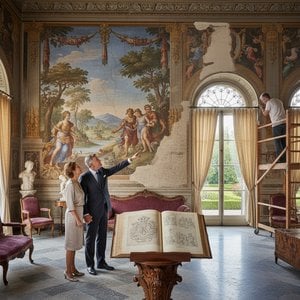
가족 유산의 벽화: 대를 잇는 예술적 전통과 기억의 보존
가족 유산의 벽화에 담긴 예술적 전통과 기억 보존의 의미를 탐구합니다. 프레스코 기법의 역사, 제작 과정, 복원 노력을 심층 분석하고 현대적인 응용 가능성을 제시합니다. 전문가의 시각으로 고품격 미술 정보를 제공합니다.

Filippino Lippi: Renaissance Innovation Bridging Faith & Humanism
Explore the captivating world of Filippino Lippi, a Renaissance master bridging faith & humanism through innovative art. Discover his key works, influences, and lasting legacy with ArtsDot.

The Enduring Legacy of Fresco: Technique, History & Artistic Expression Across Cultures
Explore the rich history & enduring legacy of fresco painting! Discover ancient techniques, Giotto's masterpieces, and modern applications. Expert insights for art lovers & professionals.

The Enduring Legacy of Fresco Painting: Techniques, History & Contemporary Relevance
Explore the rich history & enduring artistry of fresco painting – from Giotto to Michelangelo! Discover techniques, conservation efforts, & modern applications. Learn how ArtsDot brings this timeless art form to your home.

내면의 울림을 담은 공간: 감정적 교감을 불러일으키는 맞춤형 인테리어 프레스코 미술의 힘
프레스코 미술의 역사와 제작 기법부터 맞춤형 인테리어 디자인까지, 전문가가 알려주는 감성적인 공간 창조 노하우를 만나보세요. 오래도록 기억에 남는 특별한 공간을 위한 최고의 선택입니다.

