


 미리보기
미리보기
 프린트 구매
 공유하기
공유하기 공유하기
공유하기
 상세 정보
상세 정보

 다운로드
다운로드
 유사 작품
유사 작품 X-레이
X-레이 슬라이드 쇼
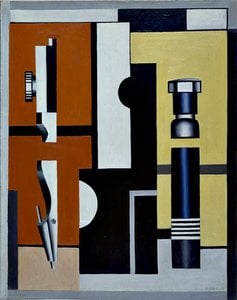
Mechanical Elements


 더 보기
더 보기




P118B $10

P118H $10

P118W $10

P438Z $10

P508JH $12

P508YH $12

P805H $10

P805Z $10

P919BZ $10

P919G $10

P919XJ $10

P959ZH $10

P968JZ $12

W106C $8

W218G $10

W218JH $8

W218Y $10

W307PJ $10

W316G $10

W316PJ $8

W316Y $10

W398PJ $8

W4111J $10

W500HY $15

W500JH $15

W692G $12

W849H $8

W940BG $15

W953PJ $8




작품의 원본 비율을 유지하는 미리 설정된 크기 중에서 선택하세요.

특정 프레임이나 공간에 맞도록 직접 크기를 입력할 수 있습니다. 선택하신 크기가 원본 이미지의 비율과 일치하지 않는 경우, 작품을 자르거나 추가적인 손으로 그린 요소를 사용하여 그림을 확장합니다. 제작 시작 전 승인을 위해 디지털 목업을 보내드립니다.
화면 미리 보기는 실제 자르기 또는 확장을 반영하지 않습니다. 최종 구성은 목업을 통해서만 정확하게 확인하실 수 있습니다.
맞춤 크기 제작도 가능하지만, 원본 비율을 유지하기 위해 사전 정의된 목록에서 크기를 선택하시는 것을 권장합니다.
주문 후 ArtsDot.com 팀에서 상세 안내를 위해 고객님께 이메일을 보내드리며, 미리보기 시안을 제공해 드립니다.


 유리 옵션은 110cm 미만 크기에서만 선택 가능합니다.

Mechanical Elements
재현 기법
복제본 크기
-


최종 결제 금액
$ 263
작품 상세 설명
Fernand Léger’s Mechanical Elements: A Vision of Modernity Captured in Geometric Form
Fernand Léger's "Mechanical Elements," painted in 1926, stands as an arresting testament to the burgeoning fascination with industrial progress and its influence on artistic expression during the interwar period. More than just a depiction of machinery—though undeniably prominent—the painting embodies Léger’s core belief that art could actively engage with the transformative forces reshaping human experience. This analysis delves into the artwork's stylistic nuances, technical considerations, historical significance, and enduring emotional resonance.Stylistic Roots: Cubism Revisited
Léger firmly established himself within the vanguard of Cubist thought, yet he deftly steered away from its purely analytical dissection of form. Instead, he embraced a synthesis that prioritized geometric abstraction while retaining an awareness of observable reality. Unlike Picasso’s fragmented portraits and sculptures—which sought to dismantle traditional representation—Légers approach was to reconstruct visual experience through simplified shapes—cylinders, cones, cubes—creating a dynamic interplay between solidity and emptiness. This stylistic choice reflects Léger's conviction that Cubism could serve as a springboard for exploring the new aesthetic sensibilities of the machine age. The painting’s palette is deliberately restrained, favoring shades of gray and white to convey the austere materiality of industrial components, punctuated by a bold yellow element—a deliberate counterpoint—that injects vibrancy into the composition.Technique: Flat Planes and Sharp Edges – A Deliberate Aesthetic
The execution of "Mechanical Elements" is characterized by meticulous attention to detail within a remarkably reductive visual language. Léger employed flat planes of color applied with thick brushstrokes, creating a textured surface that mimics the roughness of metal surfaces. The sharp edges defining each geometric form contribute to an overall sense of precision and dynamism—a stylistic hallmark of Tubism, which Léger championed as a natural progression from Cubism. This technique wasn’t merely about replicating visual appearances; it was about conveying a feeling of immediacy and capturing the energy inherent in industrial processes. Léger's masterful blending of color and texture underscores his ambition to transcend mere imitation and forge an entirely new artistic idiom.Historical Context: Embracing the Machine Age
Painted during the height of Léger’s “mechanical period,” "Mechanical Elements" captures the zeitgeist of a society grappling with unprecedented technological advancements. The aftermath of World War I had irrevocably altered perceptions of time, space, and human existence—themes that Léger powerfully addressed through his art. He envisioned a future where humanity would coexist harmoniously with machines, recognizing their potential to liberate individuals from drudgery while simultaneously presenting new challenges to artistic creativity. Léger’s work anticipates the stylistic innovations of Pop Art, demonstrating how abstraction could serve as a conduit for communicating complex ideas about modernity and its impact on human consciousness.Symbolism Beyond Representation
While eschewing literal depictions, Léger imbues "Mechanical Elements" with profound symbolic significance. The dominant cylindrical forms represent not just physical objects but also the pervasive influence of machinery—the relentless rhythm of industrial production—upon daily life. The yellow element symbolizes optimism and vitality—a deliberate assertion of human agency amidst the perceived bleakness of postwar anxieties. Léger’s intention wasn't to offer a didactic commentary on societal transformations; rather, he sought to evoke an emotional response—a sense of wonder and apprehension—regarding the unfolding drama of technological progress.Concluding Reflection: An Enduring Legacy
“Mechanical Elements” remains a captivating masterpiece because it embodies Léger’s unwavering conviction that art could engage with the complexities of its time without sacrificing aesthetic beauty. Its bold geometric forms, textured surface, and carefully considered palette continue to inspire artists and collectors alike—a testament to Léger's enduring legacy as one of the most influential figures in twentieth-century abstraction.



작가 약력
르네상스에서 기계의 시대로: 페르낭 레제의 삶과 예술
페르낭 레제는 1881년 노르망디의 아쟁탕에서 태어났으며, 그의 이름은 20세기 미술사의 중요한 전환점을 상징합니다. 농부의 아들로 태어나 건축을 공부했지만, 결국 회화에 전념하며 현대 미술의 새로운 지평을 열었습니다. 레제의 삶은 자연과 산업, 유기체와 기계 사이의 끊임없는 긴장 속에서 펼쳐졌으며, 그의 예술은 이러한 긴장을 시각적으로 표현하고 조화시키려는 노력의 결과였습니다. 초기에는 전통적인 회화 교육을 받았지만, 폴 세잔의 작품을 접한 이후 그의 예술적 여정은 완전히 새로운 방향으로 나아갔습니다. 세잔의 형태 분석과 구조에 대한 탐구는 레제에게 기존의 재현 방식에서 벗어나 자신만의 독특한 시각 언어를 구축하도록 영감을 주었습니다.입방주의를 넘어선 ‘튜브즘’의 탄생
레제는 입방주의 운동에 참여했지만, 피카소나 브라크의 스타일을 단순히 모방하는 데 그치지 않았습니다. 그는 자신만의 독특한 표현 방식을 발전시켜 “튜브즘(Tubism)”이라는 새로운 용어를 낳았습니다. 튜브즘은 원통형 형태, 평면적인 비행기, 대담한 색상 대비를 특징으로 하며, 기계의 미학을 예견하는 듯한 강렬함을 지닙니다. 레제의 작품 속에서 우리는 단순화된 인물과 기하학적 형태들이 조화를 이루며 현대 사회의 역동성을 표현하고 있습니다. 1909년 몽파르나스로 이주하여 알렉산드르 아르치펜코, 자크 리피츠, 샤임 수틴 등 당대 최고의 예술가들과 교류하며 그의 예술적 실험은 더욱 가속화되었습니다. 특히 ‘황금 비율(Section d’Or)’ 그룹에 참여하면서 수학적 원리를 활용한 작품들을 선보이며 입방주의의 새로운 가능성을 탐구했습니다.전쟁과 기계 문명, 그리고 새로운 미학
제1차 세계 대전은 레제의 삶과 예술에 깊은 영향을 미쳤습니다. 전장에서 경험한 참혹함은 그에게 전쟁이라는 현실을 직시하게 했으며, 동시에 기계 문명의 힘과 효율성에 대한 그의 관심을 더욱 증폭시켰습니다. 군 복무 중 스케치한 작품들은 파괴의 도구인 군사 기술을 예술적 대상으로 승화시키는 듯한 인상을 줍니다. 전후 시대에 레제는 산업 사회의 역동성을 반영하는 작품들을 제작하며, 기계적인 요소와 유기적인 형태를 결합하여 독특한 시각적 조화를 이루어냈습니다. *살롱에서 만난 여인들*과 같은 작품들은 단순화된 인물들과 간결한 배경이 어우러져 현대 도시의 활력을 생생하게 전달합니다.팝 아트의 선구자, 그리고 유산
레제의 예술은 2차 세계 대전 이후 더욱 추상적인 경향을 보이며 색채와 형태의 투명성을 강조했습니다. 그의 작품들은 기계 문명의 아름다움을 찬양하는 동시에 인간 존재의 의미를 탐구하는 듯한 깊이를 지닙니다. 레제는 회화뿐만 아니라 조각, 영화 등 다양한 매체를 통해 자신의 예술적 비전을 확장했으며, 이는 후대 예술가들에게 큰 영향을 미쳤습니다. 특히 그의 작품은 팝 아트 운동의 등장에 중요한 토대를 마련했습니다. 로이 리히텐슈타인이나 앤디 워홀과 같은 예술가들은 레제의 대담한 형태 단순화와 산업 이미지 활용 방식에서 영감을 얻어 자신들의 독창적인 스타일을 구축했습니다. 오늘날 페르낭 레제의 작품은 전 세계 주요 미술관에 소장되어 있으며, 그의 유산은 현대 미술의 중요한 한 페이지를 장식하고 있습니다. 그는 기계 문명의 시대를 예술적으로 해석하고 표현한 선구자로서, 끊임없이 변화하는 시대 속에서 인간과 기술의 관계를 탐구하는 예술가들의 영원한 스승으로 기억될 것입니다. 그의 작품은 단순한 그림이 아닌, 현대 사회에 대한 깊은 성찰이자 미래를 향한 긍정적인 시각을 담고 있습니다.
페르난 레제
1881 - 1955 , 프랑스
주요 정보
- 국적: 프랑스
- 사망일: 1955년 8월 17일
- 영향을 받은 예술 사조: ['팝 아트']
- 영향을 준 예술가: ['폴 세잔']
- 예술 사조: 입체주의, 튜브즘
- 전체 이름: 페르난 레제
- 주요 작품:
- 시티드 우먼
- 머신 엘리먼트
- 그레이트 퍼레이드
- 더 시티
- 출생일: 1881년 2월 4일
- 출생지: 아쟁탕, 프랑스



