


 미리보기
미리보기
 공유하기
공유하기 공유하기
공유하기
 상세 정보
상세 정보

 다운로드
다운로드
 유사 작품
유사 작품 X-레이
X-레이 슬라이드 쇼
Learning to read


 더 보기
더 보기
지클레 / 아트 프린트
빠른 제작과 다양한 마감 옵션을 제공하는 박물관 품질의 지클레이 또는 캔버스 프린트. ( 손으로 그린 그림 구매 이미지 구매)




P118B $10

P118H $10

P118W $10

P438Z $10

P508JH $12

P508YH $12

P805H $10

P805Z $10

P919BZ $10

P919G $10

P919XJ $10

P959ZH $10

P968JZ $12

W106C $8

W218G $10

W218JH $8

W218Y $10

W307PJ $10

W316G $10

W316PJ $8

W316Y $10

W398PJ $8

W4111J $10

W500HY $15

W500JH $15

W692G $12

W849H $8

W940BG $15

W953PJ $8




작품의 원본 비율을 유지하는 미리 설정된 크기 중에서 선택하세요.

특정 프레임이나 공간에 맞춰 직접 치수를 입력하실 수 있습니다. 선택하신 사이즈가 원본 이미지의 비율과 일치하지 않을 경우, 작품을 크롭(자르기)하거나 이미지를 대칭 또는 단색 채우기로 확장하여 제작합니다. 제작 시작 전, 최종 확인을 위해 디지털 목업이 전송됩니다.
화면상의 미리보기는 실제 크롭이나 확장 상태를 반영하지 않으므로, 최종 구도는 오직 목업을 통해서만 정확하게 확인하실 수 있습니다.
맞춤 사이즈 제작도 가능하지만, 원본 비율을 유지하기 위해서는 사전 정의된 목록에서 치수를 선택하시는 것을 권장합니다.


 유리 옵션은 110cm 미만 크기에서만 선택 가능합니다.

Learning to read
지클레 / 아트 프린트
복제본 크기
-


최종 결제 금액
$ 62
작품 상세 설명
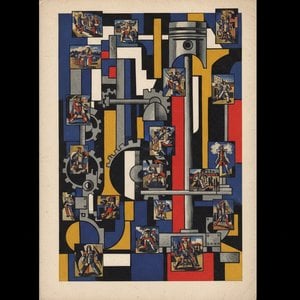
A Dialogue in Geometric Form: Examining Fernand Léger’s “Learning to Read”
Fernand Léger's "Learning to Read," painted in 1923, transcends mere depiction; it embodies a profound exploration of modernity’s influence on human experience. Captured in stark black and white photography, the image reveals two figures seated side by side, enveloped within a deliberately flattened geometric composition—a hallmark of Léger’s distinctive Cubist style. This isn't simply an illustration of literacy; rather, it’s a carefully considered meditation on communication and intellectual pursuit amidst the burgeoning industrial landscape of the era. Léger consciously rejected the expressive distortions favored by many contemporaries, opting instead for a rigorously structured aesthetic that prioritized form over illusion—a deliberate rejection of Impressionism’s shimmering surfaces in favor of the solidity and clarity of Cubist principles.The Essence of Geometric Abstraction
Léger's approach to painting stemmed from his fascination with machines and their impact on human life. He believed that art should reflect the new realities of industrial society, translating its rhythms and forms into visual language. The figures themselves are rendered as simplified geometric shapes—rectangles and triangles—creating a sense of stillness despite the implied activity of reading. This deliberate reduction isn’t an abandonment of observation but rather a transformation of it; Léger seeks to distill the essence of his subject matter, presenting it in its purest form. The absence of shading or texture reinforces this impression of flatness, emphasizing the geometric structure and conveying a feeling of calm contemplation—a counterpoint to the perceived chaos of the industrial age.Historical Context: Embracing Futurism’s Legacy
“Learning to Read” sits firmly within the broader context of Cubism and Futurism, movements that revolutionized artistic expression in the early 20th century. Léger was deeply influenced by Filippo Tommaso Marinetti's Futurist Manifesto, which championed speed, dynamism, and technological advancement. Like Marinetti’s fellow artists, Léger embraced abstraction as a means of capturing these concepts—a bold departure from traditional representational art. The photograph itself dates back to 1923, marking the peak of Léger’s artistic output during this pivotal period. It reflects the anxieties and aspirations of a generation grappling with rapid industrialization and questioning established cultural norms.Symbolism Beyond Representation
Despite its apparent simplicity, “Learning to Read” is laden with symbolic significance. The books represent knowledge and education—values that Léger considered crucial for navigating the complexities of modern life. However, Léger doesn’t portray these figures as engaged in a conventional act of reading; rather, they appear to be absorbed in their own internal worlds, suggesting a deeper contemplation beyond mere textual comprehension. This subtle gesture speaks to the transformative potential of art—its ability to provoke thought and inspire emotion without resorting to literal depiction. The geometric forms themselves symbolize stability and order amidst the perceived instability of the industrial world, representing Léger’s belief that artistic abstraction could offer solace and guidance in an era defined by change.Emotional Resonance: Quiet Reflection Amidst Progress
Ultimately, “Learning to Read” succeeds in conveying a powerful emotional resonance—a quiet reflection on the pursuit of knowledge and understanding within the context of technological advancement. The photograph captures a moment of serene concentration, inviting viewers to consider the importance of intellectual curiosity and inner peace as they confront the challenges of the modern world. Léger’s masterful use of geometric abstraction elevates this seemingly straightforward subject matter into an enduring symbol of humanist values—a testament to his unwavering conviction that art could illuminate the human condition while simultaneously embracing the transformative forces shaping our time.


작가 약력
르네상스에서 기계의 시대로: 페르낭 레제의 삶과 예술
페르낭 레제는 1881년 노르망디의 아쟁탕에서 태어났으며, 그의 이름은 20세기 미술사의 중요한 전환점을 상징합니다. 농부의 아들로 태어나 건축을 공부했지만, 결국 회화에 전념하며 현대 미술의 새로운 지평을 열었습니다. 레제의 삶은 자연과 산업, 유기체와 기계 사이의 끊임없는 긴장 속에서 펼쳐졌으며, 그의 예술은 이러한 긴장을 시각적으로 표현하고 조화시키려는 노력의 결과였습니다. 초기에는 전통적인 회화 교육을 받았지만, 폴 세잔의 작품을 접한 이후 그의 예술적 여정은 완전히 새로운 방향으로 나아갔습니다. 세잔의 형태 분석과 구조에 대한 탐구는 레제에게 기존의 재현 방식에서 벗어나 자신만의 독특한 시각 언어를 구축하도록 영감을 주었습니다.입방주의를 넘어선 ‘튜브즘’의 탄생
레제는 입방주의 운동에 참여했지만, 피카소나 브라크의 스타일을 단순히 모방하는 데 그치지 않았습니다. 그는 자신만의 독특한 표현 방식을 발전시켜 “튜브즘(Tubism)”이라는 새로운 용어를 낳았습니다. 튜브즘은 원통형 형태, 평면적인 비행기, 대담한 색상 대비를 특징으로 하며, 기계의 미학을 예견하는 듯한 강렬함을 지닙니다. 레제의 작품 속에서 우리는 단순화된 인물과 기하학적 형태들이 조화를 이루며 현대 사회의 역동성을 표현하고 있습니다. 1909년 몽파르나스로 이주하여 알렉산드르 아르치펜코, 자크 리피츠, 샤임 수틴 등 당대 최고의 예술가들과 교류하며 그의 예술적 실험은 더욱 가속화되었습니다. 특히 ‘황금 비율(Section d’Or)’ 그룹에 참여하면서 수학적 원리를 활용한 작품들을 선보이며 입방주의의 새로운 가능성을 탐구했습니다.전쟁과 기계 문명, 그리고 새로운 미학
제1차 세계 대전은 레제의 삶과 예술에 깊은 영향을 미쳤습니다. 전장에서 경험한 참혹함은 그에게 전쟁이라는 현실을 직시하게 했으며, 동시에 기계 문명의 힘과 효율성에 대한 그의 관심을 더욱 증폭시켰습니다. 군 복무 중 스케치한 작품들은 파괴의 도구인 군사 기술을 예술적 대상으로 승화시키는 듯한 인상을 줍니다. 전후 시대에 레제는 산업 사회의 역동성을 반영하는 작품들을 제작하며, 기계적인 요소와 유기적인 형태를 결합하여 독특한 시각적 조화를 이루어냈습니다. *살롱에서 만난 여인들*과 같은 작품들은 단순화된 인물들과 간결한 배경이 어우러져 현대 도시의 활력을 생생하게 전달합니다.팝 아트의 선구자, 그리고 유산
레제의 예술은 2차 세계 대전 이후 더욱 추상적인 경향을 보이며 색채와 형태의 투명성을 강조했습니다. 그의 작품들은 기계 문명의 아름다움을 찬양하는 동시에 인간 존재의 의미를 탐구하는 듯한 깊이를 지닙니다. 레제는 회화뿐만 아니라 조각, 영화 등 다양한 매체를 통해 자신의 예술적 비전을 확장했으며, 이는 후대 예술가들에게 큰 영향을 미쳤습니다. 특히 그의 작품은 팝 아트 운동의 등장에 중요한 토대를 마련했습니다. 로이 리히텐슈타인이나 앤디 워홀과 같은 예술가들은 레제의 대담한 형태 단순화와 산업 이미지 활용 방식에서 영감을 얻어 자신들의 독창적인 스타일을 구축했습니다. 오늘날 페르낭 레제의 작품은 전 세계 주요 미술관에 소장되어 있으며, 그의 유산은 현대 미술의 중요한 한 페이지를 장식하고 있습니다. 그는 기계 문명의 시대를 예술적으로 해석하고 표현한 선구자로서, 끊임없이 변화하는 시대 속에서 인간과 기술의 관계를 탐구하는 예술가들의 영원한 스승으로 기억될 것입니다. 그의 작품은 단순한 그림이 아닌, 현대 사회에 대한 깊은 성찰이자 미래를 향한 긍정적인 시각을 담고 있습니다.
페르난 레제
1881 - 1955 , 프랑스
주요 정보
- 국적: 프랑스
- 사망일: 1955년 8월 17일
- 영향을 받은 예술 사조: ['팝 아트']
- 영향을 준 예술가: ['폴 세잔']
- 예술 사조: 입체주의, 튜브즘
- 전체 이름: 페르난 레제
- 주요 작품:
- 시티드 우먼
- 머신 엘리먼트
- 그레이트 퍼레이드
- 더 시티
- 출생일: 1881년 2월 4일
- 출생지: 아쟁탕, 프랑스
관련 기사 더 보기
페르낭 레제 최고 걸작 25선: 현대 미술의 거장을 만나다 | ArtsDot
페르낭 레제의 최고 걸작 25선을 만나보세요. 큐비즘, 추상 미술의 거장이 그린 명작들의 탄생 비화와 예술적 의미를 탐구합니다. ArtsDot에서 고품질 아트 프린트와 인테리어 액자로 공간에 예술을 더하세요. 지금 바로 컬렉션을 확인하세요!

White on Canvas: 10 Masterpieces & Timeless Elegance for Your Home Decor
Explore 10 iconic white paintings by Monet, Whistler & Rothko! Discover the stories behind these serene masterpieces and their impact on art history. Find museum-quality reproductions for your home decor at .

Dark Masterpieces: 10 Iconic Paintings Dominated by Black Tones |
Explore 10 iconic paintings dominated by black tones, from Rembrandt’s chiaroscuro to Goya's dark expressions. Discover the stories behind these masterpieces & find museum-quality art reproductions for your home at .

Giclée Prints: Archival Quality & Aesthetic Nuances for the Discerning Collector
Explore the world of giclée prints with ArtsDot. Learn about archival quality, aesthetic nuances & investment potential. Expert guidance for discerning art collectors seeking museum-quality reproductions and lasting value.

Monochrome Visions: Exploring the Aesthetic & Historical Significance of Black & White Photography
Explore the rich history & artistic power of black and white photography. From early techniques to iconic masters like Ansel Adams, discover why monochrome continues to captivate art lovers today. Expert insights for collectors.



