


 실제 크기로 보기
 보내기
보내기 공유하기
공유하기
 상세 보기
상세 보기 가이드 보기

 이미지 다운로드
 유사 작품 더 보기
 X-레이
X-레이 슬라이드 쇼 보기
 통계 정보
통계 정보Abel widmer


 상세 보기
상세 보기
지클레 / 아트 프린트
빠른 제작과 다양한 마감 옵션을 선택할 수 있는 박물관 수준의 지클레이 및 캔버스 프린트. ( 수작업 채색 복제본 주문하기 디지털 이미지 판매 채널로 전환)




P118B ₩10

P118H ₩10

P118W ₩10

P438Z ₩10

P508JH ₩12

P508YH ₩12

P805H ₩10

P805Z ₩10

P919BZ ₩10

P919G ₩10

P919XJ ₩10

P959ZH ₩10

P968JZ ₩12

W106C ₩8

W218G ₩10

W218JH ₩8

W218Y ₩10

W307PJ ₩10

W316G ₩10

W316PJ ₩8

W316Y ₩10

W398PJ ₩8

W4111J ₩10

W500HY ₩15

W500JH ₩15

W692G ₩12

W849H ₩8

W940BG ₩15

W953PJ ₩8




작품의 원본 비율을 그대로 유지하는 프리셋 사이즈 중에서 선택해 보세요.

특정 프레임이나 공간에 맞춰 직접 치수를 입력하실 수 있습니다. 선택하신 사이즈가 원본 이미지의 비율과 일치하지 않을 경우, 작품을 크롭(자르기)하거나 이미지를 대칭 또는 단색 채우기로 확장하여 제작합니다. 제작 시작 전, 최종 확인을 위해 디지털 목업이 전송됩니다.
화면상의 미리보기는 실제 크롭이나 확장 상태를 반영하지 않으므로, 최종 구도는 오직 목업을 통해서만 정확하게 확인하실 수 있습니다.
맞춤 사이즈 제작도 가능하지만, 원본 비율을 유지하기 위해서는 사전 정의된 목록에서 치수를 선택하시는 것을 권장합니다.


 유리 옵션은 110cm 미만 크기에서만 선택 가능합니다.

Abel widmer
지클레 / 아트 프린트
복제본 규격
-


총 결제 금액
₩ 83398
Eugène Delacroix’s “Abel Widmer”: A Portrait of Intensity
“Abel Widmer,” painted circa 1824 by Eugène Delacroix, is more than just a portrait; it's a carefully constructed tableau of youthful intensity and burgeoning intellect. This captivating work, now residing in the National Gallery in London, offers a rare glimpse into the mind of a young man on the cusp of adulthood – Abel Widmer himself – and reveals Delacroix’s masterful command of color, composition, and dramatic lighting, hallmarks of his pivotal role in the French Romantic movement.
Delacroix's artistic journey was profoundly shaped by the preceding generations. He deeply admired the Baroque masters, particularly Peter Paul Rubens, whose dynamic brushwork and vibrant palette he sought to emulate. Simultaneously, he found inspiration in the Venetian Renaissance, absorbing its emphasis on color and movement – a departure from the prevailing Neoclassical restraint of the time. This dual influence is strikingly evident in “Abel Widmer,” where the rich, saturated hues of the background—deep blues and greens that evoke both mystery and contemplation—are juxtaposed with the warmer tones of Widmer’s skin, creating a visual tension that mirrors the subject's own internal state.
The Subject: A Young Man Defined by Resolve
Abel Widmer himself was a student at the Institution Saint-Victor in Paris, a prestigious secondary school. Delacroix captured him not as a carefree youth, but as a young man already imbued with a certain seriousness and determination. His stern expression—a direct gaze that meets the viewer’s eye—immediately commands attention. It's a face etched with thoughtfulness, hinting at an inquisitive mind and perhaps even a touch of melancholy. The carefully chosen attire – a crisp white shirt and tie – speaks to his status and aspirations, suggesting a young man poised for success within the established order, yet subtly resisting its constraints.
Delacroix’s technique is equally compelling. He employs loose, expressive brushstrokes—a characteristic of Romanticism—to convey movement and energy. The paint seems to shimmer and vibrate, particularly in the background, creating a sense of depth and atmosphere. Notice how Delacroix doesn't meticulously render every detail; instead, he relies on suggestive strokes and carefully placed highlights to create an impression of reality rather than a photographic likeness. This approach aligns perfectly with the Romantic emphasis on emotion and subjective experience.
Delacroix’s Style & Influences
“Abel Widmer” exemplifies Delacroix's signature style, which evolved dramatically throughout his career. Initially influenced by Neoclassical principles, he quickly embraced a more daring and expressive approach, drawing inspiration from Spanish masters like Diego Velázquez and the dramatic intensity of scenes depicted in works such as “Ovid Among the Scythians,” housed at the National Gallery. The painting’s composition—a carefully balanced arrangement of form and color—reflects Delacroix's understanding of visual harmony and his ability to create a powerful emotional impact.
The portrait also demonstrates Delacroix’s fascination with exotic themes, a trait that would become increasingly prominent in his later works. While “Abel Widmer” is rooted in the familiar setting of Parisian society, it possesses an underlying sense of drama and mystery—qualities that resonate deeply within the Romantic sensibility. It's a testament to Delacroix’s ability to infuse even a seemingly straightforward portrait with layers of meaning and emotional resonance.
A Legacy of Color & Passion
“Abel Widmer” stands as a pivotal work in Delacroix’s oeuvre, showcasing his artistic evolution and solidifying his position as a leading figure in the French Romantic movement. Reproductions offer an exceptional opportunity to appreciate the painting's intricate details and vibrant colors, bringing this compelling portrait into any home or collection. Consider exploring other works by Delacroix, such as “Christ on the Cross” and “Liberty Leading the People,” to further immerse yourself in his world of color, passion, and dramatic intensity. For a deeper dive into the artist’s life and work, visit Eugène Delacroix's page on ArtsDot.com or explore the Musée Eugène Delacroix in Paris.
질의응답
외젠 들라크루아의 "Abel widmer"에 대한 가이드가 있나요?
외젠 들라크루아의 "Abel widmer"의 가이드 페이지에서는 인쇄 가능한 두 장 분량의 학습용 팩트시트를 제공합니다. 여기에는 작품과 작품 정보표, 작가의 생애 속 시기를 보여주는 연대기, 해당 작가의 다른 작품들, 측정된 컬러 팔레트, 그리고 네 가지 스타일로 바로 복사하여 사용할 수 있는 인용 문구가 포함되어 있습니다.
"Abel widmer"은(는) 어느 작가의 작품인가요?
"Abel widmer"은(는) 외젠 들라크루아의 작품입니다. 이 페이지의 정보는 외젠 들라크루아의 원작에 대해 설명합니다.
외젠 들라크루아의 "Abel widmer"은 밝은 분위기의 작품인가요, 아니면 어두운 분위기의 작품인가요?
시각적 밝기 측면에서 볼 때, 외젠 들라크루아의 "Abel widmer"은(는) deep_shadow 수준입니다.
외젠 들라크루아의 "Abel widmer"의 수작업 복제화를 어디에서 구매할 수 있나요?
외젠 들라크루아의 "Abel widmer"의 수작업 복제화는 본 웹사이트의 리넨 캔버스 위에 손으로 직접 그린 유화 복제화에서 만나보실 수 있으며, 현재 페이지를 통해 주문 가능합니다.
"Abel widmer" 작품을 파인 아트 프린트로 구매할 수 있나요?
외젠 들라크루아의 "Abel widmer"의 프린트는 현재 페이지에서 바로 주문하실 수 있습니다: 코튼 캔버스 또는 아카이브용 캔버스지에 인쇄된 파인 아트 프린트.
"Abel widmer"의 미리보기를 어디에서 볼 수 있나요?
외젠 들라크루아의 "Abel widmer"의 복제본을 미리 보려면 작품의 미리보기 페이지를 열어주세요.
"Abel widmer" 작품을 증강 현실(AR)로 미리 볼 수 있나요?
호환 가능한 기기에서 증강 현실(AR) 기능을 사용하면, 작품의 AR 미리보기 페이지를 통해 외젠 들라크루아의 "Abel widmer"을(를) 고객님의 벽에 미리 배치해 볼 수 있습니다.
관련 작품들


작가 소개
혁명의 붓: 외젠 들라크루아의 삶과 유산
1798년 파리 근교 샤랑통-생모리스에서 태어난 페르디낭 빅토르 외젠 들라크루아는 단순한 화가를 넘어, 낭만주의 정신을 체현한 인물이었다. 격동적인 사회 변화와 미적 이상이 교차하던 프랑스 미술계에 등장하여, 들라크루아는 신고전주의의 엄격한 형식주의를 거부하고 드라마, 감정, 그리고 회화의 흐름을 영원히 바꿀 생생한 색채를 포용했다. 개인적인 비극으로 점철된 그의 삶은 숭고함을 포착하고, 이국적인 영역을 탐구하며, 인간 경험의 원초적인 힘을 표현하려는 예술적 비전과 불가분의 관계가 되었다.
들라크루아의 어린 시절은 복잡한 가족사와 다소 연약한 건강으로 특징지어졌다. 열여섯 살에 고아가 된 그는 찰스-모리스 드 탈레랑-페리고르라는 영향력 있는 인물의 지도를 받았다. 많은 이들이 그를 자신의 친부로 여겼다. 이러한 관계는 파리 미술계에 대한 중요한 후원과 접근성을 제공했다. 처음에는 존경받는 아카데미 화가인 피에르-나르시스 구랭에게 배웠지만, 테오도르 제리코의 작품—특히 기념비적인 <메두사호의 징벌>—이 그의 예술적 열정을 진정으로 불붙였다. 그는 심지어 제리코를 위해 포즈를 취하며, 선배 화가의 사실주의와 감정 강렬함에 몰입했다.
역사적 장면에서 이국적인 비전으로
들라크루아는 1822년 살롱에 <지옥의 단테와 베르길리우스>를 선보이며 미술계에 등장했고, 이는 기존 규범으로부터의 그의 결별을 즉시 알렸다. 단테 알리기에리의 <인페르노>에서 영감을 받은 이 작품은 대담한 색채 사용, 역동적인 구도, 그리고 심리적 불안감으로 주목받았다. 이것은 열정, 갈등, 인간 조건이라는 주제를 탐구하는 데 헌신한 그의 경력의 시작을 알렸다. 처음에는 비평가들의 반응이 엇갈렸지만—일부에서는 그의 독창성을 칭찬했지만, 다른 일부에서는 그의 작품을 혼란스럽고 고전적인 세련됨이 부족하다고 일축했다—들라크루아는 끈기 있게 자신만의 스타일을 발전시켜 느슨한 붓놀림, 풍부한 질감, 그리고 움직임에 대한 강조를 특징으로 했다.
그의 관심사는 역사적이고 문학적인 주제를 넘어 확장되었다. 1832년 북아프리카로의 중요한 여정은 그의 예술적 궤적에 심오한 영향을 미쳤다. 모로코의 활기찬 문화에 몰입하면서, 들라크루아는 이국적인 풍경, 아랍 부족의 유목 생활 방식, 그리고 그들의 전통의 강렬함에 매료되었다. 이러한 경험은 <싸우는 아랍 말>과 알제리 생활에 대한 수많은 연구에서 볼 수 있듯이 그의 그림에 새로운 색채, 빛, 에너지를 불어넣었다. 그는 단순히 이 장면들을 기록한 것이 아니라, 자신의 문화와 극명하게 다른 문화의 근본적인 정신을 이해하려고 노력했다.
색채의 힘과 정치적 참여
들라크루아의 색채에 대한 숙달은 아마도 그의 가장 지속적인 유산일 것이다. 그는 루벤스의 바로크 풍요로움과 베네치아 르네상스 거장들에게서 영감을 받아, 정확한 초안보다 채색 강도를 우선시했다. 그는 색채가 감정을 불러일으키고, 분위기를 조성하고, 선만으로는 할 수 없는 방식으로 의미를 전달할 수 있다는 것을 이해했다. 이러한 혁신적인 접근 방식은 인상주의와 후기 인상주의의 발전을 위한 길을 열었다.
미학적 혁신 외에도 들라크루아는 정치적으로 참여하는 예술가였다. 그의 가장 상징적인 작품인 <민중을 이끄는 자유의 여신>(1830)은 단순히 7월 혁명을 묘사한 것이 아니라, 자유와 반란에 대한 강력한 우화이다. 그림의 역동적인 구도, 알레고리적 인물, 그리고 날 것의 감정적인 힘은 프랑스 국가 정체성의 상징이자 혁명적 이상을 나타내는 예술 역사에서 확고한 위치를 굳혔다. 그것은 단순히 사건을 기록하는 것이 아니라, 자유를 위해 싸우는 한 나라의 정신을 포착하는 것이었다.
지속적인 영향
들라크루아는 생애 동안 꾸준히 작품 활동을 이어갔으며, 셰익스피어 비극에서 성경 이야기까지 다양한 주제를 탐구했다. 그는 또한 윌리엄 스콧과 요한 볼프강 폰 괴테와 같은 문학 거인의 작품을 삽화로 제작하는 데 중요한 기여를 했다. 그의 작업실은 독특한 접근 방식에 매료된 야심 찬 화가들을 끌어모으는 예술 교류의 중심지가 되었다.
1863년 사망 당시 들라크루아는 프랑스 최고의 예술가 중 한 명으로 확고히 자리 잡았다. 그의 영향력은 낭만주의 운동을 넘어 현대 회화의 발전을 형성하고, 대담한 색채 사용, 역동적인 구도, 그리고 감정 표현에 대한 흔들리지 않는 헌신으로 수많은 예술가들에게 영감을 주었다. 그는 개인적인 비전과 숭고함의 지속적인 매력에 대한 증거인 미술 역사에서 중요한 인물로 남아 있다.

외젠 들라크루아
1798 - 1863 , 프랑스
작가 정보 요약
- Artistic Movement Or Style: 낭만주의
- Artists Or Movements Influenced By This Artist:
- 인상주의
- 후기 인상주의
- Artists Who Influenced This Artist:
- 뤼벤스
- 베네치아 르네상스 화가들
- Date Of Birth: 1798년 4월 26일
- Date Of Death: 1863년 8월 13일
- Full Name: 외젠 들라크루아
- Nationality: 프랑스
- Notable Artworks (List Of Titles):
- 민중을 이끄는 자유의 여신
- 사르다나팔루스의 죽음
- Place Of Birth (City And Country): 프랑스 샤토네이
관련 기사

The Raw Emotion of Expressionism: A Deep Dive into its History, Characteristics & Enduring Influence
Explore the raw emotion of Expressionism with ArtsDot. Discover its history, key artists like Kirchner & Munch, and lasting influence on modern art. Expert insights for collectors & enthusiasts.

Ferdinand Delacroix: Romanticism's Revolutionary Brush – A Study of Passion, Politics, and Painterly Innovation
Explore the revolutionary art of Eugène Delacroix, leader of French Romanticism. Discover his masterful use of color, political engagement, and lasting influence on modern painting. Learn about key works & history.

German Expressionism's 10 Defining Masterpieces | Art for Your Home
Explore 10 defining German Expressionism masterpieces – from Munch's 'The Scream' to Kandinsky’s abstracts. Discover the artists, stories & bold colors behind this powerful art movement. Find museum-quality reproductions at ArtsDot.com.
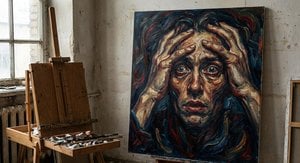
Figurative Expressionism: Emotional Intensity & Subjective Reality in 20th-Century Art
Explore the powerful world of Figurative Expressionism with ArtsDot. Discover key artists like Kirchner & Beckmann, understand its emotional depth, and learn how to collect this influential 20th-century art movement.

낭만주의 예술을 빛낸 10대 걸작: 감동과 상상의 향연 | 와후아트
낭만주의 예술의 정수를 담은 10대 걸작을 만나보세요! 들라크루아, 프리드리히 등 거장의 작품 비하인드 스토리와 감동적인 표현 기법을 탐구하고, 와후아트에서 고품질 아트 프린트로 당신의 공간에 예술적 영감을 더하세요. 지금 바로 온라인 갤러리에서 모든 걸작을 발견해보세요!


