


 미리보기
미리보기
 프린트 구매
 공유하기
공유하기 공유하기
공유하기
 상세 정보
상세 정보

 다운로드
다운로드
 유사 작품
유사 작품 X-레이
X-레이 슬라이드 쇼
Désolation

 더 보기
더 보기




































작품의 원본 비율을 유지하는 미리 설정된 크기 중에서 선택하세요.

특정 프레임이나 공간에 맞도록 직접 크기를 입력할 수 있습니다. 선택하신 크기가 원본 이미지의 비율과 일치하지 않는 경우, 작품을 자르거나 추가적인 손으로 그린 요소를 사용하여 그림을 확장합니다. 제작 시작 전 승인을 위해 디지털 목업을 보내드립니다.
화면 미리 보기는 실제 자르기 또는 확장을 반영하지 않습니다. 최종 구성은 목업을 통해서만 정확하게 확인하실 수 있습니다.
맞춤 크기 제작도 가능하지만, 원본 비율을 유지하기 위해 사전 정의된 목록에서 크기를 선택하시는 것을 권장합니다.
주문 후 ArtsDot.com 팀에서 상세 안내를 위해 고객님께 이메일을 보내드리며, 미리보기 시안을 제공해 드립니다.


 유리 옵션은 110cm 미만 크기에서만 선택 가능합니다.

Désolation
재현 기법
복제본 크기
-


최종 결제 금액
$ 263
유사한 작품들


작가 약력
Espérance Léon Broquet: A Painter of WWI’s Echoes
Espérance Léon Broquet (1869-1935) was a French landscape painter whose work stands as a poignant testament to the impact of World War I on rural France. Born in Paris, his artistic journey began with a formal training at the École des Beaux-Arts, yet it was his experiences during the conflict and subsequent travels that profoundly shaped his distinctive style and subject matter. Broquet’s paintings aren't merely depictions of landscapes; they are imbued with a melancholic beauty, capturing the devastation and resilience of a nation grappling with loss and transformation. He developed a unique approach, blending elements of Impressionism, Post-Impressionism, and Symbolism to create images that resonate with both visual power and emotional depth.Early Life and Artistic Beginnings
Léon Broquet’s early life offered little indication of the profound artistic talent he would later cultivate. He initially pursued a career as a clerk before dedicating himself fully to painting in his late twenties. This deliberate shift reflects a desire for creative fulfillment, a yearning to translate the world around him onto canvas with an intensity that office work could never provide. His initial training at the École des Beaux-Arts provided him with foundational skills, but it was through independent study and experimentation that he began to forge his own artistic voice. Early works often featured urban scenes and portraits, demonstrating a technical proficiency but lacking the distinctive emotional resonance that would characterize his later landscapes.The Influence of Travel and War
A pivotal moment in Broquet’s artistic development occurred during his travels through Spain and Portugal in the late 1890s. These journeys exposed him to a radically different visual landscape – sun-drenched hillsides, dramatic coastlines, and a vibrant color palette that profoundly influenced his approach to painting. However, it was the outbreak of World War I that truly ignited his creative fire. Serving as a military observer, Broquet witnessed firsthand the widespread destruction and human suffering inflicted by the conflict. This experience became the bedrock of his artistic output during and after the war years. He began to focus almost exclusively on depicting the ravaged landscapes of France – the scarred fields, abandoned villages, and desolate roads—transforming them into powerful symbols of loss and remembrance.A Distinctive Style: Symbolism and Atmospheric Depth
Broquet’s artistic style is immediately recognizable for its atmospheric depth and evocative use of color. He eschewed bright, cheerful palettes in favor of muted tones – ochres, browns, grays, and blues—that perfectly capture the somber mood of his subjects. His brushwork is often loose and expressive, creating a sense of movement and instability that mirrors the turbulent emotional landscape he portrays. Crucially, Broquet employed Symbolist techniques to imbue his landscapes with deeper meaning. He frequently included subtle symbolic elements – a solitary tree, a crumbling farmhouse, or a distant figure—to suggest themes of loss, memory, and the enduring spirit of humanity in the face of adversity. His paintings are not simply representations of places; they are meditations on the human condition.Major Works and Legacy
Among Broquet’s most celebrated works are *La Vallée de la Drole* (1918), a haunting depiction of a ravaged valley in the Somme region, and *Le Chemin de Fer Abandonné* (1920), which portrays an abandoned railway line as a metaphor for shattered lives. These paintings, along with many others, became powerful emblems of France’s wartime experience. Broquet's work gained recognition during his lifetime, though he never achieved widespread fame. He was part of the *Société des Artistes Indépendants*, a prominent group that championed innovative artistic practices. Today, Espérance Léon Broquet is recognized as a significant figure in French landscape painting, particularly for his unflinching portrayal of WWI’s impact on the French countryside and his masterful use of symbolism to convey profound emotional truths. His paintings continue to resonate with viewers, offering a poignant reminder of the enduring power of art to bear witness to history and explore the complexities of human experience.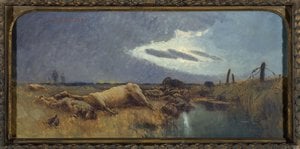
espérance léon broquet
1869 - 1935
주요 정보
- Artistic Movement Or Style: Post-Impressionism
- Artists Or Movements Influenced By This Artist: ['French landscape art']
- Artists Who Influenced This Artist: ['Impressionists']
- Date Of Birth: 1869
- Date Of Death: 1935
- Full Name: Espérance Léon Broquet
- Nationality: French
- Notable Artworks:
- WWI Landscapes
- Rural war scenes
- Place Of Birth: Paris, France
관련 기사 더 보기

Ferdinand Guillaumin: Impressionism’s Lyrical Landscapes & the French Countryside
Explore the captivating landscapes of Ferdinand Guillaumin, a key figure in Impressionism. Discover his vibrant color palettes, symbolic style & lasting legacy with ArtsDot.

Léon Augustin L'Hermitte: Capturing the Soul of French Rural Life
Discover the captivating realist paintings of Léon Augustin L'Hermitte, masterfully depicting French rural life. Explore his technique, influences & legacy – a cornerstone of 19th-century art.
인상주의 풍경화의 황홀한 순간들: 10대 걸작에 담긴 예술혼
인상주의 풍경화의 정수를 담은 10대 걸작! 모네, 르누아르 등 거장의 작품 비하인드 스토리와 예술혼을 만나보세요. ArtsDot에서 고품격 미술 복제 및 인테리어 영감을 얻고, 당신의 공간에 예술적 감성을 더하세요. 지금 바로 ArtsDot.com에서 모든 걸작을 발견해보세요!

The Subdued Palette: Exploring Emotional Resonance & Aesthetic Impact in Muted Artworks
Explore the power of muted colors in art! Discover the history, psychology & techniques behind serene palettes. Find inspiration & expert advice for creating emotionally resonant spaces with ArtsDot.

Oil on Canvas Masters: 10 Paintings That Redefined Art History |
Journey through art history with our guide to 10 legendary oil on canvas masterpieces! Explore iconic works by Van Gogh, Monet & Rembrandt. Find museum-quality reproductions and elevate your home decor at . Discover all masterpieces online.

