


선택하신 옵션에 따른 작품 정보입니다: , .
수집품 상세 설명
Experience the raw emotion of Kirchner's 'Dancing Couple,' an Expressionist masterpiece depicting vulnerability and intimacy through dynamic brushstrokes and bold colors.
 더 보기
더 보기
핸드메이드 유화 복제화
작가가 직접 캔버스에 손으로 그린 유화 작품으로, 원하는 크기와 액자로 맞춤 제작해 드립니다. ( 프린트 판매로 전환 디지털 이미지로 전환)
이 작품에 대해 더 알아보기
 미리보기
미리보기
 공유하기
공유하기 공유하기
공유하기
 상세 정보
상세 정보 가이드 보기

 다운로드
다운로드
 유사 작품 더 보기
 X-레이
X-레이 슬라이드 쇼 보기
 질의응답
질의응답 통계 정보
통계 정보단 네 단계로 완성되는 간편한 작품 주문 방법
천천히 진행하셔도 좋습니다. 답변은 언제든 변경할 수 있으며, 선택 사항에 따라 주문 카드 내의 가격이 실시간으로 반영됩니다.
1 4단계 중 1단계
원하시는 사이즈를 선택해 주세요.
이 사이즈들은 원작의 비율을 그대로 유지합니다. 그림 속 예시는 2미터 길이의 소파 위 벽면에 선택하신 작품을 배치했을 때의 모습입니다.
또는 직접 치수 입력하기
작품의 원본 비율을 그대로 유지하는 프리셋 사이즈 중에서 선택해 보세요.

액자나 벽면 크기에 맞춰 필요한 가로와 세로 길이를 입력해 주세요. 본 작품은 수작업으로 제작되므로, 요청하신 비율에 따라 작가가 그림의 가장자리를 조금 더 넓게 그리거나 일부를 조정하여 작업할 수 있습니다. 작업 시작 전, 최종 확인을 위해 디지털 목업 이미지를 보내드립니다. 이 페이지에 표시된 이미지는 실제 결과물과 다를 수 있으며, 오직 목업 이미지만이 정확한 결과물을 보여줍니다.
2 4단계 중 2단계
어떤 방식으로 준비해 드릴까요: 롤 형태로, 캔버스에 씌워서, 또는 액자에 넣어?
아래 가격은 첫 번째 단계에서 선택하신 크기를 기준으로 합니다.
캔버스 옆면 스타일 선택
프레임을 선택하세요

화이트 테두리 ₩1

블러사이드 ₩1

옆면 확장형 ₩1

P118B ₩10

P118H ₩10

P118W ₩10

P438Z ₩10

P508JH ₩12

P508YH ₩12

P805H ₩10

P805Z ₩10

P919BZ ₩10

P919G ₩10

P919XJ ₩10

P959ZH ₩10

P968JZ ₩12

W106C ₩8

W218G ₩10

W218JH ₩8

W218Y ₩10

W307PJ ₩10

W316G ₩10

W316PJ ₩8

W316Y ₩10

W398PJ ₩8

W4111J ₩10

W500HY ₩15

W500JH ₩15

W692G ₩12

W849H ₩8

W940BG ₩15

W953PJ ₩8

H24-GOLD ₩30

H24-SILVER ₩30

H36-GOLD ₩45

H36-SILVER ₩45
액자형
몰딩: . 액자 포함 전체 크기: .
3 4단계 중 3단계
그림에서 변경하고 싶은 부분이 있으신가요?
대부분의 사람들은 아니라고 답합니다. 모든 작품은 수작업으로 제작되기에, 저희 작가는 고객님의 요청에 맞춰 작품을 변경해 드릴 수도 있습니다.
주문 완료 후, ArtsDot.com 팀에서 상세 안내를 위해 고객님께 이메일을 보내드리며, 시안 미리보기를 제공해 드립니다.
4 4단계 중 4단계
몇 가지 마감 옵션
모두 선택 사항입니다. 이미 선택된 답변에 대해서는 추가 비용이 발생하지 않습니다.
작가는 누구인가요?
박물관에 있는 것과 같은 명판을 원하시나요?
동판 각인 상세 정보
This elegant plaque features the artist's name and the title of the artwork, finely engraved for a timeless presentation.
It is made from bronze with a refined, elegant finish. The text is precisely laser-engraved for a sharp and permanent result. Measuring 9x2 cm, the plaque is compact yet easy to read. It's built to be durable and scratch-resistant, offering a professional, museum-quality look. Mounting is simple thanks to the included adhesive backing.
투명 아크릴 명판 상세 정보
The plaque includes essential engraved details such as the artist's name, the title of the artwork, the date it was created, the type of media used-like oil on canvas or watercolor-a brief description of the piece, and a QR code that links to the complete artwork information.
It is crafted from clear acrylic, offering a sleek, modern appearance. The text is UV-engraved in black to ensure strong visual contrast. With a size of 10x15 cm, it ensures optimal readability. It comes equipped with two metal hooks for secure wall mounting. The plaque is designed to be weather-resistant, making it suitable for various environments, and it includes interactive features that work seamlessly with smartphone scanning.
블랙 아크릴 명판 상세 정보
This elegant plaque includes engraved information such as the artist's name, the title of the artwork, the date it was created, the type of media used (like oil on canvas or watercolor), a short description of the artwork, and a QR code for quick access to more information.
The plaque itself is made from refined black acrylic with a premium finish. The text is laser-engraved in white for high contrast and readability. Its size is 10x15 cm, designed to be easy to read. It comes with two metal hooks for professional mounting. The design is sleek and fits any interior style. It is also weather-resistant and durable, with built-in digital integration for mobile compatibility.
보호용 바니시를 선택하시겠습니까?
언제 받기를 원하시나요?
✓ 확인 및 주문하기
주문하신 그대로의 작품

Dancing Couple
재현 기법
복제본 크기
-

엄선된 시니어 아티스트
더욱 세밀한 묘사와 정교함, 그리고 충분한 제작 시간
-

복제화 액자 구성
-
-
가로 또는 세로 중 어느 한 면이라도 105cm(약 41인치)를 초과하는 작품이나 복제화의 경우, 프레임은 분해된 키트 형태로 배송됩니다. 이는 안전한 배송을 보장하고 운송 중 발생할 수 있는 손상을 방지하기 위함입니다.
전문가 조립 권장 - 본 제품은 DIY용이 아닙니다.
해당 키트는 숙련된 전문 프레임 제작자가 목공용 풀(별도 구매), 캔버스 스트레칭 플라이어 및 풀이 마르는 동안 나무 틀의 수평을 유지할 클램프를 사용하여 캔버스를 팽팽하게 고정하고 조립해야 합니다. 잘못된 조립이나 불균형한 캔버스 장력은 작품에 영구적인 손상을 입힐 수 있으며, 이로 인한 손상은 보증 범위에 포함되지 않습니다.
 가로 또는 세로 중 어느 한 면이라도 105cm(약 41인치)를 초과하는 작품이나 복제화의 경우, 프레임은 분해된 키트 형태로 배송됩니다. 이는 안전한 배송을 보장하고 운송 중 발생할 수 있는 손상을 방지하기 위함입니다.
모든 원목 부재가 포함되어 있으며, 조립에 딱 맞게 정밀하게 재단되었습니다.
제공된 나사와 함께, 별도로 준비해야 하는 모서리 접합부용 목공용 풀을 사용하여 조립합니다. (목공용 풀은 포함되어 있지 않으므로 제작자께서 직접 준비해 주셔야 합니다.)
전문가용 도구가 필요하며 키트에 포함되어 있지 않습니다: 캔버스 스트레칭 플라이어(텐셔너)와 접착제가 마르는 동안 나무 틀의 수평을 유지하기 위한 클램프가 필요합니다.
주의사항:
모서리 접합부에는 목공용 풀이 필요하며, 풀이 완전히 마를 때까지 클램프로 바(bar)를 고정해야 합니다. 또한 조립된 프레임에 캔버스를 팽팽하게 당기려면 캔버스 스트레칭 플라이어가 필요합니다. 이 제품들 중 어느 것도 키트에 포함되어 있지 않습니다. 이 사이즈를 주문하시기 전에 숙련된 전문 액자 제작업체를 미리 섭외하시기 바랍니다.

작품 설명문
-
-

보호용 바니시
유광 바니시(색감을 선명하게 하며 빛과 습기로부터 보호함)
-

내 작품 맞춤 설정
변경 가능한 예시: 얼굴을 고객의 사진으로 교체, 반려동물 추가(예: 고양이를 강아지로 변경), 배경에 숨겨진 메시지 삽입, 배경 풍경 또는 요소 변경.
-

빠른 배송
전 세계 배송()은 기존 5주의 표준 기간 대신 3~4주 내에 완료됩니다. (11 11월). 품질에는 어떠한 타협도 하지 않습니다.
-
특급 배송
전 세계 배송(): 약 5주 소요 (18 11월).
포함됨
최종 결제 금액
₩ 352676
유리 옵션은 110cm 미만 크기에서만 선택 가능합니다.
모든 주문에 포함되는 혜택
- 전 세계 무료 특급 배송
- 프리미엄 린넨 캔버스
- 배송 전 과정 보험 적용
- 관세 및 수입세 환급 보장 서비스
- 원본과 동일한 색상 구현 보장
- 100일 이내 반품 정책 (결함 발생 시)
- 100% 환불 보장
- 다량 구매 할인 혜택


Dancing Couple by Ernst Ludwig Kirchner: A Dynamic Expression of Modernity
- Artist: Ernst Ludwig Kirchner
- Year: Unknown (likely around 1909, based on related works)
- Medium: Oil on Canvas
- Size: Unknown
Subject and Composition
“Dancing Couple” by Ernst Ludwig Kirchner presents a vibrant and somewhat unsettling depiction of an intimate moment between a man and a ballerina. The composition is dynamic, immediately drawing the viewer's eye to the central figures engaged in a dance. The subjects are not portrayed realistically; instead, Kirchner employs distortion and exaggeration characteristic of Expressionism. The dancer’s pose suggests both grace and instability, while the man appears to be supporting her, creating a sense of precariousness within their interaction. The background is a deep blue, providing a stark contrast to the warmer tones of the figures and intensifying the focus on their relationship.
Style and Technique: Expressionism in Action
Kirchner was a key figure in the German Expressionist movement, and "Dancing Couple" exemplifies this style. Expressionism sought to convey subjective emotions and experiences rather than objective reality. This is evident in Kirchner’s use of bold colors – pinks, yellows, and blues dominate the palette – creating a visually arresting effect. The brushwork is loose and visible, contributing to a textured surface that adds to the painting's emotional intensity. Impasto techniques (thickly applied paint) further enhance this texture. Lines are used expressively, defining contours and folds in a way that prioritizes feeling over precise representation. Perspective is flattened, which contributes to the overall sense of emotional compression rather than spatial realism.
Historical Context: Die Brücke and Urban Modernity
This artwork was created during a period of significant social and cultural change in Germany. Kirchner was a founding member of "Die Brücke" (The Bridge), an artist collective formed in 1905 that aimed to break away from traditional artistic conventions. “Die Brücke” artists were deeply influenced by urban life, industrialization, and the anxieties of modernity. “Dancing Couple,” while seemingly depicting a romantic scene, can be interpreted as reflecting these broader themes – perhaps symbolizing the fragility of human connection in an increasingly impersonal world. The painting’s subject matter also reflects the popularity of ballet and theatrical performances during that era.
Symbolism and Emotional Impact
Beyond its aesthetic qualities, "Dancing Couple" carries symbolic weight. The dancer's precarious pose suggests vulnerability and dependence, while the man's support implies a complex dynamic of power and responsibility. The intense colors and distorted forms evoke a range of emotions – from excitement and passion to anxiety and unease. The painting’s overall effect is one of heightened emotionality, inviting viewers to contemplate the complexities of human relationships and the challenges of navigating modern life. It's a powerful exploration of intimacy, fragility, and the search for connection in a rapidly changing world.
질의응답
Expressionism 양식의 작품 "Dancing Couple"은 어느 나라에서 유래되었나요?
"Dancing Couple"은 독일 출신의 에른스트 루드비히 키르슈너가 Expressionism 운동의 흐름 속에서 제작한 작품입니다. 작가의 출신 배경은 이 작품을 독일 예술가들이 선보인 Expressionism 양식과 연결해 줍니다.
에른스트 루드비히 키르슈너의 "Dancing Couple"의 특징적인 기법과 화풍은 무엇인가요?
"Dancing Couple"에서 Oil On Canvas 기법은 Expressionism 사조와 만납니다.
에른스트 루드비히 키르슈너의 "Dancing Couple"의 주요 색조는 무엇인가요?
"Dancing Couple"은(는) Rosy Brown (#b6a497)이(가) 주를 이루는 Neutrals 색조로 정의됩니다.
유사한 작품들


에른스트 루드비히 키르슈너
1880 - 1938, 독일
작가 정보
유년 시절과 가족, 그리고 예술적 훈련
에른스트 루드비히 키르슈너는 1880년 5월 6일 독일 아샤펜부르크에서 태어났습니다. 그의 어린 시절은 종이 산업의 화학 기술자였던 아버지 에른스트 키르슈너의 직업적 이동에 따라 빈번한 이주가 반복되는 삶이었습니다. 이러한 유동적인 삶 속에서 가족은 1887년부터 1889년 사이 스위스 루체른 근처의 페를렌에서 머문 뒤, 1886년부터는 프랑크푸르트 암 마인에서 생활했습니다. 어린 시절의 그는 주변 환경을 예리하게 관찰하는 아이였으며, 종종 자신의 침실 창가에 앉아 지역 기차역에서 벌어지는 분주한 움직임들을 가만히 지켜보곤 했습니다.
그의 전문적인 예술가로서의 길은 결코 평탄하거나 직선적이지 않았습니다. 부모님은 처음에 아들이 사회적으로 보다 보편적인 직업을 갖기를 희망했지만, 키르슈너의 관심은 언제나 시각적인 세계를 향해 있었습니다. 1901년 학업을 마친 후, 그는 드레스덴 대학교에 입학하여 건축을 공부하기 시작했습니다. 이러한 학문적 탐구는 그에게 기술적인 규율과 기초를 제공해주었으나, 그의 진정한 열정은 다른 곳에 머물러 있었습니다. 그는 자유형 드로잉, 인체 소묘, 그리고 구도의 기본 원리를 익히는 예술 과정에 대부분의 시간을 쏟았습니다. 이러한 치열한 학습 과정은 훗날 그가 경직된 아카데믹한 전통을 넘어설 수 있게 해준 결정적인 밑거름이 되었습니다.
디 브뤼케(Die Brücke)의 탄생
1905년, 에른스트 루드비히 키르슈너는 아카데믹한 전통이 강요하는 경직된 제약으로부터 벗어나고자 했습니다. 그는 프리츠 블레일, 에리히 헤켈, 그리고 카를 슈미트-로틀루프와 뜻을 모아 디 브뤼케(Die Brücke)라는 예술가 집단을 결성했습니다. 이 그룹은 고전적인 과거와 새롭고 본능적인 시각 사이를 잇는 가교 역할을 수행했습니다. 드레스덴에 모인 이들은 형태의 급진적인 단순화와 섞이지 않은 채 빛나는 색채를 통해, 현대적 존재가 지닌 가공되지 않은 현실을 표현하고자 하는 공동의 갈망에 이끌렸습니다. 그들의 작업실은 사회적, 예술적 관습의 경계가 끊임없이 시험받는 강렬한 실험의 장이 되었습니다.
이 집단이 뿜어낸 에너지는 매우 강렬했으나, 안타깝게도 그 불꽃은 찰나였습니다. 1913년 5월 27일, 그룹은 해체되며 공식적인 협력의 마침표를 찍었습니다. 비록 초기 결속은 흩어졌지만, 새로운 예술적 공간을 개척하려는 에른스트 루드비히 키르슈너의 의지는 멈추지 않았습니다. 그는 베를린에서 막스 페히슈타인과 함께 MUIM 연구소를 공동 설립하며, 격변하는 독일 모더니즘의 풍경 속에서 자신의 입지를 더욱 공고히 다졌습니다. 그의 삶은 점점 더 파편화되어 가는 사회 속에서 진정성을 찾기 위해 끊임없이 분투해 온 여정 그 자체였습니다.
기법과 예술적 스타일
에른스트 루드비히 키르슈너의 시각적 언어는 끊임없이 요동치는, 거칠고 날카로운 에너지로 정의됩니다. 그는 아카데믹한 전통이 추구하던 매끄러운 마무리를 과감히 거부하고, 캔버스 표면에 역동적인 붓터치가 그대로 드러나는 방식을 택했습니다. 색채에 대한 그의 접근 방식 또한 자연의 재현에 머물지 않았습니다. 대신 그는 비자연적인 색조를 사용하여 관람객에게 즉각적인 감정적 파동을 일으켰습니다. 서로 충돌하는 듯한 이 강렬한 색채의 조합은 작품 속 주제들이 지닌 심리적 무게감을 투영하며 팽팽한 긴장감을 조성합니다. 특히 그의 목판화 작업에서 이러한 강렬함은 더욱 응축되어 나타나는데, 그는 역동적인 검은 선으로 나무판을 거칠게 파내려 가며 노동의 흔적을 고스란히 남겼고, 이를 통해 빛과 그림자 사이에 극명하고 리듬감 있는 대비를 만들어냈습니다.
그의 작품 속 공간 논리는 종종 불안정한 느낌을 줍니다. 그는 전통적인 원근법이 주는 안정적인 깊이감을 거부하고, 왜곡된 시점을 활용하여 움직임과 방향 상실의 감각을 암시했습니다. 이러한 왜곡은 인체의 형태에까지 확장되어, 인물과 사물은 해부학적 정확성보다는 주관적인 감정을 우선시하며 길게 늘어지거나 뒤틀린 모습으로 묘사되곤 했습니다. 이러한 스타일적 선택은 현대 삶의 광기 어린, 때로는 익명적인 맥박을 포착해내는 도구가 되었습니다. 고요한 풍경을 그리든 혼란스러운 도시의 거리를 그리든, 그의 예술은 눈에 보이는 세계와 내면의 경험 사이에서 발생하는 이 팽팽한 긴장감 속에 뿌리를 두고 있습니다.
- 베를린 거리 (Street, Berlin) (1913)
- 화가, 자화상 (Der Maler, Selbstporträt) (1919)
- 고양이와 함께한 자화상 (Self Portrait with Cat) (1919)
주요 작품과 기념비적 회화
에른스트 루드비히 키르슈너의 초기 탐구는 자연 세계와 급격히 밀려드는 현대적 시대 사이의 팽팽한 긴장감을 포착하려는 시도로 가득했습니다. 1907년에 탄생한 Landscape with houses and man은 단순한 전원 풍경의 묘사를 넘어, 변화하는 독일이 품고 있던 불안을 형상화한 걸작입니다. 이 작품은 파편화된 원근법과 눈을 자극하는 강렬한 색채를 사용하여 보는 이로 하여금 불안감을 느끼게 하는 경관을 창조해냈습니다. 이러한 왜곡과 색채에 대한 실험은 주변 세계를 바라보는 그만의 독특한 시각을 상징하는 이정표가 되었습니다.
도시의 풍경이 그의 시야를 지배하기 시작하면서, 그의 작품은 더욱 격정적이고 심리적인 색채를 띠게 됩니다. 1913년의 유화 작품인 Street, Berlin은 두 여성이 전경의 중심을 차지하고 있는 분주한 장면을 통해 도시 삶의 혼란을 생생하게 포착합니다. 인물들은 배경에 깔린 익명의 남성 군중과 극명한 대비를 이루며 저마다의 정체성을 드러냅니다. 이러한 강렬한 관찰의 태도는 개인적인 삶의 변화 속에서도 말년까지 이어졌습니다. 1919년에 그려진 Self Portrait with Cat은 두터운 임파스토 기법의 붓터치와 빨강, 노랑, 파랑이 어우러진 강렬한 색조가 특징입니다. 이 작품은 1919년의 또 다른 유화인 Der Maler, Selbstporträt와 더불어, 날카롭고 강렬한 시선을 통해 자신의 취약성을 마주하는 인간의 내면을 여실히 보여줍니다.
그의 후기 작품들 역시 주제가 풍경으로 옮겨간 뒤에도 끊임없는 불안과 에너지를 투영했습니다. 1923년 작인 Die Amselfuh는 대담한 붓놀림과 활기 넘치는 색채를 통해 탐험과 모험의 장면을 그려냈습니다. 내면의 격동을 외부의 형태적 언어로 치환해내는 그의 탁월한 능력은 예술적 여정 내내 변함없이 빛을 발했습니다.
말년의 고난과 개인적 투쟁
20세기 초반의 격동적인 시대적 풍랑은 결국 에른스트 루드비히 키르슈너의 안식처였던 작업실마저 집어삼키고 말았습니다. 제1차 세계대전이 발발하자 그는 자원하여 군에 입대했으나, 전쟁의 참혹한 경험은 그의 영혼에 깊은 균열을 남겼습니다. 극심한 정신적 붕괴를 겪은 그는 결국 군에서 제대해야만 했습니다. 이 불안정한 시기는 그의 내면 풍경이 급격히 변화하는 전환점이 되었으며, 시대가 안겨준 심리적 중압감은 그의 개인적인 안녕을 서서히 갉아먹기 시작했습니다.
독일의 정치적 기류는 그의 예술적 미학에 점점 더 적대적으로 변해갔습니다. 1937년, 나치 정권은 그의 작품들을 '퇴폐 예술'로 낙인찍었습니다. 이러한 낙인은 그의 예술 세계를 말살하려는 체계적인 탄압으로 이어졌고, 600점이 넘는 그의 작품들이 국가에 의해 매각되거나 파괴되는 비극을 맞이했습니다. 예술가로서의 존재 자체가 지워져 가는 과정은 그에게 있어 직업적, 개인적 차원의 거대한 재앙이었습니다. 이러한 박해를 피해 그는 스위스 다보스로 망명했지만, 망명 생활의 압박과 악화되는 건강 상태는 그가 감당하기에 너무나 가혹했습니다. 결국 1938년 6월 15일, 에른스트 루드비히 키르슈너는 다보스에서 스스로 생을 마감했습니다.
유산과 예술적 영향력
에른스트 루드비히 키르슈너는 독일 표현주의 운동의 핵심적인 인물로 남았으며, 격동의 시대를 정의하는 시각적 언어를 구축하는 데 결정적인 역할을 했습니다. 그의 예술적 영향력은 유럽의 국경을 넘어 멀리까지 뻗어 나갔습니다. 그의 작품은 유럽 아방가르드를 미국 관객들에게 처음으로 선보인 중요한 매개체 중 하나였으며, 북미 대륙에 새롭고도 거친 감수성을 불어넣었습니다. 이러한 예술적 노출은 현대 미술의 궤적을 바꾸어 놓았으며, 미술이 아카데믹한 전통에서 벗어나 더욱 주관적이고 심리적인 현실을 향해 나아가도록 이끌었습니다.
인간 정신의 복잡성을 탐구하는 현대 미술의 실천 방식 속에서도 그의 예술적 접근 방식은 여전히 살아 숨 쉬고 있습니다. 대상을 있는 그대로 재현하는 것보다 감정적 진실을 우선시함으로써, 그는 후대 예술가들이 색채와 형태를 내면을 탐구하는 도구로 사용할 수 있는 문을 열어주었습니다. 현대적 존재가 지닌 긴장감을 시각적 매체로 치환해낸 그의 탁월한 능력은, 디 브뤼케의 시대가 저문 후에도 그의 예술적 울림이 오랫동안 지속되도록 만들었습니다.
- 베를린 거리 (Street, Berlin)
- 고양이와 함께 있는 자화상 (Self Portrait with Cat)
- 할레의 붉은 탑 (The Red Tower at Halle)
오늘날 그의 작품을 만날 수 있는 곳
에른스트 루드비히 키르슈너의 예술적 비전은 세계 곳곳의 주요 미술관에 흩어져 있으며, 이는 그의 영향력이 국경을 넘어 얼마나 넓게 뻗어 있는지를 잘 보여줍니다. 독일에서는 베를린의 브뤼케 미술관(Brücke-Museum)이 그가 공동 창립한 예술 집단의 정신을 고스란히 간직한 채 그의 방대한 작품 컬렉션을 보존하고 있습니다. 또한 에센의 폴크방 미술관(Museum Folkwang)에는 전차 행렬이 있는 라이프치히 거리(Leipziger Straße with Electric Tram)와 페마른의 등대(Lighthouse on Fehmarn) 같은 걸작들을 포함한 여러 점의 회화 작품이 소장되어 있습니다. 이 작품들은 그의 예술 인생을 정의했던 파격적인 원근법과 강렬한 색채의 향연을 직접 마주할 수 있는 소중한 기회를 제공합니다.
그의 예술적 발자취는 뮌헨의 현대 미술 국립 미술관(Staatsgalerie Moderner Kunst)의 컬렉션으로도 이어집니다. 대서양을 건너 미국으로 눈을 돌리면, 로스앤젤레스의 해머 미술관(Hammer Museum)에서 호프만과 그의 아내(Hoffmann and Wife)와 같은 작품들을 만날 수 있습니다. 이처럼 세계 각지에 흩어진 예술적 유산들은 도시의 긴장감과 인간 형상에 대한 그의 탐구가 전 세계 관객들에게 끊임없이 말을 걸 수 있도록 해줍니다. 그의 작품을 실물로 마주한다는 것은, 에른스트 루드비히 키르슈너라는 독보적이고도 굴하지 않는 렌즈를 통해 20세기 초반의 불안정하고도 역동적인 에너지를 목격하는 일과 같습니다.
- 거리 풍경(Street Scene) (브뤼케 미술관, 베를린)
- 할레의 붉은 탑(The Red Tower at Halle) (폴크방 미술관, 에센)
- 서커스 기수(Die Zirkusreiterin) (현대 미술 국립 미술관, 뮌헨)
- 호프만과 그의 아내(Hoffmann and Wife) (해머 미술관, 로스앤젤레스)


관련 콘텐츠

The Enduring Legacy of Oil on Canvas: Technique, History & Aesthetic Impact
Explore the rich history & techniques of oil painting – from Renaissance masters to Impressionism. Discover pigments, layering methods, and why this timeless medium endures. Expert insights for artists & art enthusiasts.
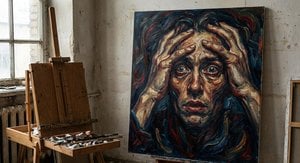
Figurative Expressionism: Emotional Intensity & Subjective Reality in 20th-Century Art
Explore the powerful world of Figurative Expressionism with ArtsDot. Discover key artists like Kirchner & Beckmann, understand its emotional depth, and learn how to collect this influential 20th-century art movement.

The Visceral Cry of a Nation: Exploring Emotion & Distortion in German Expressionism
Explore the powerful world of German Expressionism with ArtsDot. Discover Kirchner, Nolde & Die Brücke's emotive masterpieces. Learn about this pivotal art movement and its lasting impact on modern art.