


 실제 크기로 보기
 보내기
보내기 공유하기
공유하기
 상세 보기
상세 보기 가이드 보기

 이미지 다운로드
 유사 작품 더 보기
 X-레이
X-레이 슬라이드 쇼 보기
 통계 정보
통계 정보Spatial-temporal structures jaune-orange


 상세 보기
상세 보기
지클레 / 아트 프린트
빠른 제작과 다양한 마감 옵션을 선택할 수 있는 박물관 수준의 지클레이 및 캔버스 프린트. ( 수작업 채색 복제본 주문하기 디지털 이미지 판매 채널로 전환)




































작품의 원본 비율을 그대로 유지하는 프리셋 사이즈 중에서 선택해 보세요.

특정 프레임이나 공간에 맞춰 직접 치수를 입력하실 수 있습니다. 선택하신 사이즈가 원본 이미지의 비율과 일치하지 않을 경우, 작품을 크롭(자르기)하거나 이미지를 대칭 또는 단색 채우기로 확장하여 제작합니다. 제작 시작 전, 최종 확인을 위해 디지털 목업이 전송됩니다.
화면상의 미리보기는 실제 크롭이나 확장 상태를 반영하지 않으므로, 최종 구도는 오직 목업을 통해서만 정확하게 확인하실 수 있습니다.
맞춤 사이즈 제작도 가능하지만, 원본 비율을 유지하기 위해서는 사전 정의된 목록에서 치수를 선택하시는 것을 권장합니다.


 유리 옵션은 110cm 미만 크기에서만 선택 가능합니다.

Spatial-temporal structures jaune-orange
지클레 / 아트 프린트
복제본 규격
-


총 결제 금액
$ 62
A Symphony of Warmth and Geometry
In the mesmerizing realm of geometric abstraction, Spatial-temporal structures jaune-orange stands as a breathtaking testament to the power of rhythm and color. Created in 1974, this masterpiece invites the viewer into a vibrant, pulsating world where time and space seem to converge through the medium of light and line. The artwork is a dense, intricate tapestry of verticality, dominated by an energetic interplay of reds, oranges, and yellows. Rather than presenting a traditional subject, the piece focuses on the pure essence of visual movement, utilizing varying widths of stripes to create a grid-like pattern that feels both meticulously structured and wildly alive. It is a composition that does not merely sit upon the canvas but seems to vibrate with an internal heat, drawing the eye into a rhythmic dance of intersecting planes.
The technique employed in this work suggests a profound mastery over the application of pigment, likely utilizing oil or acrylic to achieve a layered depth. While the surface maintains a sophisticated smoothness, there is a subtle, tactile quality—a hint of impasto—that lends weight to each stripe, giving the colors a physical presence. This careful layering creates an illusion of depth within a flattened perspective, where overlapping bands of color suggest a complex, multi-dimensional architecture. The precision of the vertical lines provides a sense of architectural stability, yet the warmth of the palette prevents the work from feeling rigid, instead infusing it with a sense of controlled chaos and organic energy.
A Legacy of Structure and Emotion
Drawing inspiration from the mid-century modern movement and the optical illusions of Op Art, this piece bridges the gap between mathematical precision and emotional resonance. The choice of a warm, sun-drenched palette evokes feelings of vitality, optimism, and the relentless passage of time—a literal interpretation of its "spatial-temporal" title. For the discerning collector or interior designer, this artwork offers more than just visual interest; it provides a focal point of profound character. Its structured nature makes it an ideal anchor for contemporary spaces, where its bold stripes can interact with modern architecture to create a sense of height and dynamism.
To possess a reproduction of such a work is to bring a piece of rhythmic history into one's personal sanctuary. Whether placed in a minimalist gallery setting or integrated into a richly textured living space, Spatial-temporal structures jaune-orange acts as a window into a world of pure sensation. It challenges the viewer to find beauty in the repetition and meaning in the abstract, offering a continuous loop of discovery through its shifting hues and intersecting paths. It is an investment in atmosphere, a celebration of color, and a timeless tribute to the enduring allure of geometric harmony.


작가 소개
The Architect of Space and Time: The Life of Enrique Timoteo González de Careaga y Bishop
Enrique Timoteo González de Careaga y Bishop stands as a fascinating testament to the multifaceted talents of early 20th-century Spain. Born in Madrid in 1872, he was a man who seamlessly blended seemingly disparate disciplines—a rare convergence that profoundly shaped his artistic output and cemented his legacy within the annals of Spanish art history. His life began amidst the burgeoning industrial landscape of Europe, an environment that equipped him with technical engineering skills that would later inform his precise approach to visual representation. Yet, beyond the blueprints and calculations, he was a man driven by a profound passion for movement and competition, most notably through his influential role in the world of football.
His involvement with Athletic Bilbao extended far beyond mere participation; he spearheaded the club's transformation into a legendary powerhouse. Serving as the third president between 1903 and 1906, he oversaw a pivotal moment in Basque football history—the merger of Athletic Bilbao and Bilbao FC. This strategic unification created one of Spain’s most enduring athletic institutions. Under his visionary leadership, the club secured its first two Copa del Rey titles, establishing itself as a dominant force on the national stage. This dedication to fostering excellence on the pitch mirrored his later commitment to exploring the boundaries of visual perception through the canvas.
A Visionary Approach to Abstract Geometry
As his artistic journey unfolded, González de Careaga y Bishop moved away from conventional representation toward a highly distinctive and innovative conceptual framework. He sought to capture what he termed “spatial-temporal structures,” a daring ambition that anticipated the developments of abstract art decades before they became mainstream. Rejecting the static nature of traditional portraiture or landscape, he focused on the elusive interplay between space and time, attempting to freeze the very essence of movement within a geometric plane.
His work often functions as a bridge between the physical and the metaphysical. In pieces such as Sphère Spatio/Temporelle, the viewer is invited into a mesmerizing realm of Op Art, where geometric forms and vibrant blues create a sense of profound depth. His technique utilized rhythmic patterns and optical illusions to challenge the eye, making the canvas feel less like a flat surface and more like a window into a multidimensional reality. This mastery over visual perception allowed him to explore how color and form could evoke a sense of weightlessness or intense vibration.
Legacy and Artistic Significance
The historical significance of González de Careaga y Bishop lies in his ability to synthesize the technical precision of an engineer with the rhythmic soul of an athlete. His later explorations, characterized by energetic interplays of warm hues like reds, oranges, and yellows, demonstrate a profound mastery over pigment and light. Works such as Spatial-temporal structures jaune-orange showcase a dense, intricate tapestry of verticality, where varying widths of stripes create a grid-like pattern that feels both meticulously structured and wildly alive.
Though his life was cut short in 1936, the echoes of his "spatial-temporal" theories continue to resonate within the study of modern abstraction. His ability to anticipate the complexities of mid-century modernism through a much earlier lens marks him as a true pioneer. Today, his captivating works are recognized in prestigious collections such as MACBA and Borusan Contemporary, serving as enduring reminders of a man who saw the world not just as a collection of objects, but as a dynamic dance of intersecting planes, time, and light.

enrique timoteo gonzález de careaga y bishop
1872 - 1936 , Spain
작가 정보 요약
- Artistic Movement Or Style: Spatial art
- Artists Or Movements Influenced By This Artist: ['Op Art']
- Date Of Birth: March 19, 1872
- Date Of Death: May 5, 1936
- Full Name: Enrique Timoteo González de Careaga y Bishop
- Nationality: Spanish
- Notable Artworks:
- Sphère Spatio/Temporelle
- Untitled N.504
- Place Of Birth: Madrid, Spain
관련 기사

기하학적 추상 미술을 정의한 명작 10가지 | ArtsDot.com
몬드리안, 말레비치 등 거장들의 기하학적 추상 미술 명작 10선을 만나보세요. 각 작품의 예술사적 의미와 색채, 구성을 탐구하고 ArtsDot.com에서 고품질 아트 프린트를 소장하세요. 지금 바로 온라인 컬렉션을 확인하세요!

Kandinsky's Masterpieces: 25 Paintings That Define Abstract Art | ArtsDot
Journey through Wassily Kandinsky's 25 most iconic abstract paintings. Explore his revolutionary use of color, form & spiritual expressionism. Find museum-quality Kandinsky reproductions and elevate your home decor with ArtsDot.com. Discover all masterpieces on ArtsDot.com!
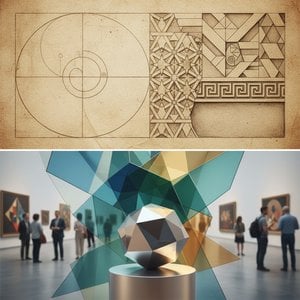
Geometric Design in Art: A Historical Survey & Contemporary Appeal for Collectors
Explore the enduring legacy of geometric abstraction! Discover key artists, historical movements & investment insights for discerning art collectors. Expert guidance from ArtsDot.

Beyond Form & Color: Geometric Abstraction's Enduring Legacy in Art History
Explore the captivating world of geometric abstraction! Discover its origins, key artists like Malevich & Mondrian, and why this movement remains highly valued by art collectors today. Expert insights at ArtsDot.

Beyond Form & Color: Geometric Abstraction's Evolution in 20th/21st Century Art
Explore the evolution of geometric abstraction from Cubism to contemporary art. Discover key artists like Malevich & Mondrian, investment insights, and expert collecting advice at ArtsDot.