

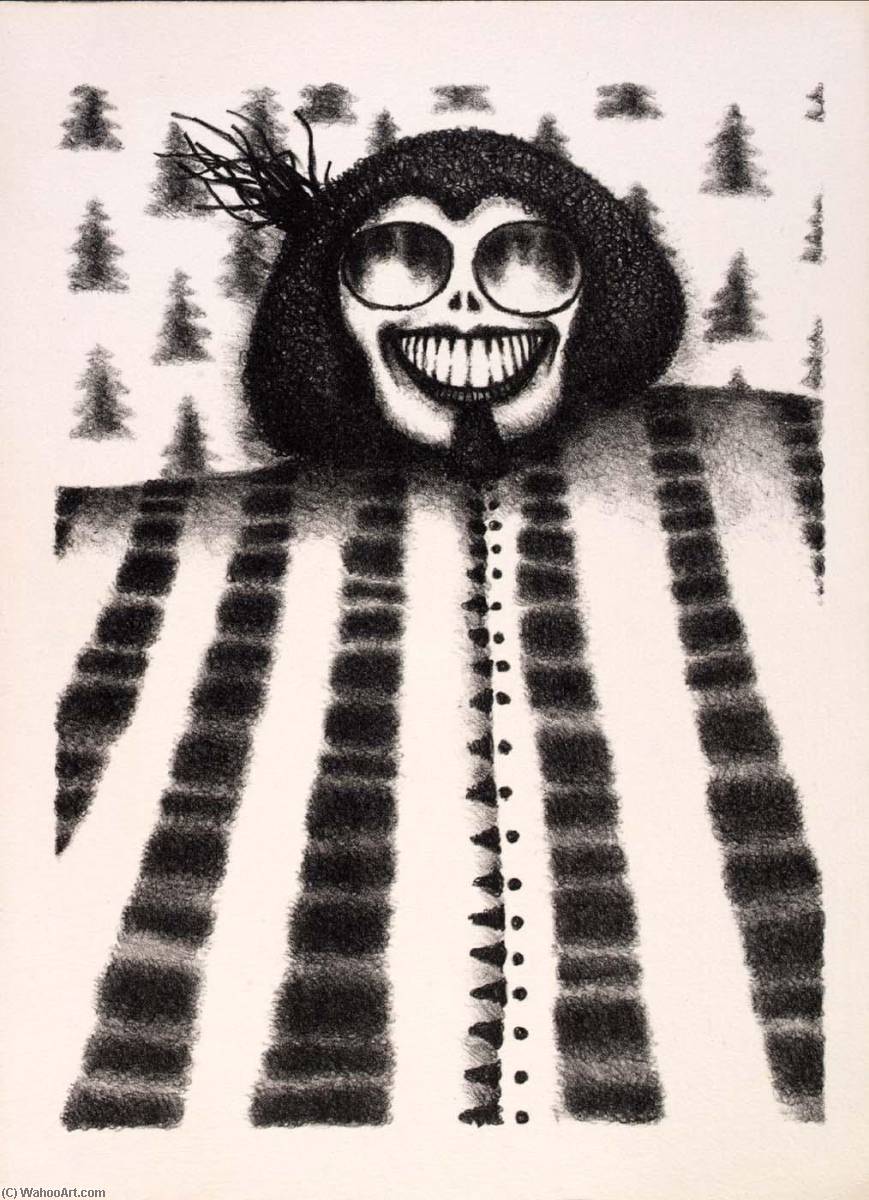
- 24.0 x 18.0 cm

선택하신 옵션에 따른 작품 정보입니다: , .
작가 프로필
Explore the evocative paintings of Edward Paschke – American artist known for poignant scenes of everyday life & social commentary, capturing Americana's spirit.
 더 보기
더 보기
핸드메이드 유화 복제화
작가가 직접 캔버스에 손으로 그린 유화 작품으로, 원하는 크기와 액자로 맞춤 제작해 드립니다. ( 프린트 판매로 전환 디지털 이미지로 전환)
본 작품은 저작권법의 보호를 받습니다.
이 페이지에 표시된 작품은 저작권법의 보호를 받으며, 이에 따라 동일한 복제품을 제작하거나 판매하는 것은 법으로 금지되어 있습니다. 이러한 권리 보호는 다음과 같은 국제 협약에 따라 시행됩니다. 베른 협약 또한 다음에서 명시하는 법률을 포함한 국내법에 의해 보호됩니다. 미국 저작권법 제17조.
저희는 존중을 담은 합법적인 대안으로서, 원작에서 영감을 받은 맞춤형 수제 유화 작품을 제공합니다. 저희의 숙련된 전문 화가들은 원작의 스타일, 분위기, 예술적 정수를 면밀히 연구하여, 그 자체로 독창적인 창작물이면서도 원작과 동일한 감동을 불러일으키는 새로운 작품을 만들어냅니다.
이 방식은 저작권 보호를 받는 예술 작품을 복제하거나 그대로 재현하는 것이 아니기에 저작권 규정을 완벽히 준수합니다. 대신, 이는 창의적인 재해석의 과정을 거칩니다. 즉, 원작에서 영감을 받되 원작과 동일하지 않은 새로운 회화 작품을 의미합니다.
이 작품에 대해 더 알아보기
 미리보기
미리보기
 공유하기
공유하기 공유하기
공유하기
 상세 정보
상세 정보 가이드 보기

 다운로드
다운로드
 유사 작품 더 보기
 X-레이
X-레이 슬라이드 쇼 보기
 질의응답
질의응답 통계 정보
통계 정보단 네 단계로 완성되는 간편한 작품 주문 방법
천천히 진행하셔도 좋습니다. 답변은 언제든 변경할 수 있으며, 선택 사항에 따라 주문 카드 내의 가격이 실시간으로 반영됩니다.
1 4단계 중 1단계
원하시는 사이즈를 선택해 주세요.
이 사이즈들은 원작의 비율을 그대로 유지합니다. 그림 속 예시는 2미터 길이의 소파 위 벽면에 선택하신 작품을 배치했을 때의 모습입니다.
또는 직접 치수 입력하기
작품의 원본 비율을 그대로 유지하는 프리셋 사이즈 중에서 선택해 보세요.

액자나 벽면 크기에 맞춰 필요한 가로와 세로 길이를 입력해 주세요. 본 작품은 수작업으로 제작되므로, 요청하신 비율에 따라 작가가 그림의 가장자리를 조금 더 넓게 그리거나 일부를 조정하여 작업할 수 있습니다. 작업 시작 전, 최종 확인을 위해 디지털 목업 이미지를 보내드립니다. 이 페이지에 표시된 이미지는 실제 결과물과 다를 수 있으며, 오직 목업 이미지만이 정확한 결과물을 보여줍니다.
2 4단계 중 2단계
어떤 방식으로 준비해 드릴까요: 롤 형태로, 캔버스에 씌워서, 또는 액자에 넣어?
아래 가격은 첫 번째 단계에서 선택하신 크기를 기준으로 합니다.
캔버스 옆면 스타일 선택
프레임을 선택하세요

화이트 테두리 ₩1

블러사이드 ₩1

옆면 확장형 ₩1

P118B ₩10

P118H ₩10

P118W ₩10

P438Z ₩10

P508JH ₩12

P508YH ₩12

P805H ₩10

P805Z ₩10

P919BZ ₩10

P919G ₩10

P919XJ ₩10

P959ZH ₩10

P968JZ ₩12

W106C ₩8

W218G ₩10

W218JH ₩8

W218Y ₩10

W307PJ ₩10

W316G ₩10

W316PJ ₩8

W316Y ₩10

W398PJ ₩8

W4111J ₩10

W500HY ₩15

W500JH ₩15

W692G ₩12

W849H ₩8

W940BG ₩15

W953PJ ₩8

H24-GOLD ₩30

H24-SILVER ₩30

H36-GOLD ₩45

H36-SILVER ₩45
액자형
몰딩: . 액자 포함 전체 크기: .
3 4단계 중 3단계
그림에서 변경하고 싶은 부분이 있으신가요?
대부분의 사람들은 아니라고 답합니다. 모든 작품은 수작업으로 제작되기에, 저희 작가는 고객님의 요청에 맞춰 작품을 변경해 드릴 수도 있습니다.
주문 완료 후, ArtsDot.com 팀에서 상세 안내를 위해 고객님께 이메일을 보내드리며, 시안 미리보기를 제공해 드립니다.
4 4단계 중 4단계
몇 가지 마감 옵션
모두 선택 사항입니다. 이미 선택된 답변에 대해서는 추가 비용이 발생하지 않습니다.
작가는 누구인가요?
박물관에 있는 것과 같은 명판을 원하시나요?
동판 각인 상세 정보
This elegant plaque features the artist's name and the title of the artwork, finely engraved for a timeless presentation.
It is made from bronze with a refined, elegant finish. The text is precisely laser-engraved for a sharp and permanent result. Measuring 9x2 cm, the plaque is compact yet easy to read. It's built to be durable and scratch-resistant, offering a professional, museum-quality look. Mounting is simple thanks to the included adhesive backing.
투명 아크릴 명판 상세 정보
The plaque includes essential engraved details such as the artist's name, the title of the artwork, the date it was created, the type of media used-like oil on canvas or watercolor-a brief description of the piece, and a QR code that links to the complete artwork information.
It is crafted from clear acrylic, offering a sleek, modern appearance. The text is UV-engraved in black to ensure strong visual contrast. With a size of 10x15 cm, it ensures optimal readability. It comes equipped with two metal hooks for secure wall mounting. The plaque is designed to be weather-resistant, making it suitable for various environments, and it includes interactive features that work seamlessly with smartphone scanning.
블랙 아크릴 명판 상세 정보
This elegant plaque includes engraved information such as the artist's name, the title of the artwork, the date it was created, the type of media used (like oil on canvas or watercolor), a short description of the artwork, and a QR code for quick access to more information.
The plaque itself is made from refined black acrylic with a premium finish. The text is laser-engraved in white for high contrast and readability. Its size is 10x15 cm, designed to be easy to read. It comes with two metal hooks for professional mounting. The design is sleek and fits any interior style. It is also weather-resistant and durable, with built-in digital integration for mobile compatibility.
보호용 바니시를 선택하시겠습니까?
언제 받기를 원하시나요?
✓ 확인 및 주문하기
주문하신 그대로의 작품

Untitled
재현 기법
복제본 크기
-

엄선된 시니어 아티스트
더욱 세밀한 묘사와 정교함, 그리고 충분한 제작 시간
-

복제화 액자 구성
-
-
가로 또는 세로 중 어느 한 면이라도 105cm(약 41인치)를 초과하는 작품이나 복제화의 경우, 프레임은 분해된 키트 형태로 배송됩니다. 이는 안전한 배송을 보장하고 운송 중 발생할 수 있는 손상을 방지하기 위함입니다.
전문가 조립 권장 - 본 제품은 DIY용이 아닙니다.
해당 키트는 숙련된 전문 프레임 제작자가 목공용 풀(별도 구매), 캔버스 스트레칭 플라이어 및 풀이 마르는 동안 나무 틀의 수평을 유지할 클램프를 사용하여 캔버스를 팽팽하게 고정하고 조립해야 합니다. 잘못된 조립이나 불균형한 캔버스 장력은 작품에 영구적인 손상을 입힐 수 있으며, 이로 인한 손상은 보증 범위에 포함되지 않습니다.
 가로 또는 세로 중 어느 한 면이라도 105cm(약 41인치)를 초과하는 작품이나 복제화의 경우, 프레임은 분해된 키트 형태로 배송됩니다. 이는 안전한 배송을 보장하고 운송 중 발생할 수 있는 손상을 방지하기 위함입니다.
모든 원목 부재가 포함되어 있으며, 조립에 딱 맞게 정밀하게 재단되었습니다.
제공된 나사와 함께, 별도로 준비해야 하는 모서리 접합부용 목공용 풀을 사용하여 조립합니다. (목공용 풀은 포함되어 있지 않으므로 제작자께서 직접 준비해 주셔야 합니다.)
전문가용 도구가 필요하며 키트에 포함되어 있지 않습니다: 캔버스 스트레칭 플라이어(텐셔너)와 접착제가 마르는 동안 나무 틀의 수평을 유지하기 위한 클램프가 필요합니다.
주의사항:
모서리 접합부에는 목공용 풀이 필요하며, 풀이 완전히 마를 때까지 클램프로 바(bar)를 고정해야 합니다. 또한 조립된 프레임에 캔버스를 팽팽하게 당기려면 캔버스 스트레칭 플라이어가 필요합니다. 이 제품들 중 어느 것도 키트에 포함되어 있지 않습니다. 이 사이즈를 주문하시기 전에 숙련된 전문 액자 제작업체를 미리 섭외하시기 바랍니다.

작품 설명문
-
-

보호용 바니시
유광 바니시(색감을 선명하게 하며 빛과 습기로부터 보호함)
-

내 작품 맞춤 설정
변경 가능한 예시: 얼굴을 고객의 사진으로 교체, 반려동물 추가(예: 고양이를 강아지로 변경), 배경에 숨겨진 메시지 삽입, 배경 풍경 또는 요소 변경.
-

빠른 배송
전 세계 배송()은 기존 5주의 표준 기간 대신 3~4주 내에 완료됩니다. (11 11월). 품질에는 어떠한 타협도 하지 않습니다.
-
특급 배송
전 세계 배송(): 약 5주 소요 (18 11월).
포함됨
최종 결제 금액
₩ 350775
유리 옵션은 110cm 미만 크기에서만 선택 가능합니다.
모든 주문에 포함되는 혜택
- 전 세계 무료 특급 배송
- 프리미엄 린넨 캔버스
- 배송 전 과정 보험 적용
- 관세 및 수입세 환급 보장 서비스
- 원본과 동일한 색상 구현 보장
- 100일 이내 반품 정책 (결함 발생 시)
- 100% 환불 보장
- 다량 구매 할인 혜택


유사한 작품들



Edward Paschke
1939 - 2004, United States of America
작가 정보
A Vision of the American Psyche: The Life and Art of Edward Paschke
Edward Paschke, born in Chicago in 1939 and passing away in 2004, was a pivotal figure in the development of contemporary figurative painting. He wasn’t interested in grand narratives or sweeping historical statements; instead, he focused his attention on the often-overlooked moments of everyday life, imbuing them with a haunting psychological depth that resonated deeply with viewers and continues to captivate audiences today. Paschke's artistic journey began with studies at the Art Institute of Chicago, where he initially explored abstract expressionism, but quickly found himself drawn towards a more representational style—one that allowed him to directly engage with the world around him, albeit through a distinctly personal lens. He wasn’t simply *recording* reality; he was interpreting it, filtering it through his own unique sensibility and creating images that felt both familiar and strangely unsettling.Early Influences and the Emergence of a Unique Style
The Midwestern landscape and its inhabitants profoundly shaped Paschke's artistic vision. Growing up in Chicago during the post-war era, he witnessed a society undergoing rapid transformation—a blend of optimism and anxiety that found expression in his work. Early influences included artists like Edward Hopper, whose depictions of American loneliness and alienation resonated with Paschke’s own observations. However, Paschke quickly moved beyond mere imitation, developing a highly distinctive style characterized by flattened perspectives, bold colors, and an almost graphic quality. His figures often appear isolated, caught in moments of quiet contemplation or subtle interaction. He wasn't interested in traditional notions of beauty; instead, he sought to capture the raw emotional truth of his subjects. This pursuit led him to experiment with various techniques, including collage and printmaking, which further enhanced the visual impact of his paintings. The use of vibrant, often jarring color palettes became a hallmark of his work, creating an atmosphere that was both alluring and disquieting.Themes of Isolation, Memory, and Americana
Paschke’s oeuvre is unified by several recurring themes: isolation, memory, and the complexities of American life. His paintings often depict solitary figures in mundane settings—diners, gas stations, roadside motels—places that evoke a sense of transience and anonymity. These aren't idyllic scenes; they are imbued with a subtle melancholy, hinting at the loneliness and alienation that can exist even within seemingly familiar environments. Memory plays a crucial role in his work, as he often revisited childhood experiences and personal recollections, transforming them into evocative visual narratives. He wasn’t interested in recreating specific events; instead, he sought to capture the *feeling* of those moments—the emotional residue that lingered long after they had passed. His exploration of Americana is particularly poignant, offering a nuanced portrayal of rural life and the changing social landscape of the Midwest. He didn’t shy away from depicting the darker aspects of American society—poverty, disillusionment, and the loss of innocence—but he did so with empathy and compassion.Major Achievements and Artistic Legacy
Throughout his career, Paschke exhibited extensively in galleries and museums across the United States and Europe. He received numerous awards and accolades for his work, solidifying his reputation as a leading figure in contemporary painting. While he never sought widespread fame or commercial success, his paintings have become increasingly recognized for their artistic merit and historical significance. His influence can be seen in the work of many younger artists who share his interest in figurative representation and psychological depth. Paschke’s ability to capture the essence of American life—its beauty, its contradictions, and its underlying anxieties—continues to resonate with audiences today.- His innovative use of color and flattened perspective challenged traditional notions of realism.
- He successfully bridged the gap between abstract expressionism and figurative painting.
- His work provided a powerful commentary on the social and cultural landscape of post-war America.