작품 구매하기
 공유하기
공유하기 공유하기
공유하기
 Details

 다운로드
다운로드
 유사 작품
유사 작품 X-Ray
X-Ray 슬라이드 쇼
The Sick Child


 더 알아보기



P118B $10

P118H $10

P118W $10

P438Z $10

P508JH $12

P508YH $12

P805H $10

P805Z $10

P919BZ $10

P919G $10

P919XJ $10

P959ZH $10

P968JZ $12

W106C $8

W218G $10

W218JH $8

W218Y $10

W307PJ $10

W316G $10

W316PJ $8

W316Y $10

W398PJ $8

W4111J $10

W500HY $15

W500JH $15

W692G $12

W849H $8

W940BG $15

W953PJ $8




작품의 원본 비율을 유지하는 미리 설정된 크기 중에서 선택하세요.

특정 프레임이나 공간에 맞춰 직접 치수를 입력하실 수 있습니다. 선택하신 사이즈가 원본 이미지의 비율과 일치하지 않을 경우, 작품을 크롭(자르기)하거나 이미지를 대칭 또는 단색 채우기로 확장하여 제작합니다. 제작 시작 전, 최종 확인을 위해 디지털 목업이 전송됩니다.
화면상의 미리보기는 실제 크롭이나 확장 상태를 반영하지 않으므로, 최종 구도는 오직 목업을 통해서만 정확하게 확인하실 수 있습니다.
맞춤 사이즈 제작도 가능하지만, 원본 비율을 유지하기 위해서는 사전 정의된 목록에서 치수를 선택하시는 것을 권장합니다.


 유리 옵션은 110cm 미만 크기에서만 선택 가능합니다.

The Sick Child
지클레 / 아트 프린트
복제본 크기
-


최종 결제 금액
-
작품 상세 설명
A Window into Grief: Exploring Edvard Munch’s *The Sick Child*
Edvard Munch's *The Sick Child* is far more than a depiction of illness; it’s a profoundly moving exploration of grief, loss, and the haunting specter of mortality. Created between 1885 and 1926 in multiple versions, this series of paintings and prints represents one of the most intensely personal and pivotal works in Munch's oeuvre, stemming directly from the tragic death of his sister Johanne Sophie from tuberculosis at just fifteen years old. The artwork serves as a raw and unflinching meditation on a trauma that indelibly shaped the artist’s life and artistic vision.Historical Context & Artistic Origins
Born in 1863, Munch experienced significant loss early in life – his mother died when he was five, followed by Sophie's death nine years later. These events, coupled with a family history of mental illness, instilled within him a deep-seated anxiety and preoccupation with themes of sickness and death. *The Sick Child* emerged from this intensely personal landscape, initially as a study in 1885-86, and was revisited repeatedly throughout his career. It marks a crucial turning point for Munch, signaling his departure from traditional academic styles toward the emotionally charged expressiveness that would define his legacy and contribute to the birth of Expressionism.Style & Technique: The Language of Emotion
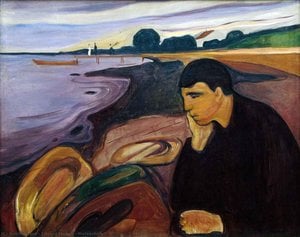
*The Sick Child* is a quintessential example of Expressionism. Munch eschews realistic representation in favor of conveying inner emotional states. His technique is characterized by loose, visible brushstrokes, creating a sense of agitation and unrest. The color palette, while often muted with somber greens and browns, is punctuated by striking accents – notably the vibrant red hair of the ailing girl, drawing immediate attention to her vulnerability. Munch’s use of high-contrast lighting casts dramatic shadows, intensifying the emotional weight of the scene. He employs a flattened perspective, further enhancing the feeling of claustrophobia and psychological intensity. The impasto technique—thickly applied paint—adds texture and physicality, mirroring the rawness of grief itself.Decoding the Symbolism
The composition is deceptively simple yet laden with symbolism. Sophie lies propped up in bed, her pallid face and vacant stare conveying the ravages of illness. The dark-haired woman beside her, believed to be their aunt Karen, embodies a grief so profound she can barely meet Sophie’s gaze – a poignant depiction of helplessness and shared sorrow. The ominous curtain looming in the background is often interpreted as a symbol of approaching death, while the white pillow supporting Sophie may represent a fragile hope or perhaps oblivion. The overall atmosphere evokes a sense of isolation and impending doom.Emotional Impact & Lasting Legacy
*The Sick Child* isn’t merely an observation of suffering; it *is* suffering made visible. It taps into universal feelings of loss, fear, and the fragility of life. The painting's power lies in its ability to evoke empathy and resonate with viewers on a deeply personal level. Munch doesn’t offer solace or resolution; instead, he presents an honest and unflinching portrayal of grief in all its complexity. This honesty is what makes *The Sick Child* such a powerful and enduring work of art. It continues to inspire artists today and serves as a potent reminder of the human condition.Related Works & Further Exploration
- Explore Munch’s other iconic works, such as The Scream (1893) and Madonna (1894-1895), which share similar themes of anxiety, isolation, and emotional turmoil.
- Delve deeper into the artist’s life and work at the Munch Museum in Oslo, Norway.
- Consider how *The Sick Child* influenced subsequent generations of Expressionist artists who sought to convey subjective experience through bold colors and distorted forms.
유사한 작품들


작가 약력
어드반트 문크: 불안과 고독의 선구자
1863년 노르웨이 아델스브루크에서 태어난 어드반트 문크는 현대 미술, 특히 표현주의에 지대한 영향을 미친 화가입니다. 그의 삶은 어린 시절의 비극적인 경험과 끊임없는 정신적 고통으로 얼룩져 있었고, 이러한 개인적인 투쟁들은 그의 작품 전체를 관통하는 불안, 죽음, 고독이라는 주제로 이어졌습니다. 문크는 단순한 현실 묘사를 넘어 인간 내면의 심오하고 복잡한 감정을 표현하고자 했습니다. 그는 자신의 그림들을 통해 정신적 고통을 시각화하고, 이를 통해 관객들에게 깊은 공감과 울림을 선사했습니다.
불안정한 어린 시절과 예술적 기틀
문크의 어린 시절은 질병과 상실로 가득했습니다. 어머니와 여동생이 모두 결핵으로 세상을 떠난 경험은 그의 삶에 깊은 상처를 남겼고, 이는 그의 작품에서 반복적으로 나타나는 죽음과 슬픔이라는 주제의 근원이 되었습니다. 아버지의 엄격한 종교적 신념과 정신 질환 또한 문크에게 불안과 공포심을 심어주었으며, 이러한 어두운 경험들은 그의 예술 세계를 형성하는 데 결정적인 영향을 미쳤습니다. 크리스티아니아(오슬로) 왕립 미술학교에서 정식 교육을 받았지만, 그는 전통적인 회화 기법에 얽매이지 않고 자신만의 독특한 표현 방식을 추구했습니다. 특히 실존주의 철학자 한스 예거와의 만남은 문크에게 기존의 예술적 관습을 벗어나 자신의 내면세계를 솔직하게 드러내는 ‘영혼의 그림’을 그리도록 격려하는 계기가 되었습니다.
파리에서의 영향과 표현주의로의 진화
1890년대 파리로 건너간 문크는 폴 고갱, 빈센트 반 고흐, 앙리 드 툴루즈 로트렉 등 당시 유럽 미술계를 주도하던 인상주의 화가들의 작품을 접하며 큰 영향을 받았습니다. 그들의 대담한 색채 사용과 강렬한 표현력은 문크의 예술적 실험에 새로운 활력을 불어넣었습니다. 그러나 문크는 단순히 다른 화가들의 스타일을 모방하는 데 그치지 않고, 자신만의 독특한 시각과 감성을 담아내며 점차 표현주의의 선구자적인 면모를 드러냈습니다. 특히 그의 작품에서 나타나는 왜곡된 형태와 불안정한 색채는 관객들에게 강렬한 인상을 남기며, 인간 내면의 고통과 절망을 효과적으로 전달합니다.
대표작: ‘절규’와 그 이면에 숨겨진 의미
‘절규’(The Scream)는 문크를 세계적인 명성을 얻게 해준 작품이자, 현대 미술의 상징과도 같은 존재입니다. 붉은 노을 아래 서 있는 인간 형상이 절망적으로 울부짖는 모습은 불안과 공포에 휩싸인 현대인의 심리를 극명하게 드러냅니다. 문크 자신은 이 그림이 자연의 거대한 비명을 듣고 느낀 감정을 표현한 것이라고 말했습니다. ‘절규’는 단순한 풍경화가 아닌, 인간 존재의 근원적인 불안과 고독을 담아낸 상징적인 작품으로 평가받고 있습니다. 또한 마돈나, 병든 아이, 멜랑콜리아 1 & 2 등 문크의 다른 작품들 역시 죽음, 슬픔, 사랑과 같은 보편적인 인간 경험을 다루며 깊은 감동과 울림을 선사합니다.
표현주의의 선구자이자 현대 미술에 미친 영향
어드반트 문크는 표현주의 운동의 발전에 지대한 영향을 미쳤으며, 그의 작품은 이후 독일 표현주의 화가들에게 영감을 주었습니다. 그는 전통적인 회화 기법에서 벗어나 주관적인 감정과 내면세계를 자유롭게 표현하는 새로운 예술적 가능성을 제시했습니다. 문크의 작품은 현대 미술에 있어서 인간 심리의 복잡성과 불안을 탐구하는 중요한 전환점을 마련했으며, 그의 유산은 오늘날까지도 많은 예술가들에게 영감을 주고 있습니다. 그는 단순히 그림을 그리는 화가가 아니라, 인간 존재의 어두운 면을 직시하고 이를 예술로 승화시킨 위대한 사상가이자 선구자였습니다.

에드바르 뭉크
1863 - 1944 , 스웨덴
주요 정보
- 국적: 노르웨이
- 대표 작품:
- 절규
- 마돈나
- 병든 아이
- 우울 I & II
- 사망일: 1944년 1월 23일
- 영향을 받은 예술 사조: ['독일 표현주의']
- 영향을 준 예술가:
- 폴 고갱
- 빈센트 반 고흐
- 투루 쇠 라트르크
- 예술 사조: 표현주의
- 전체 이름: 에드바르 뭉크
- 출생일: 1863년 12월 12일
- 출생지: 아델스브루크, 스웨덴
관련 기사 더 보기

표현주의를 정의한 명작 10선: 예술, 영혼, 그리고 공간의 미학 | ArtsDot
뭉크, 키르히너 등 거장들의 작품으로 표현주의 미술의 정수를 만나보세요. 강렬한 색채와 감정적 깊이가 깃든 명작 10선을 통해 예술의 세계를 탐험하고, ArtsDot에서 고품질 아트 프린트를 소장하세요. 지금 바로 온라인 컬렉션을 확인하세요!

Figurative Expressionism: Emotional Intensity & Subjective Reality in 20th-Century Art
Explore the powerful world of Figurative Expressionism with ArtsDot. Discover key artists like Kirchner & Beckmann, understand its emotional depth, and learn how to collect this influential 20th-century art movement.

색채 심리학의 역사적 개관: 예술 작품 속 감정과 의미의 팔레트
예술 작품 속 색채의 숨겨진 의미와 감정 표현을 탐구합니다. 미술사적 배경과 심리학적 해석을 통해 나만의 예술적 시각을 넓히세요. ArtsDot 전문가가 엄선한 정보로 깊이 있는 분석을 제공합니다.

German Expressionism's 10 Defining Masterpieces | Art for Your Home
Explore 10 defining German Expressionism masterpieces – from Munch's 'The Scream' to Kandinsky’s abstracts. Discover the artists, stories & bold colors behind this powerful art movement. Find museum-quality reproductions at ArtsDot.com.

Edvard Munch: Anxiety, Modernity & the Dawn of Expressionism
Explore the profound world of Edvard Munch, pioneer of Expressionism. Discover the origins of 'The Scream' & his haunting depictions of anxiety, mortality, and love. Expert analysis & high-quality reproductions at ArtsDot.