


 실제 크기로 보기
 보내기
보내기 공유하기
공유하기
 상세 보기
상세 보기 가이드 보기

 이미지 다운로드
 유사 작품 더 보기
 X-레이
X-레이 슬라이드 쇼 보기
 통계 정보
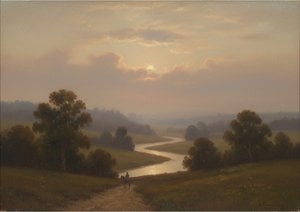
통계 정보Moonlight
 Oil On Canvas
- WallArt
- Tonalist Landscape
 1887
1887 36.0 x 56.0 cm
 메트로폴리탄 미술관
 상세 보기
상세 보기
지클레 / 아트 프린트
빠른 제작과 다양한 마감 옵션을 선택할 수 있는 박물관 수준의 지클레이 및 캔버스 프린트. ( 수작업 채색 복제본 주문하기 디지털 이미지 판매 채널로 전환)




P118B ₩10

P118H ₩10

P118W ₩10

P438Z ₩10

P508JH ₩12

P508YH ₩12

P805H ₩10

P805Z ₩10

P919BZ ₩10

P919G ₩10

P919XJ ₩10

P959ZH ₩10

P968JZ ₩12

W106C ₩8

W218G ₩10

W218JH ₩8

W218Y ₩10

W307PJ ₩10

W316G ₩10

W316PJ ₩8

W316Y ₩10

W398PJ ₩8

W4111J ₩10

W500HY ₩15

W500JH ₩15

W692G ₩12

W849H ₩8

W940BG ₩15

W953PJ ₩8




작품의 원본 비율을 그대로 유지하는 프리셋 사이즈 중에서 선택해 보세요.

액자나 벽면 크기에 맞춰 필요한 가로와 세로 길이를 입력해 주세요. 프린트는 원본 이미지보다 크게 제작할 수 없으며 오직 자르는 것만 가능하므로, 비율이 다른 사이즈를 선택할 경우 이미지의 일부가 잘려 나갈 수 있습니다. 인쇄 작업에 들어가기 전, 최종 확인을 위해 디지털 목업을 보내드립니다. 이 페이지에 표시된 이미지는 실제 잘리는 영역을 나타내지 않으며, 오직 목업을 통해서만 정확한 확인이 가능합니다.


 유리 옵션은 110cm 미만 크기에서만 선택 가능합니다.

Moonlight
지클레 / 아트 프린트
복제본 규격
-


총 결제 금액
₩ 84854
Moonlight: A Study in Tranquil Luminosity
Dwight William Tryon’s “Moonlight,” painted in 1887, isn't merely a depiction of a rural landscape; it’s an immersion into a profound sense of quietude and the evocative power of light. Born in Hartford, Connecticut, during a period when American art was grappling with its own identity, Tryon emerged from a childhood deeply rooted in the rhythms of rural life – a formative experience that would profoundly shape his artistic vision. He eschewed the prevailing trends of the time, choosing instead to embrace the principles of tonalism, a style characterized by subdued colors and atmospheric effects, prioritizing mood and emotion over precise representation. This decision led him away from the bright palettes and detailed renderings favored by many of his contemporaries, establishing “Moonlight” as a cornerstone of his distinctive oeuvre. The painting captures a serene nighttime scene – rolling hills bathed in the soft glow of the moon, punctuated by scattered trees and hinting at a distant farmhouse nestled within the landscape. It’s a scene that invites contemplation, a moment suspended between darkness and light, reality and dream.The Language of Tone: Technique and Composition
Tryon's mastery lies not in meticulous detail but in his skillful manipulation of tone – the subtle variations in value that create depth, form, and atmosphere. He achieves this through loose, expressive brushstrokes, layering washes of gray and white to build up the forms of the hills and trees. Notice how the darker tones recede into the distance, creating a convincing illusion of space and atmospheric perspective. The composition is deliberately horizontal, emphasizing the breadth of the landscape and drawing the eye across the scene. A carefully considered break in the treeline directs the viewer’s gaze towards the luminous center, where the moon hangs suspended in the sky. This strategic arrangement guides the viewer's eye through the painting, fostering a sense of peaceful exploration. The use of impasto – thick application of paint – adds textural interest to the foreground, grounding the scene and anchoring it within the viewer’s perception.Symbolism and the Nocturne
The symbolism embedded within “Moonlight” is rich and layered. Moonlight itself has long been associated with mystery, introspection, and tranquility—qualities Tryon expertly captures in this work. The muted palette reinforces these associations, creating a mood of quiet contemplation. The distant farmhouse suggests a sense of rural simplicity and connection to the land, while the scattered trees evoke a feeling of solitude and isolation. The painting’s overall effect is one of profound stillness – a moment frozen in time, inviting the viewer to step into its serene embrace. It's not simply a representation of a landscape; it’s an evocation of a state of being. The choice of a nighttime scene further amplifies this symbolism, suggesting a realm beyond the everyday, where thoughts and emotions can freely roam.Historical Context: Tonalism and American Identity
“Moonlight” emerged during a pivotal moment in American art history – the rise of tonalism in the late 19th century. Influenced by the Barbizon School painters of France, American tonalists sought to capture the essence of nature through subtle color gradations and atmospheric effects, rejecting the academic emphasis on realism and detailed representation. Tryon’s work exemplifies this movement perfectly, demonstrating a deep understanding of light and shadow and a commitment to expressing mood and emotion rather than simply depicting visual reality. His decision to focus on American landscapes—particularly those imbued with the quiet beauty of rural life—contributed to the development of a distinctly American artistic voice. The painting reflects a desire to capture the spirit of the nation, rooted in its connection to the land and its appreciation for simple pleasures.A Legacy of Tranquility: Reproductions and Interior Design
Today, “Moonlight” stands as a testament to Tryon’s artistic vision—a timeless masterpiece that continues to resonate with viewers across generations. High-quality reproductions capture the painting's subtle nuances and atmospheric depth, making it an ideal addition to any home or office space. The painting’s calming palette and evocative imagery create a sense of serenity and tranquility, transforming any room into a haven of peace. Consider incorporating “Moonlight” into your interior design scheme—perhaps above a fireplace or in a study—to infuse your surroundings with its quiet beauty and timeless appeal. Its enduring power lies not just in its aesthetic qualities but also in its ability to transport the viewer to a place of profound stillness and contemplation.질의응답
드와이트 윌리엄 트라이언의 "Moonlight"의 전반적인 색조는 무엇인가요?
드와이트 윌리엄 트라이언의 "Moonlight"에는 Green to Violet Spectrum 빛깔이 감돕니다.
드와이트 윌리엄 트라이언의 "Moonlight"은(는) Tonalist Landscape를 작가의 모국과 어떻게 연결하고 있나요?
Tonalist Landscape 양식의 작품 "Moonlight"은 United States of America에서 태어난 작가에 의해 제작되었습니다.
드와이트 윌리엄 트라이언의 "Moonlight"의 원화는 어디에서 볼 수 있나요?
드와이트 윌리엄 트라이언의 "Moonlight"은(는) 메트로폴리탄 미술관, New York, United States of America에 전시되어 있습니다. 박물관 목록은 복제품이 아닌 원작을 기준으로 합니다.
관련 작품들


작가 소개
초기 생애와 예술적 태동
Dwight William Tryon은 1849년 코네티컷의 고요한 풍경 속에서 Anson Tryon과 Delia O. Roberts 사이에서 하트퍼드에서 태어났습니다. 어린 시절, 아버지의 갑작스러운 죽음은 그의 삶에 이른 그림자를 드리웠고, 이는 그를 이스트 하트퍼드에 있는 조부모님의 농장으로 이끌어 형성기 시절을 보내게 했습니다. 이러한 전원 생활로의 몰입은 결정적인 계기가 되었으며, 훗날 그의 예술적 비전을 정의하는 핵심적 특징이 될 자연과의 깊은 유대감을 그 내면에 키워주었습니다. 비록 초기에는 정식 교육을 받지 못했음에도 불구하고, Tryon의 타고난 예술적 성향은 자연스럽게 꽃을 피웠습니다. 그는 지역 서점을 단순한 고객이 아닌 직원으로서 자주 드나들었는데, 그곳에서 발견한 미술 교본들은 그의 독학에 불을 지폈습니다. 이러한 초기 탐구는 단순히 이론 공부에 머물지 않았습니다. 그는 주변의 시골 풍경을 스케치하며 빛과 그림자의 미묘한 뉘ltance를 종이 위에 옮기는 데 수많은 시간을 보냈습니다. 이러한 헌신은 1870년 첫 작품 판매로 결실을 맺었으며, 이후 지역 전시회를 통해 드러난 그의 급성장하는 재능은 1873년 국립 디자인 아카데미(National Academy of Design) 입회와 함께 더 넓은 세상에 알려지기 시작했습니다.유럽의 영향과 화풍의 형성
정식 교육에 대한 갈망에 이끌려, Tryon은 1876년 변화를 위한 여정으로 프랑스로 향했습니다. 그는 에콜 데 보자르(École des Beaux-Arts)에서 Jacquesson de la Chevreuse를 사사하며 유럽의 예술적 흐름 속에 자신을 던졌습니다. 그러나 그의 교육은 강의실 너머까지 확장되었습니다. 그는 Charles-François Daubigny, Henri Harpignies, Jean Baptiste-Antoine Guillemet과 같은 거장들에게서 지침을 구하며 그들의 기법과 철학을 흡수했습니다. 초기 Tryon의 화풍은 대기 효과와 찬란한 빛을 강조하는 뤼미니즘(Luminism)에 가까웠습니다. 하지만 그의 예술적 행보는 곧 자연의 직접적인 관찰과 절제된 색조를 우선시하는 바르비종 학파(Barbey School)의 원칙에 매료되며 새로운 방향으로 나아갔습니다. 프랑스에서 급변하던 인상주의 운동의 물결 속에서도 Tryon은 바르비종의 미학을 확고히 고수했으며, 그 명상적인 분위기와 자연 세계에 대한 사실적 묘사에서 더 큰 공명을 발견했습니다. 특히 이 시기 James McNeill Whistler의 영향은 매우 결정적이었습니다. 색채의 조화로운 배치와 톤의 미묘한 계조를 강조하는 그의 토널리즘(Tonalist) 스타일은 Tryon의 예술적 발전에 지울 수 없는 흔적을 남겼습니다.성숙한 화풍과 대기감이 느껴지는 풍경
1880년대 후반에 이르러, Dwight William Tryon은 미국 토널리즘을 대표하는 거장으로서 자신의 유산을 정의할 독창적인 스타일을 완전히 완성했습니다. 그의 캔버스는 종종 특징적인 구도를 보여줍니다. 중경에 배치된 나무 무리나 불규칙하게 늘어선 나무들은 빛나는 하늘과 전경의 습지 또는 목초지를 이어주는 시각적 가교 역할을 합니다. 이러한 장면들은 자주 가을의 색조로 물들어 있어, 평온함과 동시에 숭고한 우수(melancholy)를 불러일으킵니다. 풍경화를 넘어 Tryon은 해경화(seascapes)에서도 탁월한 기량을 선보였는데, 파스텔을 사용하여 다양한 날씨 조건 아래 펼쳐지는 물과 하늘, 그리고 해변의 광활한 아름다움을 포착해냈습니다. 그의 거장다운 면모는 대기감을 전달하는 능력에 있었습니다. 즉, 빛의 미묘한 변화, 색채의 섬세한 유희, 그리고 장면 전체를 지배하는 분위기를 구현해내는 힘입니다. 1897년 테네시 센테니얼 엑스포지션에서 1등상을 받은후원, 인정, 그리고 영원한 유산
Tryon의 경력은 안목 높은 수집가이자 그의 가장 중요한 후원자가 된 Charles Lang Freer와의 관계를 통해 비약적으로 발전했습니다. Freer는 Tryon의 작품 수십 점을 수집했을 뿐만 아니라, 디트로이트에 있는 그의 저택 인테리어 프로젝트에서 예술가와 직접 협업하기도 했습니다. 이러한 아낌없는 지원 덕분에 Tryon은 예술 활동에 온전히 전념할 수 있었고, 이 중 많은 작품이 현재 스미스소니언 협회의 명성 높은 프리어 미술관(Freer Gallery of Art)에 소장되어 있습니다. 1908년 카네기 전시회에서 카네기 상을 수상하며 그는 당대 최고의 예술가로서의 입지를 더욱 공고히 했습니다. 평생 동안 Tryon은 미국 예술가 협회, 미국 수채화 협회, 그리고 국립 예술 문학 연구소(현 미국 예술 문학 아카데미) 등 여러 권위 있는 예술 단체의 활발한 일원으로 활동했습니다. 1887년 그는 매사추세츠주 사우스 다트머스에 여름 별장을 마련하여 생애 마지막까지 주요 거처로 삼았습니다. 또한 그는 교육에도 헌신하여 1886년부터 1923년까지 스미스 칼리지에서 후학을 양성했으며, 그곳에 Tryon 미술관을 설립하기도 했습니다. 1925년 세상을 떠난 Dwight William Tryon은 미국 토널리즘에 기여한 공로와 섬세한 색채 및 정제된 감수성으로 대기감 넘치는 풍경과 해경화를 포착해낸 독보적인 능력을 남겼습니다. 그의 작품은 오늘날에도 스미스소니언 미국 미술관과 프리어 미술관 등 주요 컬렉션에 소장되어 끊임없이 찬양받으며, 그의 예술적 비전이 다음 세대까지 영원히 이어지도록 하고 있습니다.
드와이트 윌리엄 트라이언
1849 - 1925
작가 정보 요약
- Artistic Movement Or Style: 토널리즘, 바르비종 학파
- Artists Or Movements Influenced By This Artist: 미국 토널리즘
- Artists Who Influenced This Artist:
- 휘슬러
- 이네스
- 와이언트
- 도비니
- 아르피니
- Date Of Birth: 1849년 8월 13일
- Date Of Death: 1925년 7월 1일
- Full Name: 드와이트 윌리엄 트라이언
- Nationality: 미국인
- Notable Artworks:
- 12월의 소금 습지
- 봄
- 달빛 아래 뉴버리의 건초더미
- 첫 잎
- Place Of Birth: 미국 하트퍼드
관련 기사

존 컨스터블 대표작 25선: 영국 풍경화의 거장, 자연과 감성을 담은 명화 컬렉션 | ArtsDot
존 컨스터블 대표작 25선을 만나보세요. 영국 풍경화 거장의 자연주의 회화, 데담 밸리의 아름다움과 헤이 웨인의 정취를 담은 명화를 감상하세요. ArtsDot에서 고품질 예술 작품 복제본을 소장하고 특별한 인테리어를 완성해보세요. 지금 바로 컬렉션을 탐험하세요!

Grant Wood & American Regionalism: Identity, Myth & the Rural Landscape
Explore the world of Grant Wood & American Regionalism with ArtsDot. Discover the symbolism behind 'American Gothic', recurring themes, and the movement's lasting impact on art history. High-quality reproductions available.

Evocations of Place: A Historical Journey Through Landscape Art
Explore the rich history of landscape art with ArtsDot. Discover renowned artists, movements like Impressionism & Romanticism, and expert guidance for collecting timeless pieces. Find your perfect serene escape today!
Atmospheric Visions: Exploring Tonalism in American Painting
Explore the captivating world of American Tonalism! Discover its history, key artists like Whistler & Inness, techniques, and lasting influence on art. Expert insights for collectors & enthusiasts.

Cultivating Visions: A Historical Journey Through Rural Landscapes in Art
Explore the rich history of rural landscape painting with ArtsDot. Discover Impressionist masterpieces, key artists & movements. Find your perfect serene artwork and bring nature's beauty home.