


 미리보기
미리보기
 공유하기
공유하기 공유하기
공유하기
 상세 정보
상세 정보 가이드 보기

 다운로드
다운로드
 유사 작품
유사 작품 X-레이
X-레이 슬라이드 쇼
 통계 정보
통계 정보Zinnober
 Oil On Canvas
- WallArt
- Contemporary Realism
 Contemporary
 190.0 x 240.0 cm
 Barjeel Art Foundation
 더 보기
더 보기
지클레 / 아트 프린트
빠른 제작과 다양한 마감 옵션을 제공하는 박물관 품질의 지클레이 또는 캔버스 프린트. ( 손으로 그린 그림 구매 디지털 이미지로 전환)




































작품의 원본 비율을 유지하는 미리 설정된 크기 중에서 선택하세요.

특정 프레임이나 공간에 맞춰 직접 치수를 입력하실 수 있습니다. 선택하신 사이즈가 원본 이미지의 비율과 일치하지 않을 경우, 작품을 크롭(자르기)하거나 이미지를 대칭 또는 단색 채우기로 확장하여 제작합니다. 제작 시작 전, 최종 확인을 위해 디지털 목업이 전송됩니다.
화면상의 미리보기는 실제 크롭이나 확장 상태를 반영하지 않으므로, 최종 구도는 오직 목업을 통해서만 정확하게 확인하실 수 있습니다.
맞춤 사이즈 제작도 가능하지만, 원본 비율을 유지하기 위해서는 사전 정의된 목록에서 치수를 선택하시는 것을 권장합니다.


 유리 옵션은 110cm 미만 크기에서만 선택 가능합니다.

Zinnober
지클레 / 아트 프린트
복제본 크기
-


최종 결제 금액
$ 62
The Architecture of Urban Solitude
In the sweeping expanse of Zinnober, Driss Ouadahi invites the viewer into a meticulously constructed world where the boundaries between reality and abstraction begin to dissolve. This monumental oil on canvas, measuring an impressive 190 x 240 cm, presents a cinematic vista of a modern cityscape, captured with a precision that oscillates between photorealism and minimalist contemplation. At first glance, the eye is drawn to the towering structures that dominate the background—glass and steel monoliths that reflect the light of an unseen sun. Yet, as one lingers before the work, the true subject reveals itself: it is not merely the buildings themselves, but the profound psychological atmosphere of the urban environment. The painting captures a moment of bustling activity, where figures traverse sidewalks and vehicles navigate the streets, yet there is an underlying sense of stillness, a quietude that permeates even the most crowded intersections.
The artist’s technique is a masterclass in controlled complexity. Utilizing his foundational training as an architect, Ouadahi employs a rigorous geometric logic to organize the composition. Each window, each pane of glass, and each structural line serves as a building block in a larger exploration of transparency and opacity. The use of oil paint allows for a subtle layering of tones that gives the architectural surfaces a palpable weight and texture. There is a rhythmic quality to the way the light interacts with the metallic and crystalline surfaces of the city, creating a play of highlights and shadows that breathes life into the inanimate structures. This technical prowess ensures that while the subject matter may appear industrial or sterile, the execution remains deeply organic and visually captivating.
Symbolism and the Urban Psyche
Beyond its aesthetic allure, Zinnober serves as a profound meditation on the "non-space" of modern existence. Drawing from his experiences with the massive public housing developments in Algiers and the stark modernist landscapes of Europe, Ouadahi explores the concept of urban alienation. The high-rise buildings act as impenetrable boundaries, symbols of the physical and social barriers that define contemporary life. The title itself, referencing a vibrant vermilion pigment, suggests a hidden warmth or a pulse of life beneath the cold, geometric exterior of the city. This tension between the rigid, man-made structures and the fluid, human presence creates a poignant narrative about our place within the built environment—searching for connection amidst the grids of steel and concrete.
For the discerning collector or interior designer, this piece offers more than just visual grandeur; it provides an intellectual anchor. The painting’s ability to command a room through its sheer scale and intricate detail makes it an ideal centerpiece for sophisticated spaces. Whether placed in a contemporary gallery setting or a luxurious residential lounge, Zinnober evokes a sense of contemplative wonder. It challenges the viewer to look past the surface of the urban landscape to find the beauty in the structured chaos of modern life. Owning a reproduction of such a significant work means bringing into one's environment a piece of profound architectural poetry—a window into the complex, beautiful, and often lonely heart of the modern metropolis.
유사한 작품들


작가 약력
The Architect of Abstract Boundaries
Born in the vibrant, culturally layered landscape of Casablanca, Morocco, in 1959, Driss Ouadahi has emerged as a profound voice in contemporary art, one that masterfully bridges the gap between the structural rigidity of architecture and the fluid emotionality of abstract expression. His artistic journey is not merely a progression of style, but a deep intellectual inquiry into how the spaces we inhabit shape our very identities. With a background that spans both the technical precision of architectural study in Algiers and the avant-garde rigor of the Kunstakademie Düsseldorf, Ouadahi possesses a unique ability to translate the built environment into a language of psychological depth. His work does not simply depict buildings; it explores the invisible membranes—the boundaries, fences, and walls—that define social class, religion, and the concept of otherness.
The foundations of Ouadahi’s vision were laid amidst the complex urban textures of Algeria. Growing up in a landscape marked by the tension between colonial legacies and the rapid onset of modernity, he became an acute observer of how architecture serves as both a shelter and a barrier. This early exposure to the stark contrasts of crumbling historical structures and ambitious new developments instilled in him a lifelong fascination with the symbolic power of the built environment. His subsequent formal training at the École Supérieure des Beaux-Arts d’Alger provided the technical mastery required to render these forms, while his doctoral studies in Germany introduced him to the powerful currents of Minimalism and Conceptual Art. This European influence refined his approach, teaching him to strip away the superfluous and find profound meaning within geometric precision and controlled complexity.
The Geometry of Urban Solitude
In the sweeping expanses of his canvases, Ouadahi invites viewers into a meticulously constructed world where reality and abstraction begin to dissolve. His technique is a masterclass in architectural logic applied to the medium of oil paint. He often utilizes large-scale formats to create cinematic vistas of modern cityscapes, employing a rigorous geometric structure that organizes every pane of glass, every wire mesh, and every concrete surface. Yet, beneath this disciplined exterior lies a palpable tension. Through a subtle layering of tones, he imbue industrial materials like steel and concrete with a weight and texture that feels deeply organic. The light in his paintings often plays across metallic and crystalline surfaces, creating a rhythmic quality that breathes life into seemingly sterile structures.
The subject matter of his work frequently draws from the stark urbanism of Algerian housing developments, using elements such as wire netting and underground passageways as metaphors for the human condition. These architectural motifs serve as much more than mere scenery; they are explorations of transparency and opacity, of what is revealed and what is hidden behind a veil. In works like Zinnober, the viewer encounters a landscape that oscillates between photorealism and minimalist contemplation, capturing a sense of "urban solitude." Even when his compositions include the movement of figures or vehicles, there remains an underlying stillness—a quietude that suggests the profound psychological impact of the spaces we navigate.
Legacy and Global Resonance
Driss Ouadahi’s significance in the contemporary art world is cemented by his ability to turn local architectural observations into universal meditations on human existence. His work has resonated far beyond the borders of North Africa and Europe, earning him prestigious placements in international exhibitions such as the Berlin Biennale, the Venice Biennale, and the Palais de Tokyo. The global reach of his themes—addressing the politics of class, ethnicity, and the demarcation of space—ensures that his art remains deeply relevant in an increasingly interconnected yet divided world.
His contributions to the permanent collections of esteemed institutions underscore his enduring impact on the trajectory of abstract painting. Notable collections holding his work include:
- Barjeel Art Foundation (Sharjah, UAE)
- FRAC Centre (Orléans, France)
- Kunstmuseum Düsseldorf (Germany)
- Von der Heydt Museum (Wuppertal, Germany)
- Nadour Collection (Germany)
Ultimately, Ouadahi remains an artist of the threshold. He stands at the intersection of the structural and the ephemeral, using the hard lines of architecture to map the soft, complex boundaries of the human soul. His oeuvre continues to challenge us to look closer at the walls we build around ourselves and to find the beauty within the very structures that define our limits.

Driss Ouadahi
1959 - , Morocco
주요 정보
- Artistic Movement Or Style: Abstract architecture
- Date Of Birth: 1959
- Full Name: driss ouadahi
- Nationality: Algerian
- Notable Artworks: ['Systeme der Abgrenzung']
- Place Of Birth: Casablanca, Morocco
관련 기사 더 보기

Kandinsky's Masterpieces: 25 Paintings That Define Abstract Art | ArtsDot
Journey through Wassily Kandinsky's 25 most iconic abstract paintings. Explore his revolutionary use of color, form & spiritual expressionism. Find museum-quality Kandinsky reproductions and elevate your home decor with ArtsDot.com. Discover all masterpieces on ArtsDot.com!

Concrete Visions: Exploring the Urban Landscape in Painting – From Realism to Contemporary Art
Explore the evolution of cityscape painting from Realism to contemporary art with ArtsDot. Discover key artists & invest in timeless urban visions. Expert guidance, museum-quality reproductions.

추상표현주의를 정의한 10대 걸작: 예술과 인테리어의 새로운 영감
추상표현주의의 심장을 뛰게 한 10대 걸작을 만나보세요. 폴록, 로스코 등 거장의 작품 비하인드 스토리와 예술적 영감을 ArtsDot에서! 지금 바로 미술품 컬렉션을 탐험하고, 당신의 공간에 특별한 예술적 감성을 더하세요. ArtsDot.com

기하학적 추상 미술을 정의한 명작 10가지 | ArtsDot.com
몬드리안, 말레비치 등 거장들의 기하학적 추상 미술 명작 10선을 만나보세요. 각 작품의 예술사적 의미와 색채, 구성을 탐구하고 ArtsDot.com에서 고품질 아트 프린트를 소장하세요. 지금 바로 온라인 컬렉션을 확인하세요!
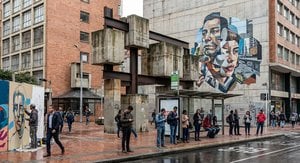
Concrete Narratives: Exploring Urban Life in Modern & Contemporary Art
Explore the evolution of cityscape painting with ArtsDot. Discover key artists from Realism to contemporary movements & invest in timeless urban visions. Expert guidance, museum-quality reproductions.