

 공유하기
공유하기 공유하기
공유하기
 상세 정보
상세 정보 가이드 보기

 다운로드
다운로드
 유사 작품 더 보기
 슬라이드 쇼 보기
 질의응답
질의응답 통계 정보
통계 정보St George (detail)


 더 보기
더 보기
지클레 / 아트 프린트
빠른 제작과 다양한 마감 옵션을 제공하는 박물관 수준의 지클레이 및 캔버스 프린트. ( 수작업 채색 복제본 주문하기 디지털 이미지로 전환)




































작품의 원본 비율을 그대로 유지하는 프리셋 사이즈 중에서 선택해 보세요.

액자나 벽면 크기에 맞춰 필요한 가로와 세로 길이를 입력해 주세요. 프린트는 원본 이미지보다 크게 제작할 수 없으며 오직 자르는 것만 가능하므로, 비율이 다른 사이즈를 선택할 경우 이미지의 일부가 잘려 나갈 수 있습니다. 인쇄 작업에 들어가기 전, 최종 확인을 위해 디지털 목업을 보내드립니다. 이 페이지에 표시된 이미지는 실제 잘리는 영역을 나타내지 않으며, 오직 목업을 통해서만 정확한 확인이 가능합니다.


 유리 옵션은 110cm 미만 크기에서만 선택 가능합니다.

St George (detail)
지클레 / 아트 프린트
복제본 크기
-


최종 결제 금액
₩ 84602
Donatello’s St. George: A Renaissance Knight of Faith and Form
The marble figure of St. George, sculpted by Donatello around 1416, stands as more than just a depiction of a saint; it's a pivotal moment in the evolution of Renaissance sculpture – a testament to the artist’s innovative spirit and his profound understanding of human form and narrative. Originally gracing the north wall of Orsanmichele, Florence’s imposing guildhall, this statue immediately captivated viewers with its dynamic energy and strikingly realistic portrayal, marking a decisive shift away from the more stylized conventions of the preceding Gothic period.
Donatello, already establishing himself as a leading figure in Florentine art, was at the peak of his creative powers when he undertook this commission for the guild of armourers. The subject itself – St. George slaying the dragon – is a potent symbol deeply rooted in Christian iconography and medieval legend. This wasn’t merely a historical narrative; it represented the triumph of good over evil, faith over darkness, and the unwavering defense of Christendom. Donatello masterfully translated this complex symbolism into a tangible form, imbuing the statue with an almost palpable sense of urgency and heroic resolve.
A Study in Movement and Technique
What immediately distinguishes St. George is not simply its subject matter but the way Donatello renders movement within a static medium. The figure isn’t rigidly posed; instead, he appears poised for action, his right leg subtly shifted forward as if bracing himself for a decisive thrust. This subtle contrapposto – a shift in weight and balance that creates an illusion of life – is revolutionary for its time, demonstrating Donatello's mastery of anatomy and his ability to capture the dynamism of human movement. The careful attention to detail—the glint of armor, the determined expression on the face, the powerful musculature beneath the fabric—all contribute to this remarkable sense of realism.
Donatello’s technique is equally noteworthy. He employed a technique known as “stiacciato,” or low relief, which allowed him to create a remarkably shallow surface. This wasn't simply a stylistic choice; it was a deliberate strategy for conveying depth and atmosphere. The background landscape—a distant cave, a colonnade, and a grove of trees—is rendered with astonishing subtlety, using the stiacciato technique to suggest perspective and distance. The figures themselves are sculpted in higher relief, drawing the viewer’s eye to the central drama of the scene – St. George confronting his formidable foe.
Symbolism and Context
Beyond its immediate visual impact, St. George embodies a complex web of symbolic meanings. As the patron saint of England, he represented courage, chivalry, and military virtue—qualities highly valued by the Florentine armourers who commissioned the statue. The dragon itself symbolizes evil, temptation, and all that opposes Christian faith. The inclusion of the princess rescued from the dragon further reinforces this narrative of salvation and redemption.
Furthermore, St. George’s placement within Orsanmichele—a building dedicated to the guilds—highlights the statue's significance as a symbol of civic pride and religious devotion. The guild of armourers sought to honor their patron saint, not only through artistic representation but also by associating themselves with his virtues and ideals. The statue served as a constant reminder of their commitment to both craftsmanship and faith.
A Legacy in Marble
Donatello’s St. George is more than just a beautiful sculpture; it's a landmark achievement in the history of Renaissance art. It demonstrated a new approach to sculpting, one that prioritized realism, dynamism, and expressive emotion. The statue’s influence can be seen in countless subsequent works of art, solidifying Donatello’s place as one of the most important sculptors of his era. Today, a faithful replica stands proudly at the Bargello Museum in Florence, allowing viewers to appreciate the enduring power and beauty of this remarkable masterpiece.
질의응답
도나텔로의 "St George (detail)"은(는) Early Renaissance 내에서 어떤 분위기를 자아내나요?
"St George (detail)"의 Reflective한 정서는 Early Renaissance 양식과 조화를 이룹니다.
"St George (detail)"의 작가는 누구이며 어떤 화풍인가요?
"St George (detail)"은(는) 도나텔로의 작품으로, Early Renaissance 운동을 대표합니다.
"St George (detail)"의 재료와 화풍은 무엇인가요?
"St George (detail)"은(는) Early Renaissance 양식의 Marble 기법으로 제작되었습니다.


작가 정보
초기 생애와 예술적 여정
도나토 디 니콜로 디 베토 바르디, 우리에게 도나텔로라는 이름으로 더욱 친숙한 이 위대한 거장은 1386년경 이탈리아 피렌체에서 태어났습니다. 그는 고전 조각을 깊이 있게 연구하며 그 정수를 흡수하였고, 이는 훗날 초기 르네상스 양식을 구축하는 데 결정적인 밑거름이 되었습니다. 예술과 문화를 바라보는 그의 혁신적인 시선은 결국 피렌체 르네상스를 상징하는 독보적인 이정표가 되었습니다.혁신적인 걸작과 예술적 성취
도나텔로의 가장 찬란한 업적으로 손꼽히는 '다비드'는 고대 이후 최초로 제작된 독립형 남성 누드 조각이라는 기념비적인 의미를 지닙니다. 메디치 가문의 의뢰로 탄생한 이 작품은 그의 실험적인 스타일과 탁월한 기술적 숙련도를 여실<|channel>로 보여줍니다. 그의 예술적 천재성은 다른 걸작들에서도 빛을 발합니다:- 툴루즈의 성 루이 (현재 산타 크로체 대성당 박물관 소장)는 도나텔로가 직접 설계한 고전적인 프레임이 조화를 이루며 깊은 울림을 줍니다.
- 이삭의 희생은 피렌체 산타 마리아 델 피오레 대성당의 종탑을 위해 제작되었으며, 인물의 특징을 포착한 강렬한 초상적 세밀함이 일품입니다.
- 산타 크로체를 위한 십자가 고난 (1425)은 그리스도의 극심한 고통의 순간을 생생하게 그려내어 보는 이의 마음을 뒤흔듭니다.
예술적 양식과 불멸의 유산
도나텔로의 예술 세계는 표현력의 발전과 고전적인 기념비성이라는 커다란 흐름으로 나뉩니다. 그의 파격적인 시도는 당대 사회에 즉각적으로 수용되지는 않았으나, 시간이 흐를수록 대중의 뜨거운 사랑을 받으며 이탈리아의 여러 궁정과 유럽 전역의 예술가들에게 지대한 영향을 미쳤습니다. 주요 예술 사조:- 이탈리아 르네상스
- 초기 르네상스
- 피렌체 르네상스 미술
인간적인 면모와 작업 방식
도나텔로는 성품이 온화하고 주변 사람들에게 큰 사랑을 받는 인물이었으나, 예술적 천재성에 비해 비즈니스적인 감각은 다소 부족했습니다. 그는 자신이 감당할 수 있는 수준보다 더 많은 의뢰를 맡는 경향이 있었고, 이로 인해 작업이 늦어지거나 때로는 다른 조각가들에게 작업을 넘겨주기도 했습니다. 주목할 만한 예술가와 작품들:박물관 및 예술 컬렉션:
- 콜레기아타 박물관 (이탈리아 엠폴리): 프란체스코 보티치니와 라파엘로 보티치니의 작품을 만날 수 있는 르네상스의 숨겨진 보석입니다.
- 초기 이탈리아 르네상스 예술 운동

도나텔로
1386 - 1466 , 이탈리아
작가 정보 요약
- Artistic Movement Or Style: 초기 르네상스
- Artists Or Movements Influenced By This Artist:
- 이탈리아 르네상스
- 초기 르네상스
- 피렌체 르네상스
- Artists Who Influenced This Artist: ['고전 조각']
- Date Of Birth: 약 1386년
- Date Of Death: 1466년
- Full Name: 도나텔로 디 니콜로
- Nationality: 이탈리아
- Notable Artworks:
- 다비드
- 툴루즈의 성 루이
- 이삭의 희생
- 십자가
- Place Of Birth: 이탈리아 피렌체
관련 콘텐츠

Bronze Sculptures That Defined Art History | ArtsDot
Journey through art history with our Top 10 bronze sculptures! Explore masterpieces by Rodin, Michelangelo & more. Discover stories behind iconic statues and find museum-quality reproductions for your home decor at ArtsDot.com.

The Enduring Form: Exploring Themes & Techniques in Sculpture Across Historical Periods
Explore the rich history of sculpture from ancient masterpieces to contemporary innovations. Discover key techniques, influential artists & investment potential for discerning art collectors.
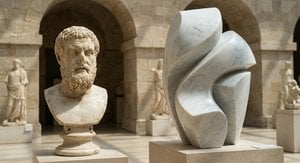
The Enduring Allure of Marble in Art History: From Classical Sculpture to Modern Abstraction
Explore the captivating history of marble sculpture from ancient Greece to modern art. Discover renowned artists like Canova & Michelangelo, carving techniques, and investment insights at ArtsDot.

조르주 브라크의 걸작 25선: 예술과 공간을 초월하는 시선 | ArtsDot
조르주 브라크의 시대를 초월한 25개의 걸작을 만나보세요. 입체주의를 개척한 프랑스 화가의 예술 세계와 숨겨진 이야기를 ArtsDot에서 감상하고, 명작 유화 복제본으로 공간에 특별함을 더하세요. 지금 바로 컬렉션을 탐험하세요!

조르주 쇠라 대표작 25선: 빛과 색의 혁신, 당신의 공간에 예술을 더하세요
조르주 쇠라의 대표작 25선을 만나보세요. 점묘법의 혁신과 빛, 색채의 아름다움이 담긴 명작들을 감상하고, 인테리어에 예술적인 영감을 더하세요. ArtsDot.com에서 고품질 미술 작품을 컬렉션해보세요.