


 실제 크기로 보기
 보내기
보내기 공유하기
공유하기
 상세 보기
상세 보기 가이드 보기

 이미지 다운로드
 유사 작품 더 보기
 X-레이
X-레이 슬라이드 쇼 보기
 통계 정보
통계 정보Pulpit
 Early Renaissance
 1438
1438 73.0 x 79.0 cm
 Cathedral
 상세 보기
상세 보기
지클레 / 아트 프린트
빠른 제작과 다양한 마감 옵션을 선택할 수 있는 박물관 수준의 지클레이 및 캔버스 프린트. ( 수작업 채색 복제본 주문하기 디지털 이미지 판매 채널로 전환)




































작품의 원본 비율을 그대로 유지하는 프리셋 사이즈 중에서 선택해 보세요.

특정 프레임이나 공간에 맞춰 직접 치수를 입력하실 수 있습니다. 선택하신 사이즈가 원본 이미지의 비율과 일치하지 않을 경우, 작품을 크롭(자르기)하거나 이미지를 대칭 또는 단색 채우기로 확장하여 제작합니다. 제작 시작 전, 최종 확인을 위해 디지털 목업이 전송됩니다.
화면상의 미리보기는 실제 크롭이나 확장 상태를 반영하지 않으므로, 최종 구도는 오직 목업을 통해서만 정확하게 확인하실 수 있습니다.
맞춤 사이즈 제작도 가능하지만, 원본 비율을 유지하기 위해서는 사전 정의된 목록에서 치수를 선택하시는 것을 권장합니다.


 유리 옵션은 110cm 미만 크기에서만 선택 가능합니다.

Pulpit
지클레 / 아트 프린트
복제본 규격
-


총 결제 금액
₩ 83150
A Masterpiece of Renaissance Sculpture: Donatello's Marble Pulpit
Donatello’s marble pulpit, created in 1438 for the Church of San Lorenzo in Florence, stands as a pivotal work within the Early Renaissance. This remarkable structure transcends its functional purpose—to provide a raised platform for delivering sermons—becoming a breathtaking display of artistic innovation and technical skill. The photograph captures a detailed close-up of this architectural marvel, revealing the intricate relief panels that adorn its exterior. The image allows us to appreciate the sheer artistry involved in transforming marble into a vibrant narrative tapestry. While the original pulpit has undergone significant alterations over time, this photographic study offers a glimpse into its initial splendor and Donatello’s vision.Style & Technique: Bridging Gothic Tradition with Renaissance Humanism
Donatello's work on the pulpit represents a fascinating transition from late Gothic aesthetics to the burgeoning humanism of the Early Renaissance. While influenced by earlier decorative traditions, particularly those seen in the works of Nicola Pisano, Donatello infused his carvings with a newfound realism and dynamism. The style is characterized by an attention to detail that brings the figures—both human and animal—to life. The use of *rilievo schiacciato* (flattened relief) – a technique where shallow carving creates depth and perspective - demonstrates Donatello’s mastery of manipulating light and shadow to enhance the three-dimensional effect. The photograph highlights this skill, showcasing how subtle variations in the marble's surface create an illusion of movement and volume. The composition skillfully balances the curved form of the pulpit with strong architectural lines, creating a harmonious visual experience.Symbolism & Narrative: A Tapestry of Biblical Stories
Though the precise narrative depicted within the relief panels remains partially obscured in this close-up view, it is understood that they illustrate scenes from the Old and New Testaments, likely chosen to reinforce the sermons delivered from the pulpit. The figures engaged in various activities suggest a rich tapestry of biblical stories—a visual sermon for those who could not read. The inclusion of animals alongside human figures adds another layer of complexity, potentially symbolizing virtues or vices associated with specific narratives. Beyond the literal depiction of religious scenes, the pulpit itself embodies a sense of reverence and devotion. The meticulous craftsmanship speaks to the importance placed on artistic excellence during the Renaissance, reflecting a renewed appreciation for classical ideals and human potential.Emotional Impact & Legacy: A Timeless Expression of Artistic Mastery
Viewing this photograph evokes a profound sense of historical significance and artistic mastery. Donatello’s pulpit is not merely a decorative element; it's a testament to the power of art to inspire, educate, and uplift. The quiet grandeur and timeless beauty captured in the image resonate with viewers across centuries. Donatello’s innovations—his realistic portrayal of human figures, his pioneering use of *rilievo schiacciato*, and his integration of classical elements—profoundly influenced subsequent generations of artists, including Michelangelo. Owning a reproduction of this iconic work allows you to bring a piece of Renaissance history into your home or office, creating an atmosphere of sophistication and intellectual curiosity. It serves as a constant reminder of the enduring power of human creativity and the pursuit of artistic excellence.질의응답
"Pulpit"이(가) 제작되었을 당시 도나텔로의 나이는 어떻게 되었나요?
도나텔로은(는) 52세에 "Pulpit"을(를) 제작했습니다. 작가는 1386년에 태어났으며, 이 작품의 제작 연도는 1438년입니다.
"Pulpit"은(는) 어떤 화풍에 속하나요?
"Pulpit"은(는) Early Renaissance 양식의 작품입니다. 이 사조는 해당 작품이 속한 예술적 전통을 나타냅니다.
도나텔로의 "Pulpit"을(를) 슬라이드쇼로 어떻게 감상할 수 있나요?
슬라이드쇼를 이용하실 수 있습니다: 도나텔로의 "Pulpit"의 슬라이드쇼 페이지.
증강 현실(AR)을 사용하여 제 방에 도나텔로의 "Pulpit"를 배치해 볼 수 있나요?
"Pulpit"은(는) 증강 현실 미리보기를 제공합니다. 작품의 AR 미리보기 페이지를 통해 호환 가능한 기기에서 여러분의 공간에 배치된 작품을 확인해 보세요.
"Pulpit"의 작가는 누구인가요?
"Pulpit"의 작가는 도나텔로입니다. 이 작품은 도나텔로의 이름으로 등록되어 있습니다.
"Pulpit"의 색감은 얼마나 강렬한가요?
도나텔로의 "Pulpit"의 색채는 Muted의 채도와 Monochromatic의 강도를 보여줍니다.
도나텔로의 "Pulpit"의 제작 연도는 언제인가요?
도나텔로의 "Pulpit"의 제작 연도는 1438년입니다.


작가 소개
초기 생애와 예술적 여정
도나토 디 니콜로 디 베토 바르디, 우리에게 도나텔로라는 이름으로 더욱 친숙한 이 위대한 거장은 1386년경 이탈리아 피렌체에서 태어났습니다. 그는 고전 조각을 깊이 있게 연구하며 그 정수를 흡수하였고, 이는 훗날 초기 르네상스 양식을 구축하는 데 결정적인 밑거름이 되었습니다. 예술과 문화를 바라보는 그의 혁신적인 시선은 결국 피렌체 르네상스를 상징하는 독보적인 이정표가 되었습니다.혁신적인 걸작과 예술적 성취
도나텔로의 가장 찬란한 업적으로 손꼽히는 '다비드'는 고대 이후 최초로 제작된 독립형 남성 누드 조각이라는 기념비적인 의미를 지닙니다. 메디치 가문의 의뢰로 탄생한 이 작품은 그의 실험적인 스타일과 탁월한 기술적 숙련도를 여실<|channel>로 보여줍니다. 그의 예술적 천재성은 다른 걸작들에서도 빛을 발합니다:- 툴루즈의 성 루이 (현재 산타 크로체 대성당 박물관 소장)는 도나텔로가 직접 설계한 고전적인 프레임이 조화를 이루며 깊은 울림을 줍니다.
- 이삭의 희생은 피렌체 산타 마리아 델 피오레 대성당의 종탑을 위해 제작되었으며, 인물의 특징을 포착한 강렬한 초상적 세밀함이 일품입니다.
- 산타 크로체를 위한 십자가 고난 (1425)은 그리스도의 극심한 고통의 순간을 생생하게 그려내어 보는 이의 마음을 뒤흔듭니다.
예술적 양식과 불멸의 유산
도나텔로의 예술 세계는 표현력의 발전과 고전적인 기념비성이라는 커다란 흐름으로 나뉩니다. 그의 파격적인 시도는 당대 사회에 즉각적으로 수용되지는 않았으나, 시간이 흐를수록 대중의 뜨거운 사랑을 받으며 이탈리아의 여러 궁정과 유럽 전역의 예술가들에게 지대한 영향을 미쳤습니다. 주요 예술 사조:- 이탈리아 르네상스
- 초기 르네상스
- 피렌체 르네상스 미술
인간적인 면모와 작업 방식
도나텔로는 성품이 온화하고 주변 사람들에게 큰 사랑을 받는 인물이었으나, 예술적 천재성에 비해 비즈니스적인 감각은 다소 부족했습니다. 그는 자신이 감당할 수 있는 수준보다 더 많은 의뢰를 맡는 경향이 있었고, 이로 인해 작업이 늦어지거나 때로는 다른 조각가들에게 작업을 넘겨주기도 했습니다. 주목할 만한 예술가와 작품들:박물관 및 예술 컬렉션:
- 콜레기아타 박물관 (이탈리아 엠폴리): 프란체스코 보티치니와 라파엘로 보티치니의 작품을 만날 수 있는 르네상스의 숨겨진 보석입니다.
- 초기 이탈리아 르네상스 예술 운동

도나텔로
1386 - 1466 , 이탈리아
작가 정보 요약
- Artistic Movement Or Style: 초기 르네상스
- Artists Or Movements Influenced By This Artist:
- 이탈리아 르네상스
- 초기 르네상스
- 피렌체 르네상스
- Artists Who Influenced This Artist: ['고전 조각']
- Date Of Birth: 약 1386년
- Date Of Death: 1466년
- Full Name: 도나텔로 디 니콜로
- Nationality: 이탈리아
- Notable Artworks:
- 다비드
- 툴루즈의 성 루이
- 이삭의 희생
- 십자가
- Place Of Birth: 이탈리아 피렌체
관련 기사
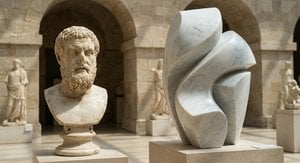
The Enduring Allure of Marble in Art History: From Classical Sculpture to Modern Abstraction
Explore the captivating history of marble sculpture from ancient Greece to modern art. Discover renowned artists like Canova & Michelangelo, carving techniques, and investment insights at ArtsDot.

Bronze Age to Modern Masters: 10 Sculptures That Redefined Art | ArtsDot
Journey through art history with 10 legendary bronze sculptures – from Michelangelo's David to Rodin’s Thinker. Explore the stories, techniques & timeless beauty of these masterpieces. Find museum-quality reproductions & elevate your home decor on ArtsDot.com.

The Enduring Form: Exploring Themes & Techniques in Sculpture Across Historical Periods
Explore the rich history of sculpture from ancient masterpieces to contemporary innovations. Discover key techniques, influential artists & investment potential for discerning art collectors.

The Enduring Form: Sculpture Across History, Technique & Emotional Resonance
Explore the rich history of sculpture with ArtsDot. Discover key techniques, influential artists & investment potential for discerning collectors. Expert insights into valuing and collecting timeless masterpieces.

Bronze Sculptures That Defined Art History | ArtsDot
Journey through art history with our Top 10 bronze sculptures! Explore masterpieces by Rodin, Michelangelo & more. Discover stories behind iconic statues and find museum-quality reproductions for your home decor at ArtsDot.com.