
- 홈

- 유화 복제화
- david heinz gumbel
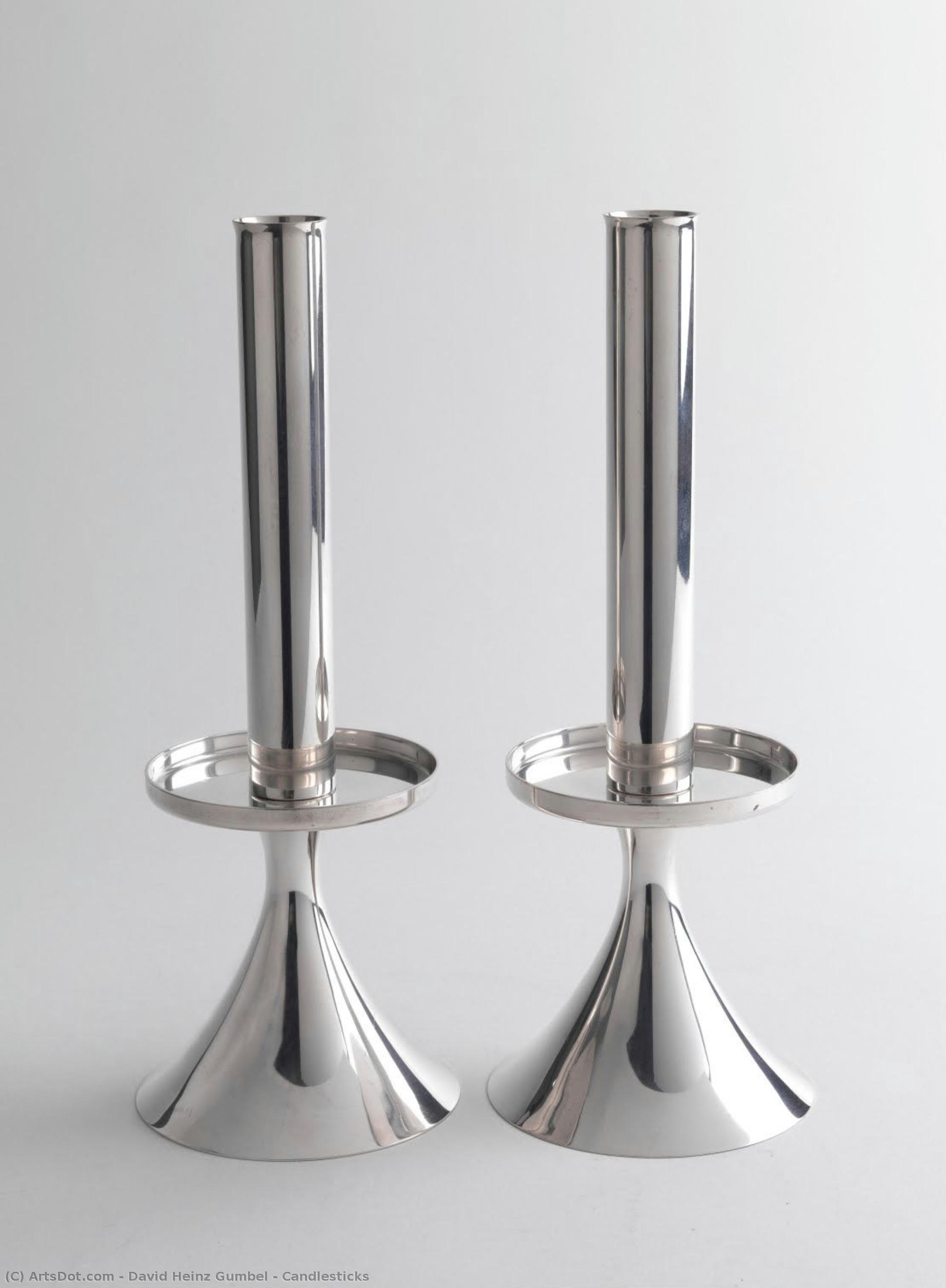
- Candlesticks
 미리보기
미리보기
 공유하기
공유하기 공유하기
공유하기
 상세 정보
상세 정보

 다운로드
다운로드
 유사 작품
유사 작품 X-레이
X-레이 슬라이드 쇼
Candlesticks


 더 보기
더 보기
수제 유화 복제품
원하는 크기와 액자로 주문 제작되는, 작가들이 직접 캔버스에 손으로 그린 유화 작품입니다. ( 프린트 주문으로 전환 이미지로 전환)




































작품의 원본 비율을 유지하는 미리 설정된 크기 중에서 선택하세요.

특정 프레임이나 공간에 맞도록 직접 크기를 입력할 수 있습니다. 선택하신 크기가 원본 이미지의 비율과 일치하지 않는 경우, 작품을 자르거나 추가적인 손으로 그린 요소를 사용하여 그림을 확장합니다. 제작 시작 전 승인을 위해 디지털 목업을 보내드립니다.
화면 미리 보기는 실제 자르기 또는 확장을 반영하지 않습니다. 최종 구성은 목업을 통해서만 정확하게 확인하실 수 있습니다.
맞춤 크기 제작도 가능하지만, 원본 비율을 유지하기 위해 사전 정의된 목록에서 크기를 선택하시는 것을 권장합니다.
주문 후 ArtsDot.com 팀에서 상세 안내를 위해 고객님께 이메일을 보내드리며, 미리보기 시안을 제공해 드립니다.


 유리 옵션은 110cm 미만 크기에서만 선택 가능합니다.

Candlesticks
재현 기법
복제본 크기
-


최종 결제 금액
$ 263
유사한 작품들


작가 약력
A Legacy Forged in Silver: The Life and Work of David Heinz Gumbel
David Heinz Gumbel, born in Berlin in 1906, stands as a pivotal figure in the development of modern Judaica. His life story is one deeply intertwined with the tumultuous currents of the 20th century—a journey from the vibrant artistic milieu of pre-war Germany to the pioneering spirit of Israel’s nascent art scene. Gumbel wasn't merely a silversmith; he was a cultural translator, seamlessly blending the austere elegance of Bauhaus design principles with the profound symbolism and traditions of Jewish ritual objects. His work represents a conscious effort to forge a new aesthetic identity for Judaica in the modern age, one that resonated with both spiritual depth and contemporary sensibilities.From Berlin Workshops to Palestine’s Shores
Gumbel received his formal training at the Kunstgewerbeschule in Berlin-Charlottenberg from 1927 to 1931. Though he never directly studied *at* the Bauhaus, its influence permeated the artistic atmosphere of the time and profoundly shaped his approach to design. The emphasis on functionalism, clean lines, and unadorned surfaces became hallmarks of his style. However, Gumbel’s early work wasn't simply a replication of Bauhaus aesthetics; he began to infuse it with subtle references to Jewish iconography and tradition. As the political climate in Germany darkened, Gumbel, like many other artists and intellectuals, faced increasing persecution. In 1934, he made the momentous decision to emigrate to Palestine, seeking refuge and a new artistic home. This relocation proved transformative, not only for his personal life but also for the trajectory of his art.The New Bezalel and the Reimagining of Ritual
Upon arriving in Palestine, Gumbel joined the faculty of the newly established New Bezalel School in Jerusalem. Under the direction of Joseph Budko, Bezalel became a hub for artists dedicated to creating a distinctly Israeli artistic identity—one that drew inspiration from both local traditions and international modernism. It was here that Gumbel truly flourished, teaching silversmithing, hammered work, and jewelry design. He championed a style that prioritized streamlined forms, graceful contours, and the integration of Hebrew texts into his designs. His approach wasn’t about rejecting tradition but rather *reinterpreting* it through a modern lens. He believed in creating objects that were both beautiful and functional, imbued with spiritual meaning yet accessible to contemporary sensibilities.Candlesticks, Hanukkah Lamps, and the Declaration of Independence
Gumbel's oeuvre encompasses a wide range of ceremonial objects—candlesticks, Kiddush cups, menorahs, Torah arks—each meticulously crafted in silver. His candlesticks, for example, are not merely light sources; they are elegant sculptures that evoke a sense of reverence and tranquility. The Hanukkah lamps he created during this period stand out for their innovative designs, often incorporating geometric forms and minimalist aesthetics. Perhaps his most significant commission came in 1949 when he was tasked with creating the case to house Israel’s Declaration of Independence. This smooth silver cylinder, adorned with the symbol of the new State of Israel and inscribed with the date of the declaration, became a powerful emblem of national identity and artistic achievement. This piece encapsulates Gumbel's ability to synthesize artistry, symbolism, and historical significance.A Lasting Influence on Israeli Art
David Heinz Gumbel passed away in 1992, leaving behind a rich legacy that continues to inspire artists and designers today. His work played a crucial role in establishing a new aesthetic vocabulary for Judaica, one that embraced modernism while remaining deeply rooted in Jewish tradition. He demonstrated the power of art to not only reflect cultural values but also to shape them. His influence can be seen in the works of subsequent generations of Israeli silversmiths and designers who continue to explore the intersection of spirituality, craftsmanship, and contemporary aesthetics. His pieces are held in prominent collections, including those of The Jewish Museum in New York and the Israel Museum, ensuring that his vision—a legacy forged in silver—will endure for years to come.
david heinz gumbel
1906 - 1992 , Germany
주요 정보
- Artistic Movement Or Style: Modern Judaica design
- Artists Who Influenced This Artist: ['Bauhaus school']
- Date Of Birth: 1906
- Date Of Death: 1992
- Full Name: David Heinz Gumbel
- Nationality: Israeli
- Notable Artworks:
- Hanukkah Lamp
- Candlesticks
- Place Of Birth: Berlin, Germany

