

 미리보기
미리보기
 공유하기
공유하기 공유하기
공유하기
 상세 정보
상세 정보 가이드 보기

 다운로드
다운로드
 유사 작품 더 보기
 X-레이
X-레이 슬라이드 쇼 보기
 질의응답
질의응답 통계 정보
통계 정보Self-Portrait

- 183.0 x 137.0 cm


 더 보기
더 보기
지클레 / 아트 프린트
빠른 제작과 다양한 마감 옵션을 제공하는 박물관 수준의 지클레이 및 캔버스 프린트. ( 수작업 채색 복제본 주문하기 디지털 이미지로 전환)




P118B ₩10

P118H ₩10

P118W ₩10

P438Z ₩10

P508JH ₩12

P508YH ₩12

P805H ₩10

P805Z ₩10

P919BZ ₩10

P919G ₩10

P919XJ ₩10

P959ZH ₩10

P968JZ ₩12

W106C ₩8

W218G ₩10

W218JH ₩8

W218Y ₩10

W307PJ ₩10

W316G ₩10

W316PJ ₩8

W316Y ₩10

W398PJ ₩8

W4111J ₩10

W500HY ₩15

W500JH ₩15

W692G ₩12

W849H ₩8

W940BG ₩15

W953PJ ₩8




작품의 원본 비율을 그대로 유지하는 프리셋 사이즈 중에서 선택해 보세요.

액자나 벽면 크기에 맞춰 필요한 가로와 세로 길이를 입력해 주세요. 프린트는 원본 이미지보다 크게 제작할 수 없으며 오직 자르는 것만 가능하므로, 비율이 다른 사이즈를 선택할 경우 이미지의 일부가 잘려 나갈 수 있습니다. 인쇄 작업에 들어가기 전, 최종 확인을 위해 디지털 목업을 보내드립니다. 이 페이지에 표시된 이미지는 실제 잘리는 영역을 나타내지 않으며, 오직 목업을 통해서만 정확한 확인이 가능합니다.


 유리 옵션은 110cm 미만 크기에서만 선택 가능합니다.

Self-Portrait
지클레 / 아트 프린트
복제본 크기
-


최종 결제 금액
₩ 83588
David Bailly’s “Self-Portrait” – A Window into Dutch Golden Age Soul
David Bailly's "Self-Portrait," painted in 1625, isn’t merely a likeness; it’s a carefully constructed meditation on identity, artistry, and the fleeting nature of existence—a quintessential example of the introspective spirit flourishing during the Netherlands’ Golden Age. This remarkable work, rendered in meticulous pen and ink on light brown paper, offers a rare glimpse into the mind of an artist deeply engaged with his craft and the world around him. The painting immediately draws the viewer in with Bailly's direct gaze, a subtle challenge and invitation to contemplate the scene before them.
The composition is deceptively simple yet profoundly layered. Bailly presents himself in a three-quarter pose, seated at a wooden table cluttered with the tools of his trade: brushes, scissors, and a rolled-up sheet of paper—each element whispering tales of creative process and intellectual pursuit. The stark contrast between the dark, densely hatched areas of his clothing and the lighter, more open spaces around him immediately establishes a sense of depth and texture. Bailly’s face is rendered with an astonishing level of detail; the delicate lines defining his curly hair, the prominent nose, and the expressive eyes all contribute to a portrait that feels remarkably alive. The inclusion of a white collar, a fashionable accessory of the period, adds a touch of formality while simultaneously highlighting the artist's self-awareness.
The Baroque Influence & Vanitas Symbolism
Bailly’s style firmly resides within the Baroque tradition, though tempered by his distinctly Dutch sensibility. The influence is evident in the dramatic lighting—a diffused quality that casts subtle shadows and highlights—and the intricate detailing of every element within the composition. However, unlike the grandiosity often associated with Baroque art, Bailly's work possesses a quiet intimacy. He masterfully employs hatching and cross-hatching to build up tonal values, creating a sense of volume and texture without resorting to heavy brushstrokes or vibrant colors. This technique is particularly evident in the depiction of his jacket, where the meticulous lines create a complex pattern that suggests both skill and patience.
Crucially, “Self-Portrait” incorporates elements of *vanitas*, a symbolic genre popular during the Baroque period. The inclusion of tools like scissors and the rolled-up paper serves as reminders of the ephemeral nature of artistic creation—a fleeting moment captured on paper. The table itself is laden with objects that speak to mortality: a partially consumed candle, suggesting the passage of time; and the very act of painting, an endeavor requiring sustained effort and ultimately leading to the artist’s own eventual demise. These subtle yet potent symbols invite contemplation on themes of life, death, and the transient beauty of the world.
A Window into a Dutch Master's Life
Beyond its artistic merits, “Self-Portrait” offers valuable insights into the life of David Bailly himself. Born in Leiden in 1584, Bailly’s early training involved apprenticeships with skilled craftsmen—a testament to the importance of practical experience in the Netherlands’ burgeoning art scene. His travels throughout Europe, particularly his sojourn in Rome, exposed him to the artistic innovations of the Renaissance and Baroque periods, which undoubtedly influenced his style. The painting can be seen as a reflection of this journey – a distillation of experiences and influences into a single, powerful image.
Bailly’s legacy extends beyond his portraits and still lifes. He was also a respected teacher, passing on his knowledge and techniques to subsequent generations of artists. “Self-Portrait” stands as a poignant reminder of the artist's dedication to both his craft and his students, solidifying his place as a pivotal figure in Dutch Golden Age art. It’s a work that continues to resonate with viewers today, offering a glimpse into the soul of an extraordinary man and the enduring power of artistic self-expression.
Further Exploration & Reproduction Details
For those seeking deeper understanding, resources like WikiArt (https://www.wikiart.org/en/david-bailly/self-portrait-1625) and Wikipedia (https://en.wikipedia.org/wiki/David_Bailly) offer extensive biographical information and critical analyses of Bailly’s work. The painting itself is a remarkable example of 17th-century artistry, showcasing the precision and skill of pen and ink techniques.
ArtsDot offers high-quality reproductions of “Self-Portrait,” meticulously crafted to capture the essence of Bailly's original masterpiece. These reproductions are ideal for interior design, art collecting, or simply as a beautiful reminder of this iconic work of Dutch Golden Age art. Consider commissioning a hand-painted reproduction – a truly unique and authentic addition to any collection.
질의응답
"Self-Portrait"은(는) 누가, 몇 년도에 제작했을까요?
"Self-Portrait"은(는) 1625년 다비드 바일리의 작품입니다.
다비드 바일리의 "Self-Portrait"의 복제화가 공간에 어떤 분위기를 선사할까요?
다비드 바일리의 "Self-Portrait"의 Calm한 분위기는 추천 공간인 Living Room과 완벽하게 어우러집니다.
다비드 바일리의 "Self-Portrait"은 어떤 분위기와 감정을 담고 있나요?
다비드 바일리의 "Self-Portrait"은(는) 전반적인 Calm 분위기 속에서 Reflective한 느낌을 전달합니다.
유사한 작품들


관련 콘텐츠

Dutch Baroque Masters: 10 Paintings That Shaped an Era | ArtsDot
Journey through the Golden Age with our guide to the Top 10 Dutch Baroque masterpieces! Explore iconic paintings by Rembrandt, Vermeer & Frans Hals. Find museum-quality art reproductions and elevate your home decor at ArtsDot.com.

유화 초상화를 통한 반려동물의 영혼 포착: 정밀 묘사와 예술적 유산의 창조
ArtsDot에서 반려동물의 영혼을 담은 특별한 유화 초상화를 만나보세요. 숙련된 장인의 손길로 제작되는 핸드 페인팅 작품으로, 당신의 삶에 깊이 새겨진 추억을 영원히 간직할 수 있습니다. 지금 바로 주문하세요!

The Echo of Self: Reflectivity as a Core Theme in Art History & Contemporary Practice
Explore the rich history of self-representation in art, from Renaissance masters to modern innovators. Discover how artists use portraiture to reveal identity, emotion & the depths of the human psyche. Expert insights for collectors.
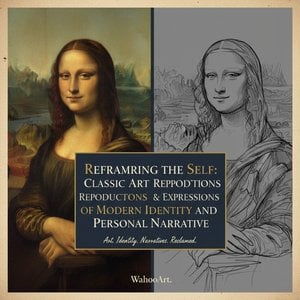
맞춤형 예술 복제를 통한 현대적 정체성 표현 및 개인 서사 구축
나만의 개성을 담은 맞춤형 예술 복제 작품을 만나보세요. 전문 화가들이 제작하는 고품질 유화, 초상화로 특별한 공간과 의미를 더하세요. 지금 바로 상담받고 삶의 서사를 예술로 표현해보세요!

Illuminating Shadows: A Comprehensive Exploration of 17th-Century Painting – Themes, Techniques, and Enduring Legacy
Explore the captivating world of 17th-century painting! Discover Baroque masters like Rembrandt & Caravaggio, learn about chiaroscuro techniques, and delve into Dutch Golden Age realism. Expert insights for art lovers & collectors.