

 미리보기
미리보기
 공유하기
공유하기 공유하기
공유하기
 상세 정보
상세 정보 가이드 보기

 다운로드
다운로드
 유사 작품 더 보기
 X-레이
X-레이 슬라이드 쇼 보기
 질의응답
질의응답 통계 정보
통계 정보Study for


 더 보기
더 보기
지클레 / 아트 프린트
빠른 제작과 다양한 마감 옵션을 제공하는 박물관 수준의 지클레이 및 캔버스 프린트. ( 수작업 채색 복제본 주문하기 디지털 이미지로 전환)




P118B ₩10

P118H ₩10

P118W ₩10

P438Z ₩10

P508JH ₩12

P508YH ₩12

P805H ₩10

P805Z ₩10

P919BZ ₩10

P919G ₩10

P919XJ ₩10

P959ZH ₩10

P968JZ ₩12

W106C ₩8

W218G ₩10

W218JH ₩8

W218Y ₩10

W307PJ ₩10

W316G ₩10

W316PJ ₩8

W316Y ₩10

W398PJ ₩8

W4111J ₩10

W500HY ₩15

W500JH ₩15

W692G ₩12

W849H ₩8

W940BG ₩15

W953PJ ₩8




작품의 원본 비율을 그대로 유지하는 프리셋 사이즈 중에서 선택해 보세요.

액자나 벽면 크기에 맞춰 필요한 가로와 세로 길이를 입력해 주세요. 프린트는 원본 이미지보다 크게 제작할 수 없으며 오직 자르는 것만 가능하므로, 비율이 다른 사이즈를 선택할 경우 이미지의 일부가 잘려 나갈 수 있습니다. 인쇄 작업에 들어가기 전, 최종 확인을 위해 디지털 목업을 보내드립니다. 이 페이지에 표시된 이미지는 실제 잘리는 영역을 나타내지 않으며, 오직 목업을 통해서만 정확한 확인이 가능합니다.


 유리 옵션은 110cm 미만 크기에서만 선택 가능합니다.

Study for
지클레 / 아트 프린트
복제본 크기
-


최종 결제 금액
₩ 84026
A Glimpse into Rossetti’s Mystical World: “Study for”
This captivating chalk study by Dante Gabriel Rossetti, created in 1870 and currently housed at the William Morris Gallery in Walthamstow, United Kingdom, offers a rare window into the creative process of one of the Pre-Raphaelite Brotherhood’s most enigmatic figures. More than just a preparatory sketch, it is a work of art in its own right, brimming with symbolism and emotional resonance.Subject & Narrative
The composition depicts a scene steeped in medieval lore: Michael Scott, a Scottish magician and astronomer, bestowing a ring upon a young girl. Jane Morris, the iconic muse and wife of William Morris, occupies the central position with serene composure. A winged figure representing Love gazes upwards, seemingly detached from the earthly exchange, while a draped woman adds a dynamic element, intersecting the scene and creating visual tension. The work was intended as a study for an oil painting commissioned in 1871 that unfortunately remained unfinished.Style & Technique
Rossetti’s masterful use of chalk allows for an extraordinary level of delicacy and expressiveness. The subtle gradations of tone, achieved through shading and layering, create a remarkable sense of depth and texture despite the monochromatic palette. The flowing lines define forms with graceful contours, characteristic of Rossetti's aesthetic. This study exemplifies his ability to capture not just physical likeness but also the *inner life* of his subjects.Historical & Artistic Context
As a founding member of the Pre-Raphaelite Brotherhood, Rossetti rejected the academic conventions of his time, seeking inspiration in the art and literature of the early Italian Renaissance – before Raphael. This movement championed beauty, detail, and emotional intensity. “Study for” embodies these principles, reflecting a fascination with medieval themes, mysticism, and a rejection of industrialization’s impact on artistic expression. The Pre-Raphaelites sought to return to what they perceived as a more authentic and spiritually resonant form of art.Symbolism & Interpretation
The symbolism within the work is rich and layered. Jane Morris, frequently depicted in Rossetti's works, embodies an idealized beauty and often represents unattainable desire or tragic fate. The ring itself could symbolize betrothal, enchantment, or a binding agreement. The winged figure of Love’s upward gaze suggests a longing for the divine or a detachment from earthly concerns. The draped woman introduces an element of mystery and perhaps foreshadowing. It is believed that Rossetti drew inspiration from sources like *The Divine Comedy* by Dante Alighieri, adding another layer of intellectual depth to the piece.Emotional Impact & Aesthetic Appeal
“Study for” evokes a mood of quiet contemplation and melancholic beauty. The subdued tones and delicate lines create an atmosphere of intimacy and mystery. It’s a work that invites viewers to lose themselves in its intricate details and ponder its symbolic meaning. The piece resonates with a timeless quality, appealing to those who appreciate both artistic skill and intellectual depth.For Collectors & Designers
This study is not merely a historical artifact; it’s a powerful statement of aesthetic vision. A high-quality reproduction would serve as a stunning focal point in any interior, adding a touch of Pre-Raphaelite elegance and intrigue. Its muted palette complements a variety of décor styles, from traditional to contemporary. The artwork's themes of love, magic, and the passage of time make it a conversation starter and a source of enduring inspiration.- Style: Pre-Raphaelite
- Medium: Chalk on paper
- Date: 1870
- Location: William Morris Gallery, London, UK
질의응답
단테 가브리엘 로세티의 "Study for"의 색채는 작품이 전달하는 감정과 어떻게 연결되나요?
단테 가브리엘 로세티의 "Study for"의 Dark 색조는 작품 특유의 Melancholic 분위기와 조화를 이룹니다. 색채는 작품이 감정을 전달하는 핵심적인 요소 중 하나입니다.
"Study for"의 Square 형식은 어디에 전시하는 것이 가장 좋을까요?
단테 가브리엘 로세티의 "Study for"의 작품 형태(Square)와 추천 공간(Living Room)은 이 작품을 위한 두 가지 배치 정보입니다.
단테 가브리엘 로세티의 "Study for"의 수작업 복제화는 어디에서 구매할 수 있나요?
단테 가브리엘 로세티의 "Study for"의 수작업 복제화는 이 사이트의 수작업 유화 복제화 페이지를 통해 리넨 캔버스에 손으로 직접 그린 유화 복제화에서 구매하실 수 있습니다.
유사한 작품들


작가 정보
단테 가브리엘 로세티의 삶
단테 가브리엘 로세티는 문학적 언어와 시각적 이미지를 결코 분리할 수 없다고 믿었던, 다재다능한 예술가였습니다. 1828년 5월 12일 영국 런던에서 태어난 그는 시와 회화가 교차하는 지점에서 예술적 생애를 펼쳤습니다. 이탈리아 출신의 학자 가브리엘레 파스콸레 주세페 로세티와 프랜시스 메리 라비니아 폴도리의 아들로 태어난 그의 혈통에는 깊은 지적 유산이 흐르고 있었습니다. 이러한 배경은 그가 삽화, 번역, 그리고 순수 미술을 아우르는 광범위한 예술 세계를 구축하는 단단한 토대가 되었습니다. 그는 단순히 장면을 캔버스에 옮기는 것에 그치지 않고, 문학적 개념을 물리적인 형상으로 번역해내는 예술가였습니다.
그의 삶은 19세기의 경직된 아카데미즘적 기준을 거부하는 여정과도 같았습니다. 기성 예술의 정형화된 패턴을 따르는 대신, 그는 대상이 지닌 감정의 무게와 직접적으로 교감하는 길을 택했습니다. 이러한 태도는 그를 라파엘 전파(Pre-Raphaelite) 운동의 핵심 인물로 만들었습니다. 그의 작품들은 종종 그가 직접 쓴 소네트의 시각적 대칭물로서 기능하며, 보는 이에게 통합된 감각적 경험을 선사했습니다. 그는 1882년 4월 9일, 53세의 나이로 영국 켄트주의 버칭턴온시에서 생을 마감했습니다.
그가 남긴 예술적 성취는 매우 방대하고 다채로웠으며, 다음과 같은 다양한 표현 양식을 포함합니다:
- 시와 소네트
- 도서 삽화
- 유화
- 문학 작품 번역
유년 시절, 가족 그리고 예술적 훈련
단테 가브리엘 로세티의 예술적 토대는 매우 특별하고 학구적인 가문으로부터 형성되었습니다. 그의 아버지 가브리엘레 파스콸레 주세페 로세티는 단테 알리기에리를 연구하는 데 평생을 바친 이탈리아의 학자이자 정치적 망명객이었습니다. 아버지의 깊은 학문적 전문성과 어머니 프란체스카 메리 라비니아 폴리도리의 헌신적인 양육 아래 형성된 이러한 지적 환경은, 문학이 그에게 단순한 부차적 관심사가 아닌 성장의 핵심적인 요소가 되도록 만들었습니다. 지성인들이 모인 가정에서 자라난 그는 형제들인 마리아 프란체스카, 윌리엄 마이클, 그리고 크리스티나 조지나 로세티와 함께 성장했습니다. 이 가족 공동체는 문학적이고 창조적인 에너지가 응축된 중심지 역할을 하며, 훗날 그가 시와 이미지를 결합하는 예술 세계를 구축하는 데 필요한 초기 자극을 제공했습니다.
그의 정식 예술 교육은 런던 미술계의 체계적인 경로를 따라 진행되었습니다. 킹스 칼리지 스쿨을 거친 그는 1841년에서 1845년 사이 헨리 사스의 드로잉 아카데미에서 전문적인 기술 교육을 받았습니다. 이 시기의 학습은 그가 왕립 아카데미의 고전부(Antique School)로 나아가기 전 필요한 규율을 익히는 밑거름이 되었습니다. 이후 그의 예술적 역량은 포드 매독스 브라운의 지도 아래 더욱 정교하게 다듬어졌으며, 브라운의 영향력은 로세티가 초기 경력을 정의하게 될 특유의 미학적 엄격함을 갖추도록 이끌었습니다. 가정 교육에서 시작하여 런던의 체계적인 아카데미 교육으로 이어지는 이러한 일련의 과정은, 학자의 아들을 복잡하고 세밀한 구도를 완벽하게 구현해낼 수 있는 숙련된 예술가로 탈바꿈시켰습니다.
라파엘 전파와 초기 작품들
1848년, 단테 가브리엘 로세티는 윌리엄 홀먼 헌트, 존 에버렛 밀레이와 함께 라파엘 전파(Pre-Raphaelite Brotherhood)를 공동 창립하며 시각 예술계에 거대한 반란을 일으켰습니다. 이들은 당시 예술계를 지배하던 진부하고 정형화된 아카데미즘의 관습을 거부하고, 대신 하이 르네상스 이전 이탈리아 예술이 지녔던 진실된 성실함과 세밀한 묘사로의 회귀를 선택했습니다. 이러한 신념은 그의 초기 작품 세계를 종교적이고 상징적인 주제들로 가득 채우는 결정적인 계기가 되었습니다. 1849년 탄생한 성모 마리아의 유년 시절(The Girlhood of Mary Virgin)은 세밀한 묘사에 대한 그의 집착에 가까운 관심을 여실히 보여주는 작품이며, 이어 1850년에 발표된 보라, 여종이로다!(Ecce Ancilla Domini!)는 이상화된 인위적 형태를 거부하고 보다 직접적이고 진실된 재현을 추구했던 라파엘 전파의 정신을 완벽하게 구현해 냈습니다.
예술가로서의 여정이 깊어짐에 따라, 그의 시선은 엄격한 종교적 주제를 넘어 초상화와 인간 개개인의 내면적 성격 탐구로 확장되었습니다. 1853년 작인 윌리엄 로세티의 초상화는 정교하고 절제된 묘사를 통해 인물의 심리적 깊이를 포착해 내려는 그의 예술적 진화를 보여줍니다. 비록 후기에 이르러 그의 화풍이 더욱 복잡하고 관능적인 영역으로 나아갔을지라도, 그 근간에는 라파엘 전파 시절 확립한 기술적 엄격함이 단단히 뿌리 내리고 있었습니다. 이러한 예술적 정수는 1874년 작인 조지나 A. 페르난데스 부인의 초상화에서 극명하게 드러나는데, 이 작품은 파스텔을 사용하여 초기 유화 작업과는 확연히 다른, 특유의 몽환적이고 분위기 있는 존재감을 성공적으로 구현해 냈습니다.
기법과 예술적 스타일
단테 가브리엘 로세티의 시각적 언어는 세밀한 사실주의와 묵직한 상징적 무게감 사이의 팽팽한 긴장감 위에 구축되었습니다. 초기 작업 시기에 그는 19세기 중반의 탁하고 어두운 아카데믹한 색조를 거부하고, 대신 흰색 배경 위에 순수한 색채를 배치하는 방식을 선택했습니다. 이러한 기법은 보는 이의 시선을 단번에 사로잡는 명료함을 만들어냈습니다. 그는 단순히 장면을 그리는 것에 그치지 않고, 라파엘로 이전 시대의 진실된 미학을 빌려와 현대적 감성을 표현할 방법을 모색하며 중세 부흥주의라는 렌즈를 통해 세계를 재구성했습니다. 그의 작품은 주로 단 한 명의 여성 인물을 중심으로 전개되었으며, 그 인물들은 종종 물리적 배경이라기보다 하나의 심리적 상태처럼 느껴지는 풍성하고 화려한 식물들로 둘러싸여 있었습니다.
경력이 쌓여감에 따라 그의 화풍은 라파엘 전파(Pre-Raphaelite Brotherhood) 특유의 날카롭고 세밀한 관찰에서 벗어나, 훨씬 더 밀도 높고 화려한 스타일로 변화했습니다. 이 후기 단계에서는 이탈리아 르네상스 후기 양식의 영향을 깊게 받아, 초기작의 명료함 대신 포화도가 높고 묵직한 질감을 선택했습니다. 그는 서사적인 명확성에서 멀어져 더욱 주관적이고 관능적인 형태의 상징주의로 나아갔습니다. 이러한 작업은 결코 시각적인 노력에만 머물지 않았습니다. 그는 자신의 그림에 어울리는 소네트를 자주 곁들여 문학과 시각 예술이 결코 분리될 수 없음을 보여주었습니다. 즉, 이미지와 시는 하나의 통합된 표현 단위로서 기능했던 것입니다.
- The Girlhood of Mary Virgin (1849)
- Ecce Ancilla Domini! (1850)
- Venus Verticordia (1864–1868)
- Proserpine (1874)
- The Day Dream (1880)
주요 작품과 주제
단테 가브리엘 로세티의 예술 세계는 서사적인 세부 묘사에서 벗어나 여성의 형상과 신화적 긴장감에 집중하는 방향으로 변화하며 그 정점을 찍었습니다. 1865년에서 1866년 사이에 탄생한 The Beloved는 이러한 예술적 전환을 극명하게 보여주는 작품으로, 신부의 창백한 피부와 흑인 시종의 피부색을 대비시키는 구도를 통해 강렬한 인상을 남깁니다. 이 시기의 그는 유년 시절의 복잡하고 북적이는 장면들로부터 멀어져, 아름다움이라는 주제를 더욱 단일하고 강렬하게 탐구하기 시작했습니다. 그의 예술적 여정의 후반부인 1880년에는 The Day Dream을 통해, 마치 주변의 무성한 잎사귀와 인물이 하나가 된 듯한 모습으로 플라타너스 가지 위에 앉아 있는 여성을 묘사하며 몽환적인 미학을 완성했습니다.
로세티는 갈망과 구속이라는 주제로 끊임없이 회귀했습니다. 1874년 작 Proserpine에서 그는 석류와 복도의 그림자를 활용하여 지하 세계에 갇힌 여신의 고독한 처지를 상징적으로 표현했습니다. 이러한 심리적 상태에 대한 집착은 대상이 꿈결 같은 공간 속에 머무는 Beata Beatrix와 Dante's Dream(1872)에서도 고스란히 드러납니다. 또한 그의 Venus Verticordia(1864–1868)는 에로틱한 상징주의에 대한 깊은 관심을 보여주는데, 큐피드의 화살이나 특정한 꽃의 모티프를 사용하여 인간의 욕망을 섬세하게 전달합니다.
- The Girlhood of Mary Virgin (1849)
- Ecce Ancilla Domini! (1850)
- Venus Verticordia (1864–1868)
- The Beloved (1865-6)
- Dante's Dream (1872)
- Proserpine (1874)
여성 뮤즈의 영향력
단테 가브리엘 로세티의 캔버스는 단순한 구도의 집합체가 아니었습니다. 그것은 그의 개인적인 삶을 점유했던 여성들의 투영이었습니다. 그의 미학은 그가 사랑했던 여인들, 그리고 모델로서 그를 도왔던 여성들과 떼려야 뗄 수 없는 관계였습니다. 특히 엘리자베스 시달, 패니 콘포스, 그리고 제인 모리스는 그의 예술 세계에서 빼놓을 수 없는 존재였습니다. 엘리자베스 시달과의 결혼은 그의 전기에서 가장 중심적이면서도 무거운 사실으로 남아 있으며, 그의 초기 예술적 시기를 신화적 주제와 현실이 교차하는 지점에 고정시켰습니다. 이 여성들은 그가 엄격한 사실주의에서 벗어나 더욱 상징적이고 관능적인 스타일로 나아가는 데 있어 신체적, 감정적 토대를 제공했습니다.
특히 제인 모리스는 그의 후기 작품에서 압도적인 존재감을 드러내며, 그녀의 이목구비는 특유의 수수께끼 같은 아름다움을 정의하는 상징이 되었습니다. 그녀는 프로세르피네, 낮의 꿈, 그리고 피아 데 톨로메이를 포함한 여러 중요한 회화 작품의 얼굴이 되었습니다. 로세티는 모리스를 통해 청년 시절의 날카롭고 사진 같은 세밀함에서 벗어나, 더욱 풍성하고 분위기 있는 접근 방식으로 나아갔습니다. 그의 예술 속에 나타난 그녀의 존재는 단순히 우연한 사건이 아니었습니다. 그것은 그의 시각적 언어의 방향성을 결정지은 의도적인 선택이었습니다.
- 프로세르피네
- 낮의 꿈
- 피아 데 톨로메이
유산과 지속적인 영향력
현대 미술의 궤적에 있어 단테 가브리엘 로세티가 남긴 발자취는 그가 라파엘 전파(Pre-Raphaelite Brotherhood)의 핵심적인 설계자로서 수행한 역할로 가늠할 수 있습니다. 그는 당시 영국 미술을 지배하던 메마르고 경직된 아카데미 전통에서 시선을 돌려 새로운 방향을 제시하는 데 기여했습니다. 그의 영향력은 영국 국경을 넘어 에스테틱 무브먼트(Aesthetic Movement)와 상징주의의 발전에 직접적인 토대를 마련하며 광범위하게 뻗어 나갔습니다. 주관적인 경험과 감정의 깊이를 우선시한 그의 작품 세계는 시각적 은유를 통해 무의식을 표현하고자 했던 유럽 상징주의 화가들에게 중요한 밑거름이 되었습니다.
그의 문학적 성취 또한 예술적 성취만큼이나 독보적이었으며, 이는 존 키츠와 윌리엄 블레이크로부터 받은 초기 시적 영감에 뿌리를 두고 있습니다. 시와 이미지의 이러한 교차점은 19세기 예술 지형에서 단테 가브리엘 로세티만이 보여줄 수 있는 독특한 기여를 정의했습니다. 그는 단순히 이야기를 삽화로 그려내는 것에 그치지 않고, 시와 회화 사이의 경계가 허물어지는 통합된 감각적 경험을 창조해 냈습니다. 이러한 접근 방식은 후대 예술가들이 캔버스를 단순한 서사적 삽화의 공간이 아닌, 심리적이고 영적인 탐구를 위한 공간으로 대하도록 이끌었습니다.
- 프로세르피네 (Proserpine)
- 축복받은 처녀 (The Blessed Damozel)
- 비너스 베르티코르디아 (Venus Verticordia)
- 백일몽 (The Day Dream)
오늘날 그의 작품을 만날 수 있는 곳
단테 가브리엘 로세티의 예술적 실체를 직접 마주하기 위해서는 런던으로 향해야 합니다. 테이트 갤러리는 그의 작품이 가장 집중적으로 소장된 곳으로, 16점의 작품을 통해 연구의 깊이를 더해줍니다. 이 컬렉션은 초기 종교적 사실주의에서 후기의 복잡한 상징주의로 변화해가는 그의 예술적 여정을 가장 포괄적으로 보여주는 창구입니다. 또한 런던의 다른 주요 소장처로는 4점의 작품을 보유한 내셔널 포트레이트 갤러리와 빅토리아 앤 알버트 박물관이 있습니다. 이러한 기관들은 그의 미학이 어떻게 빅토리아 시대의 학구적 기준에 도전했는지를 이해하는 데 필수적인 맥락을 제공합니다.
수도 런던을 벗어나면 여러 주요 지역 및 국제적 컬렉션에서도 그의 숨결을 느낄 수 있습니다. 버밍엄 미술관 및 갤러리는 7점의 작품을 관리하며 런던 이외의 지역에서 이루어진 그의 예술적 발전을 심도 있게 보여줍니다. 미국에서는 캠브리지에 위치한 포그 미술관이 4점의 작품을 소장하고 있습니다. 이 작품들을 실제 전시 공간에서 마주하는 것은 여성의 형상과 신화적 주제를 다루는 그의 독특한 접근 방식을 정의했던 실제 질감과 색채를 온전히 경험하는 일입니다.
- 성모 마리아의 유년 시절 (1849)
- 보라, 여종이로소이다! (1850)
- 프로세르피네 (1874)
- 베누스 베르티코르디아 (1864–1868)
- 축복받은 처녀 (1878)
- 백일몽 (1880)

단테 가브리엘 로세티
1828 - 1882 , 영국
작가 정보 요약
- Artistic Movement Or Style: 라파엘 전파, 상징주의
- Artists Or Movements Influenced By This Artist:
- 에스테틱 무브먼트
- 상징주의
- 윌리엄 모리스
- 에드워드 번 존스
- Artists Who Influenced This Artist:
- 셰익스피어
- 디킨스
- 스콧
- 바이런
- 존 키츠
- 윌리엄 블레이크
- Date Of Birth: 1828
- Date Of Death: 1882
- Full Name: 가브리엘 찰스 단테 로세티
- Nationality: 영국
- Notable Artworks:
- 성모 마리아의 소녀 시절
- Ecce Ancilla Domini!
- 프로세르피나
- 베누스 베르티코르디아
- 축복받은 처녀
- Place Of Birth: 영국 런던
관련 콘텐츠

단테 가브리엘 로세티의 걸작 25선: 아름다움과 상징으로 물든 예술 세계 | ArtsDot
단테 가브리엘 로세티의 시대를 초월하는 걸작 25선을 만나보세요. 프레라파엘리트 운동의 정수를 담은 그림 속 아름다움과 상징을 탐험하고, ArtsDot에서 고품질 미술 작품으로 공간에 예술적인 감성을 더하세요. 지금 바로 컬렉션을 확인하세요!

The Eloquent Brushstroke: A Historical & Technical Exploration of Texture, Intent & Expression in Painting
Explore the rich history & techniques of impasto painting – from Renaissance masters to Van Gogh's expressive strokes. Discover how artists use texture to convey emotion and create lasting impact. Learn more!

제임스 애벗 맥닐 휘슬러 최고 걸작 25선: 예술의 정수, 공간에 스며드는 아름다움
제임스 애벗 맥닐 휘슬러의 최고 걸작 25선을 만나보세요. 야간 풍경부터 아랑미술관 소장품까지, 예술가의 삶과 작품 세계를 탐험합니다. 색채와 분위기가 완벽한 조화를 이루는 그림들을 ArtsDot.com에서 감상하고 특별한 공간을 완성하세요.
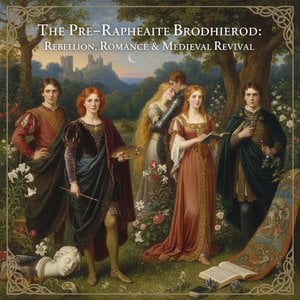
The Pre-Raphaelite Brotherhood: Rebellion, Romance & Medieval Revival
Explore the captivating world of the Pre-Raphaelite Brotherhood! Discover their rebellious spirit, iconic masterpieces & lasting influence on art history. Learn about Rossetti, Millais & more.

Emotional Transmutation in Visual Art: A Study of Affective Representation Through Color, Form, and Texture
Explore the fascinating intersection of art & emotion! Discover how color, form, and texture convey feelings in masterpieces. Expert analysis for collectors & enthusiasts.


