


 미리보기
미리보기
 공유하기
공유하기 공유하기
공유하기
 상세 정보
상세 정보

 다운로드
다운로드
 유사 작품
유사 작품 X-레이
X-레이 슬라이드 쇼
Untitled (D2XARW)


 더 보기
더 보기
수제 유화 복제품
원하는 크기와 액자로 주문 제작되는, 작가들이 직접 캔버스에 손으로 그린 유화 작품입니다. ( 프린트 주문으로 전환 이미지로 전환)




































작품의 원본 비율을 유지하는 미리 설정된 크기 중에서 선택하세요.

특정 프레임이나 공간에 맞도록 직접 크기를 입력할 수 있습니다. 선택하신 크기가 원본 이미지의 비율과 일치하지 않는 경우, 작품을 자르거나 추가적인 손으로 그린 요소를 사용하여 그림을 확장합니다. 제작 시작 전 승인을 위해 디지털 목업을 보내드립니다.
화면 미리 보기는 실제 자르기 또는 확장을 반영하지 않습니다. 최종 구성은 목업을 통해서만 정확하게 확인하실 수 있습니다.
맞춤 크기 제작도 가능하지만, 원본 비율을 유지하기 위해 사전 정의된 목록에서 크기를 선택하시는 것을 권장합니다.
주문 후 ArtsDot.com 팀에서 상세 안내를 위해 고객님께 이메일을 보내드리며, 미리보기 시안을 제공해 드립니다.


 유리 옵션은 110cm 미만 크기에서만 선택 가능합니다.

Untitled (D2XARW)
재현 기법
복제본 크기
-


최종 결제 금액
$ 263
유사한 작품들


작가 약력
Dai Xi: A Master of Shanshui Landscape Painting
Dai Xi (戴熙), born Quanzhou, China in 1801 and died 1860, stands as a pivotal figure within Qing Dynasty art history—specifically recognized for his exceptional contribution to the Shanshui style landscape genre. Often paired with Tang Yifen, he formed one of the most celebrated artistic collaborations of his era, earning them the moniker “Tang-dai,” reflecting their shared aesthetic sensibilities and technical prowess. His legacy resides not merely in prolific output but in a profound understanding of Daoist principles embedded within his paintings, elevating them beyond mere visual representations to expressions of spiritual contemplation.Early Life and Artistic Training
Born into a family steeped in Confucian tradition, Dai Xi’s formative years were marked by exposure to calligraphy and poetry—disciplines that would profoundly shape his artistic vision. While biographical details remain somewhat sparse, scholarly consensus points to Guangzhou as his primary residence during much of his adult life, where he honed his skills amidst the vibrant artistic milieu of the Canton System. Crucially, Dai Xi’s artistic development was heavily influenced by Wang Hui (王羲周), a revered master from the preceding Ming Dynasty whose meticulous observation of nature and masterful brushwork established a benchmark for Shanshui painters. This connection is palpable in Dai Xi's work—characterized by serene compositions, subtle tonal gradations, and an unwavering commitment to capturing the essence of mountainous landscapes.Style and Technique: Echoes of Wang Hui
Dai Xi’s artistic style can be definitively categorized as Shanshui (山水), meaning “mountain water,” a genre that flourished during the Qing Dynasty and championed the harmonious relationship between humanity and the natural world. Like Wang Hui, Dai Xi eschewed idealized depictions of mountains and rivers, favoring instead an approach rooted in meticulous observation and expressive brushwork. He skillfully employed layering techniques—known as *gongbi* (工筆)—to achieve remarkable textural detail and tonal subtlety. This painstaking process allowed him to convey not just the visual appearance of a scene but also its underlying spiritual atmosphere—a hallmark of Daoist philosophy that permeated Chinese art at the time. His palette favored muted hues, predominantly blues and greens, reflecting the tranquil beauty of alpine vistas.Notable Works and Recognition
Dai Xi’s oeuvre comprises numerous landscape paintings showcasing his mastery of Shanshui aesthetics. Among his most celebrated pieces is “Distant Streams and Mountains,” currently housed in Yale University Art Gallery (9531), which exemplifies his signature style—characterized by expansive panoramas rendered with breathtaking precision and imbued with a palpable sense of serenity. The painting’s composition skillfully utilizes perspective to convey depth, while subtle tonal variations capture the nuances of light and shadow on rocky outcrops and flowing watercourses. Furthermore, Dai Xi's exploration of genre subjects – plants and human figures—added another dimension to his artistic repertoire, demonstrating his versatility as a painter. Collections of his paintings appeared in China in 1920 and 1934, securing his place within the canon of Qing Dynasty art.Tragic End and Legacy
Dai Xi’s life tragically concluded in 1860 during the Taiping Rebellion—a tumultuous period marked by civil unrest and dynastic instability. Faced with the siege of Hangzhou by rebel forces, Dai Xi bravely defended the city alongside loyalists, ultimately sacrificing himself by drowning in a pond—an act imbued with symbolic significance reflecting his unwavering devotion to duty and honor. He was posthumously honored with the title Wenjie (文節), signifying “cultured and moderate,” acknowledging his erudition and moral integrity. Dai Xi’s enduring influence extends beyond his artistic achievements; he also served as a respected scholar and collector of ancient coins, publishing a comprehensive treatise on the subject—Guchuan Zonghua (古泉叢話)—demonstrating his intellectual curiosity and commitment to preserving cultural heritage. His legacy continues to inspire artists and scholars alike, cementing Dai Xi’s position as one of China's most distinguished landscape painters and a testament to the enduring power of Daoist ideals within Chinese art.
dai xi
1801 - 1860 , China
주요 정보
- Artistic Movement Or Style: Wang Hui influence
- Artists Or Movements Influenced By This Artist: ['Tang Yifen']
- Artists Who Influenced This Artist: ['Wang Hui']
- Date Of Birth: Quanzhou, China (1801)
- Date Of Death: 1860
- Full Name: Dai Xi
- Nationality: Chinese
- Notable Artworks: ['Distant Streams and Mountains']
- Place Of Birth: Quanzhou, China
관련 기사 더 보기

엘리트 수집가를 위한 와호아트 선택 가이드: 예술적 가치와 보존 전략
와호아트(ArtsDot)는 역사적인 명작을 손수 재현하고 개인 맞춤 예술 작품 제작 서비스를 제공합니다. 20년 이상의 경험과 장인 정신으로 탄생한 프리미엄 미술품, 지금 바로 만나보세요.

Ephemeral Expressions: Exploring the Nuances of Ink on Paper Through History & Contemporary Art
Explore the captivating world of ink wash painting – from its ancient origins to contemporary masters. Discover techniques, symbolism & conservation insights with ArtsDot.com.
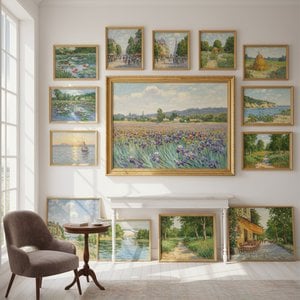
인상주의 풍경화의 황홀한 순간들: 10대 걸작에 담긴 예술혼
인상주의 풍경화의 정수를 담은 10대 걸작! 모네, 르누아르 등 거장의 작품 비하인드 스토리와 예술혼을 만나보세요. ArtsDot에서 고품격 미술 복제 및 인테리어 영감을 얻고, 당신의 공간에 예술적 감성을 더하세요. 지금 바로 ArtsDot.com에서 모든 걸작을 발견해보세요!

ArtsDot.com F.A.Q.: 고급 컬렉터를 위한 유화 질감 표현 기법 – 글로벌 프린트의 새로운 지평
ArtsDot.com에서 원작의 깊이와 감성을 담은 고품격 유화 재현을 경험하세요. 숙련된 화가들의 섬세한 손길과 맞춤형 서비스를 통해 고객님의 취향에 완벽하게 부합하는 예술 작품을 만나보세요. 30일 환불 보장 및 전문적인 고객 지원 제공.

Evocations of Place: A Historical Journey Through Landscape Art
Explore the rich history of landscape art with ArtsDot. Discover renowned artists, movements like Impressionism & tonalism, and expert guidance for collecting timeless pieces. Find your perfect serene escape today!

