


 미리보기
미리보기
 공유하기
공유하기 공유하기
공유하기
 상세 정보
상세 정보 Guide
Guide

 다운로드
다운로드
 유사 작품
유사 작품 X-레이
X-레이 슬라이드 쇼
 통계 정보
통계 정보St Luke (detail)
 Acrylic On Canvas
- WallArt
- Proto-Renaissance
 1280
1280- Renaissance
 450.0 x 900.0 cm
 더 보기
더 보기
수제 유화 복제품
원하는 크기와 액자로 주문 제작되는, 작가들이 직접 캔버스에 손으로 그린 유화 작품입니다. ( 프린트 판매로 전환 디지털 이미지로 전환)




P118B $10

P118H $10

P118W $10

P438Z $10

P508JH $12

P508YH $12

P805H $10

P805Z $10

P919BZ $10

P919G $10

P919XJ $10

P959ZH $10

P968JZ $12

W106C $8

W218G $10

W218JH $8

W218Y $10

W307PJ $10

W316G $10

W316PJ $8

W316Y $10

W398PJ $8

W4111J $10

W500HY $15

W500JH $15

W692G $12

W849H $8

W940BG $15

W953PJ $8




작품의 원본 비율을 유지하는 미리 설정된 크기 중에서 선택하세요.

특정 프레임이나 공간에 맞도록 직접 크기를 입력할 수 있습니다. 선택하신 크기가 원본 이미지의 비율과 일치하지 않는 경우, 작품을 자르거나 추가적인 손으로 그린 요소를 사용하여 그림을 확장합니다. 제작 시작 전 승인을 위해 디지털 목업을 보내드립니다.
화면 미리 보기는 실제 자르기 또는 확장을 반영하지 않습니다. 최종 구성은 목업을 통해서만 정확하게 확인하실 수 있습니다.
맞춤 크기 제작도 가능하지만, 원본 비율을 유지하기 위해 사전 정의된 목록에서 크기를 선택하시는 것을 권장합니다.
주문 후 ArtsDot.com 팀에서 상세 안내를 위해 고객님께 이메일을 보내드리며, 미리보기 시안을 제공해 드립니다.


 유리 옵션은 110cm 미만 크기에서만 선택 가능합니다.

St Luke (detail)
재현 기법
복제본 크기
-


최종 결제 금액
$ 263
A Glimpse into a Changing World: Cimabue’s *St Luke (detail)*
This captivating detail from Cimabue's fresco of St. Luke offers a profound window into the pivotal moment when Italian art began to break free from the rigid conventions of the Byzantine tradition. Painted around 1280, this section – measuring an impressive 450 x 900 cm in its entirety – isn’t merely a religious depiction; it's a testament to artistic innovation and the dawn of a new era in painting.Subject & Narrative
The fragment focuses on St. Luke, traditionally considered the author of the Gospel of Luke and the Acts of the Apostles, and patron saint of artists. He is depicted as a scholar or cleric, deeply engrossed in his work. He holds open several books, likely representing the scriptures he penned, and extends a hand in what appears to be a gesture of teaching or revelation. The surrounding architectural elements suggest an interior setting – perhaps a study or scriptorium – conducive to learning and contemplation. While part of a larger narrative scene, this detail powerfully conveys Luke’s intellectual pursuit and devotion.Style & Technique: Bridging Byzantium and the Renaissance
Cimabue (born Cenni di Pepo), active in Florence and Pisa, was instrumental in transitioning from the Italo-Byzantine style to a more naturalistic approach. While still exhibiting hallmarks of Byzantine art – such as the use of gold leaf (not visible in this detail but present in the full fresco), flattened perspective, and hierarchical scale – this work demonstrates Cimabue’s burgeoning interest in realism. Notice the attempts at modeling forms through subtle shading, a departure from the flat, iconic representations prevalent in earlier Byzantine works. The technique employed is *fresco*, where pigments are applied to wet plaster, creating a durable and vibrant surface. This explains the textured appearance with visible brushstrokes and variations in paint application.Color & Composition
The color palette is dominated by warm earth tones – ochres, yellows, and reds – lending the scene an air of antiquity and solemnity. The composition is dense and layered, characteristic of fresco work, with figures overlapping and receding into a shallow depth of field. Linearity is key; defined lines structure the figures and architectural elements, contributing to the overall sense of order. Geometric shapes – rectangular books, arched doorways, rounded drapery – further reinforce this structured aesthetic.Symbolism & Historical Context
The open books are potent symbols of knowledge, scripture, and divine inspiration. St. Luke’s gesture signifies instruction or the transmission of sacred truth. Created during a period of significant social and religious change in Italy, Cimabue's work reflects a growing humanistic interest alongside continued devotion to Christian themes. He was a contemporary of Giotto, often considered his student, and both artists played crucial roles in laying the foundations for the Renaissance. Vasari’s “Lives of the Most Excellent Painters, Sculptors, and Architects” provides valuable (though sometimes debated) insights into Cimabue's life and career.Emotional Impact & Aesthetic Appeal
Despite its age, this detail from *St Luke* evokes a sense of quiet contemplation and reverence. The artist’s skillful use of line, color, and composition draws the viewer into the scene, inviting reflection on themes of faith, knowledge, and artistic creation. For collectors and interior designers, a high-quality reproduction of this work offers a timeless piece that blends historical significance with aesthetic beauty – a subtle yet powerful statement for any space. It’s a reminder of art's capacity to both reflect and shape our understanding of the world.유사한 작품들


작가 약력
Giovanni Cimabue (c. 1240-1300): 예술의 전환을 이끈 선구자
Cimabue는 기원후 1240년 피렌체에서 태어나 기원후 1302년에 사망한 이탈리아 화가이자 모자이크 예술가입니다. 그는 비잔티아 미술 전통과 이탈리아 레네상스의 새로운 혁신 사이를 연결하는 중요한 인물로 평가받습니다. 그의 삶은 역사 기록에 비해 부분적으로 불명확하지만, 그는 예술가들에게 도전하고 새로운 가능성을 탐구하도록 격려한 용감한 혁신가였습니다. 그의 초상화는 이탈리아 레네상스의 예술적 지혜를 보여주는 중요한 작품입니다. 그는 기원후 1290년 피사의 성 프란체스코 대성당에 위치한 마에스타와 같은 주요 작품으로 레네상스 미술의 새로운 시대를 열었습니다. 그의 그림은 단순한 역사적 유물이 아니라 인간 감정과 경험을 반영하는 예술입니다.초기 영향과 예술적 발전
Cimabue는 초기 작품에서 비잔티아 스타일의 엄격한 형식과 영적인 초점을 따랐습니다. 그러나 이러한 제약 속에서도 그는 형태와 표현에 대한 새로운 욕구를 키워나가기 시작했습니다. 그의 정확한 교육은 논쟁의 여지가 있지만 그는 피렌체 작업장에서 시간과 함께 자신의 독특한 예술적 목소리를 개발하면서 당시 기술과 영향력을 흡수했을 것입니다. 비잔티아 스타일은 형식과 영적인 초점을 특징으로 하는 전통이었지만 Cimabue는 변화를 향한 점진적인 발걸음을 내딛고 과거의 존경과 새로운 가능성의 조화를 이루었습니다. 그는 단순히 기존 형태를 복제하는 것이 아니라 그림에 생명감과 감정적 깊이를 불어넣으려고 노력했습니다. 그의 초기 작품은 이탈리아 레네상스 미술의 지혜를 보여주는 중요한 작품입니다. 그는 기원후 1270년 피사의 성 도메니코 대성당에 위치한 크루시피션 또한 레네상스 미술의 새로운 시대를 열었습니다. 그림 속 인물들은 이전 예술 작품에서 흔히 발견되는 거리감 있는 표현과는 대조적으로 볼륨과 존재감을 향상시키고 있습니다. 그는 기원후 1290년 피사의 성 프란체스코 대성당에 위치한 마에스타는 레네상스 미술의 새로운 시대를 열었습니다. 이 거대한 알타르피엑스는 형식과 색깔을 활용하여 그의 뛰어난 기술을 보여주면서 전통적인 제약 속에서도 변화를 향한 점진적인 발걸음을 내딛고 있습니다. 그는 기원후 1270년 피사의 성 도메니코 대성당에 위치한 크루시피션 또한 레네상스 미술의 새로운 시대를 열었습니다. 이 그림은 기원후 1290년 피사의 성 프란체스코 대성당에 위치한 마에스타와 같은 주요 작품으로 레네상스 미술의 새로운 시대를 열었습니다. 그는 기원후 1270년 피사의 성 도메니코 대성당에 위치한 크루시피션 또한 레네상스 미술의 새로운 시대를 열었습니다. 이 그림은 기원후 1290년 피사의 성 프란체스코 대성당에 위치한 마에스타와 같은 주요 작품으로 레네상스 미술의 새로운 시대를 열었습니다. 그는 기원후 1270년 피사의 성 도메니코 대성당에 위치한 크루시피션 또한 레네상스 미술의 새로운 시대를 열었습니다. 이 그림은 기원후 1290년 피사의 성 프란체스코 대성당에 위치한 마에스타와 같은 주요 작품으로 레네상스 미술의 새로운 시대를 열었습니다. 그는 기원후 1270년 피사의 성 도메니코 대성당에 위치한 크루시피션 또한 레네상스 미술의 새로운 시대를 열었습니다. 이 그림은 기원후 1290년 피사의 성 프란체스코 대성당에 위치한 마에스타와 같은 주요 작품으로 레네상스 미술의 새로운 시대를 열었습니다. 그는 기원후 1270년 피사의 성 도메니코 대성당에 위치한 크루시피션 또한 레네상스 미술의 새로운 시대를 열었습니다. 이 그림은 기원후 1290년 피사의 성 프란체스코 대성당에 위치한 마에스타와 같은 주요 작품으로 레네상스 미술의 새로운 시대를 열었습니다. 그는 기원후 1270년 피사의 성 도메니코 대성당에 위치한 크루시피션 또한 레네상스 미술의 새로운 시대를 열었습니다. 이 그림은 기원후 1290년 피사의 성 프란체스코 대성당에 위치한 마에스타와 같은 주요 작품으로 레네상스 미술의 새로운 시대를 열었습니다. 그는 기원후 1270년 피사의 성 도메니코 대성당에 위치한 크루시피션 또한 레네상스 미술의 새로운 시대를 열었습니다. 이 그림은 기원후 1290년 피사의 성 프란체스코 대성당에 위치한 마에스타와 같은 주요 작품으로 레네상스 미술의 새로운 시대를 열었습니다. 그는 기원후 1270년 피사의 성 도메니코 대성당에 위치한 크루시피션 또한 레네상스 미술의 새로운 시대를 열었습니다. 이 그림은 기원후 1290년 피사의 성 프란체스코 대성당에 위치한 마에스타와 같은 주요 작품으로 레네상스 미술의 새로운 시대를 열었습니다. 그는 기원후 1270년 피사의 성 도메니코 대성당에 위치한 크루시피션 또한 레네상스 미술의 새로운 시대를 열었습니다. 이 그림은 기원후 1290년 피사의 성 프란체스코 대성당에 위치한 마에스타와 같은 주요 작품으로 레네상스 미술의 새로운 시대를 열었습니다. 그는 기원후 1270년 피사의 성 도메니코 대성당에 위치한 크루시피션 또한 레네상스 미술의 새로운 시대를 열었습니다. 이 그림은 기원후 1290년 피사의 성 프란체스코 대성당에 위치한 마에스타와 같은 주요 작품으로 레네상스 미술의 새로운 시대를 열었습니다. 그는 기원후 1270년 피사의 성 도메니코 대성당에 위치한 크루시피션 또한 레네상스 미술의 새로운 시대를 열었습니다. 이 그림은 기원후 1290년 피사의 성 프란체스코 대성당에 위치한 마에스타와 같은 주요 작품으로 레네상스 미술의 새로운 시대를 열었습니다. 그는 기원후 1270년 피사의 성 도메니코 대성당에 위치한 크루시피션 또한 레네상스 미술의 새로운 시대를 열었습니다. 이 그림은 기원후 1290년 피사의 성 프란체스코 대성당에 위치한 마에스타와 같은 주요 작품으로 레네상스 미술의 새로운 시대를 열었습니다. 그는 기원후 1270년 피사의 성 도메니코 대성당에 위치한 크루시피션 또한 레네상스 미술의 새로운 시대를 열었습니다. 이 그림은 기원후 1290년 피사의 성 프란체스코 대성당에 위치한 마에스타와 같은 주요 작품으로 레네상스 미술의 새로운 시대를 열었습니다. 그는 기원후 1270년 피사의 성 도메니코 대성당에 위치한 크루시피션 또한 레네상스 미술의 새로운 시대를 열었습니다. 이 그림은 기원후 1290년 피사의 성 프란체스코 대성당에 위치한 마에스타와 같은 주요 작품으로 레네상스 미술의 새로운 시대를 열었습니다. 그는 기원후 1270년 피사의 성 도메니코 대성당에 위치한 크루시피션 또한 레네상스 미술의 새로운 시대를 열었습니다. 이 그림은 기원후 1290년 피사의 성 프란체스코 대성당에 위치한 마에스타와 같은 주요 작품으로 레네상스 미술의 새로운 시대를 열었습니다. 그는 기원후 1270년 피사의 성 도메니코 대성당에 위치한 크루시피션 또한 레네상스 미술의 새로운 시대를 열었습니다. 이 그림은 기원후 1290년 피사의 성 프란체스코 대성당에 위치한 마에스타와 같은 주요 작품으로 레네상스 미술의 새로운 시대를 열었습니다. 그는 기원후 1270년 피사의 성 도메니코 대성당에 위치한 크루시피션 또한 레네상스 미술
김밥우
1240 - 1302 , 이탈리아
주요 정보
- Artistic Movement Or Style: 비잔티아 및 레네상스 스타일
- Artists Or Movements Influenced By This Artist: ['지오토 디 본도네']
- Artists Who Influenced This Artist:
- 주타 피사노
- 코포 디 마르코발도
- Date Of Birth: c. 1240
- Date Of Death: 1302
- Full Name: Giovanni Cimabue
- Nationality: 이탈리아
- Notable Artworks:
- 마에스타
- 크루시피션
- 플라게이션 오브 크리스
- Place Of Birth: Florence, Italy
관련 기사 더 보기

The Enduring Legacy of Fresco: Technique, History & Artistic Expression Across Cultures
Explore the rich history & enduring legacy of fresco painting! Discover ancient techniques, Giotto's masterpieces, and modern applications. Expert insights for art lovers & professionals.

The Enduring Legacy of Fresco: Technique, History & Artistic Expression
Explore the rich history & enduring artistry of fresco painting. Discover techniques from Giotto to Michelangelo, conservation efforts, & modern applications. Learn how ArtsDot brings this timeless art form to your home.

내면의 울림을 담은 공간: 감정적 교감을 불러일으키는 맞춤형 인테리어 프레스코 미술의 힘
프레스코 미술의 역사와 제작 기법부터 맞춤형 인테리어 디자인까지, 전문가가 알려주는 감성적인 공간 창조 노하우를 만나보세요. 오래도록 기억에 남는 특별한 공간을 위한 최고의 선택입니다.

The Enduring Legacy of Fresco Painting: Techniques, History & Contemporary Relevance
Explore the rich history & enduring artistry of fresco painting – from Giotto to Michelangelo! Discover techniques, conservation efforts, & modern applications. Learn how ArtsDot brings this timeless art form to your home.
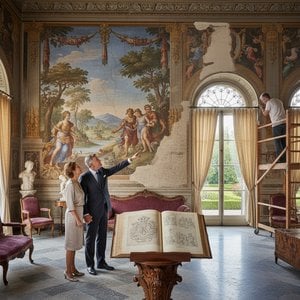
가족 유산의 벽화: 대를 잇는 예술적 전통과 기억의 보존
가족 유산의 벽화에 담긴 예술적 전통과 기억 보존의 의미를 탐구합니다. 프레스코 기법의 역사, 제작 과정, 복원 노력을 심층 분석하고 현대적인 응용 가능성을 제시합니다. 전문가의 시각으로 고품격 미술 정보를 제공합니다.


