


 미리보기
미리보기
 프린트 구매
 공유하기
공유하기 공유하기
공유하기
 상세 정보
상세 정보

 다운로드
다운로드
 유사 작품
유사 작품 X-레이
X-레이 슬라이드 쇼
Winter Landscape
 Acrylic On Canvas
- WallArt
- Dutch Golden Age
 1615
1615 27.0 x 45.0 cm
 메트로폴리탄 미술관
 더 보기
더 보기




P118B $10

P118H $10

P118W $10

P438Z $10

P508JH $12

P508YH $12

P805H $10

P805Z $10

P919BZ $10

P919G $10

P919XJ $10

P959ZH $10

P968JZ $12

W106C $8

W218G $10

W218JH $8

W218Y $10

W307PJ $10

W316G $10

W316PJ $8

W316Y $10

W398PJ $8

W4111J $10

W500HY $15

W500JH $15

W692G $12

W849H $8

W940BG $15

W953PJ $8




작품의 원본 비율을 유지하는 미리 설정된 크기 중에서 선택하세요.

특정 프레임이나 공간에 맞도록 직접 크기를 입력할 수 있습니다. 선택하신 크기가 원본 이미지의 비율과 일치하지 않는 경우, 작품을 자르거나 추가적인 손으로 그린 요소를 사용하여 그림을 확장합니다. 제작 시작 전 승인을 위해 디지털 목업을 보내드립니다.
화면 미리 보기는 실제 자르기 또는 확장을 반영하지 않습니다. 최종 구성은 목업을 통해서만 정확하게 확인하실 수 있습니다.
맞춤 크기 제작도 가능하지만, 원본 비율을 유지하기 위해 사전 정의된 목록에서 크기를 선택하시는 것을 권장합니다.
주문 후 ArtsDot.com 팀에서 상세 안내를 위해 고객님께 이메일을 보내드리며, 미리보기 시안을 제공해 드립니다.


 유리 옵션은 110cm 미만 크기에서만 선택 가능합니다.

Winter Landscape
재현 기법
복제본 크기
-


최종 결제 금액
$ 263
A Serene Vision of Winter: Exploring Christoffel van den Berghe’s “Winter Landscape”
The Dutch Golden Age witnessed an unparalleled flourishing of artistic creativity, and amidst the celebrated canvases of Rembrandt and Vermeer lies a lesser-known gem – Christoffel van den Berghe's "Winter Landscape," painted in 1615. This captivating artwork resides within the Metropolitan Museum of Art’s collection in New York City, offering viewers a glimpse into a pivotal moment in European art history and embodying the aesthetic ideals of its time.Subject Matter & Composition
The painting depicts a tranquil winter scene—a village nestled beneath a snow-laden sky—populated by figures engaged in activities emblematic of rural life during the sixteenth century. A prominent castle dominates the horizon, symbolizing authority and grandeur against the backdrop of the wintry expanse. The artist’s meticulous attention to detail extends beyond mere representation; he captures not only the physical environment but also the subtle nuances of human interaction and emotion. Several individuals are depicted skating on frozen ponds and hauling sledges laden with firewood—activities that underscore the importance of practicality alongside beauty within this idyllic setting.Style & Technique: Flemish Influence Meets Dutch Sensibility
Van den Berghe’s style is firmly rooted in Flemish landscape painting traditions, yet infused with a distinctly Dutch sensibility. Employing oil paints on canvas, he achieves remarkable luminosity and textural richness through layering techniques—a hallmark of the Flemish masters—combined with a masterful understanding of chiaroscuro (the interplay of light and shadow). The artist skillfully utilizes tonal gradations to sculpt the forms of buildings and trees, creating depth and realism that draws the eye into the scene. Furthermore, the delicate rendering of snow crystals and frosted branches demonstrates an exceptional level of observational accuracy.Historical Context & Symbolism
Painted during the height of Dutch artistic ambition, “Winter Landscape” reflects the broader cultural preoccupation with portraying idealized representations of nature—a trend prevalent throughout Europe at the time. The castle serves as a potent symbol of power and stability, anchoring the landscape within a framework of aristocratic patronage. However, beyond its formal grandeur lies a deeper resonance: the winter scene itself embodies themes of resilience, contemplation, and the cyclical rhythms of life—values that resonated deeply with humanist thinkers and artists alike.Emotional Impact & Artistic Legacy
“Winter Landscape” transcends mere visual depiction; it evokes a profound sense of serenity and peace. The muted palette—dominated by blues, whites, and browns—creates an atmosphere of quiet contemplation, inviting viewers to immerse themselves in the beauty of the frozen countryside. Van den Berghe’s masterful execution elevates this scene from simple observation to artistic expression, securing its place as a testament to the enduring power of landscape painting and a cornerstone of Dutch Golden Age art. Its influence can be seen in subsequent generations of artists who sought to capture similar moods and textures—a legacy that continues to inspire admiration and appreciation today.- Artist: Christoffel van den Berghe
- Year: 1615
- Medium: Oil on Canvas
- Location: Metropolitan Museum of Art, New York City
유사한 작품들


작가 약력
Christoffel van den Berghe: A Rediscovered Flemish Landscape Painter
Christoffel van den Berghe (c. 1590, Antwerp – c. 1645, Middelburg) stands as a fascinating figure in the Dutch Golden Age, an artist whose oeuvre was largely overlooked until the mid-20th century when scholarly reassessment brought him back into focus. While biographical details remain scarce—a testament to the challenges faced by documenting artists of this era—research suggests he hailed from Antwerp and migrated to Middelburg, where he established himself as a respected guild member and cultivated a distinctive artistic style characterized by serene landscapes and meticulously rendered flower still lifes.- Early Life & Training: Precise information regarding van den Berghe’s birthdate and family background is elusive. However, it's believed he was born in Antwerp around 1590, likely within a family that relocated to Middelburg seeking opportunities for advancement. Speculation points towards possible training under Ambrosius Bosschaert I, a prominent Flemish painter known for his innovative approach to botanical illustration and landscape depiction—a connection that undoubtedly shaped van den Berghe’s artistic sensibilities.
- Guild Membership & Middelburg Residence: Van den Berghe formally joined the St. Luke's Guild in Middelburg in 1619, signifying his commitment to professional standards and securing a foothold within the thriving artistic community of the Republic. This affiliation extended beyond mere status; it afforded him access to patronage networks and fostered connections with fellow artists. By 1621, he was elected Dean of the Guild, demonstrating considerable influence and respect amongst his peers. He purchased a substantial house in Middelburg around this time, which remained his home until his death in 1645—a residence that served as both studio and focal point for his artistic endeavors.
Artistic Style & Influences
Van den Berghe’s artistic output primarily revolved around two genres: landscapes and flower still lifes. His landscapes, imbued with a palpable sense of tranquility and bathed in soft light, reflect the prevailing Flemish landscape tradition—a stylistic influence evident in works such as “Winter Landscape” held at the Mauritshuis in Hague and “Untitled (D2X6GE)” showcased at the Metropolitan Museum of Art. These paintings demonstrate meticulous attention to detail, capturing atmospheric conditions with remarkable accuracy and conveying a profound appreciation for the beauty of the natural world. The attribution of "Winter Landscape" to David Vinckboons and later Paul Brill underscores the broader artistic currents shaping Middelburg’s visual culture during his lifetime.- Flower Still Lifes: Van den Berghe produced four notable flower still lifes, notably one residing in Philadelphia Museum Art which bears the signature ‘cv berghe 1617’. This piece exemplifies Bosschaert's influence and showcases a masterful depiction of botanical specimens arranged with elegant compositional balance. Similar works held at the Getty Museum and featuring a skull, shell and vase of flowers further solidify his reputation as a skilled floral artist.
Notable Works & Recognition
The attribution of “Winter Landscape” to Hendrik Avercamp—a pioneering figure in Dutch winter painting—represents a significant scholarly debate that ultimately led to a more accurate assessment of van den Berghe’s artistic contribution. The meticulous rendering and atmospheric perspective characteristic of Middelburg landscapes mirror those found in paintings by Adriaen van de venne, highlighting the shared stylistic heritage of artists operating within the same milieu. His rediscovery as an independent artist in the 1950s cemented his place in art history, prompting renewed interest in his oeuvre and fostering a deeper understanding of Flemish artistic traditions within the Dutch Republic.Historical Significance
Christoffel van den Berghe’s work embodies the spirit of the Dutch Golden Age—a period marked by unprecedented artistic innovation and cultural flourishing. His landscapes served as visual representations of a harmonious relationship between humanity and nature, reflecting broader humanist ideals prevalent during his time. Furthermore, his meticulous botanical illustrations contributed to the advancement of scientific knowledge and elevated the status of art within society. Though overshadowed for decades, van den Berghe’s legacy continues to inspire admiration for his artistic skill and unwavering devotion to capturing the sublime beauty of the natural world.
Christoffel van den Berghe
1590 - 1645 , Netherlands
주요 정보
- Artistic Movement Or Style: Dutch Golden Age Painting
- Artists Or Movements Influenced By This Artist:
- Hendrick Avercamp
- David Vinckboons
- Artists Who Influenced This Artist:
- Ambrosius Bosschaert
- Roelant Savery
- Date Of Birth: c. 1590
- Date Of Death: c. 1645
- Full Name: Christoffel van den Berghe
- Nationality: Dutch
- Notable Artworks:
- Winter Landscape
- Untitled
- Place Of Birth: Antwerp, Netherlands
관련 기사 더 보기

Charles Leickert: Capturing the Dutch Golden Age Light – A Comprehensive Study of Technique, Context, and Legacy
Explore the captivating winter landscapes of Charles Leickert, a master of Dutch Golden Age light & atmosphere. Discover his techniques, symbolism, and lasting legacy – a comprehensive study for art enthusiasts and collectors.

네덜란드 황금 시대 예술의 정수를 담은 10대 걸작 탐구
렘브란트, 베르메르의 걸작부터 할스의 인물화까지! 네덜란드 황금시대 미술의 10대 명품을 만나보세요. 예술적 깊이와 아름다움을 담은 작품들을 ArtsDot에서 감상하고, 고품질 아트 프린트로 당신의 공간에 특별함을 더하세요. 지금 바로 ArtsDot.com에서 모든 걸작을 발견하세요!

Golden Light & Dutch Skies: Bringing the Magic of Dutch Golden Age Landscapes into Your Home
Transform your home with the breathtaking light of Dutch Golden Age landscapes. Discover how hand-painted oil reproductions of masterworks like Ruisdael and Vermeer bring timeless elegance, atmosphere, and soulful texture to modern interiors. Elevate your space with museum-quality art.
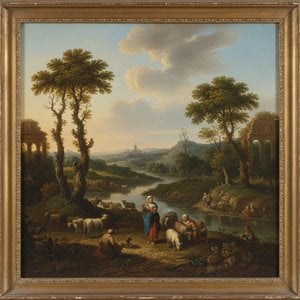
Nicolaes Berchem: Dutch Golden Age Pastoralism & the Evolution of Landscape Painting
Explore the captivating world of Nicolaes Berchem, a leading Dutch Golden Age painter. Discover his idyllic landscapes, masterful technique & lasting influence on art history. Learn more at ArtsDot.

Golden Age Reflections: Dutch Baroque Painting & Cultural Innovation
Explore the Dutch Golden Age of painting! Discover key artists like Vermeer & ter Borch, their innovative techniques, and the rich cultural context behind these Baroque masterpieces. Learn about collecting & appreciating this iconic art period.

