


 프린트 구매
 공유하기
공유하기 공유하기
공유하기
 상세 정보
상세 정보

 다운로드
다운로드
 유사 작품
유사 작품 슬라이드 쇼
Pandora


 더 보기
더 보기




































작품의 원본 비율을 유지하는 미리 설정된 크기 중에서 선택하세요.

특정 프레임이나 공간에 맞도록 직접 크기를 입력할 수 있습니다. 선택하신 크기가 원본 이미지의 비율과 일치하지 않는 경우, 작품을 자르거나 추가적인 손으로 그린 요소를 사용하여 그림을 확장합니다. 제작 시작 전 승인을 위해 디지털 목업을 보내드립니다.
화면 미리 보기는 실제 자르기 또는 확장을 반영하지 않습니다. 최종 구성은 목업을 통해서만 정확하게 확인하실 수 있습니다.
맞춤 크기 제작도 가능하지만, 원본 비율을 유지하기 위해 사전 정의된 목록에서 크기를 선택하시는 것을 권장합니다.
주문 후 ArtsDot.com 팀에서 상세 안내를 위해 고객님께 이메일을 보내드리며, 미리보기 시안을 제공해 드립니다.


 유리 옵션은 110cm 미만 크기에서만 선택 가능합니다.

Pandora
재현 기법
복제본 크기
-


최종 결제 금액
$ 263
The Enigmatic Beauty of Pandora
Chauncey Bradley Ives’s “Pandora,” sculpted in Rome around 1863, is more than just a marble figure; it's a poignant meditation on human nature and the inescapable presence of both beauty and sorrow. This captivating work, currently residing within the Chrysler Museum of Art in Boston, immediately draws the viewer into its serene yet subtly unsettling world. The sculpture depicts Pandora, the Greek goddess often associated with curiosity and the bearer of misfortune, not as a monstrous figure of chaos, but rather as a woman caught in a moment of quiet contemplation – her eyes closed, a gentle curve to her lips suggesting a held breath, and her hands poised as if offering or receiving something unseen. The pose itself is remarkably graceful, imbued with an almost ethereal quality that belies the weighty subject matter.
Ives’s style firmly anchors “Pandora” within the Neo-Classical tradition, echoing the refined aesthetics of ancient Greek sculpture while simultaneously imbuing it with a distinctly Romantic sensibility. The smooth, polished marble surface reflects light beautifully, creating an illusion of depth and volume that emphasizes the figure's form. Notice the meticulous attention to anatomical detail – the delicate curve of her neck, the subtle musculature beneath her draped garments – yet these are rendered with a sense of idealized beauty, characteristic of the era. Ives’s mastery lies in his ability to seamlessly blend realism with an almost dreamlike quality, resulting in a sculpture that is both strikingly lifelike and profoundly evocative.
A Mythological Tapestry
The story behind “Pandora” is inextricably linked to the ancient Greek myth it portrays. As recounted by Hesiod in his *Works and Days*, Pandora was created by Hephaestus, the god of blacksmiths, as a gift for Zeus – a beautiful woman designed to tempt humanity with her allure. However, Zeus, angered by Prometheus’s theft of fire, decided to punish humankind by gifting them Pandora, along with a jar (often mistakenly referred to as a “box”) filled with all the evils of the world: disease, famine, war, and sorrow. Pandora, in her innocence, opened the jar, unleashing these misfortunes upon humanity – though, crucially, she also retained Hope within its depths, offering a glimmer of solace amidst the darkness.
Ives’s sculpture captures this pivotal moment with remarkable sensitivity. The closed eyes suggest a profound awareness of the consequences of her actions, while the gesture of her hands hints at both the offering and the receiving – perhaps representing humanity's acceptance of its fate or, more optimistically, the enduring presence of Hope. The drapery, flowing gracefully around her form, adds to the sense of mystery and invites interpretation. Is she regretting her actions? Is she resigned to them? Or is she simply contemplating the nature of existence itself?
Symbolism and Emotional Resonance
Beyond the literal depiction of Pandora, the sculpture is rich in symbolic meaning. The marble itself – a material associated with purity, immortality, and divine beauty – elevates the figure to an almost sacred status. The pose, reminiscent of classical depictions of mourning goddesses, speaks to themes of loss, regret, and acceptance. Yet, Ives avoids portraying Pandora as a purely tragic figure; her expression is remarkably serene, suggesting a quiet dignity in the face of adversity.
Furthermore, the sculpture’s emotional impact stems from its ambiguity. It doesn't offer easy answers or simplistic moral judgments. Instead, it compels viewers to confront their own understanding of human nature, fate, and the enduring presence of both joy and sorrow within the human experience. The subtle tension between beauty and misfortune creates a powerful and lasting impression, inviting repeated contemplation and personal interpretation.
A Timeless Masterpiece
“Pandora” by Chauncey Bradley Ives stands as a testament to the artist’s skill and his profound engagement with classical mythology. Its enduring appeal lies not only in its technical brilliance but also in its ability to resonate deeply with viewers across generations. Reproductions of this exquisite sculpture offer a remarkable opportunity to bring this timeless masterpiece into any setting, adding an element of grace, mystery, and philosophical depth to the space. Whether displayed in a private collection or a public museum, “Pandora” continues to captivate and inspire, reminding us of the complexities of human existence and the enduring power of hope amidst adversity.
유사한 작품들


작가 약력
early life and background
chauncey bradley ives, an american artist, was born in 1810 in the united states. unfortunately, due to the scarcity of documents, there is a dearth of information regarding his early life, family, and formative years. however, it is known that he went on to become a notable figure in the american art scene during the 19th century.artistic career
ives' artistic career can be characterized by his contributions to various genres, including landscape and portrait painting. his work, though not extensively documented, is representative of the evolving american art landscape during the 19th century. ives' style, while reflective of his contemporaries, also exhibits a unique flair that sets him apart.- chauncey bradley ives's paintings often featured serene, idyllic landscapes, showcasing his skill in capturing the beauty of the american wilderness.
- his portrait work, though less documented, is notable for its attention to detail and the depth of emotion conveyed through his subjects.
legacy and influence
despite the lack of comprehensive biographical information, ives' legacy endures through his artwork. his contributions to american art are acknowledged in various museums and collections, including those featured on ArtsDot, a platform dedicated to making fine art accessible.- explore ives' works, alongside other notable artists, through ArtsDot's extensive collection: ArtsDot's virtual museum.
- delve into the world of art history with ArtsDot's timeline: wahoo art timeline, offering a detailed overview of art evolution.
conclusion
chauncey bradley ives's life, though shrouded in mystery, has left an indelible mark on the american art scene. his work, a testament to his skill and dedication, continues to inspire through platforms like ArtsDot, ensuring his legacy endures for generations to come.- discover more about ives and other artists at chauncey bradley ives | ArtsDot.
- learn about the evolution of art through ArtsDot's extensive collection: ArtsDot, the virtual museum for art aficionados.
- references:
- the museum acervo bm-fbovespa (brazil), featured on ArtsDot, showcases a diverse collection of artworks.
- wikipedia.org, though not directly referencing chauncey bradley ives, provides invaluable insights into the broader american art landscape during the 19th century.

Chauncey Bradley Ives
1810 - 1894 , United States of America
주요 정보
- Artistic Movement Or Style: Neo-classical
- Date Of Birth: 1810
- Date Of Death: 1894
- Full Name: Chauncey Bradley Ives
- Nationality: American
- Notable Artworks:
- Undine Rising from the Waters
- San Souci
- Place Of Birth: Hamden, United States
관련 기사 더 보기
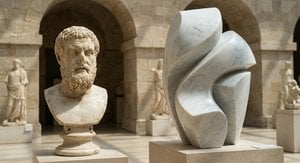
The Enduring Allure of Marble in Art History: From Classical Sculpture to Modern Abstraction
Explore the captivating history of marble sculpture from ancient Greece to modern art. Discover renowned artists like Canova & Michelangelo, carving techniques, and investment insights at ArtsDot.

Bronze Sculptures That Defined Art History | ArtsDot
Journey through art history with our Top 10 bronze sculptures! Explore masterpieces by Rodin, Michelangelo & more. Discover stories behind iconic statues and find museum-quality reproductions for your home decor at ArtsDot.com.

The Enduring Form: Exploring Themes & Techniques in Sculpture Across Historical Periods
Explore the rich history of sculpture from ancient masterpieces to contemporary innovations. Discover key techniques, influential artists & investment potential for discerning art collectors.

The Enduring Legacy of Marble: A Comprehensive Exploration of Technique, Symbolism & Artistic Expression
Explore the rich history of marble sculpture from antiquity to the Renaissance! Discover key techniques, influential artists & enduring themes in classical art. Expert insights for collectors and enthusiasts at ArtsDot.

The Enduring Form: Sculpture Across History, Technique & Emotional Resonance
Explore the rich history of sculpture with ArtsDot. Discover key techniques, influential artists & investment potential for discerning collectors. Expert insights into valuing and collecting timeless masterpieces.