
- 홈

- 유화 복제화
- castera bazile
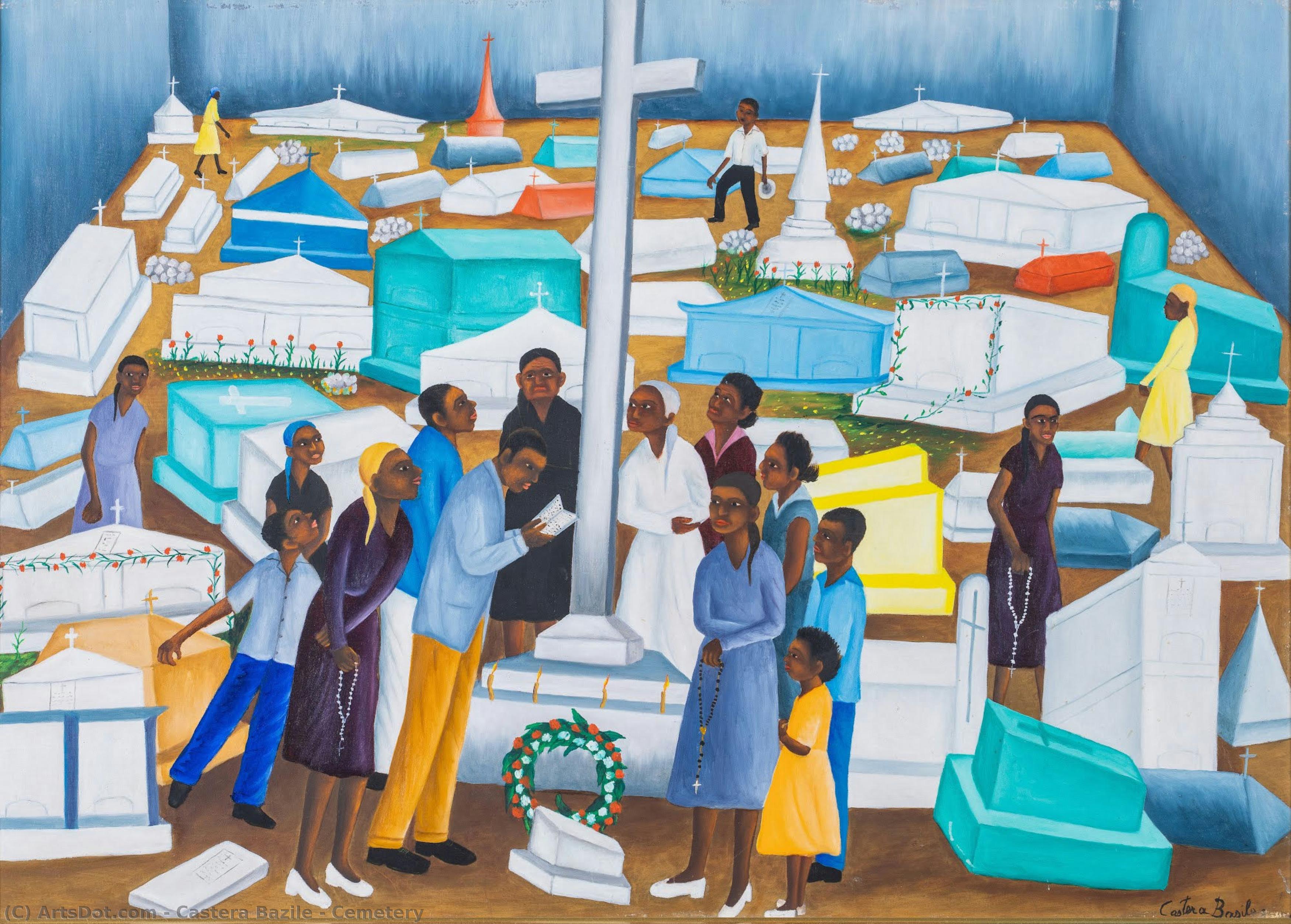
- Cemetery
 Preview
 공유하기
공유하기 공유하기
공유하기
 상세 정보
상세 정보

 다운로드
다운로드
 유사 작품
유사 작품 X-레이
X-레이 슬라이드 쇼
Cemetery


 더 보기
더 보기
수제 유화 복제품
원하는 크기와 액자로 주문 제작되는, 작가들이 직접 캔버스에 손으로 그린 유화 작품입니다. ( Switch to Print Switch to Image)




































작품의 원본 비율을 유지하는 미리 설정된 크기 중에서 선택하세요.

특정 프레임이나 공간에 맞도록 직접 크기를 입력할 수 있습니다. 선택하신 크기가 원본 이미지의 비율과 일치하지 않는 경우, 작품을 자르거나 추가적인 손으로 그린 요소를 사용하여 그림을 확장합니다. 제작 시작 전 승인을 위해 디지털 목업을 보내드립니다.
화면 미리 보기는 실제 자르기 또는 확장을 반영하지 않습니다. 최종 구성은 목업을 통해서만 정확하게 확인하실 수 있습니다.
맞춤 크기 제작도 가능하지만, 원본 비율을 유지하기 위해 사전 정의된 목록에서 크기를 선택하시는 것을 권장합니다.
주문 후 ArtsDot.com 팀에서 상세 안내를 위해 고객님께 이메일을 보내드리며, 미리보기 시안을 제공해 드립니다.


 유리 옵션은 110cm 미만 크기에서만 선택 가능합니다.

Cemetery
재현 기법
복제본 크기
-


최종 결제 금액
$ 263
유사한 작품들


작가 약력
A Visionary Voice of Haitian Vodou Art
Castera Bazile (1923-1966) remains an enigmatic figure in Haitian art history, a painter whose oeuvre speaks volumes about the spiritual heart of Haiti and its enduring connection to African traditions. Born in Jacmel, Haiti, Bazile’s life was tragically cut short at the age of forty-three, leaving behind a relatively small but profoundly impactful body of work that continues to fascinate scholars and collectors alike. Despite limited biographical information—primarily gleaned from scattered references—his paintings offer an unparalleled glimpse into the vibrant world of Vodou ceremonies and the heroic narratives surrounding Henri Christophe and Bwa Kayiman.- Early Life & Artistic Beginnings: Little is known about Bazile’s formative years. He emerged as a painter in the mid-1950s, largely self-taught, driven by an unwavering devotion to Vodou and its artistic expressions. His initial subjects were often landscapes depicting Haiti's lush Caribbean environment—a deliberate choice reflecting his deep appreciation for the land and its cultural heritage. However, it was his portraits of Vodou figures, particularly Henri Christophe – the exiled Haitian leader who spearheaded a rebellion against French colonial rule – that cemented his reputation as a unique artistic voice.
The Power of Vodou Imagery
Bazile’s distinctive style is characterized by bold color palettes and expressive brushstrokes, reflecting the dynamism and fervor inherent in Vodou rituals. He eschewed academic conventions, prioritizing emotional impact over meticulous realism. His canvases pulsate with energy, capturing not just likenesses but also the spiritual essence of his subjects—the solemn faces of priests, the vibrant costumes of initiates, and the dramatic choreography of ceremonies. The artist’s masterful use of pigment creates a palpable sense of atmosphere, transporting viewers into the sacred space of Bwa Kayiman – a powerful Haitian Vodou shrine known for its elaborate rituals and symbolic representations.- Notable Subjects & Techniques: Henri Christophe: Bazile’s portrait of Christophe is arguably his most celebrated work. It transcends mere representation, conveying the leader's dignity and resilience—a testament to Haitian resistance against oppression. The painting utilizes a rich tapestry of colors – reds, yellows, and blues – to depict Christophe’s regal attire and gaze, emphasizing his unwavering determination.
- Bwa Kayiman: Bazile’s depictions of Bwa Kayiman are particularly noteworthy for their symbolic depth. He meticulously rendered the shrine's architecture and ceremonial paraphernalia, capturing the ritualistic fervor with meticulous detail. The artist’s technique—characterized by thick impasto—adds textural richness to the canvases, mirroring the physicality of Vodou ceremonies.
Influence & Legacy
Bazile’s artistic vision drew inspiration from Haitian folklore and ancestral traditions, aligning him squarely within the broader context of African Diaspora art. While he lacked formal training, his profound understanding of Vodou iconography and ritual practice informed every aspect of his oeuvre. His work stands apart from many contemporary Haitian artists who focused on documenting social realities—Bazile sought to capture something far more elusive: the intangible spirit of Haiti’s spiritual life.- Concluding Thoughts: Despite the paucity of biographical details, Castera Bazile's paintings endure as powerful emblems of Haitian identity and Vodou spirituality. They serve as a reminder that art can transcend mere visual representation to convey profound emotional and symbolic meaning. His legacy continues to inspire artists exploring themes of faith, resilience, and cultural heritage—solidifying his place as one of Haiti’s most distinctive artistic voices.

castera bazile
1923 - 1966 , Haiti
주요 정보
- Artistic Movement Or Style: Vodou Art
- Date Of Birth: 1923
- Date Of Death: 1966
- Full Name: Jacmel Bazile
- Nationality: Haitian
- Notable Artworks:
- Self Portrait as Henri Christophe
- Petwo Ceremony Commemorating Bwa Kayiman
- Place Of Birth: Jacmel, Haiti

