


 미리보기
미리보기
 공유하기
공유하기 공유하기
공유하기
 상세 정보
상세 정보

 다운로드
다운로드
 유사 작품
유사 작품 X-레이
X-레이 슬라이드 쇼
 통계 정보
통계 정보Narcissus


 더 보기
더 보기
수제 유화 복제품
원하는 크기와 액자로 주문 제작되는, 작가들이 직접 캔버스에 손으로 그린 유화 작품입니다. ( 프린트 판매로 전환 디지털 이미지로 전환)




P118B $10

P118H $10

P118W $10

P438Z $10

P508JH $12

P508YH $12

P805H $10

P805Z $10

P919BZ $10

P919G $10

P919XJ $10

P959ZH $10

P968JZ $12

W106C $8

W218G $10

W218JH $8

W218Y $10

W307PJ $10

W316G $10

W316PJ $8

W316Y $10

W398PJ $8

W4111J $10

W500HY $15

W500JH $15

W692G $12

W849H $8

W940BG $15

W953PJ $8




작품의 원본 비율을 유지하는 미리 설정된 크기 중에서 선택하세요.

특정 프레임이나 공간에 맞도록 직접 크기를 입력할 수 있습니다. 선택하신 크기가 원본 이미지의 비율과 일치하지 않는 경우, 작품을 자르거나 추가적인 손으로 그린 요소를 사용하여 그림을 확장합니다. 제작 시작 전 승인을 위해 디지털 목업을 보내드립니다.
화면 미리 보기는 실제 자르기 또는 확장을 반영하지 않습니다. 최종 구성은 목업을 통해서만 정확하게 확인하실 수 있습니다.
맞춤 크기 제작도 가능하지만, 원본 비율을 유지하기 위해 사전 정의된 목록에서 크기를 선택하시는 것을 권장합니다.
주문 후 ArtsDot.com 팀에서 상세 안내를 위해 고객님께 이메일을 보내드리며, 미리보기 시안을 제공해 드립니다.


 유리 옵션은 110cm 미만 크기에서만 선택 가능합니다.

Narcissus
재현 기법
복제본 크기
-


최종 결제 금액
$ 263
Narcissus by CELLINI, Benvenuto
Benvenuto Cellini’s “Narcissus” stands as a testament to Renaissance artistry—a sculpture embodying both meticulous craftsmanship and profound contemplation. Created in 1540 during Cellini's prolific period in Florence under the patronage of Cosimo I de’ Medici, this marble masterpiece transcends mere representation; it delves into themes of vanity, self-awareness, and divine beauty.The Sculpture’s Form and Technique
Cellini skillfully employed Greek marble—a material chosen specifically by Cosimo I—to sculpt Narcissus, a figure from Greek mythology renowned for his obsessive fascination with his own reflection. The statue depicts Narcissus in a pose that captures the essence of this mythic narrative: one hand raised to his head, mirroring the gesture of gazing upon oneself – a deliberate choice reflecting Cellini’s ambition to challenge Bandinelli's sculptural prowess and solidify his reputation as Florence’s foremost sculptor. The sculpture’s smooth surface achieved through meticulous polishing demonstrates Cellini’s mastery of marble carving techniques, showcasing an unparalleled attention to detail. Furthermore, the addition of a base adorned with an eagle symbolizes nobility and divine authority—a subtle yet powerful element reinforcing the statue's symbolic significance.Historical Context and Artistic Influences
Cellini’s work emerged during Mannerism, a stylistic movement that prioritized dramatic flair and expressive distortion over the idealized forms of High Renaissance art. This influence is palpable in “Narcissus,” where Cellini subtly deviates from classical conventions to convey emotion and psychological complexity. The statue's creation coincided with Cosimo I’s reign—a period marked by ambitious artistic endeavors aimed at elevating Florence as a cultural center—and Cellini sought to honor the Duke’s vision through his sculptural achievements. Notably, Cellini drew inspiration from Jacopo Sansovino’s “Bacchus,” demonstrating an awareness of contemporary artistic trends and striving for excellence in his craft.Symbolism and Emotional Resonance
The sculpture's central motif—Narcissus gazing upon his reflection—holds deep symbolic meaning. It represents the perils of excessive pride and self-absorption, highlighting humanity’s tendency to prioritize personal vanity over spiritual contemplation. Yet, simultaneously, it speaks to the pursuit of inner beauty and enlightenment – mirroring the Renaissance humanist ideal that celebrated human potential and intellectual curiosity. Cellini's masterful execution evokes a sense of solemn stillness and introspective reflection, inviting viewers to contemplate the complexities of human psychology and the enduring fascination with self-perception.Rediscovery and Legacy
“Narcissus” endured considerable damage during its time in the Boboli Gardens—exposed to the elements for nearly two centuries—before being rediscovered in 1940. Despite this setback, Cellini’s sculpture continues to captivate audiences today, serving as a poignant reminder of Renaissance artistic brilliance and the enduring power of mythological narratives. Its meticulous craftsmanship and evocative symbolism solidify its place among Cellini's most celebrated works—a timeless masterpiece embodying both technical virtuosity and profound philosophical contemplation.


작가 약력
르네상스 시대의 다재다능한 천재, 베누토 첼리니
1500년 피렌체에서 태어난 베누토 첼리니는 단순한 예술가를 넘어선 인물이었다. 그는 뛰어난 금세공 기술자이자 조각가였을 뿐만 아니라, 숙련된 검객, 음악가, 그리고 문학가이기도 했다. 그의 삶은 격동적이었고, 그의 작품들은 화려하고 역동적인 바로크 양식을 예견했다. 첼리니는 자신의 예술적 업적뿐만 아니라, 솔직하고 과감한 자서전을 통해 르네상스 시대의 문화와 사회를 생생하게 보여주었다.
초기 삶과 예술적 성장
음악가 가문에서 태어난 첼리니는 어린 시절부터 음악에 재능을 보였다. 그러나 15세 무렵, 그는 금세공 기술자의 길을 선택하기로 결심한다. 아버지의 반대에도 불구하고 안토니오 디 산드로(마르코네)에게 도제 생활을 시작하며 본격적인 예술가로서의 삶을 시작했다. 그의 초기 시절은 순탄치 않았다. 16세에 친구들과 싸움에 휘말려 피렌체에서 추방당하고, 시에나에서 금세공 기술자 프라카스토로 밑에서 일하게 된다. 이러한 격동적인 경험들은 그의 예술적 감각을 더욱 예민하게 만들고, 삶에 대한 강렬한 열정을 불어넣었다.
주요 작품과 독특한 스타일
첼리니의 대표작 중 하나인 솔트 셀러(Cellini Salt Cellar)는 프랑스 왕 프랑수아 1세의 의뢰로 제작된 정교한 은제 걸작이다. 이 작품은 섬세한 디테일과 역동적인 인물 표현으로 유명하며, 현재 빈 미술사 박물관에 소장되어 있다. 또 다른 대표작인 페르세우스와 메두사의 머리(Perseus with the Head of Medusa)는 청동 조각 작품으로, 첼리니의 뛰어난 형태 감각과 극적인 구성을 보여준다. 이 작품은 금속을 통해 움직임과 감정을 포착하는 그의 놀라운 재능을 입증한다. 또한 레다와 백조(Gold Medallion of Leda and the Swan) 메달리온은 고전 신화와 정교한 수공예 기술의 완벽한 조화를 보여준다.
예술 외적인 삶: 군인, 음악가 그리고 자서전 작가
첼리니의 삶은 예술 작업실을 넘어 훨씬 더 넓은 영역에 걸쳐 있었다. 그는 로마를 방어하는 전투에서 용감하게 싸운 군인이었고, 교황청 궁정에서 코르넷과 플루트를 연주하는 뛰어난 음악가이기도 했다. 그러나 그를 진정으로 특별하게 만드는 것은 그의 자서전이다. 베누토 첼리니의 삶(The Life of Benvenuto Cellini)은 르네상스 시대의 예술, 문화, 사회에 대한 귀중한 통찰력을 제공하는 솔직하고 때로는 거침없는 회고록이다. 이 작품은 후원자, 경쟁자, 개인적인 모험에 대한 흥미로운 이야기로 가득 차 있으며, 그 시대에 대한 독특한 관점을 제시한다.
유산과 역사적 의의
1571년 피렌체에서 세상을 떠난 베누토 첼리니는 르네상스 시대의 가장 중요한 예술가 중 한 명으로 기억된다. 그의 뛰어난 기술, 혁신적인 예술 감각, 그리고 매혹적인 자서전은 오늘날에도 많은 예술가와 예술 애호가들에게 영감을 주고 있다. 그는 다재다능한 재능을 발휘하여 여러 분야에서 두각을 나타내고, 자신의 개성을 당당하게 표현하는 르네상스 시대의 이상적인 인물을 대표한다. 그의 작품들은 아름다움, 수공예 기술, 그리고 극적인 힘으로 찬사를 받고 있으며, 서양 미술사에서 중요한 위치를 차지하고 있다.

베누토 체리니
1500 - 1571 , 이탈리아
주요 정보
- Artistic Movement Or Style: 마니에리스모
- Artists Who Influenced This Artist: ['미켈란젤로']
- Date Of Birth: 1500년 11월 1일
- Date Of Death: 1571년 2월 13일
- Full Name: 베누토 첼리니
- Nationality: 이탈리아인
- Notable Artworks (List Of Titles):
- 페르세우스와 메두사
- 첼리니 소금통
- Place Of Birth (City And Country): 이탈리아 피렌체
관련 기사 더 보기

Bronze Age to Modern Masters: 10 Sculptures That Redefined Art | ArtsDot
Journey through art history with 10 legendary bronze sculptures – from Michelangelo's David to Rodin’s Thinker. Explore the stories, techniques & timeless beauty of these masterpieces. Find museum-quality reproductions & elevate your home decor on ArtsDot.com.

The Enduring Form: Sculpture Across History, Technique & Emotional Resonance
Explore the rich history of sculpture with ArtsDot. Discover key techniques, influential artists & investment potential for discerning collectors. Expert insights into valuing and collecting timeless masterpieces.
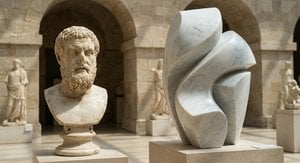
The Enduring Allure of Marble in Art History: From Classical Sculpture to Modern Abstraction
Explore the captivating history of marble sculpture from ancient Greece to modern art. Discover renowned artists like Canova & Michelangelo, carving techniques, and investment insights at ArtsDot.

Bronze Sculptures That Defined Art History | ArtsDot
Journey through art history with our Top 10 bronze sculptures! Explore masterpieces by Rodin, Michelangelo & more. Discover stories behind iconic statues and find museum-quality reproductions for your home decor at ArtsDot.com.

The Enduring Form: Exploring Themes & Techniques in Sculpture Across Historical Periods
Explore the rich history of sculpture from ancient masterpieces to contemporary innovations. Discover key techniques, influential artists & investment potential for discerning art collectors.
