

 실제 크기로 보기
 보내기
보내기 공유하기
공유하기
 상세 보기
상세 보기 가이드 보기

 이미지 다운로드
 유사 작품 더 보기
 X-레이
X-레이 슬라이드 쇼 보기
 Q&A
Q&A 통계 정보
통계 정보Maternity


 상세 보기
상세 보기
이 페이지에 표시된 작품은 저작권법의 보호를 받으며, 이에 따라 동일한 복제품을 제작하거나 판매하는 것은 법으로 금지되어 있습니다. 이러한 권리 보호는 다음과 같은 국제 협약에 따라 시행됩니다. 베른 협약 또한 다음에서 명시하는 법률을 포함한 국내법에 의해 보호됩니다. 미국 저작권법 제17조.
이 방식은 저작권 보호를 받는 예술 작품을 복제하거나 그대로 재현하는 것이 아니기에 저작권 규정을 완벽히 준수합니다. 대신, 이는 창의적인 재해석의 과정을 거칩니다. 즉, 원작에서 영감을 받되 원작과 동일하지 않은 새로운 회화 작품을 의미합니다.
지클레 / 아트 프린트
빠른 제작과 다양한 마감 옵션을 선택할 수 있는 박물관 수준의 지클레이 및 캔버스 프린트. ( 수작업 채색 복제본 주문하기 디지털 이미지 판매 채널로 전환)




































작품의 원본 비율을 그대로 유지하는 프리셋 사이즈 중에서 선택해 보세요.

액자나 벽면 크기에 맞춰 필요한 가로와 세로 길이를 입력해 주세요. 프린트는 원본 이미지보다 크게 제작할 수 없으며 오직 자르는 것만 가능하므로, 비율이 다른 사이즈를 선택할 경우 이미지의 일부가 잘려 나갈 수 있습니다. 인쇄 작업에 들어가기 전, 최종 확인을 위해 디지털 목업을 보내드립니다. 이 페이지에 표시된 이미지는 실제 잘리는 영역을 나타내지 않으며, 오직 목업을 통해서만 정확한 확인이 가능합니다.


 유리 옵션은 110cm 미만 크기에서만 선택 가능합니다.

Maternity
지클레 / 아트 프린트
복제본 규격
-


총 결제 금액
₩ 83614
질의응답
"Maternity"은(는) 작가의 모국에 머물러 있나요?
아니요 - 해당 작품은 해외에 보관되어 있습니다. "Maternity"은(는) 이탈리아에 소장되어 있는 반면, Baule People의 출생지는 Ivory Coast입니다.
Baule People의 "Maternity"의 색채 구성은 어떻게 이루어져 있나요?
Baule People의 "Maternity"의 색채 구성은 Gentle한 대비와 Balanced Harmony한 조화를 동시에 보여줍니다.
Baule People의 "Maternity"의 제작 연도와 화풍은 무엇인가요?
"Maternity"은(는) 1900년에 Tribal Art 사조의 흐름 속에서 제작되었습니다.
관련 작품들


작가 소개
A Legacy of Masks and Spiritual Symbolism
The Baule people, hailing from the heart of central Ivory Coast in West Africa, possess one of the most prolific and sophisticated sculptural traditions on the continent. Their artistic heritage is not merely a collection of objects but a profound visual language deeply intertwined with religious beliefs, primarily centered around ancestor worship and a complex cosmology that governs every facet of daily life. This creative lineage stretches back centuries, shaped by the historic migrations from Ghana and enduring interactions with various external powers. The resulting art reflects a resilient culture that has successfully preserved its distinct identity through periods of significant social change.
< p>According to oral tradition, the Baule people originated in Ghana before embarking on a monumental westward migration around 1730. Led by the legendary Queen Abla Pokou, this journey was driven by necessity as they sought to cross the Komoe River, a perilous trek that ultimately cemented their identity as a unified and determined people. This movement profoundly influenced Baule social organization, fostering a decentralized governance system that prioritizes communal harmony. As they settled in the fertile region between the Bandama and N'Zi rivers—a territory often described as the Baoule “V”—their unique cultural practices and artistic styles began to flourish, creating a distinct aesthetic footprint in West Africa.The Soul in the Wood: Forms and Symbolism
Baule sculpture is celebrated for its remarkable diversity and technical mastery, ranging from monumental statues that honor ancestors to exquisitely detailed masks used in sacred ceremonial rituals. Most of these works are meticulously carved from hardwood, often adorned with intricate geometric patterns and stylized representations of both human and animal forms. Every motif carries a profound symbolic weight, acting as a bridge between the physical world and the spirit realm. The artistry is characterized by a delicate balance of realism and abstraction, where the beauty of the carving serves to honor the spiritual essence within.
A fascinating aspect of Baule sculpture lies in its representation of the unseen. Statuettes often depict asie usu, or spirits of the forest, alongside blolo bian and blolo bla, known as the “spouses of the afterlife.” While these forest spirits are sometimes described as fearsome, artists frequently render them with beautiful, serene features in an attempt to appease their potential wrath. Similarly, the figures representing spirit spouses are sculpted with great care; because the Baule believe that individuals abandon their otherworldly partners at birth, these figurines are crafted exactly as the spouse wishes to be seen. This practice is intended to prevent spiritual grievances that might manifest as illness or misfortune, making the art a vital tool for maintaining cosmic balance.
Ritual Performance and Cultural Significance
The true vitality of Baule art is perhaps most visible during the Goli festival, a centerpiece of ritual performance and communal expression. During these celebrations, masks become living entities, embodying spiritual power and conveying ancestral narratives through dance and movement. The Kple Kple zoomorphic masks and other iconic facial carvings are not merely static museum pieces but active participants in the social fabric, used to communicate with the divine and reinforce the lineage of the community. Through these performances, the Bauet people ensure that their history and spiritual values remain vibrant and accessible to each new generation.
The historical significance of Baule art extends far beyond its original ritual context. The meticulous attention to detail, such as the elongated breasts in maternity figures symbolizing the importance of breastfeeding, and the use of stools to denote high social status, provides a window into the values of a society that prizes fertility, lineage, and hierarchy. Today, this enduring legacy continues to inspire scholars and contemporary artists worldwide, standing as a testament to the power of art to preserve the soul of a people.

Baule People
Ivory Coast
작가 정보 요약
- Full Name: Baule People
- Nationality: African
- Place Of Birth: Ivory Coast
- Notable Artworks:
- Masks
- Sculptures
- Artistic Movement Or Style: Traditional African Art
관련 기사

The Enduring Form: Sculpture Across History, Technique & Emotional Resonance
Explore the rich history of sculpture with ArtsDot. Discover key techniques, influential artists & investment potential for discerning collectors. Expert insights into valuing and collecting timeless masterpieces.
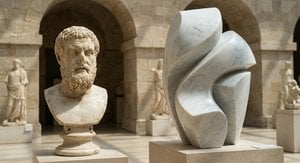
The Enduring Allure of Marble in Art History: From Classical Sculpture to Modern Abstraction
Explore the captivating history of marble sculpture from ancient Greece to modern art. Discover renowned artists like Canova & Michelangelo, carving techniques, and investment insights at ArtsDot.

Bronze Sculptures That Defined Art History | ArtsDot
Journey through art history with our Top 10 bronze sculptures! Explore masterpieces by Rodin, Michelangelo & more. Discover stories behind iconic statues and find museum-quality reproductions for your home decor at ArtsDot.com.

Bronze Age to Modern Masters: 10 Sculptures That Redefined Art | ArtsDot
Journey through art history with 10 legendary bronze sculptures – from Michelangelo's David to Rodin’s Thinker. Explore the stories, techniques & timeless beauty of these masterpieces. Find museum-quality reproductions & elevate your home decor on ArtsDot.com.

The Enduring Form: Exploring Themes & Techniques in Sculpture Across Historical Periods
Explore the rich history of sculpture from ancient masterpieces to contemporary innovations. Discover key techniques, influential artists & investment potential for discerning art collectors.