

 실제 크기로 보기
 보내기
보내기 공유하기
공유하기
 상세 보기
상세 보기 가이드 보기

 이미지 다운로드
 유사 작품 더 보기
 X-레이
X-레이 슬라이드 쇼 보기
 통계 정보
통계 정보Men


 상세 보기
상세 보기
이 페이지에 표시된 작품은 저작권법의 보호를 받으며, 이에 따라 동일한 복제품을 제작하거나 판매하는 것은 법으로 금지되어 있습니다. 이러한 권리 보호는 다음과 같은 국제 협약에 따라 시행됩니다. 베른 협약 또한 다음에서 명시하는 법률을 포함한 국내법에 의해 보호됩니다. 미국 저작권법 제17조.
이 방식은 저작권 보호를 받는 예술 작품을 복제하거나 그대로 재현하는 것이 아니기에 저작권 규정을 완벽히 준수합니다. 대신, 이는 창의적인 재해석의 과정을 거칩니다. 즉, 원작에서 영감을 받되 원작과 동일하지 않은 새로운 회화 작품을 의미합니다.
지클레 / 아트 프린트
빠른 제작과 다양한 마감 옵션을 선택할 수 있는 박물관 수준의 지클레이 및 캔버스 프린트. ( 수작업 채색 복제본 주문하기 디지털 이미지 판매 채널로 전환)




































작품의 원본 비율을 그대로 유지하는 프리셋 사이즈 중에서 선택해 보세요.

액자나 벽면 크기에 맞춰 필요한 가로와 세로 길이를 입력해 주세요. 프린트는 원본 이미지보다 크게 제작할 수 없으며 오직 자르는 것만 가능하므로, 비율이 다른 사이즈를 선택할 경우 이미지의 일부가 잘려 나갈 수 있습니다. 인쇄 작업에 들어가기 전, 최종 확인을 위해 디지털 목업을 보내드립니다. 이 페이지에 표시된 이미지는 실제 잘리는 영역을 나타내지 않으며, 오직 목업을 통해서만 정확한 확인이 가능합니다.


 유리 옵션은 110cm 미만 크기에서만 선택 가능합니다.

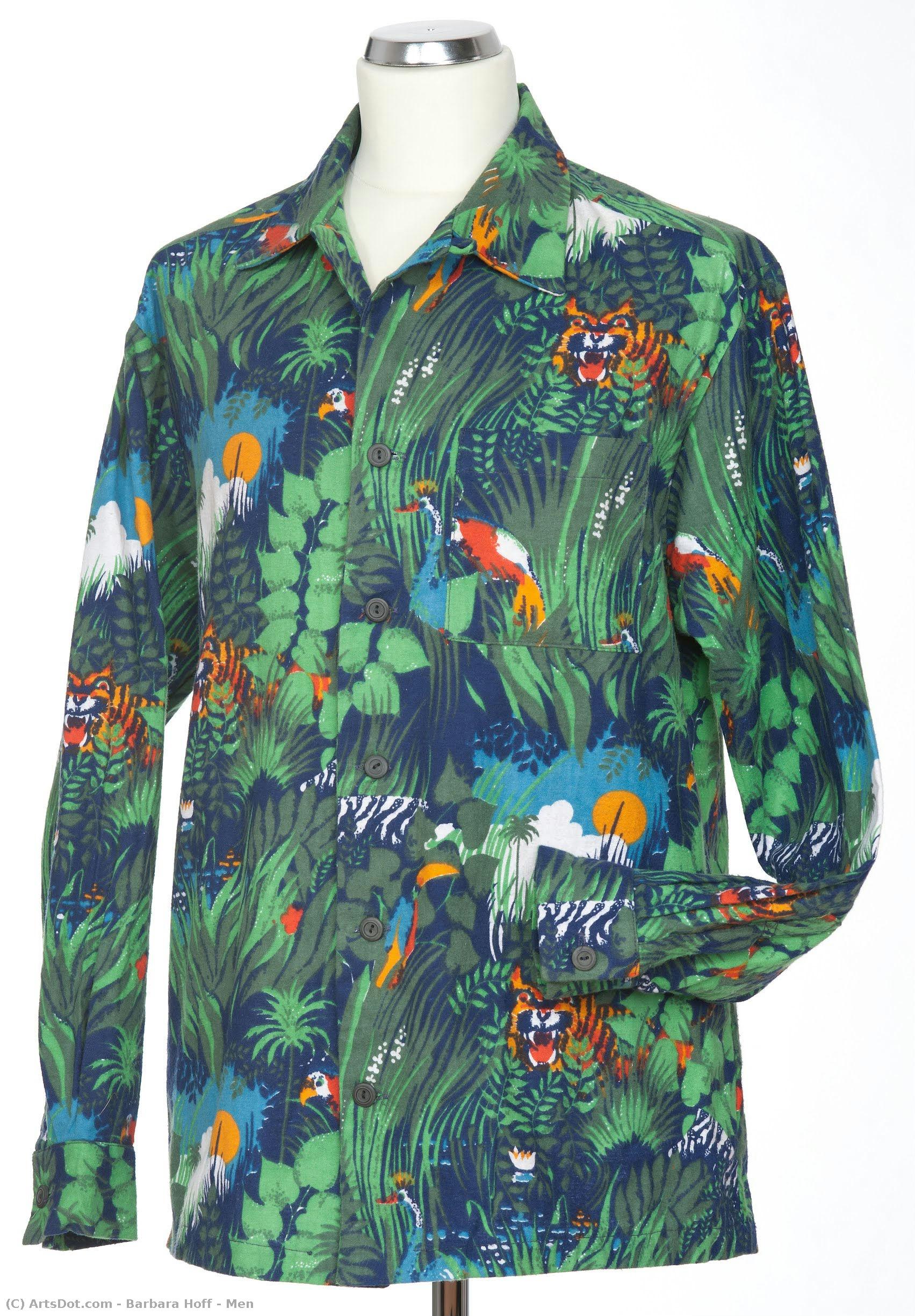
Men
지클레 / 아트 프린트
복제본 규격
-


총 결제 금액
₩ 85214
관련 작품들


작가 소개
A Visionary Shaping Polish Fashion Amidst Ideological Constraints
Barbara Hoff, born in 1932 in the industrial heart of Katowice, Poland, stands as a singular figure in the annals of twentieth-century design. Her life and work represent far more than mere aesthetic choices; they embody the spirit of creativity and resilience required to flourish during the restrictive era of communist Poland. Grounding her artistic sensibilities in a deep understanding of visual culture through her studies at Jagiellonian University, Hoff developed a perspective that transcended the boundaries of traditional fashion. She did not merely design clothing; she engineered a way for individuals to reclaim their identity within a landscape of ideological uniformity.
Her journey into the public consciousness began not on a runway, but through the written word. As a journalist for Przekrój, a weekly magazine renowned for its progressive and socially conscious stance, Hoff honed an observational prowess that allowed her to capture the pulse of a changing society. Her writing became a vital medium for exploring the burgeoning world of fashion, where she analyzed emerging trends and advocated for a more experimental approach to personal style. Through her columns, she championed the idea that fashion could be a tool for self-expression even when resources were scarce, bridging the gap between high art and everyday life.
The Hoffland Phenomenon and Cultural Defiance
Perhaps the most profound chapter of her career was the creation of Hoffland. Recognizing the immense potential for DIY creativity amidst the limitations of state-controlled production, Hoff founded this clothing initiative to prioritize accessible designs and mass-produced collections. This endeavor was a deliberate act of cultural defiance. In an era where consumer goods were often monotonous and difficult to obtain, Hoffland provided a sense of vibrancy and individuality. She turned the necessity of improvisation into a celebrated art form, encouraging her audience to transform simple fabrics into sophisticated statements.
The impact of her work extended deeply into the visual fabric of Polish culture. Her influence was not confined to the printed page or the retail shop; it flowed into the cinematic arts as well. As a costume designer for notable films, she utilized her meticulous attention to detail and her ability to convey complex emotions through visual storytelling to craft memorable characters. Her designs were never just about covering the body; they were about narrating a story, reflecting the internal struggles and triumphs of the era.
Legacy of Innovation and Artistic Exploration
Beyond the tangible garments and cinematic costumes, Hoff’s intellectual contributions remain a cornerstone of her legacy. She possessed a rare ability to connect the dots between disparate worlds, authoring insightful books that delved into art history and explored the intricate connections between artistic movements and societal transformations. This scholarly depth allowed her to view fashion as part of a much larger historical continuum, where every stitch and silhouette reflected the shifting tides of politics and culture.
Today, the work of Barbara Hoff is remembered for its bold use of color and its enduring spirit of innovation. Her achievements can be summarized through several key pillars of her career:
- Democratization of Style: Making fashion accessible to the masses through the ingenious use of mass-produced collections and DIY techniques.
- Journalistic Influence: Utilizing Przekrój as a platform to challenge established aesthetics and promote progressive social values.
- Cinematic Artistry: Enhancing the narrative power of film through evocative and historically resonant costume design.
- Cultural Resilience: Creating a sense of individual agency and aesthetic freedom within the constraints of a communist regime.
Barbara Hoff remains an icon of Polish creativity, a designer who understood that true style is born from the ability to find beauty and distinction even in the most challenging circumstances.

Barbara Hoff
1932 - , Poland
작가 정보 요약
- Full Name: Barbara Hoff
- Nationality: Polish
- Date Of Birth: 1932
- Place Of Birth: Katowice, Poland
- Notable Artworks:
- Set (sweatshirt and midi skirt)
- Long-sleeved dress with a wide sash
- Loose midi dress
- Artistic Movement Or Style: Fashion Design