

 공유하기
공유하기 공유하기
공유하기
 상세 정보
상세 정보 가이드 보기

 다운로드
다운로드
 유사 작품 더 보기
 슬라이드 쇼 보기
 질의응답
질의응답 통계 정보
통계 정보Totem


 더 보기
더 보기
이 페이지에 표시된 작품은 저작권법의 보호를 받으며, 이에 따라 동일한 복제품을 제작하거나 판매하는 것은 법으로 금지되어 있습니다. 이러한 권리 보호는 다음과 같은 국제 협약에 따라 시행됩니다. 베른 협약 또한 다음에서 명시하는 법률을 포함한 국내법에 의해 보호됩니다. 미국 저작권법 제17조.
이 방식은 저작권 보호를 받는 예술 작품을 복제하거나 그대로 재현하는 것이 아니기에 저작권 규정을 완벽히 준수합니다. 대신, 이는 창의적인 재해석의 과정을 거칩니다. 즉, 원작에서 영감을 받되 원작과 동일하지 않은 새로운 회화 작품을 의미합니다.
지클레 / 아트 프린트
빠른 제작과 다양한 마감 옵션을 제공하는 박물관 수준의 지클레이 및 캔버스 프린트. ( 수작업 채색 복제본 주문하기 디지털 이미지로 전환)




































작품의 원본 비율을 그대로 유지하는 프리셋 사이즈 중에서 선택해 보세요.

액자나 벽면 크기에 맞춰 필요한 가로와 세로 길이를 입력해 주세요. 프린트는 원본 이미지보다 크게 제작할 수 없으며 오직 자르는 것만 가능하므로, 비율이 다른 사이즈를 선택할 경우 이미지의 일부가 잘려 나갈 수 있습니다. 인쇄 작업에 들어가기 전, 최종 확인을 위해 디지털 목업을 보내드립니다. 이 페이지에 표시된 이미지는 실제 잘리는 영역을 나타내지 않으며, 오직 목업을 통해서만 정확한 확인이 가능합니다.


 유리 옵션은 110cm 미만 크기에서만 선택 가능합니다.

Totem
지클레 / 아트 프린트
복제본 크기
-


최종 결제 금액
₩ 84602
Barbara Hepworth’s Totem: A Meditation on Form and Silence
Barbara Hepworth (1903–1975) stands as one of the most influential figures in British modernist sculpture, a pioneer who bravely navigated the shifting sands of artistic expression during the tumultuous years following World War I. Her work transcends mere representation; it delves into fundamental questions about materiality, space, and the human condition—themes powerfully embodied in “Totem,” created between 1960 and 1962.
The sculpture itself is a striking example of Hepworth’s signature style: abstract biomorphism. Crafted from alabaster – a translucent white stone prized for its purity and luminosity – Totem eschews recognizable forms, opting instead for undulating curves that mimic the contours of natural elements like seashells or stones. These shapes aren't simply decorative; they are meticulously designed to interact with light and shadow, creating an illusion of depth and movement within the seemingly static form.
- Material: Alabaster (White Marble Substitute)
- Dimensions: Approximately 147.3 cm Height
- Date Created: 1960–1962
Technique and Process
Hepworth’s approach to sculpture was deeply rooted in subtractive carving—a painstaking process of removing material from a larger block of alabaster. This technique demanded immense patience and precision, allowing Hepworth to coax out the desired form with subtle manipulations of chisel and mallet. The resulting surface is remarkably smooth and polished, reflecting light in diffused patterns that underscore the sculpture’s inherent materiality.
Furthermore, Hepworth's studio was equipped with a sophisticated lighting system designed to minimize glare and maximize tonal variation—a deliberate effort to capture the essence of the stone itself. This meticulous attention to detail speaks volumes about her commitment to conveying not just visual form but also the tactile qualities of the material.
Symbolic Resonance and Emotional Impact
"Totem" isn't merely an aesthetically pleasing object; it’s imbued with symbolic significance. The sculpture’s flowing curves evoke a sense of serenity and balance, mirroring Hepworth’s belief in the power of art to communicate profound ideas about existence. The circular openings piercing the alabaster body can be interpreted as portals—windows into another realm—suggesting an openness to contemplation and a connection to something beyond the visible world.
Ultimately, Hepworth sought to create works that resonated emotionally with viewers, inviting them to engage in a dialogue with form and space. “Totem” achieves this ambition beautifully, prompting reflection on themes of continuity, transformation, and the enduring beauty of natural forms—a testament to Hepworth’s visionary artistic legacy.
Historical Context
Hepworth's work emerged during the height of British Modernism, a movement characterized by experimentation with new materials and techniques and a rejection of traditional representational conventions. Influenced by Surrealist ideas and championed by artists like Ben Nicholson and Paul Nash, Hepworth’s pursuit of abstraction reflected a broader cultural shift toward prioritizing intuition and emotion over rational thought.
Her contribution to the Unit One Art Movement solidified her position as a leading voice in British art, demonstrating that artistic innovation could flourish alongside intellectual rigor. “Totem” stands as an enduring symbol of this era’s commitment to exploring the expressive potential of form and materiality—a masterpiece that continues to inspire artists and collectors alike.
유사한 작품들


작가 정보
초기 생애와 교육
데임 바바라 헵워스는 저명한 영국 예술가이자 조각가로, 1903년 1월 10일 요크셔의 웨이크필드에서 태어났습니다. 그녀는 1920년부터 리즈 미술학교에 다녔으며, 이후 런던 왕립미술학교(RCA)에서 공부할 수 있는 카운티 장학금을 수상하여 1921년부터 수학했고, 마침내 1924년에 졸업장을 받았습니다.예술 경력
- 데임 바바라 헵워스의 작품은 특히 현대 조각에서 모더니즘을 보여줍니다. 그녀는 국제적인 명성을 얻은 몇 안 되는 여성 예술가 중 한 명이었습니다.
- 1933년, 그녀는 벤 니콜슨, 폴 내쉬 등과 함께 유니트 원(Unit One) 미술 운동을 공동 창립하며 영국 미술에 초현실주의와 추상화를 결합하고자 했습니다.
- 헵워스의 초기 작품은 추상성으로 특징지어지며, 파리 기반의 예술 운동인 아브스트랙션-크레아시옹(abstraction-création)과의 연관성을 보여주었습니다.
주요 작품과 전시
- 청동 조각품 오벌 폼 (트레지온)은 미국 포트워스에 있는 김벨 미술관 컬렉션의 일부입니다. (ArtsDot에서 보기)
- 조각품 투 폼즈는 영국 웨이크필드에 위치한 헵워스 웨이크필드에서 전시되고 있습니다. (ArtsDot에서 보기)
- 대리석 조각품인 토템(Totem) 역시 헵워스 웨이크필드 컬렉션의 일부입니다. (ArtsDot에서 보기)
유산과 미술관 소장품
바바라 헵워스의 작품은 전 세계 여러 미술관 컬렉션에 조각품과 회화가 포함되어 있어 폭넓게 인정받고 있습니다. 작가의 이름을 딴 헵워스 웨이크필드에는 헵워스 자신의 작품을 포함하여 저명한 예술가들의 수많은 걸작들이 자리하고 있습니다. (ArtsDot에서 헵워스 웨이크필드에 대해 더 알아보기)결론
데임 바바라 헵워스가 현대 영국 조각 분야에서 개척한 작업은 미술계에 지울 수 없는 흔적을 남겼습니다. 그녀의 유산은 여전히 예술가와 미술 애호가 모두에게 영감을 주고 있으며, 그녀의 작품들은 그녀의 혁신적인 정신과 예술적 천재성의 증거로 남아 있습니다. 위키피디아에서 바바라 헵워스에 대해 더 알아보기
바바라 헤퍼워스
1903 - 1975 , 영국
작가 정보 요약
- Artistic Movement Or Style: 모더니즘, 추상화
- Artists Or Movements Influenced By This Artist:
- 추상-크레아시옹
- 유닛 원
- Artists Who Influenced This Artist:
- 헨리 무어
- 벤 니콜슨
- Date Of Birth: 1903-01-10
- Date Of Death: 1975-05-20
- Full Name: 바바라 헵워스
- Nationality: 영국
- Notable Artworks:
- 오벌 폼 (트레지온)
- 투 폼즈
- 토템
- Place Of Birth: 웨이크필드, 영국
관련 콘텐츠

The Enduring Form: Exploring Themes & Techniques in Sculpture Across Historical Periods
Explore the rich history of sculpture from ancient masterpieces to contemporary innovations. Discover key techniques, influential artists & investment potential for discerning art collectors.

Bronze Sculptures That Defined Art History | ArtsDot
Journey through art history with our Top 10 bronze sculptures! Explore masterpieces by Rodin, Michelangelo & more. Discover stories behind iconic statues and find museum-quality reproductions for your home decor at ArtsDot.com.

Barbara Hepworth: A Sculptural Dialogue with Form, Space & the Human Condition
Explore the profound world of Barbara Hepworth's sculpture. Discover her artistic evolution, iconic forms, and lasting influence on modern art. A guide for collectors & enthusiasts.
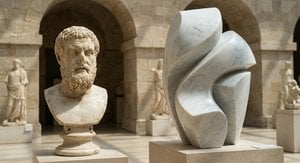
The Enduring Allure of Marble in Art History: From Classical Sculpture to Modern Abstraction
Explore the captivating history of marble sculpture from ancient Greece to modern art. Discover renowned artists like Canova & Michelangelo, carving techniques, and investment insights at ArtsDot.

White on Canvas: 10 Masterpieces & Timeless Elegance for Your Home Decor
Explore 10 iconic white paintings by Monet, Whistler & Rothko! Discover the stories behind these serene masterpieces and their impact on art history. Find museum-quality reproductions for your home decor at .
