

 미리보기
미리보기
 공유하기
공유하기 공유하기
공유하기
 상세 정보
상세 정보

 다운로드
다운로드
 유사 작품
유사 작품 X-레이
X-레이 슬라이드 쇼
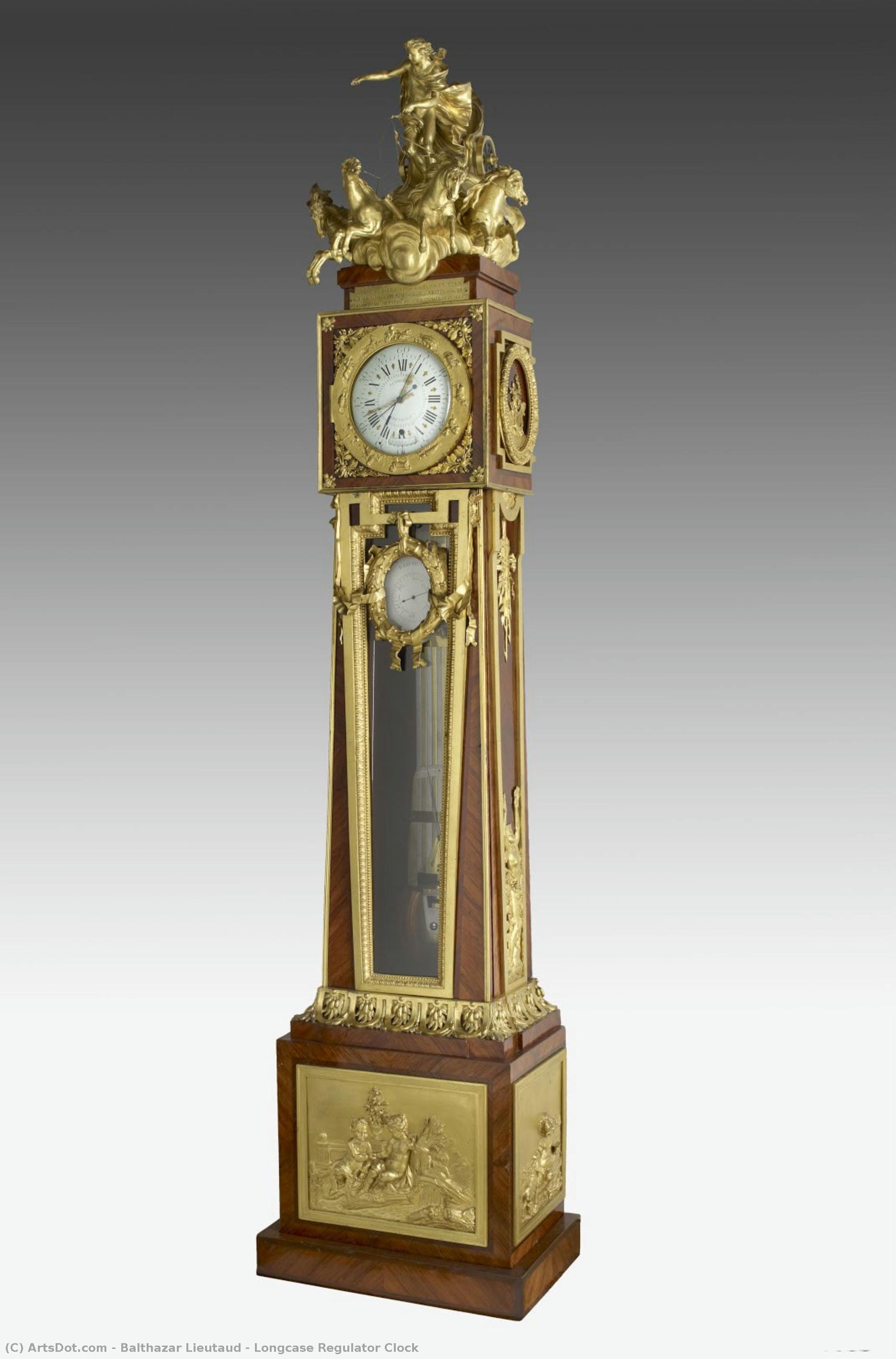
Longcase Regulator Clock


 더 보기
더 보기
수제 유화 복제품
원하는 크기와 액자로 주문 제작되는, 작가들이 직접 캔버스에 손으로 그린 유화 작품입니다. ( 프린트 주문으로 전환 이미지로 전환)




































작품의 원본 비율을 유지하는 미리 설정된 크기 중에서 선택하세요.

특정 프레임이나 공간에 맞도록 직접 크기를 입력할 수 있습니다. 선택하신 크기가 원본 이미지의 비율과 일치하지 않는 경우, 작품을 자르거나 추가적인 손으로 그린 요소를 사용하여 그림을 확장합니다. 제작 시작 전 승인을 위해 디지털 목업을 보내드립니다.
화면 미리 보기는 실제 자르기 또는 확장을 반영하지 않습니다. 최종 구성은 목업을 통해서만 정확하게 확인하실 수 있습니다.
맞춤 크기 제작도 가능하지만, 원본 비율을 유지하기 위해 사전 정의된 목록에서 크기를 선택하시는 것을 권장합니다.
주문 후 ArtsDot.com 팀에서 상세 안내를 위해 고객님께 이메일을 보내드리며, 미리보기 시안을 제공해 드립니다.


 유리 옵션은 110cm 미만 크기에서만 선택 가능합니다.

Longcase Regulator Clock
재현 기법
복제본 크기
-


최종 결제 금액
$ 263
작품 상세 설명
작가 약력
Balthazar Lieutaud: The Silent Artisan of Parisian Elegance
Balthazar Lieutaud (1720 – c. 1780) remains a figure shrouded in scholarly fascination, largely due to the scarcity of biographical information available during his lifetime. Despite meticulous records documenting his workshop’s activity and commissions—primarily exquisite clock cases crafted for prominent Parisian horologists—precise details about his personal life remain elusive. He emerged from a family tradition steeped in cabinetmaking excellence, tracing its roots back several generations, establishing himself as one of the foremost artisans shaping the aesthetic sensibilities of Louis XV and the nascent neoclassical era. His workshop resided initially on rue de la Pelleterie before relocating to rue Denfer, cementing his position within the vibrant artistic milieu of Paris.- Early Life & Training: Little is known about Lieutaud’s formative years beyond confirmation that he apprenticed under his father, Jean-Baptiste Lieutaud, a respected craftsman specializing in marquetry and inlay work. This familial legacy instilled within him the foundational skills necessary for mastering the intricate art of decorative arts—a discipline characterized by meticulous attention to detail and an unwavering commitment to artistic perfection.
- The Workshop & Patronage: By 1749, Lieutaud secured his master-cabinetmaker’s diploma, marking a pivotal moment in establishing his independent practice. He swiftly gained renown for collaborating with celebrated clockmakers such as Antoine Cristobal and Laurent Deyrolle—individuals who recognized Lieutaud's unparalleled talent for transforming raw materials into objects of breathtaking beauty and sophistication. These partnerships yielded remarkable commissions, notably the creation of opulent cases housing instruments crafted by these masters, furthering Lieutaud’s reputation as a visionary artist.
Lieutaud’s Artistic Vision: Marquetry & Decorative Arts
Lieutaud's artistic philosophy centered on elevating craftsmanship to an art form itself—a pursuit that profoundly influenced the decorative arts of his time. He embraced the principles of Rococo, skillfully blending ornate embellishments with refined elegance and incorporating motifs drawn from mythological narratives and pastoral landscapes. His marquetry technique—the inlaying of thin veneers of wood into a substrate—was executed with unparalleled precision, resulting in surfaces adorned with intricate floral patterns, geometric designs, and stylized representations of animals—a hallmark of the era’s artistic expression. The meticulous layering of materials—often gilded bronze alongside delicately carved wood—created visual illusions that captivated viewers and underscored Lieutaud's mastery of illusionistic artistry.- Collaboration with Cristobal & Deyrolle: His collaborations with Antoine Cristobal and Laurent Deyrolle exemplify the spirit of artistic exchange prevalent during Louis XV’s reign. These partnerships fostered innovation, propelling Lieutaud to explore new techniques and stylistic approaches—resulting in clock cases that transcended mere functional utility, becoming embodiments of aesthetic grandeur.
- Technique & Materials: Lieutaud's workshop utilized a vast array of materials—including ebony, rosewood, ivory, gilt bronze, and precious stones—to achieve stunning visual effects. His meticulous attention to detail ensured that every element contributed harmoniously to the overall composition, reflecting the prevailing aesthetic ideals of Rococo.
Legacy & Recognition: Museums Worldwide
Lieutaud’s enduring legacy resides not only in his exquisite creations but also in their preservation within prominent museum collections across Europe and North America. His clock cases—particularly those housed in institutions such as the Royal Collection of the United Kingdom, Musée Nissim de Camondo, Waddesdon Manor, Harewood House, and the Residenzmuseum Munich—serve as tangible reminders of the artistic fervor characterizing Louis XV’s court and illuminate the transformative impact of Rococo on decorative arts. Furthermore, Lieutaud's instruments are found in museums like Boston Museum of Fine Arts and Detroit Institute of Arts Museum. These objects continue to inspire scholars and connoisseurs alike, cementing Lieutaud’s place as a pivotal figure in French artistic history—a testament to the enduring power of understated elegance and masterful craftsmanship.Concluding Thoughts: An Artist Beyond His Time
Despite the paucity of biographical data, Balthazar Lieutaud's contribution to Parisian decorative arts remains undeniable. He embodies the spirit of a craftsman who elevated his craft into an art form—a pursuit that profoundly shaped the aesthetic sensibilities of his era and secured his place among the most celebrated artisans of Louis XV’s reign. His meticulous technique, combined with his collaborative spirit and unwavering devotion to artistic excellence, ensured that Lieutaud's legacy would endure through the centuries—inspiring admiration for generations of artists and scholars alike.
balthazar lieutaud
France
주요 정보
- Artistic Movement Or Style: Rococo
- Artists Or Movements Influenced By This Artist: ['Nicolas Poussin']
- Artists Who Influenced This Artist:
- Antoine Cronier
- Laurent Dey
- Full Name: Balthazar Lieutaud
- Nationality: French
- Notable Artworks: ['Longcase Regulator Clock']
- Place Of Birth: Paris, France

