

 미리보기
미리보기
 공유하기
공유하기 공유하기
공유하기
 상세 정보
상세 정보

 다운로드
다운로드
 유사 작품
유사 작품 X-레이
X-레이 슬라이드 쇼
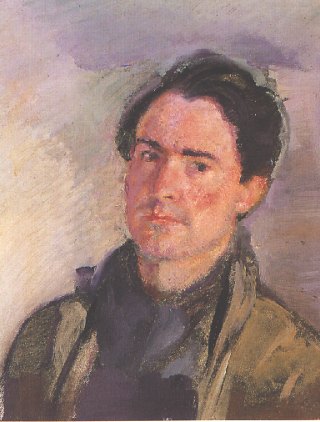
Self Portrait

 더 보기
더 보기
지클레 / 아트 프린트
빠른 제작과 다양한 마감 옵션을 제공하는 박물관 품질의 지클레이 또는 캔버스 프린트. ( 수제 페인팅으로 전환하기 이미지로 전환)




































작품의 원본 비율을 유지하는 미리 설정된 크기 중에서 선택하세요.

특정 프레임이나 공간에 맞춰 직접 치수를 입력하실 수 있습니다. 선택하신 사이즈가 원본 이미지의 비율과 일치하지 않을 경우, 작품을 크롭(자르기)하거나 이미지를 대칭 또는 단색 채우기로 확장하여 제작합니다. 제작 시작 전, 최종 확인을 위해 디지털 목업이 전송됩니다.
화면상의 미리보기는 실제 크롭이나 확장 상태를 반영하지 않으므로, 최종 구도는 오직 목업을 통해서만 정확하게 확인하실 수 있습니다.
맞춤 사이즈 제작도 가능하지만, 원본 비율을 유지하기 위해서는 사전 정의된 목록에서 치수를 선택하시는 것을 권장합니다.


 유리 옵션은 110cm 미만 크기에서만 선택 가능합니다.

Self Portrait
지클레 / 아트 프린트
복제본 크기
-


최종 결제 금액
$ 62
유사한 작품들


![Portrait Of Mrs. Renée Kisling [portrait De Madame Renée Kisling] — 모이즈 키슬링, École De Paris](/media/artworks/images/thumbnails/41/78/4178eb5f6eaf46bc95859ec8f39e1e80.jpg)


작가 약력
The Luminous Vision of Armando Spadini
Armando Spadini emerged from the vibrant artistic milieu of Florence at the turn of the century, a young man deeply attuned to both tradition and innovation. Born in July 1883, he descended from a craftsman's lineage—his father a skilled artisan and his mother a seamstress—shaping an early life amidst practical realities that would later inform his artistic sensibilities. His formative years were spent studying at Santa Croce, absorbing the aesthetic principles of Florentine Neoclassicism before enrolling in the prestigious Free School of Nude at the Academy of Fine Arts. It was within these hallowed halls that he forged enduring connections with pivotal figures such as Ardengo Soffici and Adolfo De Carolis, mentors and peers who would help shape his burgeoning artistic trajectory.
This encounter proved transformative, propelling him into the orbit of Leonardo, the Symbolist magazine that championed avant-garde experimentation and fostered a dialogue between established masters and emerging voices. Spadini’s participation in the 59th Esposizione Annuale Della Società Delle Belle Arti Di Firenze in 1906 marked his debut on the Florentine art scene—a moment of considerable significance as he presented works that signaled a nascent inclination toward Impressionistic techniques, mirroring the stylistic trends gaining momentum across Europe. He swiftly established himself within a cohort of artists who sought to redefine expression, embracing the challenge posed by the Symbolist movement while simultaneously grounding his vision in the rich heritage of Italian painting history.
A Journey Through Light and Intimacy
In 1910, Spadini moved to Rome, a transition that would solidify his commitment to exploring new creative horizons. The city's atmosphere—characterized by intellectual ferment and a palpable yearning for aesthetic renewal—provided fertile ground for his endeavors. His move was not merely geographical but deeply personal; he traveled with his wife, Pasqualina Cervone, whom he had met at the school of Giovanni Fattori. Pasqualina was more than a companion; she was a talented pupil herself and became Spadini's most enduring muse, appearing frequently in works that captured the quiet, tender moments of domestic life.
Spadini’s painting style is often described as being driven by instinct rather than rigid academic will. He possessed a unique ability to assimilate the joy of color, drawing inspiration from the transparent clarity of the Venetians and the luminous qualities of the French Impressionists. His work avoids the tormenting, heavy research found in many of his contemporaries, opting instead for an open, laughing, and summarizing approach. This "solar luminosity" became a hallmark of his oeuvre, allowing him to translate the familiar aspects of domestic intimacy into compositions that feel both abundant and light-filled.
Legacy of the Scuola Romana
As a representative of the so-called Scuola Romana, Spadini occupied a vital space in the transition between the 19th and 20th centuries. His talent was recognized early through prestigious accolades, such as winning the competition for the Pensionato artistico nazionale in 1909. Throughout his career, he maintained a profound connection to family intimacy, often imbuing his portraits and landscapes with a sense of warmth and "happy temperament" that resonated with viewers.
Though his life was tragically short, ending in Rome in 1925, the impact of his vision remains palpable. His contributions can be summarized through several key artistic pillars:
- Mastery of Light: A signature use of solar luminosity and transparent color that bridged the gap between Italian tradition and modern Impressionism.
- Emotional Depth: An ability to capture the "lyrical embrace" of familiar people and places, turning domestic scenes into profound emotional experiences.
- Stylistic Synthesis: The seamless blending of Symbolist themes with a spontaneous, instinctive brushwork that felt ahead of its time.
Today, Spadini is remembered not just as a painter of landscapes and portraits, but as an artist who captured the very essence of light and life, leaving behind a legacy of beauty that continues to illuminate the history of Italian modernism.

Armando Spadini
1883 - 1925 , Italy
주요 정보
- Artistic Movement Or Style: Impressionism
- Artists Or Movements Influenced By This Artist: ['Impressionists']
- Artists Who Influenced This Artist: ['Giovanni Fattori']
- Date Of Birth: July 29, 1883
- Full Name: Armando Spadini
- Nationality: Italian
- Notable Artworks:
- Woman
- In the park of Villa Borghese
- Portrait of the Artist's Wife
- Place Of Birth: Florence, Italy

