

 공유하기
공유하기 공유하기
공유하기
 상세 정보
상세 정보 가이드 보기

 다운로드
다운로드
 유사 작품 더 보기
 슬라이드 쇼 보기
 질의응답
질의응답 통계 정보
통계 정보The widow

- 154.0 x 93.0 cm


 더 보기
더 보기
지클레 / 아트 프린트
빠른 제작과 다양한 마감 옵션을 제공하는 박물관 수준의 지클레이 및 캔버스 프린트. ( 수작업 채색 복제본 주문하기 디지털 이미지로 전환)




































작품의 원본 비율을 그대로 유지하는 프리셋 사이즈 중에서 선택해 보세요.

액자나 벽면 크기에 맞춰 필요한 가로와 세로 길이를 입력해 주세요. 프린트는 원본 이미지보다 크게 제작할 수 없으며 오직 자르는 것만 가능하므로, 비율이 다른 사이즈를 선택할 경우 이미지의 일부가 잘려 나갈 수 있습니다. 인쇄 작업에 들어가기 전, 최종 확인을 위해 디지털 목업을 보내드립니다. 이 페이지에 표시된 이미지는 실제 잘리는 영역을 나타내지 않으며, 오직 목업을 통해서만 정확한 확인이 가능합니다.


 유리 옵션은 110cm 미만 크기에서만 선택 가능합니다.

The widow
지클레 / 아트 프린트
복제본 크기
-


최종 결제 금액
₩ 84408
A Poignant Encounter with Grief and Tenderness
In the silent, luminous expanse of white marble, António Teixeira Lopes captures a moment that transcends time, inviting the viewer into a profound dialogue with human suffering and maternal devotion. His masterpiece, The Widow, is not merely a sculpture but a dramatic narrative frozen in stone. The work presents a young woman, her face etched with the unmistakable shadows of loss, cradling an infant in a gesture that is simultaneously protective and heartbreaking. As one gazes upon the smooth, polished surfaces, the despair of the widow becomes palpable, evoking a sense of tragic imagery that resonates deeply within the soul. This is a representation of maternity at its most vulnerable, where the tenderness of nursing a child meets the crushing weight of bereavement.
< p>The composition is masterfully balanced, utilizing the organic curves of the human form to guide the eye through a landscape of emotion. The woman and child are positioned with a subtle asymmetry that lends a naturalistic vitality to the scene, as if we have stumbled upon a private moment in a humble, imagined room. At the base of this marble tableau, a cradle rests, its presence adding a layer of narrative depth; the suggestion of wrinkled clothes within it hints at the restless agitation of a child, further grounding the ethereal sculpture in a tangible, earthly reality. The interplay between the soft, flowing drapery and the firm, anatomical precision of the figures creates a rhythmic movement that keeps the viewer’s gaze wandering through the folds of grief and grace.The Mastery of Naturalism and Material
Technically, The Widow stands as a testament to the incredible skill of Teixeira Lopes, a sculptor who breathed life into the cold medium of marble. Adhering to the principles of Naturalism, the artist employs meticulous descriptive modeling to render the textures of skin, fabric, and wood with startling realism. Every fold in the widow's garments and every delicate contour of the infant's limb is executed with a precision that speaks to his rigorous training at the École des Beaux-Arts in Paris. The way light interacts with the polished marble surface creates a spectrum of subtle highlights and soft shadows, giving the sculpture an almost translucent quality that mimics the warmth of living flesh.
For the discerning collector or interior designer, this piece offers an unparalleled opportunity to introduce a sense of classical elegance and emotional depth into a space. The monochromatic palette of whites and greys allows the sculpture to integrate seamlessly into various high-end aesthetics, from minimalist modern galleries to more traditional, opulent studies. A high-quality reproduction of this work does more than decorate a room; it serves as a focal point for contemplation, bringing the sophisticated artistry of late 19th-century Portuguese sculpture into the contemporary home. To possess such a piece is to hold a fragment of history, a silent yet powerful storyteller that continues to evoke themes of resilience and enduring love.
질의응답
António Teixeira Lopes의 "The widow"은(는) 언제 제작되었나요?
António Teixeira Lopes의 "The widow"은(는) 1893년에 제작되었습니다.
António Teixeira Lopes의 "The widow"의 프린트를 어디에서 구매할 수 있나요?
"The widow" 작품은 코튼 캔버스 또는 아카이브용 캔버스지에 인쇄된 파인 아트 프린트를 통해 만나보실 수 있습니다. 주문은 파인 아트 프린트 페이지에서 원하시는 사이즈를 선택하여 진행하실 수 있습니다.
"The widow"은(는) António Teixeira Lopes의 예술적 발전 단계 중 어느 시기를 나타냅니까?
"The widow"은(는) António Teixeira Lopes의 예술적 생애 중 Mature Period 시기의 작품입니다. 이 분류를 통해 해당 작품을 작가의 예술적 발전 과정과 연결해 볼 수 있습니다.
유사한 작품들


작가 정보
António Teixeira Lopes: A Life in Sculpture
- Born: Vila Nova de Gaia, Portugal (1866)
- Died: 1942
António Teixeira Lopes was a prominent Portuguese sculptor of the late 19th and early 20th centuries. Born in Vila Nova de Gaia, he came from a family deeply involved in the arts; his father, José Joaquim Teixeira Lopes, was also a renowned sculptor and ceramist. This familial connection significantly shaped António's artistic journey, providing him with an early introduction to sculpting techniques and fostering a lifelong dedication to the craft.
Early Life and Education
- Formal Training: He attended the Academia de Belas Artes in Porto, studying under notable artists like António Soares dos Reis and João Marques de Oliveira.
- Parisian Studies: In 1885, he received a scholarship to study at the École des Beaux-Arts in Paris, a pivotal experience that exposed him to diverse artistic styles and techniques prevalent in Europe at the time. He studied with Paul Berthet and was influenced by sculptors like Rodin and Merci.
- Early Career: Before his formal studies, he worked at the Ceramic Factory of Devesas, gaining practical experience and honing his skills.
Artistic Style and Themes
- Subject Matter: Teixeira Lopes primarily focused on allegorical, historical, and religious themes in his sculptures. His works often depicted significant events and figures from Portuguese history and culture.
- Materials Used: He skillfully worked with various materials including clay, marble, and bronze, demonstrating versatility and mastery of different sculpting mediums.
- Influences: While influenced by French sculpture, particularly the work of Rodin, Teixeira Lopes also drew inspiration from Italian Renaissance sculptors like Donatello.
- Notable Works: Some of his most recognized works include Infancia de Caim (Childhood of Cain), which is housed in the Soares dos Reis National Museum, and numerous sculptures adorning public spaces, palaces, and churches throughout Portugal.
Major Achievements and Legacy
- Exhibition Success: He achieved significant recognition at the 1890 Salon in Paris, receiving a third-class bronze medal for his sculpture A Viúva (The Widow). Later, he received a gold medallion in Berlin.
- Teaching Career: Teixeira Lopes dedicated many years to educating future generations of artists as a professor at the School of Fine Arts in Porto.
- National Honors: He was awarded the Grand Cross of the Military Order of Sant'Iago in 1934, signifying his significant contribution to Portuguese art and culture.
- Casa Museu Teixeira Lopes: His former home and studio in Vila Nova de Gaia has been preserved as a museum (Casa-Museu Teixeira Lopes), showcasing his works and providing insight into his artistic process.
Historical Significance
António Teixeira Lopes is considered one of Portugal's most important sculptors, leaving behind a substantial body of work that reflects the nation’s history and cultural identity. His ability to blend classical techniques with contemporary sensibilities established him as a leading figure in Portuguese art during his time. His legacy continues through the preservation of his works and the Casa Museu Teixeira Lopes, which serves as a testament to his artistic achievements and enduring influence on subsequent generations of artists.

António Teixeira Lopes
1866 - 1942 , Portugal
작가 정보 요약
- Full Name: António Teixeira Lopes
- Nationality: Portuguese
- Date Of Birth: 1866
- Date Of Death: 1942
- Place Of Birth: Vila Nova de Gaia, Portugal
- Notable Artworks:
- Infancia de Caim
- The widow
- Artistic Movement Or Style: Sculpture
- Artists Who Influenced This Artist:
- António Soares dos Reis
- João Marques de Oliveira
- Rodin
- Merci
- Falguière
- Barrias
관련 콘텐츠

10 Iconic Marble Masterpieces That Redefined the World of Art
Journey through history with 10 legendary marble masterpieces that redefined art. From Renaissance icons to neoclassical wonders, explore the stories behind these timeless sculptures and find museum-quality art reproductions for your decor. Discover all masterpieces on ArtsDot.com.
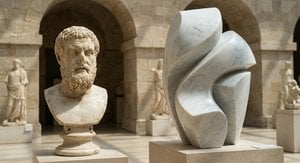
The Enduring Allure of Marble in Art History: From Classical Sculpture to Modern Abstraction
Explore the captivating history of marble sculpture from ancient Greece to modern art. Discover renowned artists like Canova & Michelangelo, carving techniques, and investment insights at ArtsDot.

Bronze Age to Modern Masters: 10 Sculptures That Redefined Art | ArtsDot
Journey through art history with 10 legendary bronze sculptures – from Michelangelo's David to Rodin’s Thinker. Explore the stories, techniques & timeless beauty of these masterpieces. Find museum-quality reproductions & elevate your home decor on ArtsDot.com.

Bronze Sculptures That Defined Art History | ArtsDot
Journey through art history with our Top 10 bronze sculptures! Explore masterpieces by Rodin, Michelangelo & more. Discover stories behind iconic statues and find museum-quality reproductions for your home decor at ArtsDot.com.

The Enduring Form: Exploring Themes & Techniques in Sculpture Across Historical Periods
Explore the rich history of sculpture from ancient masterpieces to contemporary innovations. Discover key techniques, influential artists & investment potential for discerning art collectors.