
- 홈

- 유화 복제화
- àngel ferrant vázquez
- Conjunctions/Abstract

 미리보기
미리보기
 공유하기
공유하기 공유하기
공유하기
 상세 정보
상세 정보

 다운로드
다운로드
 유사 작품
유사 작품 X-레이
X-레이 슬라이드 쇼
Conjunctions/Abstract


 더 보기
더 보기
수제 유화 복제품
원하는 크기와 액자로 주문 제작되는, 작가들이 직접 캔버스에 손으로 그린 유화 작품입니다. ( 프린트 주문으로 전환 이미지로 전환)




P118B $10

P118H $10

P118W $10

P438Z $10

P508JH $12

P508YH $12

P805H $10

P805Z $10

P919BZ $10

P919G $10

P919XJ $10

P959ZH $10

P968JZ $12

W106C $8

W218G $10

W218JH $8

W218Y $10

W307PJ $10

W316G $10

W316PJ $8

W316Y $10

W398PJ $8

W4111J $10

W500HY $15

W500JH $15

W692G $12

W849H $8

W940BG $15

W953PJ $8




작품의 원본 비율을 유지하는 미리 설정된 크기 중에서 선택하세요.

특정 프레임이나 공간에 맞도록 직접 크기를 입력할 수 있습니다. 선택하신 크기가 원본 이미지의 비율과 일치하지 않는 경우, 작품을 자르거나 추가적인 손으로 그린 요소를 사용하여 그림을 확장합니다. 제작 시작 전 승인을 위해 디지털 목업을 보내드립니다.
화면 미리 보기는 실제 자르기 또는 확장을 반영하지 않습니다. 최종 구성은 목업을 통해서만 정확하게 확인하실 수 있습니다.
맞춤 크기 제작도 가능하지만, 원본 비율을 유지하기 위해 사전 정의된 목록에서 크기를 선택하시는 것을 권장합니다.
주문 후 ArtsDot.com 팀에서 상세 안내를 위해 고객님께 이메일을 보내드리며, 미리보기 시안을 제공해 드립니다.


 유리 옵션은 110cm 미만 크기에서만 선택 가능합니다.

Conjunctions/Abstract
재현 기법
복제본 크기
-


최종 결제 금액
$ 263
유사한 작품들


![Untitled [angel] — Alfredo Ceschiatti Alfredo Ceschiatti, Brazilian Modernism](/media/artworks/images/thumbnails/23/92/239210afd25f47b280d6a1dfd59d82dc.jpg)


작가 약력
Àngel Ferrant Vázquez (1890–1961): A Pioneer of Surrealist Sculpture
Àngel Ferrant Vázquez (1 December 1890 – 23 July 1961) was an avant-garde Spanish sculptor associated with surrealism and kinetic art. He stands as a pivotal figure in the artistic landscape of his era, embodying the spirit of experimentation and challenging conventions that characterized the early 20th century. Born into a family steeped in artistic tradition—his father, Alejandro Ferrant, was a painter—Ferrant’s formative years were marked by exposure to diverse aesthetic currents, shaping his distinctive creative vision.Early Life and Artistic Training
His upbringing instilled within him a deep appreciation for visual arts, propelling him towards formal study at the Escuela de Artes y Oficios in Madrid and subsequently at the Real Academia de Bellas Artes de San Fernando. These institutions provided him with foundational knowledge of sculptural techniques and artistic principles, while simultaneously fostering connections with fellow artists who would become influential collaborators. Notably, he honed his craft under the tutelage of sculptor Aniceto Marinas, absorbing stylistic influences that would permeate his subsequent oeuvre. Initially, Ferrant’s work adhered to academic realism—a prevalent aesthetic trend of the time—yet hints of *tremendismo*, a movement utilizing realism to elicit visceral emotional responses, subtly emerged. His magnum opus, *La cuesta de la vida* (Museo del Prado), exemplifies this approach, capturing the poignant depiction of an elderly couple’s struggle for support with remarkable detail and expressive power. Winning the second medal at the Exposiciones Internacionales held in Barcelona and Bilbao cemented his reputation as a rising talent within the Spanish artistic community.Surrealist Influences and Kinetic Art
Ferrant's artistic trajectory took a decisive turn during the Surrealist movement, profoundly impacting his creative process and stylistic choices. Embracing the principles of automatism and dreamlike imagery—characteristic hallmarks of Surrealism—he sought to liberate art from rational constraints and tap into the subconscious realm. This fascination with psychoanalysis and its exploration of irrationality found resonance in his sculptures, which often incorporated unexpected juxtapositions of materials and forms—a technique known as *objet trouvé*, mirroring the Surrealist preoccupation with everyday objects imbued with symbolic significance. Influenced by Futurism’s dynamism and rejection of traditional artistic conventions, Ferrant experimented with kinetic art, creating sculptures that responded to movement and incorporating mechanical components. Pieces like *Figura 19* (1957) exemplify this innovative approach, demonstrating Ferrant's commitment to pushing the boundaries of sculptural expression.Notable Achievements and Legacy
Ferrant’s artistic output extended beyond purely experimental endeavors; he actively engaged in pedagogical pursuits, instructing students at institutions such as La Coruña and Barcelona, nurturing generations of sculptors who would carry forward his legacy. His teaching emphasized meticulous craftsmanship alongside conceptual exploration—a testament to his belief that artistic excellence demanded both technical mastery and intellectual rigor. Furthermore, Ferrant’s involvement in exhibitions like the Exposición Internacional de Venecia (1954) and the III Bienal Hispano Americana solidified his position as a prominent figure within the international art scene. He garnered acclaim for his sculptures—particularly *Paris* (1955), awarded the grand prize of sculpture at the XXX Biennial International—and demonstrated an unwavering dedication to artistic innovation throughout his career. Ferrant’s contribution to Spanish art history transcends mere stylistic experimentation; he championed a humanist vision rooted in social consciousness and engaged actively with intellectual currents shaping the era. His sculptures continue to resonate today, serving as enduring symbols of avant-garde creativity and reflecting the transformative spirit of the mid-century artistic landscape. He remains an inspiring figure for artists striving to challenge conventions and explore uncharted territories within their respective disciplines.
àngel ferrant vázquez
1890 - 1961 , Spain
주요 정보
- Artistic Movement Or Style: Surrealism; Kinetic Art; Futurism influence
- Artists Or Movements Influenced By This Artist:
- Alberto Sánchez
- Calder
- Henry Moore
- Jean Arp
- Artists Who Influenced This Artist: ['Aniceto Marinas']
- Date Of Birth: Madrid, Spain (1890)
- Full Name: Ángel Ferrant Vázquez
- Nationality: Spanish
- Notable Artworks:
- La cuesta de la vida
- Figura 19
- Sin título
- Place Of Birth: Madrid
관련 기사 더 보기

Orphism: A Symphony of Color and Form – Exploring the Abstract Roots of Modern Art
Explore Orphism, the vibrant abstract art movement pioneered by Robert & Sonia Delaunay. Discover its unique color theory, lasting influence on modern art, and how to bring this 'symphony of color' into your home with ArtsDot.

Deconstructing Modernity: Key Themes & Techniques in 20th/21st Century Art
Explore the key themes & techniques of 20th/21st-century art with ArtsDot. Discover abstract expressionism, avant-garde masters like Filonov, and expert collecting insights. Invest in museum-quality reproductions today.
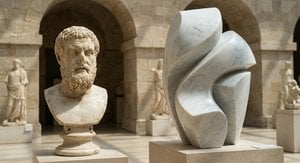
The Enduring Allure of Marble in Art History: From Classical Sculpture to Modern Abstraction
Explore the captivating history of marble sculpture from ancient Greece to modern art. Discover renowned artists like Canova & Michelangelo, carving techniques, and investment insights at ArtsDot.

Alexander Calder: Kinetic Sculpture, Mobile Art & the Poetics of Chance
Explore the revolutionary world of Alexander Calder's kinetic sculptures & mobiles. Discover insights for collectors, acquisition advice, and the enduring legacy of this modern master. Expert analysis & art valuation.

Beyond Representation: Decoding Emotion and Meaning in Modern Abstract Art
Explore the profound world of Abstract Expressionism with ArtsDot. Discover its history, emotional power & key artists like Pollock & Rothko. Expert insights for collectors & art lovers.

