


 작품 구매하기
 공유하기
공유하기 공유하기
공유하기
 Details

 다운로드
다운로드
 유사 작품
유사 작품 X-Ray
X-Ray 슬라이드 쇼
parnassus


 더 알아보기



P118B $10

P118H $10

P118W $10

P438Z $10

P508JH $12

P508YH $12

P805H $10

P805Z $10

P919BZ $10

P919G $10

P919XJ $10

P959ZH $10

P968JZ $12

W106C $8

W218G $10

W218JH $8

W218Y $10

W307PJ $10

W316G $10

W316PJ $8

W316Y $10

W398PJ $8

W4111J $10

W500HY $15

W500JH $15

W692G $12

W849H $8

W940BG $15

W953PJ $8




작품의 원본 비율을 유지하는 미리 설정된 크기 중에서 선택하세요.

특정 프레임이나 공간에 맞춰 직접 치수를 입력하실 수 있습니다. 선택하신 사이즈가 원본 이미지의 비율과 일치하지 않을 경우, 작품을 크롭(자르기)하거나 이미지를 대칭 또는 단색 채우기로 확장하여 제작합니다. 제작 시작 전, 최종 확인을 위해 디지털 목업이 전송됩니다.
화면상의 미리보기는 실제 크롭이나 확장 상태를 반영하지 않으므로, 최종 구도는 오직 목업을 통해서만 정확하게 확인하실 수 있습니다.
맞춤 사이즈 제작도 가능하지만, 원본 비율을 유지하기 위해서는 사전 정의된 목록에서 치수를 선택하시는 것을 권장합니다.


 유리 옵션은 110cm 미만 크기에서만 선택 가능합니다.

parnassus
지클레 / 아트 프린트
복제본 크기
-


최종 결제 금액
-
작품 상세 설명
A Glimpse of Paradise Lost: Andrea Mantegna’s *Parnassus*
Andrea Mantegna's 1497 painting, *Parnassus*, isn’t merely a depiction of mythological figures; it’s an immersive experience, a carefully constructed stage for the drama of creation and the echoes of antiquity. The work, rendered with Mantegna’s signature meticulousness, transports us to a hillside bathed in ethereal light, where nude women engage in what appears to be both dance and artistic contemplation. It's a scene brimming with layered meaning – a testament to the artist’s profound engagement with classical ideals, his innovative use of perspective, and a subtle commentary on the role of the artist within society.
The composition itself is remarkably balanced, yet subtly unsettling. The figures are arranged in a pyramidal structure, drawing the eye upwards towards an angel hovering on the right side of the canvas. This placement isn’t accidental; it mirrors the architectural principles favored by Roman artists and reflects Mantegna's deep fascination with classical forms. Notice how he employs a low horizon line, a technique borrowed from ancient Roman wall paintings, to create a sense of monumental grandeur – as if this idyllic scene were unfolding within a vast, timeless space. The landscape, rendered in a flinty, metallic palette, further reinforces this connection to antiquity, evoking the weathered surfaces of Roman ruins and hinting at the enduring power of the past.
The Sculptural Figure: Technique and Innovation
Mantegna’s approach to painting was profoundly sculptural, evident in every line and curve of his figures. He wasn't simply depicting the human form; he was striving to capture its underlying structure, as if carving it from stone. This influence is particularly striking in the rendering of the women’s bodies – their musculature is meticulously detailed, their poses deliberate and controlled. He achieved this remarkable effect through a combination of careful observation, anatomical study (likely informed by his time with Squarcione), and an almost obsessive attention to detail. The use of *sfumato*, a subtle blurring of lines and edges, further enhances the figures’ three-dimensionality, lending them a sense of solidity and permanence.
Furthermore, Mantegna's mastery of perspective was revolutionary for his time. He wasn’t content with merely creating an illusion of depth; he actively manipulated space to draw the viewer into the scene. The receding lines of the hillside, combined with the varying sizes of the figures, create a powerful sense of spatial recession, pulling us towards the central group and immersing us in their world. This innovative use of perspective was not just a technical achievement but also a deliberate attempt to evoke the grandeur and monumentality of Roman art.
Myth, Morality, and the Renaissance Ideal
*Parnassus*, named after Mount Parnassus in Greek mythology – the home of the Muses and the source of artistic inspiration – is steeped in symbolism. The women depicted are often interpreted as allegorical representations of the nine Muses, goddesses of the arts and sciences. However, Mantegna’s depiction goes beyond a simple mythological narrative. The scene subtly raises questions about the nature of creativity, the role of the artist, and the relationship between beauty and morality.
The nudity of the figures is particularly significant within the context of Renaissance art. While depictions of the nude were common in classical antiquity, they were often associated with mythology or historical subjects. In the Renaissance, however, the nude began to be used more frequently as a means of exploring human beauty and virtue – though always within carefully controlled boundaries. Mantegna’s *Parnassus* reflects this evolving attitude, presenting the female form not merely as an object of desire but also as a symbol of artistic potential and divine inspiration. The presence of the angel further elevates the scene to a realm of spiritual significance, suggesting that art is a gift from the heavens.
A Timeless Resonance: Reproduction and Interpretation
Andrea Mantegna’s *Parnassus* continues to resonate with viewers today, offering a captivating glimpse into the artistic and intellectual world of the High Renaissance. Its meticulous detail, innovative perspective, and profound symbolism make it a truly remarkable work of art. ArtsDot offers meticulously crafted hand-painted reproductions that faithfully capture the essence of this masterpiece, allowing you to bring its beauty and complexity into your home or office. Whether you are an art enthusiast, a collector, or simply seeking inspiration, a reproduction of *Parnassus* is sure to be a treasured addition to your collection – a window into a world where myth, morality, and artistic genius converge.
유사한 작품들


작가 약력
르네상스를 빚어낸 고대: 안드레아 만테냐의 삶과 예술
안드레아 만테냐는 1431년경 파두아 인근 이졸라 데이 카르투로에서 태어나 초기 르네상스와 고르지오 르네상스를 잇는 중요한 인물로 자리매김합니다. 그의 예술적 여정은 단순한 고전 양식의 채택에 그치지 않고, 고대 문명의 심층적인 탐구였으며, 번성하는 이탈리아 르네상스 내에서 로마의 정신을 되살리려는 열정적인 시도였습니다. 동시대 많은 화가들이 고전적 모델로부터 영감을 얻었지만, 만테냐는 독특한 열정을 가지고 고고학적 정확성을 추구했습니다. 이러한 집착은 프란체스코 스콰로니에 밑에서 그의 형성이 이루어진 데서 비롯되었는데, 그는 로마 유적, 조각상, 비문 등을 수집한 화가이자 컬렉터였습니다. 스콰로니의 작업실은 전통적인 스튜디오라기보다는 고대 로마의 파편으로 둘러싸인 학술 아카데미에 더 가까웠으며, 이곳에서 만테냐의 예술적 비전이 조각적인 형태, 극적인 원근법, 거의 강박적인 세부 묘사에 특징을 지닌 모습으로 구체화되기 시작했습니다. 그의 초기 삶은 다소 베일에 싸여 있지만, 천재성을 일찍 인정받아 스콰로니에 의해 재능을 길렀다는 이야기가 전해집니다. 이러한 비정통적인 시작은 아마도 만테냐의 끊임없는 예술적 숙달 추구와 자신만의 독특한 스타일을 구축하려는 결심을 자극했을 것입니다.곤자가 가문의 후원과 현실의 환영
만테냐의 경력은 1488년 만투아의 곤자가 가문 궁정 화가가 되면서 진정으로 꽃을 피웠습니다. 이러한 후원은 그에게 전례 없는 수준의 예술적 자유와 자신의 가장 야심찬 프로젝트를 실현할 수 있는 플랫폼을 제공했습니다. 곤자가 가문은 단순한 후원자 이상이었습니다. 그들은 예술적 혁신의 경계를 넓히는 작품을 의뢰하며 협력자 역할을 했습니다. 바로 이 시기에 만테냐는 아마도 그의 걸작이라고 할 수 있는 팔라초 두칼레에 있는 *카메라 데글리 스포시*(Bridal Chamber)의 프레스코화를 제작했습니다. 이 획기적인 작품은 단순한 장식을 넘어, 건축과 회화를 완벽하게 통합하여 공간감을 확장하는 완전한 환상 환경을 조성합니다. 프레스코화에는 곤자가 가문의 삶의 장면, 놀라울 정도로 생생하고 매혹적인 초상화가 그려져 있으며, 하늘이 열린 듯한 착각을 불러일으키는 *디 소토 인 수*(아래에서 위로) 천장 패널이 있습니다. 이러한 원근법에 대한 숙달은 단순한 기술적 능력뿐만 아니라 현실과 표현 사이의 경계를 흐릿하게 만드는 방 안에 세계를 창조하는 것에 관한 것이었습니다. *카메라 데글리 스포시* 외에도 만테냐는 곤자가 궁정을 위해 *율리우스 카이사르의 승전*(Triumphs of Caesar)이라는 기념비적인 연작을 포함하여 뛰어난 작품들을 계속 제작했습니다. 이 그림들은 고대 로마의 삼엄한 행렬에서 영감을 받았으며, 단순한 역사적 묘사가 아니라 곤자가 가문의 권력과 위엄을 찬양하는 정교한 우화입니다. 고대 로마의 제국 야망에 필적할 만한 웅장함으로 제시되었습니다.원근법과 해부학적 정확성의 달인
만테냐의 예술적 혁신은 환상적인 환경을 넘어 확장되었습니다. 그는 원근법 사용의 선구자였으며, 종종 극적인 효과를 얻기 위해 기존 방법에 어긋나는 기술을 사용했습니다. 자주 그는 지평선을 조정하여 웅장함과 인상적인 규모감을 조성했습니다. 이러한 기술은 그의 세부 사항에 대한 세심한 주의와 결합되어 그의 인물들에게 비할 데 없는 무게감과 존재감을 부여했습니다. 그는 인간 형태를 단순히 표현하는 것에 만족하지 않고 해부학을 분해하고 연구하여 이전 시대에는 혁명적이었던 정확도로 묘사했습니다. *트로페-르-되*(착시)에 대한 숙달은 이러한 효과를 더욱 향상시켜 회화와 현실 사이의 경계를 흐릿하게 만들었습니다. 이러한 해부학적 정확성에 대한 헌신은 단순한 기술적 능력의 차원을 넘어 고대 조각과의 깊은 교감을 반영하며, 고대의 이상적인 형태를 모방하려는 열망을 보여줍니다. 그는 인간 신체를 단순히 묘사하는 것이 아니라 그 본질적인 존엄성과 힘을 포착하고자 했습니다. 그의 원근법, 해부학 및 구도에 대한 숙달은 라파엘로와 미켈란젤로를 포함한 후대 세대의 수많은 예술가들에게 영향을 미쳤으며, 그들은 그의 토대를 바탕으로 르네상스 고유의 예술적 성취를 이루었습니다.유산과 지속적인 영향
안드레아 만테냐는 1506년 만투아에서 사망하여 오늘날까지 미술사학자와 애호가 모두에게 영감을 주는 유산을 남겼습니다. 그의 작품은 초기 르네상스와 고르지오 르네상스 스타일 사이의 격차를 메우는 르네상스 미술사의 중요한 전환점을 나타냅니다. 그는 단순한 고전 양식의 모방자가 아니라, 고대 모티프와 기술을 채택하여 완전히 새롭고 독특한 것을 창조하는 해석자였습니다. 그의 세부 사항에 대한 세심한 주의, 원근법에 대한 숙달, 그리고 고대 문명에 대한 깊은 교감은 그를 그의 시대의 선두 주자로 만들었습니다. 만테냐의 고전 테마 탐구는 고대 예술과 문화에 대한 관심을 불러일으켜 고르지오 르네상스의 예술적 성취를 위한 길을 열었습니다. 그의 영향력은 라파엘로의 우아한 구도에서 미켈란젤로의 강력한 인물에 이르기까지 수많은 후속 예술가들의 작품에서 볼 수 있습니다. 오늘날 그의 그림들은 전 세계 주요 박물관에 소장되어 있으며, 그곳에서 계속해서 경외심과 감탄을 불러일으키고 있습니다.- 그의 혁신적인 원근법 사용은 여전히 예술가와 미술사학자들에 의해 연구되고 있습니다.
- 그의 해부학적 정확성은 현실적인 표현에 대한 벤치마크로 남아 있습니다.
- 그의 고전 테마에 대한 헌신은 르네상스 미술의 과정을 형성하는 데 도움이 되었습니다.

만테냐
1431 - 1506 , 이탈리아
주요 정보
- 국적: 이탈리아인
- 대표 작품:
- 산 제노 제단화
- 고뇌하는 정원
- 카메라 데글리 스포시
- 카이사르의 승전
- 사망일: 1506년 9월 13일
- 영향을 받은 예술가:
- 라파엘로
- 미켈란젤로
- 영향을 준 예술가:
- 프란체스코 스콰로치오네
- 야코포 벨리니
- 예술 사조: 초기 르네상스
- 전체 이름: 안드레아 만테냐
- 출생일: 1431년경
- 출생지: 이솔라 디 카르투로, 이탈리아
관련 기사 더 보기

The Golden Light of Innovation: Exploring the Venetian Renaissance Art Movement (1430–1580)
Explore the Golden Age of Venetian art (1430–1580). Discover Giorgione, Titian & Tintoretto's techniques, the 'colorito' revolution, and lasting influence. Expert insights for collectors & enthusiasts.


The Flourishing of Humanism: A Comprehensive Exploration of the Italian Renaissance Art Movement
Explore the Italian Renaissance! Discover humanist ideals, iconic masterpieces by Leonardo, Michelangelo & Raphael, and lasting artistic innovations. A comprehensive guide for art enthusiasts.
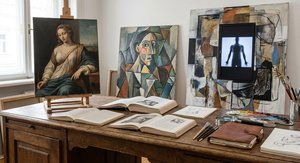
The Eloquent Body: A Historical Survey of Figure Painting & Representation
Explore the rich history of figure painting from antiquity to the Renaissance! Discover iconic artworks, masterful techniques & enduring symbolism. Find museum-quality reproductions at ArtsDot.

르네상스 걸작 TOP 10: 초기 예술의 지혜와 아름다움을 만나보세요
초기 르네상스 미술의 정수를 담은 명작 10! 보티첼리, 다비드 등 거장의 숨결을 느껴보세요. 예술 작품 탄생 비화와 아름다운 색채를 탐구하고, ArtsDot.com에서 고품질 아트 프린트 & 인테리어 영감을 얻으세요. 지금 바로 온라인 컬렉션을 만나보세요!

라파엘의 걸작 25선: 예술과 영혼을 담은 명화 컬렉션 | ArtsDot
라파엘의 걸작 25선을 만나보세요. 르네상스 시대 예술가의 섬세한 기법과 영혼을 담은 명화들을 감상하고, 아테네 학당, 천사의 학교 등 대표 작품의 숨겨진 이야기를 ArtsDot에서 확인하세요. 고급 아트 프린트로 공간에 우아함을 더해보세요! 지금 바로 컬렉션을 탐험하세요.



