


 미리보기
미리보기
 공유하기
공유하기 공유하기
공유하기
 상세 정보
상세 정보

 다운로드
다운로드
 유사 작품
유사 작품 X-레이
X-레이 슬라이드 쇼
Winter

 더 보기
더 보기
지클레 / 아트 프린트
빠른 제작과 다양한 마감 옵션을 제공하는 박물관 품질의 지클레이 또는 캔버스 프린트. ( 손으로 그린 그림 구매 이미지 구매)




P118B $10

P118H $10

P118W $10

P438Z $10

P508JH $12

P508YH $12

P805H $10

P805Z $10

P919BZ $10

P919G $10

P919XJ $10

P959ZH $10

P968JZ $12

W106C $8

W218G $10

W218JH $8

W218Y $10

W307PJ $10

W316G $10

W316PJ $8

W316Y $10

W398PJ $8

W4111J $10

W500HY $15

W500JH $15

W692G $12

W849H $8

W940BG $15

W953PJ $8




작품의 원본 비율을 유지하는 미리 설정된 크기 중에서 선택하세요.

특정 프레임이나 공간에 맞춰 직접 치수를 입력하실 수 있습니다. 선택하신 사이즈가 원본 이미지의 비율과 일치하지 않을 경우, 작품을 크롭(자르기)하거나 이미지를 대칭 또는 단색 채우기로 확장하여 제작합니다. 제작 시작 전, 최종 확인을 위해 디지털 목업이 전송됩니다.
화면상의 미리보기는 실제 크롭이나 확장 상태를 반영하지 않으므로, 최종 구도는 오직 목업을 통해서만 정확하게 확인하실 수 있습니다.
맞춤 사이즈 제작도 가능하지만, 원본 비율을 유지하기 위해서는 사전 정의된 목록에서 치수를 선택하시는 것을 권장합니다.


 유리 옵션은 110cm 미만 크기에서만 선택 가능합니다.

Winter
지클레 / 아트 프린트
복제본 크기
-


최종 결제 금액
$ 62
A Winter Reverie: Exploring Alphonse Mucha’s Artistic Vision
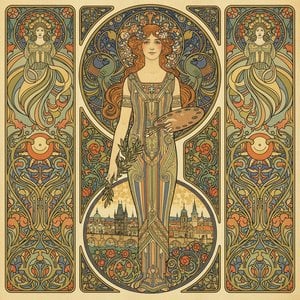
The chill air of Prague holds a certain beauty—a stillness that mirrors the essence captured in Alphonse Mucha’s ‘Winter,’ a masterpiece of Art Nouveau design. Produced in 1896, this lithograph isn't merely a depiction of snow; it’s an invitation into a meticulously crafted dreamscape, reflecting Mucha’s profound understanding of artistic principles and his unwavering devotion to capturing the spirit of his era.The Style of Flowing Elegance
Mucha’s signature style is immediately recognizable—characterized by undulating lines that dominate the composition, creating a sense of graceful movement despite the frozen landscape. Influenced by artists like Pierre-Auguste Renoir and Gustave Moreau, Mucha eschewed academic conventions in favor of organic forms and decorative patterns that celebrate nature's rhythms. The woman at the center of ‘Winter’ embodies this aesthetic ideal: draped in flowing robes adorned with stylized floral motifs—a recurring theme throughout Mucha’s oeuvre—she exudes serenity and poise. These lines aren’t simply visual elements; they represent a deliberate rejection of rigidity, mirroring Mucha’s belief that art should transcend mere representation to evoke emotion and inspire contemplation.Lithography: A Technique Rooted in Precision
The medium chosen for ‘Winter’ – lithography – speaks volumes about Mucha's artistic approach. Unlike painting, which relies on pigment applied to canvas, lithography utilizes stone plates etched with intricate designs. This technique allows for exceptional detail and tonal gradation—crucial for achieving the luminous quality of Mucha’s prints. Layers of color are painstakingly applied using a process known as mezzotint, resulting in velvety textures and subtle shading that imbue the image with depth and atmosphere. The careful craftsmanship involved underscores Mucha's commitment to mastering his craft and elevating printmaking to an art form worthy of admiration.Symbolism Within the Frozen Landscape
Beyond its aesthetic beauty, ‘Winter’ is laden with symbolic meaning. The snow itself represents purity and stillness—qualities that Mucha sought to convey through his artistic endeavors. The woman's posture conveys tranquility and acceptance, suggesting a harmonious relationship between humanity and nature. Furthermore, the stylized floral decorations symbolize fertility and renewal—contrasting sharply with the apparent dormancy of winter. These elements collectively contribute to the artwork’s overarching message: even in periods of hardship and darkness, beauty persists, offering solace and inspiring hope.A Legacy of Artistic Innovation
Alphonse Mucha's ‘Winter,’ like his other celebrated works – including *The Slavonic Uprising* and *Salon des Cent* – stands as a testament to Art Nouveau’s enduring influence on visual culture. It exemplifies the movement’s fascination with idealized female figures, flowing lines, and decorative ornamentation—elements that continue to resonate with artists and designers today. Reproductions of this iconic print offer collectors and interior decorators alike an opportunity to experience firsthand Mucha's visionary aesthetic and appreciate the timeless beauty of Art Nouveau artistry.


작가 약력
알폰스 무하: 꿈결 같은 선과 슬라브 민족의 영혼을 담은 예술가
1860년 보헤미아의 작은 마을 이바나치체에서 태어난 알폰스 무하는 어린 시절부터 뛰어난 예술적 재능을 드러냈다. 프라하 미술 아카데미에 입학했지만, 전통적인 교육 방식에 만족하지 못하고 새로운 가능성을 찾아 1887년 파리로 떠났다. 당시 파리는 인상주의와 신인상주의 등 다양한 사조가 공존하며 격동적인 예술적 변화를 겪고 있었다. 무하는 이러한 환경 속에서 자신만의 독특한 스타일을 구축하기 시작했다. 초기에는 일러스트레이터로 활동하며 생계를 유지했지만, 그의 인생을 완전히 바꿔놓은 운명적인 만남이 기다리고 있었다. 바로 프랑스를 대표하는 여배우 사라 베르나르와의 조우였다.사라 베르나르와의 협업과 아르누보의 탄생
1894년, 무하는 사라 베르나르의 연극 <지스몬다> 포스터 제작을 의뢰받았다. 이 포스터는 곧 엄청난 성공을 거두며 무하를 일약 스타덤에 올려놓았다. 베르나르는 이후에도 수많은 작품을 무하에게 맡겼고, 무하는 그녀를 위한 극장 포스터, 장식 디자인 등을 제작하며 아르누보 스타일의 정수를 보여주었다. 그의 작품은 유려한 곡선, 화려한 꽃문양, 이상화된 여성 이미지로 특징지어진다. 단순하면서도 우아하고 세련된 디자인은 당시 유럽 사회에 큰 반향을 일으켰고, 무하는 ‘무하 스타일’이라는 새로운 장르를 창조하며 아르누보 운동의 선구자가 되었다. 특히 그의 포스터는 광고 디자인의 개념을 혁신적으로 변화시켰다는 평가를 받는다.슬라브 민족의 역사와 자긍심을 담은 대작, <슬라브 서사시>
무하는 아르누보 스타일로 명성을 얻었지만, 그의 예술적 열망은 단순히 장식적인 아름다움을 넘어선 곳에 있었다. 그는 자신의 조국 체코의 역사와 문화를 세계에 알리고 싶다는 강한 의지를 품고 있었다. 1912년부터 1930년까지 무하는 <슬라브 서사시>라는 거대한 연작을 제작하기 시작했다. 이 작품은 슬라브 민족의 기원부터 현대까지의 역사적 사건과 영웅들을 담고 있으며, 총 20점의 대형 회화로 구성되어 있다. 무하는 체코 전역을 여행하며 자료를 수집하고, 민속 예술가들과 교류하며 작품에 깊이를 더했다. <슬라브 서사시>는 슬라브 민족의 자긍심을 고취시키고, 독립된 국가 건설에 기여하는 중요한 역할을 했다.독립 체코슬로바키아를 위한 헌신과 예술적 유산
제1차 세계대전 이후 독립한 체코슬로바키아 정부는 무하에게 우표, 지폐, 공문서 등 국가적인 디자인을 의뢰했다. 무하는 자신의 예술적 재능을 조국을 위해 기꺼이 헌신하며 새로운 국가의 이미지를 구축하는 데 앞장섰다. 그의 디자인은 체코슬로바키아 국민들에게 큰 자긍심을 심어주었고, 독립 국가로서의 정체성을 확립하는 데 중요한 역할을 했다. 무하의 작품은 단순한 예술 작품을 넘어선 사회적 의미를 지니고 있었던 것이다. 1939년 프라흐에서 세상을 떠난 알폰스 무하는 아르누보 운동의 거장으로서, 그리고 슬라브 민족의 영혼을 담은 예술가로서 후대에 깊은 영향을 미쳤다. 그의 작품은 오늘날에도 전 세계적으로 사랑받고 있으며, 꿈결 같은 선과 아름다운 색채는 시대를 초월하여 감동을 선사하고 있다. 무하 스타일은 여전히 많은 디자이너들에게 영감을 주고 있으며, 그의 예술적 유산은 앞으로도 오랫동안 빛날 것이다.
알폰스 무하
1860 - 1939 , 체코 공화국
주요 정보
- 국적: 체코
- 사망일: 1939년
- 영향을 받은 예술가: ['에바 프로코프초바']
- 영향을 준 예술가:
- 피에르 오귀스트 르누아르
- 귀스타브 모로
- 예술 사조: 아르누보
- 이름: 알폰스 마리아 무하
- 주요 작품:
- 슬라브 봉기
- 살롱 데 썽
- 출생일: 1860년 7월 15일
- 출생지: 브르노, 체코 공화국
관련 기사 더 보기
Alphonse Mucha: A Comprehensive Exploration of Art Nouveau's Master of Decorative Symbolism
Explore the life & art of Alphonse Mucha, master of Art Nouveau! Discover his iconic posters, stunning illustrations, and the monumental Slav Epic. A comprehensive guide for collectors & enthusiasts.

낭만 풍경화의 황홀! 예술사에 빛난 10대 걸작 탐구 | 와후아트
낭만주의 시대, 예술혼을 불태운 10대 풍경화 걸작! 터너부터 프리드리히까지, 시대를 초월하는 아름다움을 와후아트에서 만나보세요. 고흐의 색채와 코로의 섬세함이 당신의 공간에 영감을 더합니다. 지금 바로 와후아트에서 명품 미술 작품을 감상하고 구매하세요!

존 컨스터블 대표작 25선: 영국 풍경화의 거장, 자연과 감성을 담은 명화 컬렉션 | ArtsDot
존 컨스터블 대표작 25선을 만나보세요. 영국 풍경화 거장의 자연주의 회화, 데담 밸리의 아름다움과 헤이 웨인의 정취를 담은 명화를 감상하세요. ArtsDot에서 고품질 예술 작품 복제본을 소장하고 특별한 인테리어를 완성해보세요. 지금 바로 컬렉션을 탐험하세요!

아르누보를 빛낸 10대 걸작: 예술과 인테리어의 조화로운 혁신
아르누보 미술의 정수를 담은 10대 걸작을 만나보세요! 무하, 클림트 등 거장의 작품부터 유기적 곡선과 자연주의 색감이 돋보이는 예술 세계를 탐험하고, ArtsDot.com에서 고품질 아트 프린트를 찾아 당신의 공간에 예술적인 영감을 더하세요.

Impressionistic Landscapes: 10 Masterpieces That Changed Art & Decor
Journey into the heart of Impressionism! Explore 10 masterpieces by Monet, Renoir & Degas that revolutionized landscape art. Discover their stories, techniques & find museum-quality reproductions to elevate your home decor on ArtsDot.com.

