

 미리보기
미리보기
 프린트 구매
 공유하기
공유하기 공유하기
공유하기
 상세 정보
상세 정보

 다운로드
다운로드
 유사 작품
유사 작품 X-레이
X-레이 슬라이드 쇼
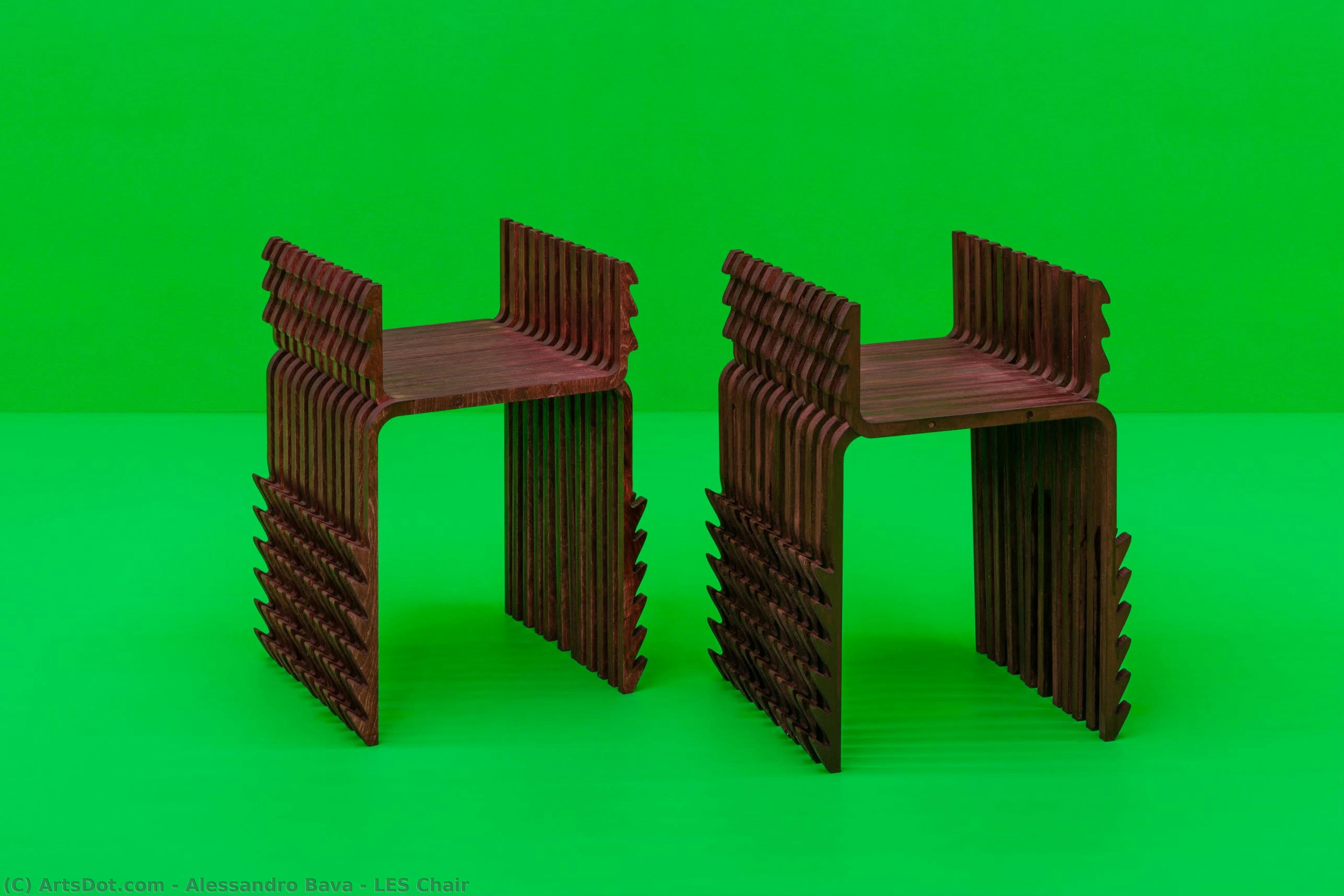
LES Chair


 더 보기
더 보기




































작품의 원본 비율을 유지하는 미리 설정된 크기 중에서 선택하세요.

특정 프레임이나 공간에 맞도록 직접 크기를 입력할 수 있습니다. 선택하신 크기가 원본 이미지의 비율과 일치하지 않는 경우, 작품을 자르거나 추가적인 손으로 그린 요소를 사용하여 그림을 확장합니다. 제작 시작 전 승인을 위해 디지털 목업을 보내드립니다.
화면 미리 보기는 실제 자르기 또는 확장을 반영하지 않습니다. 최종 구성은 목업을 통해서만 정확하게 확인하실 수 있습니다.
맞춤 크기 제작도 가능하지만, 원본 비율을 유지하기 위해 사전 정의된 목록에서 크기를 선택하시는 것을 권장합니다.
주문 후 ArtsDot.com 팀에서 상세 안내를 위해 고객님께 이메일을 보내드리며, 미리보기 시안을 제공해 드립니다.


 유리 옵션은 110cm 미만 크기에서만 선택 가능합니다.

LES Chair
재현 기법
복제본 크기
-


최종 결제 금액
$ 263
유사한 작품들


작가 약력
The Echo of a Decade: Exploring the Art of 1985
The year 1985 resonates within the art world as a pivotal moment, a vibrant collision of styles and ideas that laid the groundwork for much of what followed. While often overshadowed by the seismic shifts in music and technology, this decade witnessed a remarkable flowering of artistic expression – from the burgeoning Neo-Expressionism to the continued evolution of Pop Art and the emergence of new voices challenging established norms. This artist’s work, inextricably linked to this era, reflects both its dynamism and its underlying anxieties, capturing a specific mood and aesthetic that continues to fascinate today. Born in 1985, their artistic journey is deeply intertwined with the cultural landscape of that year, absorbing its influences while simultaneously forging a unique visual language.
The early years of this artist’s life coincided with a period of intense social and political change. The lingering effects of the Cold War, coupled with the rise of MTV and the increasing globalization of culture, created a complex and often contradictory environment. This atmosphere – a blend of optimism and uncertainty, rebellion and conformity – is palpable in their work. Early influences were drawn from the art world’s reaction to the perceived stagnation of Minimalism and Conceptualism; artists began to embrace subjective experience, raw emotion, and a return to figuration. The rise of Neo-Expressionism, spearheaded by figures like Georg Baselitz and Anselm Kiefer, provided a crucial framework for this shift, demonstrating that painting could be a vehicle for personal expression rather than purely intellectual inquiry.
Neo-Expressionism and the Return to Emotion
The impact of Neo-Expressionism is undeniably central to understanding this artist’s development. The movement's emphasis on expressive brushwork, bold colors, and often unsettling imagery directly informed their approach to painting. Charles Saatchi’s pivotal role in showcasing these artists at his gallery in London served as a catalyst for wider recognition and fueled the movement’s momentum. This period saw a rejection of the polished surfaces and conceptual rigor of previous decades, replaced by a desire to convey feeling—often intense, even violent—through direct engagement with the canvas. The artist's early works demonstrate this influence through their dynamic compositions, gestural marks, and use of color to evoke specific emotional states.
Germano Celant’s writings on Neo-Expressionism further shaped the discourse surrounding the movement, emphasizing its roots in Romanticism and its rejection of academic traditions. The artist's engagement with these ideas is evident in their willingness to experiment with different techniques and materials, pushing beyond traditional boundaries. The inclusion of works like “Arte Povekira” – a project that combined art and social commentary – highlights this commitment to challenging established norms and engaging with contemporary issues.
A Moment in Time: The Significance of 1985
1985 was a year saturated with cultural significance, marked by events both grand and intimate. The launch of MTV signaled the arrival of music videos as a dominant form of entertainment, profoundly impacting visual culture. Simultaneously, the Live Aid concert demonstrated the power of collective action in addressing global crises like famine. The artist’s work reflects this multifaceted reality, capturing not only the aesthetic trends of the decade but also its underlying anxieties and aspirations. The legal battle surrounding Constantin Brâncuși's “The Muse” – a landmark case involving the Guggenheim Museum – underscores the complex interplay between art, commerce, and intellectual property during this period.
Furthermore, 1985 witnessed significant advancements in music, with artists like Madonna achieving unprecedented commercial success. The rise of hip-hop and the emergence of new genres like synth-pop further diversified the musical landscape. These developments undoubtedly influenced the artist’s creative process, exposing them to a wider range of influences and challenging their own artistic boundaries.
Technique and Style: A Synthesis of Influences
While deeply rooted in Neo-Expressionism, this artist's style transcends simple categorization. Their work incorporates elements of Pop Art’s ironic engagement with popular culture, as seen in the use of bold colors and recognizable imagery. The influence of artists like Christo and Jeanne Claude – known for their large-scale environmental installations – is also apparent in their willingness to experiment with scale and materiality. The artist's technique is characterized by a dynamic interplay between gestural brushwork and precise detailing, creating images that are both emotionally charged and visually compelling.
The use of color plays a crucial role in their work, often employed to evoke specific moods or create symbolic associations. From the vibrant hues of “And The Saved World Remembers” to the muted tones of “The Cloud,” color is not merely decorative but an integral component of the artist’s expressive language. Their exploration of texture and surface adds another layer of complexity to their work, inviting viewers to engage with the materiality of the canvas.
Legacy and Continuing Relevance
Despite emerging in a specific historical context, this artist's work continues to resonate today. Their engagement with themes of identity, memory, and social commentary remains relevant in an increasingly complex world. The echoes of 1985 – its anxieties, its aspirations, and its cultural shifts – are still visible in their art, reminding us of the enduring power of artistic expression to capture a moment in time and provoke reflection on the human condition.

alessandro bava
1985 - , Italy
주요 정보
- Artistic Movement Or Style: Hand-painted reproductions
- Date Of Birth: 1985
- Date Of Death: Living
- Place Of Birth: WahooArt

