

 프린트 구매하기
 공유하기
공유하기 공유하기
공유하기
 Details

 다운로드
다운로드
 유사 작품
유사 작품 X-Ray
X-Ray 슬라이드 쇼
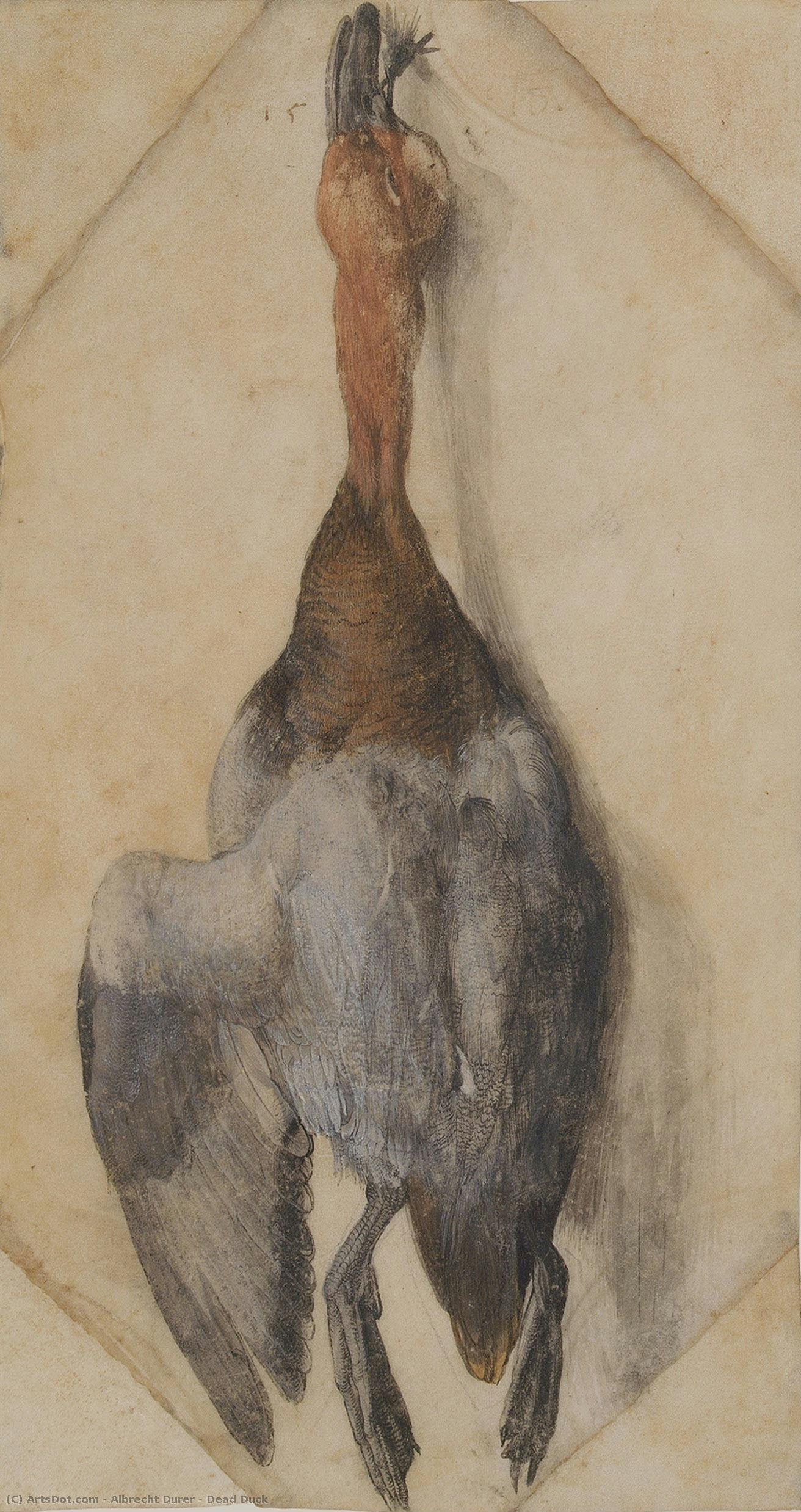
Dead Duck
 캔버스 위에 아크릴
- 벽화
- Northern Renaissance
 1512
1512 22.0 x 12.0 cm
 캘러스투 셀베키안 박물관




P118B $10

P118H $10

P118W $10

P438Z $10

P508JH $12

P508YH $12

P805H $10

P805Z $10

P919BZ $10

P919G $10

P919XJ $10

P959ZH $10

P968JZ $12

W106C $8

W218G $10

W218JH $8

W218Y $10

W307PJ $10

W316G $10

W316PJ $8

W316Y $10

W398PJ $8

W4111J $10

W500HY $15

W500JH $15

W692G $12

W849H $8

W940BG $15

W953PJ $8




 더 알아보기
작품의 원본 비율을 유지하는 미리 설정된 크기 중에서 선택하세요.

특정 프레임이나 공간에 맞도록 직접 크기를 입력할 수 있습니다. 선택하신 크기가 원본 이미지의 비율과 일치하지 않는 경우, 작품을 자르거나 추가적인 손으로 그린 요소를 사용하여 그림을 확장합니다. 제작 시작 전 승인을 위해 디지털 목업을 보내드립니다.
화면 미리 보기는 실제 자르기 또는 확장을 반영하지 않습니다. 최종 구성은 목업을 통해서만 정확하게 확인하실 수 있습니다.
맞춤 크기 제작도 가능하지만, 원본 비율을 유지하기 위해 사전 정의된 목록에서 크기를 선택하시는 것을 권장합니다.
주문 후 ArtsDot.com 팀에서 상세 안내를 위해 고객님께 이메일을 보내드리며, 미리보기 시안을 제공해 드립니다.


 유리 옵션은 110cm 미만 크기에서만 선택 가능합니다.

Dead Duck
재현 기법
복제본 크기
-


최종 결제 금액
-
작품 상세 설명
A Grim Reflection of Mortality: Albrecht Dürer’s “Dead Duck”
The painting "Dead Duck," executed by Albrecht Dürer in 1512, stands as a haunting testament to the anxieties surrounding death and decay that permeated Renaissance Europe. More than just a depiction of avian anatomy—though Dürer's meticulous observation is undeniable—it’s a profound meditation on mortality rendered with unparalleled artistic skill and symbolic resonance. Hanging suspended from the ceiling by its neck, the duck embodies vulnerability and impending demise, confronting viewers with an unflinching gaze into the face of oblivion.Technical Mastery: Anatomical Precision Meets Artistic Illusion
Dürer's mastery is evident in every detail of this unsettling composition. Employing oil paint on a poplar panel—a common medium for portraiture at the time—he achieved remarkable realism through painstaking anatomical study. The duck’s musculature, feathers, and skin texture are rendered with astonishing accuracy, demonstrating Dürer’s dedication to capturing the physical world as faithfully as possible. However, this realism isn't merely descriptive; it serves as a springboard for artistic illusion. Dürer skillfully manipulates light and shadow to create an atmosphere of palpable gloom, emphasizing the duck’s lifelessness and conveying a sense of profound sorrow. The subtle gradations of color contribute to the overall effect, enhancing the painting’s emotional impact without resorting to dramatic chiaroscuro—a technique favored by Caravaggio—which would emerge later in the Baroque period.Historical Context: Plague Fears and Spiritual Concerns
“Dead Duck” was created during a turbulent era marked by outbreaks of plague throughout Europe, casting a long shadow over artistic endeavors. The Black Death had decimated populations across the continent decades earlier, leaving indelible scars on collective consciousness. This pervasive fear of death fueled anxieties about the fragility of human existence and prompted artists to grapple with existential questions. Dürer’s preoccupation with mortality isn't simply biographical; it reflects broader cultural concerns regarding the inevitability of decay and the importance of contemplating one’s own mortality. The painting aligns perfectly with humanist ideals that championed reason and observation alongside spiritual contemplation—a hallmark of the Renaissance spirit.Symbolism: Beyond the Bird – A Representation of Decay and Loss
The duck itself is laden with symbolic significance. Traditionally, ducks represent innocence and purity, yet here it hangs lifelessly, stripped of its vitality and confronted by death’s dominion. This juxtaposition underscores the paradoxical nature of existence—the beauty and fragility intertwined within a single organism. The hanging position reinforces this sense of vulnerability, mirroring the helplessness felt in confronting mortality. Furthermore, the decaying flesh serves as a visual metaphor for the inevitable process of decomposition, reminding viewers that all earthly pleasures are transient. Dürer’s deliberate choice of subject matter speaks to a deeper philosophical inquiry into the human condition—a quest for understanding amidst suffering and loss.Emotional Resonance: A Portrait of Sorrowful Contemplation
“Dead Duck” transcends mere visual representation; it evokes profound emotional resonance. The painting compels viewers to confront uncomfortable truths about life’s impermanence and invites introspection on themes of grief, acceptance, and the inevitability of death. Its somber palette and meticulous detail contribute to its melancholic atmosphere, fostering a contemplative mood that lingers long after viewing. It's precisely this ability to elicit emotion—to provoke thought and inspire reflection—that secures Dürer’s place as one of the greatest artists of his time and ensures “Dead Duck” continues to captivate audiences centuries later.유사한 작품들


작가 약력
뉘른베르크에서 피어난 천재: 알브레히트 뒤러의 삶과 예술
알브레히트 뒤러는 15세기 독일 르네상스를 대표하는 거장으로, 그의 이름은 오늘날까지도 뛰어난 예술적 재능과 혁신적인 정신을 상징합니다. 1471년 독일 뉘른베르크에서 금세공인 아버지와 어머니 사이에서 태어난 뒤러는 어린 시절부터 그림에 천부적인 재능을 보였습니다. 그의 아버지는 처음에는 뒤러가 가업을 이어갈 것이라고 생각했지만, 곧 아들의 예술적 열정을 인정하고 그를 뉘른베르크의 대표적인 화가였던 미하엘 볼게무트에게 보내기로 결정합니다. 볼게무트의 작업실에서 뒤러는 목판화 제작 기술과 디자인 원리를 익히며, 그의 예술적 기반을 다졌습니다. 특히 볼게무트는 *뉘른베르크 만년기* 삽화를 제작하는 데 참여하며, 방대한 양의 작품을 통해 뒤러는 구성력과 표현력을 키웠습니다. 1484년에 그린 은봉 점묘 자화상은 그의 어린 시절 재능을 보여주는 놀라운 증거이며, 예술가로서의 정체성이 이미 형성되고 있음을 암시합니다.이탈리아 여행과 예술적 성숙
뒤러는 자신의 예술적 지평을 넓히고 회화 기법을 연마하기 위해 1494년 이탈리아로 첫 번째 여정을 떠납니다. 이는 단순한 관광 여행이 아닌, 르네상스 심장부로 향하는 예술적 순례였습니다. 라파엘로, 조반니 벨리니, 레오나르도 다 빈치와 같은 거장들의 작품을 직접 접하며 뒤러는 고전적인 모티프, 조화로운 구도, 그리고 인간 표현의 새로운 가능성을 탐구했습니다. 이탈리아 경험은 그의 예술에 깊은 영향을 미쳤습니다. 그는 이탈리아 화가들이 보여준 균형미와 이상화를 받아들였지만, 동시에 북유럽 미술 특유의 섬세한 묘사와 상징적인 깊이를 잃지 않았습니다. 1505년부터 1507년까지 이탈리아에서 보낸 두 번째 여정은 고대 로마 유적을 탐구하고 인체 해부학에 대한 이해를 심화시키는 계기가 되었습니다. 이러한 경험들은 뒤러의 독특한 예술 스타일을 완성하는 데 결정적인 역할을 했습니다.다재다능함: 회화, 판화, 목판화
뒤러는 회화뿐만 아니라 판화, 목판화 등 다양한 매체를 능숙하게 다루며 예술적 역량을 발휘했습니다. 그의 유화 작품들은 기름 물감의 섬세한 표현과 인물에 대한 깊이 있는 통찰력을 보여줍니다. 특히 베네치아 화풍의 영향을 받은 *장미 축제 연회*는 생동감 넘치는 색채와 풍부한 디테일로 르네상스 시대 회화의 정수를 보여줍니다. 그러나 뒤러를 진정으로 특별하게 만드는 것은 판화, 특히 동판화와 목판화에 대한 그의 탁월한 능력이었습니다. 그는 판화를 단순한 복제 기술이 아닌 독립적인 예술 형태로 끌어올렸으며, 복잡한 이야기와 깊은 감정을 전달하는 데 활용했습니다. *요한계시록* 연작(1498)은 목판화의 한계를 극복하고 웅장한 비전을 표현해낸 걸작입니다. 1514년에 제작된 *메랑콜리아 I*과 *성 제롬의 연구실*은 그의 동판화 기술을 극한으로 끌어올린 작품으로, 상징적인 의미와 숨 막힐 듯한 정밀함이 어우러져 있습니다.이론가이자 혁신가: 알브레히트 뒤러의 유산
뒤러는 예술가로서의 재능뿐만 아니라 학자, 이론가, 그리고 혁신가로서도 두각을 나타냈습니다. 그는 예술 창작의 근본 원리를 이해하고자 노력하며, 수학적 원리에 기반한 예술 접근 방식을 추구했습니다. *인간 비례에 관한 네 권의 책* (1528)과 같은 저술은 인체 해부학, 기하학, 그리고 군사 공학 분야에 대한 그의 깊이 있는 지식을 보여줍니다. 이러한 저술들은 예술가들을 단순한 장인이 아닌 지적 실천자로 격상시키는 데 기여했습니다. 뒤러의 유산은 시대를 초월하여 수많은 예술가와 학자들에게 영감을 주고 있습니다. 그는 북유럽 미술 전통과 이탈리아 르네상스 이상을 융합하며, 새로운 예술적 가능성을 열었습니다. 그의 기술적인 숙달, 혁신적인 정신, 그리고 깊이 있는 비전은 오늘날까지도 서양 미술사의 중요한 부분을 차지하고 있습니다. 그의 작품은 관찰력, 지식 추구, 그리고 아름다움과 의미를 창조하려는 인간의 끊임없는 열망을 증명하는 증거입니다.영향과 지속적인 영향
- 미하엘 볼게무트: 뒤러에게 기본적인 그림 및 목판화 기술을 가르쳐준 스승.
- 레오나르도 다 빈치: 해부학, 원근법, 그리고 스푸마토 기법에 대한 탐구를 자극했습니다.
- 라파엘로: 조화로운 구도와 이상적인 형태에 영향을 미쳤습니다.
- 조반니 벨리니: 색채와 베네치아 회화 전통에 대한 이해를 높였습니다.

알브레히트 뒤러
1471 - 1528 , 이탈리아
주요 정보
- 국적: 독일인
- 대표작:
- 묵시록 연쇄
- 멜랑콜리아 I
- 성 예로니모
- 사망일: 1528년 4월 6일
- 출생일: 1471년 5월 21일
- 출생지: 뉘른베르크, 독일
관련 기사 더 보기

Albrecht Dürer's Masterpieces: 25 Iconic Artworks for Your Home | ArtsDot
Explore 25 iconic artworks by Albrecht Dürer, a master of the German Renaissance. Discover the stories behind Melencolia I, Knight Death and Devil & more. Find museum-quality art reproductions for your home at ArtsDot.com.


The Northern Awakening: Artistic Innovation & Cultural Transformation in the German Renaissance
Explore the artistic innovation of the German Renaissance! Discover Dürer, the Danube School & Reformation art. Learn about techniques, materials & lasting influence. Find museum-quality reproductions at ArtsDot.

Albrecht Dürer: A Renaissance Master's Legacy of Innovation and Self-Portraiture
Explore the life & art of Albrecht Dürer, a pivotal German Renaissance master. Discover his groundbreaking printmaking techniques, iconic self-portraits, and lasting influence on Western art history. A deep dive into innovation & symbolism.
북부 르네상스 미술의 거장 10선: 예술과 품격으로 당신의 공간을 채우다
북부 르네상스 미술의 정수를 담은 10가지 대작! 뒤러, 반호이켄 등 거장의 작품으로 예술적 영감을 얻고, ArtsDot.com에서 고품격 아트 프린트와 인테리어 아이디어를 만나보세요. 지금 바로 온라인 컬렉션을 탐험하세요.

Surrealist Painting Masterpieces: 10 Artworks That Redefined Reality | ArtsDot
Journey into the dreamlike world of Surrealism! Explore 10 masterpieces by Dali, Magritte & Miró that redefined art. Discover their stories & find museum-quality reproductions to elevate your home decor on ArtsDot.com.



