

 실제 크기로 보기
 보내기
보내기 공유하기
공유하기
 상세 보기
상세 보기 가이드 보기

 이미지 다운로드
 유사 작품 더 보기
 X-레이
X-레이 슬라이드 쇼 보기
 Q&A
Q&A 통계 정보
통계 정보Intersections N° 6

 상세 보기
상세 보기
이 페이지에 표시된 작품은 저작권법의 보호를 받으며, 이에 따라 동일한 복제품을 제작하거나 판매하는 것은 법으로 금지되어 있습니다. 이러한 권리 보호는 다음과 같은 국제 협약에 따라 시행됩니다. 베른 협약 또한 다음에서 명시하는 법률을 포함한 국내법에 의해 보호됩니다. 미국 저작권법 제17조.
이 방식은 저작권 보호를 받는 예술 작품을 복제하거나 그대로 재현하는 것이 아니기에 저작권 규정을 완벽히 준수합니다. 대신, 이는 창의적인 재해석의 과정을 거칩니다. 즉, 원작에서 영감을 받되 원작과 동일하지 않은 새로운 회화 작품을 의미합니다.
지클레 / 아트 프린트
빠른 제작과 다양한 마감 옵션을 선택할 수 있는 박물관 수준의 지클레이 및 캔버스 프린트. ( 수작업 채색 복제본 주문하기 디지털 이미지 판매 채널로 전환)




































작품의 원본 비율을 그대로 유지하는 프리셋 사이즈 중에서 선택해 보세요.

액자나 벽면 크기에 맞춰 필요한 가로와 세로 길이를 입력해 주세요. 프린트는 원본 이미지보다 크게 제작할 수 없으며 오직 자르는 것만 가능하므로, 비율이 다른 사이즈를 선택할 경우 이미지의 일부가 잘려 나갈 수 있습니다. 인쇄 작업에 들어가기 전, 최종 확인을 위해 디지털 목업을 보내드립니다. 이 페이지에 표시된 이미지는 실제 잘리는 영역을 나타내지 않으며, 오직 목업을 통해서만 정확한 확인이 가능합니다.


 유리 옵션은 110cm 미만 크기에서만 선택 가능합니다.

Intersections N° 6
지클레 / 아트 프린트
복제본 규격
-


총 결제 금액
₩ 83380


작가 소개
Early Life and Artistic Awakening
Alberto Magnelli, born in Florence on July 1st, 1888, emerged as a pivotal figure in the evolution of abstract art, though his path to pure abstraction was anything but direct. Unlike many artists formally trained within established academies, Magnelli was largely self-taught. His initial artistic spark ignited during a family vacation in the Tuscan Apennines in 1907, accompanying an antiques dealer and painter—a formative experience that set him on a lifelong creative trajectory. By 1909, remarkably quickly, he had gained enough recognition to exhibit at the prestigious Venice Biennale, signaling his early promise within the Italian art world. These initial works were characterized by a vibrant Fauvist sensibility, revealing a fascination with bold color and expressive brushwork. However, Magnelli’s artistic spirit was restless; he soon sought broader horizons, embarking on journeys that would fundamentally reshape his aesthetic vision.Parisian Encounters and Early Abstraction
The year 1914 proved transformative as Magnelli made his first sojourn to Paris, a city then pulsating with avant-garde energy. It was here, amidst the burgeoning Cubist movement, that he forged crucial connections with leading figures like Apollinaire, Picasso, Gris, and Léger. These encounters profoundly impacted his artistic development, prompting him to experiment with simplified forms and flattened perspectives. He began developing an “elliptical form of figurative painting,” as described by scholars, a style that gradually distilled into abstraction through a process of deliberate reduction. This period saw the emergence of *Explosions lyriques* (Lyric Explosions) in 1918, works demonstrating a dynamic interplay between constructive figuration and nascent abstract elements. Yet, Magnelli remained an independent voice, resisting complete assimilation into any single school or ideology.A Period of Reflection and Return to Abstraction
The outbreak of World War I prompted Magnelli’s return to Italy, leading to a surprising shift in his artistic focus. He temporarily moved away from abstraction, exploring more traditional landscapes and figurative compositions—albeit rendered with an abstracted sensibility. This period represented a moment of reflection, a departure from the radical experimentation of his Parisian years. However, this detour proved temporary. In the early 1930s, a visit to the marble quarries of Carrara reignited his passion for abstraction. The immense blocks of stone inspired the *Pierres éclatées* (Shattered Stones) series, marking a crucial turning point in his artistic journey and laying the foundation for his mature style. In October 1931, Magnelli definitively settled in Paris, embracing the city as his permanent creative base.Concrete Art and Lasting Legacy
From 1937 onward, Magnelli’s work irrevocably embraced abstraction, solidifying his position as a pioneer of Concrete art—an artistic movement focused on pure geometric forms and non-representational compositions. His canvases became arenas for the interplay of elegant shapes, balanced color palettes, and dynamic spatial relationships. He skillfully combined subjective form with rigorous discipline, creating works that were both visually compelling and intellectually stimulating. During the challenging years of World War II, Magnelli continued to create, finding solace in his art despite limited resources. This period saw him explore collage and *ardoises* (slate paintings), innovative techniques born out of necessity. After the war, he actively participated in exhibitions like Salon des Réalités Nouvelles, championing a vision of abstract art that prioritized imagination and dynamism. Alberto Magnelli passed away in 1971, leaving behind a rich body of work that continues to inspire artists and captivate audiences with its timeless elegance and enduring power. His legacy lies not only in his pioneering role within Concrete art but also in his unwavering commitment to artistic independence and the pursuit of pure visual expression.
Alberto Magnelli
1888 - 1971 , Italy
작가 정보 요약
- Full Name: Josef Albers
- Nationality: German-American
- Date Of Birth: 1888
- Date Of Death: 1971
- Place Of Birth: Florence, Italy
- Notable Artworks:
- Homage to the Square
- Yellow Hexagons
- Artistic Movement Or Style: Abstract painting, Color theory
- Artists Who Influenced This Artist:
- Paul Klee
- Wassily Kandinsky
- Artists Or Movements Influenced By This Artist:
- Color Field painting
- Bauhaus movement
관련 기사

Beyond Form & Color: Geometric Abstraction's Enduring Legacy in Art History
Explore the captivating world of geometric abstraction! Discover its origins, key artists like Malevich & Mondrian, and why this movement remains highly valued by art collectors today. Expert insights at ArtsDot.

Beyond Form & Color: Geometric Abstraction's Evolution in 20th/21st Century Art
Explore the evolution of geometric abstraction from Cubism to contemporary art. Discover key artists like Malevich & Mondrian, investment insights, and expert collecting advice at ArtsDot.
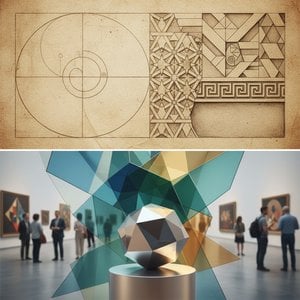
Geometric Design in Art: A Historical Survey & Contemporary Appeal for Collectors
Explore the enduring legacy of geometric abstraction! Discover key artists, historical movements & investment insights for discerning art collectors. Expert guidance from ArtsDot.

기하학적 추상 미술을 정의한 명작 10가지 | ArtsDot.com
몬드리안, 말레비치 등 거장들의 기하학적 추상 미술 명작 10선을 만나보세요. 각 작품의 예술사적 의미와 색채, 구성을 탐구하고 ArtsDot.com에서 고품질 아트 프린트를 소장하세요. 지금 바로 온라인 컬렉션을 확인하세요!

Beyond Form & Function: A History of Geometric Art's Enduring Appeal
Explore the captivating history of geometric abstraction, from its revolutionary origins to contemporary masters. Expert insights for art collectors & investors. Discover key artists and build your collection with ArtsDot.