

 미리보기
미리보기
 공유하기
공유하기 공유하기
공유하기
 상세 정보
상세 정보

 다운로드
다운로드
 유사 작품
유사 작품 X-레이
X-레이 슬라이드 쇼
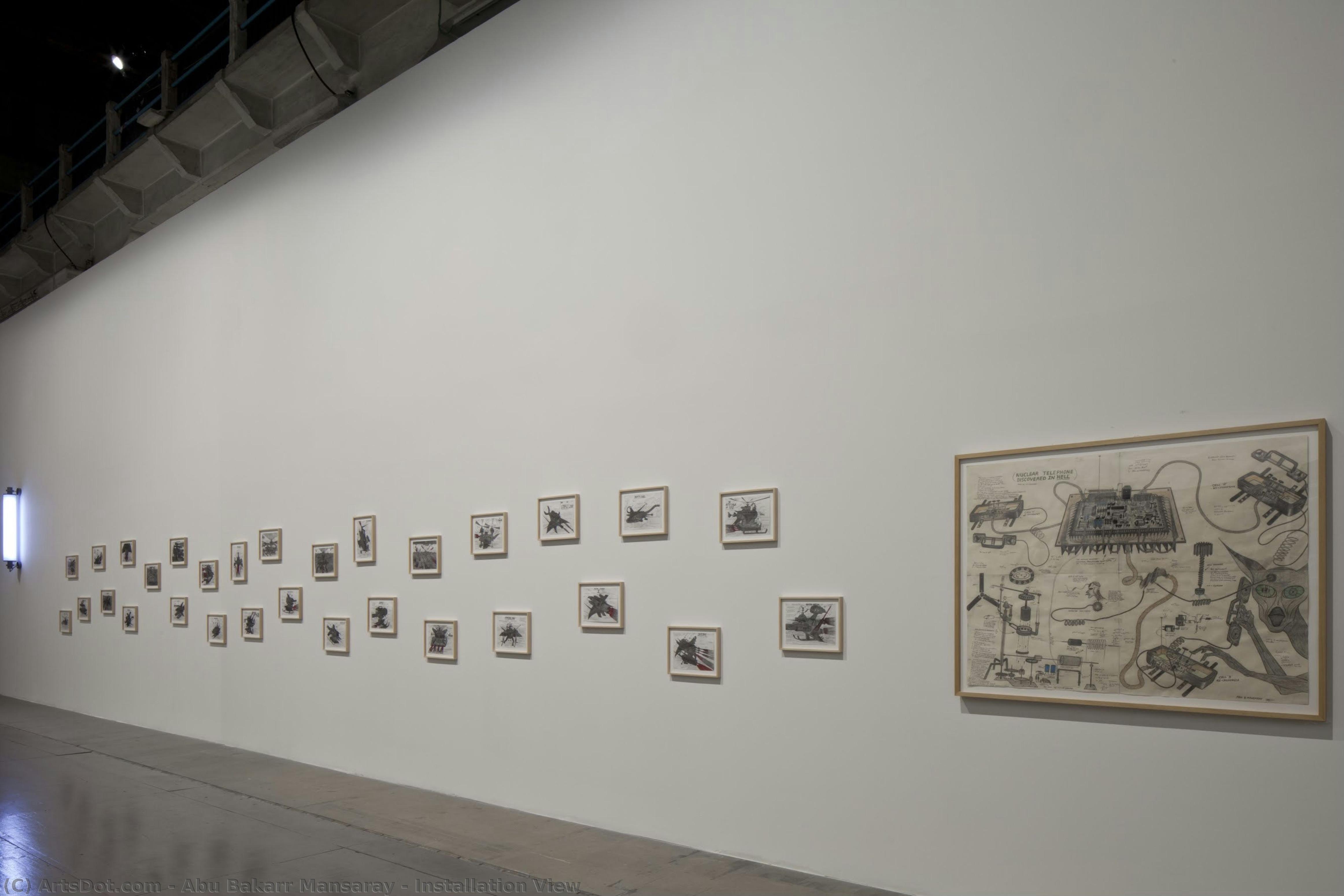
Installation View


 더 보기
더 보기
수제 유화 복제품
원하는 크기와 액자로 주문 제작되는, 작가들이 직접 캔버스에 손으로 그린 유화 작품입니다. ( 프린트 주문으로 전환 이미지로 전환)




































작품의 원본 비율을 유지하는 미리 설정된 크기 중에서 선택하세요.

특정 프레임이나 공간에 맞도록 직접 크기를 입력할 수 있습니다. 선택하신 크기가 원본 이미지의 비율과 일치하지 않는 경우, 작품을 자르거나 추가적인 손으로 그린 요소를 사용하여 그림을 확장합니다. 제작 시작 전 승인을 위해 디지털 목업을 보내드립니다.
화면 미리 보기는 실제 자르기 또는 확장을 반영하지 않습니다. 최종 구성은 목업을 통해서만 정확하게 확인하실 수 있습니다.
맞춤 크기 제작도 가능하지만, 원본 비율을 유지하기 위해 사전 정의된 목록에서 크기를 선택하시는 것을 권장합니다.
주문 후 ArtsDot.com 팀에서 상세 안내를 위해 고객님께 이메일을 보내드리며, 미리보기 시안을 제공해 드립니다.


 유리 옵션은 110cm 미만 크기에서만 선택 가능합니다.

Installation View
재현 기법
복제본 크기
-


최종 결제 금액
$ 263
작품 상세 설명
작가 약력
Abu Bakarr Mansaray: A Visionary Sculptor Rooted in Sierra Leone’s Turbulent Past
Abu Bakarr Mansaray is a singular artist hailing from Freetown, Sierra Leone—a figure whose creative process defies conventional categorization. Rather than simply depicting landscapes or portraits, Mansaray delves into the realm of speculative engineering and sculptural fabrication, producing breathtakingly intricate technical drawings and sculptures that grapple with themes of conflict, resilience, and technological advancement. His work isn’t merely aesthetically striking; it's a profound meditation on how scientific principles can illuminate the human condition.- Early Life & Influences: Born in Freetown amidst the aftermath of Sierra Leone’s brutal civil war (1991-2002), Mansaray’s formative years instilled within him a deep understanding of societal trauma and the imperative for creative expression as a form of resistance. This experience profoundly shaped his artistic vision, fueling an obsession with exploring how complex systems—particularly those rooted in physics and mechanics—can capture and convey profound emotional truths.
- The Genesis of His Unique Style: Mansaray’s artistic journey began without formal training; he honed his skills through self-directed experimentation. However, his approach wasn't haphazard. He meticulously studied architectural designs, analyzing structural integrity and spatial relationships—skills that would later translate into the meticulous planning and execution of his sculptures. This dedication to observation and methodical reasoning distinguishes him from many contemporary artists.
Technical Drawings: Mapping Conflict Through Precision
Mansaray’s artistic output centers around extraordinarily detailed technical drawings—often referred to as ‘spectral drawings.’ These aren't mere representations of machines; they are elaborate diagrams imbued with symbolic significance. Frequently inspired by the horrors of Sierra Leone’s civil war, these drawings depict fantastical vehicles and weaponry designed to confront adversity head-on. The sheer complexity of his designs—featuring gears, levers, pistons, and intricate schematics—reflects a fascination with harnessing scientific principles to overcome obstacles.- Notable Projects: Among Mansaray’s most celebrated works is ‘Evil Detector,’ a drawing depicting a futuristic war machine conceived during the period of intense conflict. The piece captures the spirit of Sierra Leone's struggle for stability, transforming trauma into imaginative engineering. Similarly, ‘Crucial Invention’ portrays a motorcycle designed to embody resilience and ingenuity—a testament to Mansaray’s belief in the transformative power of innovation.
- Recurring Themes: Recurring motifs within Mansaray’s oeuvre include references to weaponry, architectural structures, and representations of movement—all serving as metaphors for confronting challenges and achieving progress. His drawings are not simply aesthetically pleasing; they communicate a powerful narrative about overcoming adversity through intellect and determination.
Sculptural Achievements: Bringing Drawings to Life
Mansaray’s technical drawings serve as blueprints for his sculptures—remarkable constructions crafted from metal, wood, and other materials. These sculptures are characterized by their monumental scale and breathtaking intricacy, mirroring the precision and complexity of his diagrams. He approaches sculpting with an almost obsessive attention to detail, meticulously replicating the designs he envisions on paper.Historical Significance & Contemporary Relevance
Abu Bakarr Mansaray’s work stands apart in its ability to synthesize disparate disciplines—architecture, physics, craftsmanship, and engineering—into a singular artistic vision. He embodies the spirit of Sierra Leone's creative response to hardship, demonstrating how art can serve as both documentation of trauma and aspiration for transformation. His sculptures resonate with broader themes of technological innovation and confronting societal challenges—topics that remain vitally relevant in our increasingly complex world.
abu bakarr mansaray
Sierra Leone
주요 정보
- Artistic Movement Or Style: Technical Sculpture
- Full Name: abu bakarr mansaray
- Nationality: Sierra Leonean
- Notable Artworks:
- Evil Detector
- Crucial Invention
- Place Of Birth: Freetown, Sierra Leone

