


 미리보기
미리보기
 프린트 구매
 공유하기
공유하기 공유하기
공유하기
 상세 정보
상세 정보

 다운로드
다운로드
 유사 작품
유사 작품 X-레이
X-레이 슬라이드 쇼
Dancing Peasants
 Oil On Canvas
- WallArt
- Baroque
 1660
1660 28.0 x 38.0 cm
 에르미타주 박물관
 더 보기
더 보기




P118B $10

P118H $10

P118W $10

P438Z $10

P508JH $12

P508YH $12

P805H $10

P805Z $10

P919BZ $10

P919G $10

P919XJ $10

P959ZH $10

P968JZ $12

W106C $8

W218G $10

W218JH $8

W218Y $10

W307PJ $10

W316G $10

W316PJ $8

W316Y $10

W398PJ $8

W4111J $10

W500HY $15

W500JH $15

W692G $12

W849H $8

W940BG $15

W953PJ $8




작품의 원본 비율을 유지하는 미리 설정된 크기 중에서 선택하세요.

특정 프레임이나 공간에 맞도록 직접 크기를 입력할 수 있습니다. 선택하신 크기가 원본 이미지의 비율과 일치하지 않는 경우, 작품을 자르거나 추가적인 손으로 그린 요소를 사용하여 그림을 확장합니다. 제작 시작 전 승인을 위해 디지털 목업을 보내드립니다.
화면 미리 보기는 실제 자르기 또는 확장을 반영하지 않습니다. 최종 구성은 목업을 통해서만 정확하게 확인하실 수 있습니다.
맞춤 크기 제작도 가능하지만, 원본 비율을 유지하기 위해 사전 정의된 목록에서 크기를 선택하시는 것을 권장합니다.
주문 후 ArtsDot.com 팀에서 상세 안내를 위해 고객님께 이메일을 보내드리며, 미리보기 시안을 제공해 드립니다.


 유리 옵션은 110cm 미만 크기에서만 선택 가능합니다.

Dancing Peasants
재현 기법
복제본 크기
-


최종 결제 금액
$ 413
작품 상세 설명
Dancing Peasants by Abraham Teniers
Abraham Teniers II (1610–90) stands as one of Flanders’ most prolific Baroque painters, leaving behind an astonishing oeuvre that encompasses genre scenes, portraits, landscapes and mythological compositions. Yet, it is his dedication to capturing the everyday life of rural communities—particularly through his celebrated peasant genre—that cemented his legacy as a pivotal figure in Northern Renaissance art. Teniers' artistic journey began under the tutelage of his father, David Teniers I, establishing a familial tradition of artistic excellence that would extend across generations. His brother, Abraham Teniers I (1629–97), also pursued painting with considerable success, furthering the family’s renown within Antwerp’s artistic circles.- Subject Matter: Teniers' canvases frequently depict scenes from rural life—peasants engaged in festive gatherings, celebrations of harvest festivals, and lively social interactions. These depictions weren’t merely observational; they served as a conduit for exploring themes of community spirit, religious piety, and the complexities of human relationships within a pastoral setting.
- Style: Teniers' artistic style embodies the Baroque aesthetic—characterized by dynamism, theatrical lighting, and an emphasis on emotional expression. He skillfully employed illusionistic techniques to create depth and realism, mirroring the grandeur and drama prevalent in contemporary art.
- Technique: Primarily working with oil paint on canvas, Teniers mastered the impasto technique—applying thick layers of pigment onto the surface—to imbue his paintings with textural richness and visual impact. This method allowed him to convey not only form but also mood and atmosphere, capturing the vibrancy of rural life with remarkable precision.
- Historical Context: Teniers’ work flourished during a period marked by significant artistic innovation and intellectual ferment in Antwerp—a city that served as a hub for Flemish art production. His paintings reflect the broader cultural currents of the Baroque era, mirroring the fascination with theatricality and grandeur that defined the time.
- Symbolism: Recurring motifs within Teniers’ compositions—such as musical instruments, dancing figures, and depictions of religious rituals—carried symbolic significance, conveying moral lessons and reinforcing societal values. These elements underscored the artist's belief in art's capacity to illuminate human experience and inspire contemplation.
유사한 작품들


관련 기사 더 보기
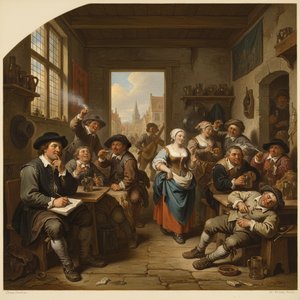
David Teniers the Younger: Genre Painting & Social Commentary in Baroque Flanders
Explore the captivating world of David Teniers the Younger, a leading Flemish Baroque painter. Discover his genre scenes, social commentary, and lasting influence on 17th-century art. Learn about his life, techniques & legacy.

Golden Age Reflections: Dutch Baroque Painting & Cultural Innovation
Explore the Dutch Golden Age of painting! Discover key artists like Vermeer & ter Borch, their innovative techniques, and the rich cultural context behind these Baroque masterpieces. Learn about collecting & appreciating this iconic art period.

Dutch Baroque Masters: 10 Paintings That Shaped an Era | ArtsDot
Journey through the Golden Age with our guide to the Top 10 Dutch Baroque masterpieces! Explore iconic paintings by Rembrandt, Vermeer & Frans Hals. Find museum-quality art reproductions and elevate your home decor at ArtsDot.com.
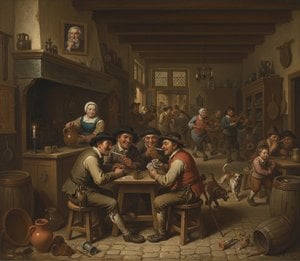
David Teniers II: Master of Flemish Genre & Social Commentary
Explore the captivating world of David Teniers II, a leading Flemish Baroque painter renowned for his lively genre scenes & insightful social commentary. Discover his masterpieces and legacy with ArtsDot.

Adriaen Brouwer: Capturing Dutch Life & Social Commentary Through Genre Painting
Explore the captivating world of Adriaen Brouwer, a master of Dutch Golden Age genre painting. Discover his vivid depictions of peasant life, social commentary, and lasting influence on art history. Learn more at ArtsDot.

