
- 홈

- 캔버스 프린트
- 아브라함 헨드릭스즈 판 베이레렌
- Still-Life

 작품 구매하기
 공유하기
공유하기 공유하기
공유하기
 Details

 다운로드
다운로드
 유사 작품
유사 작품 X-Ray
X-Ray 슬라이드 쇼
Still-Life
 Acrylic On Canvas
- WallArt
- Dutch Baroque
 1655
1655 126.0 x 106.0 cm
 국립 미술관
 더 알아보기



P118B $10

P118H $10

P118W $10

P438Z $10

P508JH $12

P508YH $12

P805H $10

P805Z $10

P919BZ $10

P919G $10

P919XJ $10

P959ZH $10

P968JZ $12

W106C $8

W218G $10

W218JH $8

W218Y $10

W307PJ $10

W316G $10

W316PJ $8

W316Y $10

W398PJ $8

W4111J $10

W500HY $15

W500JH $15

W692G $12

W849H $8

W940BG $15

W953PJ $8




작품의 원본 비율을 유지하는 미리 설정된 크기 중에서 선택하세요.

특정 프레임이나 공간에 맞춰 직접 치수를 입력하실 수 있습니다. 선택하신 사이즈가 원본 이미지의 비율과 일치하지 않을 경우, 작품을 크롭(자르기)하거나 이미지를 대칭 또는 단색 채우기로 확장하여 제작합니다. 제작 시작 전, 최종 확인을 위해 디지털 목업이 전송됩니다.
화면상의 미리보기는 실제 크롭이나 확장 상태를 반영하지 않으므로, 최종 구도는 오직 목업을 통해서만 정확하게 확인하실 수 있습니다.
맞춤 사이즈 제작도 가능하지만, 원본 비율을 유지하기 위해서는 사전 정의된 목록에서 치수를 선택하시는 것을 권장합니다.


 유리 옵션은 110cm 미만 크기에서만 선택 가능합니다.

Still-Life
지클레 / 아트 프린트
복제본 크기
-


최종 결제 금액
-
작품 상세 설명
A Symphony of Light and Color: Exploring Abraham Hendricksz. van Beyeren’s Still Life
The Dutch Golden Age witnessed an unparalleled flourishing of artistic creativity, fueled by economic prosperity and intellectual curiosity. Among the luminaries of this era stands Abraham Hendricksz. van Beyeren (1620 – 1690), a painter whose meticulous depictions of fruit, vegetables, and fish continue to captivate audiences centuries later. His masterpiece, “Still Life,” transcends mere representation; it embodies the spirit of its time—a profound appreciation for the natural world intertwined with masterful artistic execution.The Painter’s Influence: Vermeer's Legacy
Van Beyeren’s artistic journey began under the tutelage of Johannes Vermeer, a fellow Delft artist whose groundbreaking use of light and color profoundly shaped the visual landscape of the Golden Age. Vermeer’s obsession with capturing atmospheric illumination—the subtle interplay between sunlight and shadow—became a cornerstone of van Beyeren's technique. This dedication to realism wasn’t simply about accurate depiction; it was an attempt to convey emotion, to infuse his canvases with a sense of palpable presence. As Vermeer himself famously remarked, “Light is the soul of painting.” Van Beyeren wholeheartedly embraced this philosophy, striving to emulate Vermeer’s luminous style and achieving remarkable success.Technique and Composition: Precision Meets Elegance
“Still Life” exemplifies van Beyeren's meticulous approach to painting. He employed a layering technique—often referred to as glazing—where thin washes of translucent color are applied over subsequent layers of opaque pigment. This method allowed him to build up tonal gradations with astonishing subtlety, creating an illusion of depth and texture that is characteristic of Vermeer’s oeuvre. The composition itself is carefully considered, featuring a tabletop adorned with an assortment of fruits – apples, oranges, bananas, grapes – arranged in a harmonious arrangement. A vase adds a decorative element, subtly enhancing the visual richness of the scene. Notice how van Beyeren skillfully directs the viewer's gaze through the interplay of light and shadow, emphasizing certain objects while maintaining overall balance.Historical Context: Reflecting Dutch Society’s Values
Painted circa 1655, “Still Life” reflects the values prevalent in Dutch society during the Golden Age—a period marked by burgeoning mercantile success and a humanist worldview. The depiction of fruit and vegetables wasn't merely decorative; it served as a symbol of abundance and prosperity – emblems of the nation’s economic prowess. Furthermore, the meticulous observation of nature aligns with the broader intellectual currents of the time, where scientists and naturalists sought to understand the workings of the cosmos through empirical investigation. The painting speaks to an aesthetic sensibility that prioritized beauty and clarity—qualities valued by both artists and patrons alike.Symbolism: Beyond Representation
Beyond its visual splendor, “Still Life” is laden with symbolic meaning. Fruits – particularly apples and oranges – often represented knowledge and virtue in Dutch iconography. Their placement on the table underscores the importance of contemplation and appreciation for earthly delights. The vase itself symbolizes grace and refinement—a reflection of the aristocratic tastes that fueled artistic patronage during van Beyeren’s lifetime. By capturing these subtle nuances, van Beyeren elevates his painting beyond a simple depiction of objects; he invites viewers to engage in a deeper exploration of ideas and emotions.Emotional Impact: A Moment Frozen in Time
Ultimately, “Still Life” succeeds in conveying a profound sense of tranquility and beauty. The soft light bathing the scene evokes feelings of warmth and serenity—a testament to van Beyeren’s masterful manipulation of color and texture. It's a painting that invites contemplation, prompting viewers to savor the simple pleasures of life and to appreciate the exquisite artistry of a bygone era. Like Vermeer before him, van Beyeren captured not just what he saw but also what he felt—creating an enduring masterpiece that continues to resonate with audiences today.유사한 작품들


작가 약력
아브라함 헨드릭스즈 판 베이레렌: 네덜란드 정물화의 거장
아브라함 헨드릭스즈 판 베이레렌(1620 – 1690)은 네덜란드 황금기를 상징하는 독보적인 인물로, 꽃과 과일, 그리고 물고기를 정교하게 묘사한 작품들로 찬사를 받습니다. 그의 소재들은 자연의 아름다움에 대한 당대의 매혹과 세밀한 관찰력을 완벽하게 구현해냈습니다. 네덜란드 헤이그에서 태어난 그는 시대의 지적, 예술적 열기가 고조되던 시기에 예술적 기량을 갈고닦았으며, 레이던, 델프트, 암스테르담을 아우르며 존경받는 화가로 자리매김했습니다.초기 생애와 예술적 교육
판 베이레렌의 형성기에 대한 구체적인 기록은 다소 모호하게 남아 있으나, 전기적 기록에 따르면 그는 황금기에서 가장 상징적인 화가인 요하네스 베르메르 밑에서 수학한 것으로 추정됩니다. 빛과 색채를 다루는 판 베이레렌의 방식에서는 베르메르의 영향력이 선명하게 느껴지며, 이는 그의 작품 세계를 동시대의 다른 화가들과 차별화하는 결정적인 특징이 되었습니다. 이러한 빛에 대한 세심한 고찰은 단순한 양식적 선택을 넘어, 과학적 정밀함을 통해 현실의 본질을 포착하고자 했던 당시의 광범위한 인문주의적 열망을 반영하고 있으며, 이는 17세기 유럽을 형성하던 지적 흐름과도 궤를 같이합니다.양식의 진화: 어둠에서 빛으로
판 베이레렌의 예술적 양식은 그의 경력을 거치며 중대한 변화를 맞이했습니다. 초기 작품들은 카라바조가 개척한 기법인 극적인 키아로스쿠로(명암법)를 사용하여 어두운 색조와 강렬한 대비를 보여주었으며, 빛과 그림자의 극명한 대조를 통해 정서적 충격을 극대화했습니다. 그러나 시간이 흐름에 따라 그는 더욱 밝은 톤의 범위를 수용하였고, 부드러운 색조와 섬세한 붓터치를 선호하며 비할 데 없는 평온함과 우아함을 전달하기 시작했습니다. 이러한 양식적 진화는 바로크 미술의 연극적인 웅장함에서 벗어나 보다 명상적인 미학으로 나아가던 네덜란드 미술의 거대한 흐름을 그대로 투영하고 있습니다.주요 작품과 예술적 성취
판 베이레렌의 가장 영속적인 업적 중 하나는 헤이그 마우리츠하이스 미술관에 소장된 그의 걸작, <꽃이 있는 정물화>입니다. 이 작품은 확산된 빛 속에 세심하게 배치된 꽃들이 만들어내는 찬란한 구도를 통해 봄의 덧없는 아름다움을 포착하며 그의 전형적인 스타일을 잘 보여줍니다. 이와 마찬가지로 <과일이 담긴 청화백자 사발> 또한 질감과 물질성을 놀라울 정도로 정확하게 전달하는 그의 능력을 입증합니다. 나아가 <주석 접시 위의 중국식 자기 주전자, 포도와 복숭아, 그리고 드레이프된 선반 위의 회중시계>는 그의 기술적 숙련도와 예술적 통찰력을 여실히 드러냅니다. 이러한 작품들은 그를 당대 최고의 정물화가 중 한 명으로 각인시키는 계기가 되었습니다.유산과 영향력
아브라함 헨드릭스즈 판 베이레렌의 유산은 개별적인 걸작들을 넘어 훨씬 더 멀리 뻗어 있습니다. 그는 빛나는 색채와 미묘한 명암의 변화를 통해 자연물을 포착하는 선례를 남김으로써 후대 네덜란드 화가들에게 깊은 영향을 미쳤습니다. 특히 빛과 그림자의 미세한 변화를 묘사하는 그의 세밀한 주의력은 오늘날의 화가들에게도 여전히 영감을 주고 있습니다. 더욱이 그는 관찰과 재현을 자연계의 경이로움을 이해하고 감상하는 통로로 삼았던 인문주의적 예술 실천의 전형으로 남아 있습니다. 아름다움과 사실주의를 포착하기 위한 그의 헌신은 ArtsDot.com에서도 만나볼 수 있습니다.
아브라함 헨드릭스즈 판 베이레렌
1620 - 1690 , 네덜란드
주요 정보
- Artistic Movement Or Style: 정물화
- Artists Or Movements Influenced By This Artist: ['네덜란드 황금기']
- Date Of Birth: 1620
- Full Name: 아브라함 헨드릭스즈 반 베이레렌
- Nationality: 네덜란드
- Notable Artworks:
- 바닷가재, 과일, 은기 및 도자기가 있는 정물화
- 과일이 담긴 청화백자 사발
- 주석 접시 위에 놓인 중국식 자기 주전자, 포도와 복숭아, 그리고 드레이프된 선반 위의 회중시계
- Place Of Birth: 네덜란드 헤이그
관련 기사 더 보기

네덜란드 황금 시대 예술의 정수를 담은 10대 걸작 탐구
렘브란트, 베르메르의 걸작부터 할스의 인물화까지! 네덜란드 황금시대 미술의 10대 명품을 만나보세요. 예술적 깊이와 아름다움을 담은 작품들을 ArtsDot에서 감상하고, 고품질 아트 프린트로 당신의 공간에 특별함을 더하세요. 지금 바로 ArtsDot.com에서 모든 걸작을 발견하세요!


Golden Age Reflections: Dutch Baroque Painting & Cultural Innovation
Explore the Dutch Golden Age of painting! Discover key artists like Vermeer & ter Borch, their innovative techniques, and the rich cultural context behind these Baroque masterpieces. Learn about collecting & appreciating this iconic art period.
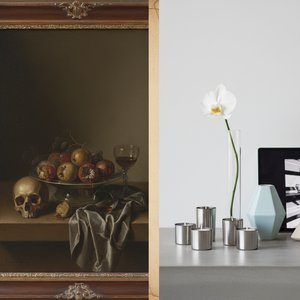
The Enduring Appeal of Still Life: A Historical & Contemporary Exploration
Explore the rich history & symbolism of still life painting with ArtsDot. Discover masterpieces from the Dutch Golden Age, learn about vanitas art, and find expert guidance for collecting timeless artworks.

Severin Roesen: Evoking National Identity Through American Still Life Painting
Explore the captivating world of Severin Roesen, a major American still life painter influenced by Dutch masters. Discover his lush compositions and the symbolism within his art – a window into 19th-century America.

Genre Painting: A Window into Daily Life & Societal Values of the Dutch Golden Age
Explore the captivating world of Dutch Golden Age genre painting! Discover realistic depictions of daily life, masterful artists like Ostade & Metsu, and hidden symbolism. Learn about this influential art movement with ArtsDot.

