The Life and Artistic Journey of Peter Schubert
Born in Dresden, Germany, Peter Schubert was a painter of the Informel movement. His early life was spent in the town of Wehlen, where he initially began an apprenticeship in administration at the Wehlen town hall. His path toward art was set through a chance acquaintance with Richard Müller, which led him to study painting at the Dresden Academy of Fine Arts under Wilhelm Rudolph. Following his studies in Dresden, Schubert moved to Stuttgart to study at the Academy after being invited by Willi Baumeister. His education continued with a year spent studying under Fernand Léger in Paris, and he eventually completed his studies under Hans Uhlmann at the Hochschule der Künste in Berlin. From 1957, he worked as a freelance artist residing in Berlin.
Artistic Style and Major Works
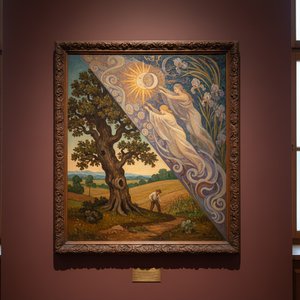
Schubert's work is characterized by a mastery of chiaroscuro, a technique he discovered through his interest in Baroque art and further developed while studying with Willi Baumeister and Fernand Léger. His paintings often feature abstract forms that suggest the familiar without direct representation, utilizing light and shadow as the fundamental basis of his compositions. His repertoire ranges from subtle watercolors to massive ceiling and wall paintings. Notably, his 1977 ceiling painting in the Große Orangerie at Charlottenburg Palace in Berlin established his reputation as a sought-after muralist. Throughout his career, he created 20 such large-scale works across Germany, Italy, and Canada.
კითხვები და პასუხები
საიდან არის Peter Schubert?
Peter Schubert დაიბადა Germany-ში.
სად შემიძლია Peter Schubert-ის ყველა ნამუშევრის ნახვა?
ეს ვებსაიტი-ზე წარმოდგენილი Peter Schubert-ის ყველა ნამუშევრის ნახვა შესაძლებელია ხელოვანის ყველა ნამუშევარი გვერდიდან.
რა ქალაქსა და ქვეყანაში დაიბადა Peter Schubert?
Peter Schubert დაიბადა Dresden-ში, Germany-ში.
როგორ არის დაყოფილი Peter Schubert-ის კარიერა პერიოდებად?
Peter Schubert-ის ქრონიკა წარმოადგენს სქროლზე დაფუძნებულ ქრონოლოგიურ ხაზს, რომელიც ხელოვანის ნამუშევრებს ქრონოლოგიური თანმიმდევრობით აჯგუფებს მათი შემოქმედებითი ეპოქების მიხედვით.