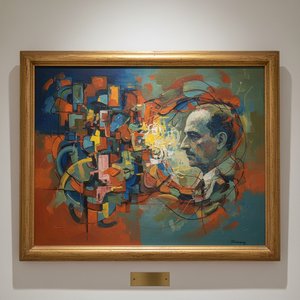
The Shadow of Seville
In the bustling streets of Seville, where the light dances upon the stone of great cathedrals, Juan del Castillo began his life's work. Born in 1584, he was a man shaped by the traditions of his surroundings, finding his way into the mysteries of pigment and brush under the guidance of Luis Fernández. He was not a solitary soul in his craft; his brother Agustín also walked the path of the painter, and together they navigated the competitive artistic landscape of Andalusia. His early years were spent absorbing the visual language of his mentors, learning how to translate the divine into the tangible through oil and canvas.
As he matured, his hand moved beyond the confines of a simple workshop. He sought out the grandest stages of devotion, painting religious frescoes and oils that would grace the walls of Seville, Granada, and Cádiz. His brush was not merely a tool for decoration but a means of capturing the spiritual fervor of an age. He moved through the city with a quiet purpose, securing commissions that allowed him to leave a permanent mark upon the sacred spaces of Spain.
A Legacy of Lineage and Light
The influence of a painter is often measured by the hands they train, and in this, Castillo possessed a profound reach. His studio became a gathering place for those seeking to master the Baroque style, a method defined by dramatic lighting and a deep, saturated palette. He did not merely teach technique; he passed on a way of seeing the world through shadow and grace. His lineage of students included figures who would go on to define the era, creating a ripple effect through the history of Spanish art.
Among those who studied under his watchful eye were:
- Bartolomé Esteban Murillo
- Alonso Cano
- Antonio, his nephew
- Pedro de Moya
- Andro de Medina
- Juan de Valdés Leal
This network of artists ensured that his stylistic preferences—the soft light and the idealized forms—would persist long after his own hand had stilled. His connection to the Venetian style brought a certain fluidity to his compositions, allowing him to balance the heavy drama of the Baroque with a more lyrical sensibility.
The Final Brushstrokes
The later years of his life saw him moving toward the coast, eventually finding his end in Cádiz in 1640. His career was marked by a steady devotion to the ecclesiastical and the allegorical, working on monumental projects such as the decoration of the University Chapel. In that space, he collaborated with Bautista Martínez to create a cycle of frescoes that brought Old Testament narratives to life through masterful perspective. These works were not merely paintings but architectural extensions of faith, designed to inspire awe in those who walked beneath them.
His work remains a vital part of the Sevillian heritage, a bridge between the strict traditions of the past and the more emotive, fluid styles that would follow. Through his religious canvases and his role as a teacher, he helped shape the visual identity of a movement that sought to make the heavens feel close enough to touch.
კითხვები და პასუხები
შესაძლებელია Juan del Castillo-ის ნამუშევრების განწყობის მიხედვით დათვალიერება?
Juan del Castillo-ის განწყობის სივრცე გვერდი ხელოვანის ნამუშევრებს განწყობის მიხედვით აჯგუფებს.
სად შემიძლია Juan del Castillo-ის ნამუშევრების ნახვა 3D გალერეაში?
Juan del Castillo-ის 3D გალერეა წარმოადგენს გვერდს, სადაც ხელოვანის ნამუშევრები ვირტუალურ სამგანზომილებიან გალერეაშია წარმოდგენილი.
არსებობს თუ არა Juan del Castillo-ის ნამუშევრების ქრონოლოგიური ხაზგადატანა?
მხატვრის ნამუშევრების ქრონოლოგია გვერდზე წარმოდგენილია Juan del Castillo-ის ნამუშევრები თარიღების მიხედვით, წლითწლიურად დალაგებული.