

 ნახვა ინტერьерში
 გაგზავნა
 გაზიარება
 დეტალები
 გზამკვლევი

 ჩამოტვირთვა
 მსგავსები
 რენტგენოგრაფიული კვლევა
 სლაიდშოუ
 კითხვა-პასუხი
 სტატისტიკა
St Agnes

- 63.0 x 47.0 cm


 სრული ტექსტის ნახვა
გიკლე / ხელოვნების პრინტი
მუზეუმის დონის ჟიკლე ან ტილოზე ბეჭდვა სწრაფი წარმოებისა და დასრულების მოქნილი ვარიანტებით. ( შეიძინეთ ხელით შესრულებული ნახატი გადასვლა ციფრულ გამოსახულებაზე)




P118B ₾10

P118H ₾10

P118W ₾10

P438Z ₾10

P508JH ₾12

P508YH ₾12

P805H ₾10

P805Z ₾10

P919BZ ₾10

P919G ₾10

P919XJ ₾10

P959ZH ₾10

P968JZ ₾12

W106C ₾8

W218G ₾10

W218JH ₾8

W218Y ₾10

W307PJ ₾10

W316G ₾10

W316PJ ₾8

W316Y ₾10

W398PJ ₾8

W4111J ₾10

W500HY ₾15

W500JH ₾15

W692G ₾12

W849H ₾8

W940BG ₾15

W953PJ ₾8




აირჩიეთ ჩვენს მიერ წინასწარ განსაზღვრული ზომებიდან, რომლებიც ნაწარმოების ორიგინალურ პროპორციებს შეესაბამება.

შეიყვანეთ თქვენთვის საჭირო სიგანე და სიმაღლე, რათა იგი მოერგოს თქვენს ჩარჩოს ან კედელს. ბეჭდვისას შესაძლებელია მხოლოდ მისი შემცირება და არა გაზრდა, ამიტომ სხვა ფორმის ზომის შემთხვევაში გამოსახულება ნაწილობრივ იკარგება. სანამ რაიმეს დაბეჭდავთ, ჩვენ გამოგიგზავნით ციფრულ მაკეტს დასდასტურებლად. ამ გვერდზე ნაჩვენები სურათი არ ასახავს რეალურ ჭრას — ამას მხოლოდ მაკეტი გვიჩვენებს.
მიწოდება მთელ მსოფლიოში () 2 კვირაში, სტანდარტული 4/5 კვირის ნაცვლად. (4 ნოემბერი)

უფასო ექსპრეს მიწოდება მთელ მსოფლიოში

მაღალი ხარისხის ტილო

ტრანსპორტირების სრული დაზღვევა

საბაჟო გადასახადების დაბრუნების გარანტია

ფერების სრული შესაბამისობის გარანტია

დაბრუნების 100-დღიანი პერიოდი (მხოლოდ წარმოების დეფექტის შემთხვევაში)

100% თანხის სრული დაბრუნების გარანტია

ფასდაკლება დიდი რაოდენობით შეკვეთისას
 მინის ჩარჩოს არჩევანი ხელმისაწვდომია მხოლოდ 110 სმ-მდე ზომისთვის

St Agnes
გიკლე / ხელოვნების პრინტი
რეპროდუქციის ზომა
-


ჯამური ღირებულება
₾ 164
Zanobi Strozzi’s ‘St Agnes’: A Florentine Echo of Devotion
The tempera panel painting, “St Agnes,” attributed to Zanobi Strozzi and completed in 1448, is more than simply a depiction of a saint; it's a meticulously crafted window into the artistic sensibilities of early Renaissance Florence. Measuring just 63 x 47 cm, this work housed within the Museo di San Marco possesses an intimate quality that draws the viewer into its serene and profoundly devotional world. Strozzi, a pupil of the celebrated Fra Angelico, established himself as a master of detail and color, creating works imbued with a quiet spirituality that resonated deeply during his time.
- Subject & Narrative: The painting portrays Saint Agnes, martyred for her refusal to succumb to pagan temptations. The narrative is conveyed through the saint’s posture – dignified yet vulnerable – and the surrounding symbolic elements.
- Technique - Tempera on Panel: Strozzi's masterful use of tempera paint on a wooden panel creates a remarkable depth and luminosity. This technique, favored for its durability and ability to achieve rich colors, is evident in the subtle gradations of tone and the meticulous rendering of textures – from the folds of Agnes’ cloak to the intricate patterns adorning her surroundings.
A Symphony of Color and Decorative Detail
The visual impact of “St Agnes” stems largely from Strozzi's bold use of color and his extraordinary attention to decorative detail. Predominantly employing shades of blue, red, and gold – colors deeply associated with piety and royalty in the late medieval period – he constructs a complex tapestry of patterns that frame the central figure. Swirls, floral motifs, and other decorative elements aren’t merely ornamental; they serve as a visual language, amplifying the saint's solemnity and invoking a sense of heavenly grace. The background isn’t a simple backdrop but an active participant in the narrative, contributing to the overall atmosphere of reverence.
Historical Context & Artistic Influences
Created during a period of immense artistic innovation in Florence – a time when artists were rediscovering classical ideals while simultaneously developing their own unique styles – “St Agnes” reflects the evolving aesthetic sensibilities of the era. Strozzi’s close association with Fra Angelico undoubtedly influenced his approach, sharing a commitment to clarity, emotional intensity, and a profound sense of spirituality. The painting's style aligns perfectly with the artistic trends of the Florentine Renaissance, showcasing a sophisticated understanding of perspective and proportion, albeit within the constraints of the tempera medium.
Symbolism & Emotional Resonance
Beyond its technical brilliance, “St Agnes” is rich in symbolism. The red cloak, traditionally associated with sacrifice and martyrdom, underscores the saint’s tragic fate. The serene expression on her face conveys a sense of acceptance and unwavering faith. The overall effect is one of profound contemplation – an invitation to reflect on themes of devotion, courage, and ultimately, redemption. This painting continues to resonate with viewers today, offering a tangible connection to the artistic and spiritual values of Renaissance Florence.
კითხვები და პასუხები
რა არის ზანობი სტროცი-ის „St Agnes“-ის სიკაშკაშე?
ზანობი სტროცი-ის „St Agnes“-ის სინათლის სიმკვეთრე Bright Balance-ია. სიმკვეთრე აღწერს, თუ რამდენ სინათლეს ასახავს ფერები.
რისთვის არის რეკომენდებული ზანობი სტროცი-ის „St Agnes“-ის რეპროდუქცია?
ზანობი სტროცი-ის „St Agnes“-ის გამოყენების რეკომენდებული ფორმაა Reflective. მას ასევე შეიძლება სხვა დანიშნულება ჰქონდეს.
რა არის ორიგინალი ზანობი სტროცი-ის „St Agnes“-ის ზომები?
ორიგინალი ზანობი სტროცი-ის „St Agnes“ ზომავს 63 x 47 cm-ს.
მსგავსი ნამუშევრები


მხატვრის ბიოგრაფია
ფლორენტიელი ვიზიონერი: ზანობი სტროცის ცხოვრება და მემკვიდრეობა
ფლორენციის რენესანსის ოქროს ხანაში, როდესაც სინათლე და ჩრდილი ახალ ჰუმანისტურ სიღრმესთან ერთად იწყებდა ცეკვას, სახელი ზანობი სტრიოცი ქალაქის მხატვრულ ქსოვილში სასიცოცხლო ძაფად გამოიკვეთა. 1412 წელს სახელოვან სტროცითა ოჯახში დაბადებული ზანობის ადრეული ცხოვრება ფლორენციის ღრმა პოლიტიკურ ცვლილებებმა განსაზღვრა. მიუხედავად იმისა, რომ მისი წარმომავლობა დიდებულებასთან აკავშირებდა მას, მამამისის ნაადრევმა გარდაცვალებამ, როდესაც ზანობი სულ რაღაც თხუთმეტი წლის იყო, სხვაგვარი ბედისწერისკენ უბიძგა. ამ პირადმა დანაკარგმა იგი ბატისტა დი ბიაჯო სანგუინსის ქმედებით სწავლებაში გადაიყვანა, რომელმაც საბოლოოდ დახვეწა მისი ხელოვნება და ჩაუნერგა ის ტექნიკური სიზუსტე, რაც აუცილებელი იყო მანუსკრიპტების ილუმინაციისა და პანელური ფერწერის დელიკატური ხელოვნების დასამკვიდრებლად.
სტროცის მხატვრული ევოლუცია ღრმად იყო გადაჯაჭვული მისი ეპოქის სულიერ და ესთეტიკურ ტენდენციებთან. თუმცა, მისი ყველაზე მნიშვნელოვანი კავშირი იყო ურთიერთობა დაფასებულ ფრა ანჯელიკოსთან. ამ გავლენიანი წრის მოსწავლედ, სტროციმ არა მხოლოდ მიბაძა ოსტატს, არამედ შეითვისა ღრმა მონობის გრძნობა და ფერების ნათელი მიდგომა, რაც მისი საკუთარი სტილის საფურობად იქცა. ამ ურთიერთობამ შექმნა მშვენიერი სტილისტური კონვერგენცია, სადაც ფრა ანჯელიკოსთვის დამახასიათებელი ეთერული, ღვთაებრივი სინათლე შეხვდა სტროცის მუდამ დეტალებზე ორიენტირებულ ყურადღებას. მისი ნამუშევრები ხშირად აკავშირებდა ილუმინირებული მანუსკრიპტების ინტიმურ, მინიატურულ სამყაროებსა და რელიგიური ალტარების გრანდიოზულ, ემოციურ არსებობას.
დეტალების ოსტატობა და ღვთიური სილამაზე
სტროცის ნიჭის მასშტაბურობა ყველაზე თვალსაჩინოა სხვადასხვა მედიუმთან თანაბარი სიზარმაცით მუშაობის უნარში. იგი იყო ტემპერას პანელზე ოსტატი — მედიუმისა, რომელიც მოითხოვდა უდიდეს მოთმინებას და სტაბილურ ხელს, რათა მიღწეულიყო მის რელიგიურ ნამუშევრებში არსებულ ცოცხალ, ძვირფასი ქვისებრ ტონებს. მისი რეპერტუარი მოიცავდა რამდენიმე მნიშვნელოვან ალტარეს და ქალღმერთი და ბავშვი თემატიკის ამაღელვებად გამოსახულობებს, რომლებიც შექმნილი იყო მაყურებელში ღრმა სულიერი რეფლექსიის გამოსაწვდენად. ამ ნამუშევრებში სტროცი იყენებდა ადრეული ფლორენტური რენესანსის სტილს, რათა რწმენის ნარატივები დაედგინა, რისთვისაც რბილ გადასვლებსა და რთულ ორნამენტებს იყენებდა წმინდა ფიგურების გასაცოცხლებლად.
გარდა დიდი პანელებისა, სტროციმ ლეგენდარული სტატუსი მანუსკრიპტების ილუმინაციაში შეტანილი წვლილით მოიპოვა. მცირე სივრცეების მართვის უნარმა მას საშუალება მისცა შეექმნა სუნთქავს გამეკრავი კომპლექსობის მინიატურული სამყაროები. მისი ყველაზე აღსანიშნავი ხელოვნებრივი მიღწევები მოიცავს:
- წმინდა კოსმა და დამიანის გადარჩენა დියේ}$: 1435 წლის შედევრი, რომელიც ასახავს ღვთიური ჩარევის ამაღელვებად მომენტს და წარმოაჩენს მის უნარს, გამოსახოს საზოგადოებრივი რწმენა და დრამატული მოძრაობა.
- წმინდა एग्ნესის: 1448 წელს შექმნილი ეს ნამუშევარი წარმოაჩენს მის უნარს, შექმნას მშვიდი, პროფილური პორტრეტები დეკორატიული ორნამენტების ფონზე, რაც ხაზს უსვამს იმ ეპოქის ელეგანტურობას. ლისაათల წიგნი რომის გამოყენებისთვის: მისი, როგორც ილუმინატორის ოსტატობის დასტური, სადაც ყოველი ფოლიო წარმოადგენს ფლორენტური სკრიპტორიუმის ზედმიწევნითი ხელოსნობის ფანჯრას.
უძვლებელი შთაბეჭდილება რენესანსზე
ზანობი სტროცის ისტორიული მნიშვნელობა მდგომარეობს მის როლში, როგორც ხიდისა დეკორატიული ილუმინაციის შუა საუკუნეების ტრადიციასა და რენესანსის მზარდ ფოკუსს ადამიანურ ემოციებსა და ნატურალიზმზე შორის. მიუხედავად იმისა, რომ მისი ბევრი ნამუშევარი ფლორენციის დიდ რეზიდენციებში პირადი ღვთიური თაყვანისცემისთვის იყო განკუთვნილი, მისი გავლენა მთელ ქალაქის სახელოსნოებში გავრცელდა. მან ხელი შეუწყო ფლორენტური სილამაზის სპეციფიკური სახეობის გავრცელებას — რომელიც ერთდროულად იყო ინტელექტუალურად მკაცრი და ემოციურად ხელმისაწვდომი. მისი ხელისებრით, წმინდანებისა და ქალღმერთის წმინდა ისტორიები წარმოდგენილი იყო იმ სიცხადითა და სიცოცხლით, რომელმაც კვატროჩენტოს სულის არსი დაიჭირა.
მიუხედავად იმისა, რომ იგი 1468 წელს გარდაიცვალა, დატოვა ოქროს ფურცლისა და ტემპერისგან ნაკეთებული მემკვიდრეობა, სტროცი რჩება სიმბოლოდ იმისა, რომ ხელოვანს შეუძლია იპოვოს ღრმა აზრი უმცირესობაში. მისი ცხოვრება, რომელიც ნობლური იტალიელი ებავშვებულიდან აღიარებულ ოსტატამდე გარდაქმნით იყო აღსავსე, თავად ფლორენციის ტრანსფორმაციას ჰგავს: მოგზაურობას წარსულის სტრუქტურირებული ტრადიციებიდან რენესანსის ნათელ, ადამიანზე ორიენტირებულ ბრწყინვალებამდე.

ზანობი სტროცი
1412 - 1468
მოკლე ფაქტები
- Artistic Movement Or Style: ად Frühe Renaissance (ადრეული რენესანსი)
- Artists Or Movements Influenced By This Artist: ['ბიზანტიური']
- Artists Who Influenced This Artist: ['ფრა ანჯელიკო']
- Date Of Birth: 1412 წლის 17 ნოემბერი
- Date Of Death: 1468 წლის 6 დეკემბერი
- Full Name: ზანობი დი ბენედეტტო დი კაროჩო დელი სტროცი
- Nationality: იტალიური რენესანსი
- Notable Artworks:
- წმინდააგნესე
- სთუმრის წიგნი რომის გამოყენებისთვის
- ანunciation (ანგელოზის შეტყობინება)
- Place Of Birth: ფლორენცია, იტალია
მსგავსი სტატიები

Echoes of Time: Exploring the Enduring Appeal & Historical Context of Vintage Art Prints
Explore the captivating world of vintage art prints! Discover their history, collecting tips & enduring appeal. Expert insights on chromolithography and building a legacy collection with ArtsDot.

Giclée Prints: Archival Quality & Aesthetic Nuances for the Discerning Collector
Explore the world of giclée prints with ArtsDot. Learn about archival quality, aesthetic nuances & investment potential. Expert guidance for discerning art collectors seeking museum-quality reproductions and lasting value.

Tempera's Timeless Legacy: 10 Masterpieces That Revolutionized Art | ArtsDot
Journey through 10 legendary tempera on panel masterpieces by Giotto, Duccio & Botticelli. Explore the history, symbolism & enduring beauty of these iconic artworks. Find museum-quality reproductions for your home at ArtsDot.com.
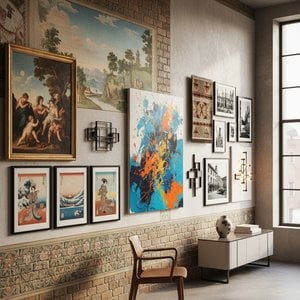
Transforming Spaces: A Comprehensive Exploration of Wall Decor Through Art History & Contemporary Practice
Explore the art of transforming spaces with our comprehensive guide to wall decor. From historical movements to contemporary trends, discover how to curate impactful interiors and commission bespoke artwork for a truly personalized aesthetic.

ფრა ანჯელიკოს 25 შედევრი: ხელოვნების სილამაზე თქვენს სახლში | ArtsDot.com
აღმოაჩინეთ ფრა ანჯელიკოს 25 უნიკალური შედევრი! რენესანსის ფერწერა, სულიერი ხატები და იტალიური ხელოვნების სილამაზე ArtsDot.com-ზე. შეიძინეთ მუზეუმის ხარისხის რეპროდუქციები სახლის დეკორისთვის. Explore the full collection online!