

 წინასწარი ნახვა
 გაგზავნა
 გაზიარება
 დეტალები
 გზამკვლევი

 ჩამოტვირთვა
 მსგავსები
 რენტგენოგრაფიული კვლევა
 სლაიდშოუ
 კითხვა-პასუხი
 სტატისტიკა
The Pit


 გააგრძელეთ კითხვა
გიკლე / ხელოვნების პრინტი
მუზეუმის დონის ჟიკლე ან ტილოზე ბეჭდვა სწრაფი წარმოებისა და დასრულების მოქნილი ვარიანტებით. ( შეიძინეთ ხელით შესრულებული ნახატი გადართვა ციფრულ გამოსახულებაზე)




P118B ₾10

P118H ₾10

P118W ₾10

P438Z ₾10

P508JH ₾12

P508YH ₾12

P805H ₾10

P805Z ₾10

P919BZ ₾10

P919G ₾10

P919XJ ₾10

P959ZH ₾10

P968JZ ₾12

W106C ₾8

W218G ₾10

W218JH ₾8

W218Y ₾10

W307PJ ₾10

W316G ₾10

W316PJ ₾8

W316Y ₾10

W398PJ ₾8

W4111J ₾10

W500HY ₾15

W500JH ₾15

W692G ₾12

W849H ₾8

W940BG ₾15

W953PJ ₾8




აირჩიეთ ჩვენს მიერ წინასწარ განსაზღვრული ზომებიდან, რომლებიც ნაწარმოების ორიგინალურ პროპორციებს შეესაბამება.

შეიყვანეთ თქვენთვის საჭირო სიგანე და სიმაღლე, რათა გამოსახულებამ თქვენს ჩარჩოს ან კედელს ზუსტად მოერგოს. ბეჭდვისას შესაძლებელია მხოლოდ მისი შემცირება და არა გაზრდა, ამიტომ სხვა ფორმის ზომის შემთხვევაში სურათი ნაწილობრივ იკარგება. სანამ რაიმეს დაბეჭდავთ, ჩვენ გამოგიგზავნით ციფრულ მაკეტს დასდასტურებლად. ამ გვერდზე ნაჩვენები სურათი არ ასახავს რეალურ ჭრას — ამას მხოლოდ მაკეტი გვიჩვენებს.
მიწოდება მთელ მსოფლიოში () 2 კვირაში, სტანდარტული 4/5 კვირის ნაცვლად. (15 ნოემბერი)

უფასო ექსპრეს მიწოდება მთელ მსოფლიოში

მაღალი ხარისხის ტილოს ქსოვილი

ტრანსპორტირების სრული დაზღვევა

საბაჟო გადასახადების დაბრუნების გარანტია

ფერების სრული შესაბამისობის გარანტია

დაბრუნების 100-დღიანი პოლიტიკა (მხოლოდ დეფექტის შემთხვევაში)

100% თანხის სრული დაბრუნების გარანტია

ფასდაკლება დიდი რაოდენობით შეკვეთისას
 მინის ჩარჩოს არჩევანი შესაძლებელია მხოლოდ 110 სმ-მდე ზომისთვის

The Pit
გიკლე / ხელოვნების პრინტი
რეპროდუქციის ზომა
-


საბოლოო ღირებულება
₾ 164
The Depiction of The Pit by William Hogarth
Completed in 1759, The Pit by William Hogarth presents a crowded tavern interior. The scene captures a group of men engaged in boisterous activities, specifically gambling and excessive drinking. Amidst this chaotic atmosphere, a man attempts to seduce a young woman, centering the narrative on themes of lust and infidelity.
The subject matter functions as a critique of societal behavior and moral decay. Through this depiction of debauchery, William Hogarth examines the corrosive influence of vice upon the social fabric. The tavern setting becomes a stage for observing the tension between outward decorum and the reality of human indulgence.
Composition and Visual Elements of the Scene
The composition is tightly packed and dynamic, creating a sense of overwhelming activity within the tavern. A flattened perspective directs attention toward the immediate action, minimizing spatial recession to keep the viewer focused on the crowded gathering. Numerous figures dominate the space, each engaged in boisterous activities such as gambling, drinking, and playing musical instruments. This density contributes to a palpable sense of disorder and movement throughout the scene.
Strong, directional lines define the forms of the figures and the surrounding architecture, guiding the eye across the chaotic assembly. Amidst the surrounding debauchery, a central figure stands out through a prominent position and specific gestures. This focal point anchors the composition, providing a sense of structure to the otherwise sprawling and spontaneous arrangement of bodies and objects.
Technique and Materials of the Engraving
The work is an etching and engraving executed on paper. Hogarth utilized zinc or copper plates to achieve the necessary precision for this medium. By employing a burin tool to cut lines directly into the metal, the artist established a textured surface capable of capturing subtle gradations of grey. This technical control allows for a detailed surface that manages light and shadow through varying densities of line work.
The resulting aesthetic is defined by a commitment to realism. The meticulous application of the engraving technique supports a style of social commentary, using sharp, directional lines to define form and movement within the crowded scene. The interplay of light and shadow, achieved through the density of the etched lines, provides the tonal range necessary to convey the atmosphere of the setting.
Related Works by William Hogarth
Hogarth’s career is defined by his development of "modern moral subjects," a method utilizing visual storytelling to critique the social fabric. His narrative sequences often chart the consequences of moral decay through meticulous detail and symbolic elements. In 1731/1732, he produced A Harlot's Progress, which traces the tragic downfall of a young woman arriving in London. This pattern of social descent continues in the 1735 series A Rake's Progress, following the life of Tom Rakewell as he squanders an inheritance on gambling and debauchery.
The artist also explored the tensions between social classes and the impact of arranged marriages. This is evident in the series Marriage A-la-Mode, produced between 1743 and 1745. His output also included diverse subjects ranging from realistic portraiture to satirical caricatures. Notable examples include The Painter and his Pug (1745) and the Portrait of Captain Thomas Coram (1740).
- O the Roast Beef of Old England (1748)
- The March of the Guards to Finchley (1750)
კითხვები და პასუხები
რა არის უილიამ ჰოუგართი-ის „The Pit“-ის განათებადობა?
უილიამ ჰოუგართი-ის „The Pit“-ის განათების სიმკვეთრე შეადგენს Gentle Luminance-ს.
როგორი ქვეყნის ნამუშევარია Satirical Engraving-ის სტილის „The Pit“?
"The Pit" შექმნილია გაერთიანებული სამეფო-ში დაბადებული უილიამ ჰოუგართი-ის მიერ, Satirical Engraving მიმდინარეობის ფარგლებში. ხელოვანის წარმოშობა ნამუშევარს Satirical Engraving სტილთან აკავშირებს, რომელსაც გაერთიანებული სამეფო-ის ხელოვანები წარმოდგენენ.
შეიძლება თუ არა „The Pit“-ის დამატებული რეალობის (AR) რეჟიმში წინასწარ ნახვა?
„The Pit“-ს აქვს augmentedly reality (AR) წინასწარი ნახვის ფუნქცია: ნამუშევრის AR წინასწარი ნახვა გვერდი მას თქვენს საკუთარ სივრცეში, თავსებად მოწყობილობაზე აჩვენებს.
დაკავშირებული ნამუშევრები


დაკავშირებული სტატიები

18th Century Masters: 10 Artworks That Define an Era | ArtsDot
Journey through 18th century art! Explore 10 iconic paintings – from Rococo elegance to Neoclassical grandeur. Discover Fragonard, David & more. Find museum-quality reproductions and elevate your home decor on ArtsDot.com.

Engraving's Golden Age: 10 Masterpieces That Redefined Art | ArtsDot
Journey through art history with our Top 10 Legendary Engravings! Explore masterpieces by Dürer, Rembrandt & Goya. Discover the stories behind these iconic prints and find museum-quality reproductions for your home at ArtsDot.com.

William Hogarth: Satire, Social Commentary & the Birth of Modern British Art
Explore the satirical world of William Hogarth, pioneering British painter & engraver. Discover his iconic works like *A Rake's Progress* and insightful social commentary on 18th-century London life.

Engraving: A Historical Survey of Technique, Artistic Expression & Enduring Legacy
Explore the rich history of engraving with ArtsDot. Discover techniques, iconic artists like Dürer & Callot, collecting tips, and expert guidance for preserving your art investment. Learn about intaglio printing & more!
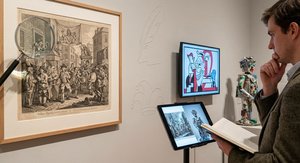
The Sharpest Wit: A Critical Exploration of Satire in Art History – From Hogarth to Contemporary Critique
Explore the history of satire in art! From Hogarth's London to contemporary critique, discover how artists use wit & visual power to reflect and challenge society. Expert insights at ArtsDot.


