

 ნახვა ინტერьерში
 გაგზავნა
 გაზიარება
 დეტალები
 გზამკვლევი

 ჩამოტვირთვა
 მსგავსები
 რენტგენოგრაფიული კვლევა
 სლაიდშოუ
 კითხვა-პასუხი
 სტატისტიკა
Mimosa


 სრული ტექსტის ნახვა
გიკლე / ხელოვნების პრინტი
მუზეუმის დონის ჟიკლე ან ტილოზე ბეჭდვა სწრაფი წარმოებისა და დასრულების მოქნილი ვარიანტებით. ( შეიძინეთ ხელით შესრულებული ნახატი გადასვლა ციფრულ გამოსახულებაზე)




P118B ₾10

P118H ₾10

P118W ₾10

P438Z ₾10

P508JH ₾12

P508YH ₾12

P805H ₾10

P805Z ₾10

P919BZ ₾10

P919G ₾10

P919XJ ₾10

P959ZH ₾10

P968JZ ₾12

W106C ₾8

W218G ₾10

W218JH ₾8

W218Y ₾10

W307PJ ₾10

W316G ₾10

W316PJ ₾8

W316Y ₾10

W398PJ ₾8

W4111J ₾10

W500HY ₾15

W500JH ₾15

W692G ₾12

W849H ₾8

W940BG ₾15

W953PJ ₾8




აირჩიეთ ჩვენს მიერ წინასწარ განსაზღვრული ზომებიდან, რომლებიც ნაწარმოების ორიგინალურ პროპორციებს შეესაბამება.

შეიყვანეთ თქვენთვის საჭირო სიგანე და სიმაღლე, რათა იგი მოერგოს თქვენს ჩარჩოს ან კედელს. ბეჭდვისას შესაძლებელია მხოლოდ მისი შემცირება და არა გაზრდა, ამიტომ სხვა ფორმის ზომის შემთხვევაში გამოსახულება ნაწილობრივ იკარგება. სანამ რაიმეს დაბეჭდავთ, ჩვენ გამოგიგზავნით ციფრულ მაკეტს დასდასტურებლად. ამ გვერდზე ნაჩვენები სურათი არ ასახავს რეალურ ჭრას — ამას მხოლოდ მაკეტი გვიჩვენებს.
მიწოდება მთელ მსოფლიოში () 2 კვირაში, სტანდარტული 4/5 კვირის ნაცვლად. (6 ნოემბერი)

უფასო ექსპრეს მიწოდება მთელ მსოფლიოში

მაღალი ხარისხის ტილო

ტრანსპორტირების სრული დაზღვევა

საბაჟო გადასახადების დაბრუნების გარანტია

ფერების სრული შესაბამისობის გარანტია

დაბრუნების 100-დღიანი პერიოდი (მხოლოდ წარმოების დეფექტის შემთხვევაში)

100% თანხის სრული დაბრუნების გარანტია

ფასდაკლება დიდი რაოდენობით შეკვეთისას
 მინის ჩარჩოს არჩევანი ხელმისაწვდომია მხოლოდ 110 სმ-მდე ზომისთვის

Mimosa
გიკლე / ხელოვნების პრინტი
რეპროდუქციის ზომა
-


ჯამური ღირებულება
₾ 164
William Adolphe Bouguereau’s *Mimosa*: A Portrait of Quiet Contemplation
William Adolphe Bouguereau's 1899 painting, *Mimosa*, is more than just a depiction of a young girl holding flowers; it’s an immersion into the heart of late 19th-century French aesthetics. Executed in oil on canvas with meticulous detail and a masterful command of light and color, this work exemplifies Bouguereau's signature style – one characterized by a profound reverence for classical ideals and a dedication to portraying idealized beauty. The painting immediately draws the viewer into a scene of serene tranquility, inviting contemplation alongside the young subject.
- Subject Matter: The central figure is a girl, likely around seven or eight years old, presented with an almost ethereal grace. Her focus, directed towards the viewer, creates a direct and intimate connection, fostering a sense of vulnerability and innocence.
- Floral Symbolism: The title itself, *Mimosa*, refers to the delicate white flowers she holds – a symbol often associated with purity, remembrance, and springtime renewal. Bouguereau’s choice elevates the simple act of holding flowers into a potent visual metaphor.
- Compositional Harmony: The composition is carefully balanced, utilizing soft edges and subtle gradations of color to create a sense of depth and volume. The inclusion of a partially visible figure in the background adds an element of narrative complexity, suggesting a private moment within a larger scene.
Technique and Style – A Masterclass in Realism
Bouguereau’s technique is renowned for its painstaking realism and luminous color palette. He employed a glazing method—applying thin layers of oil paint that were built up gradually to achieve rich, vibrant tones and an almost velvety texture. This approach allowed him to capture the subtle nuances of light and shadow with extraordinary precision, imbuing the painting with a remarkable sense of three-dimensionality. The delicate rendering of the girl’s dress, the intricate details of the flowers, and the smooth skin of her face are testaments to his unparalleled skill. His brushstrokes are almost invisible, contributing to the overall effect of polished perfection.
Historical Context and Artistic Influences
*Mimosa* was created during a period when Bouguereau was at the height of his career, firmly establishing himself as one of France’s leading artists. His work reflects the prevailing artistic trends of the late 19th century – a renewed interest in classical antiquity and a desire to capture beauty in its most idealized form. He was deeply influenced by the works of Raphael and Titian, masters known for their ability to render human figures with grace and elegance. Bouguereau’s commitment to realism, combined with his artistic vision, resulted in paintings that were both technically brilliant and emotionally resonant.
Emotional Impact and Legacy
The enduring appeal of *Mimosa* lies not only in its technical brilliance but also in the profound sense of peace and contemplation it evokes. The girl’s expression—a quiet gaze filled with a hint of melancholy— invites viewers to share her moment of solitude. Bouguereau's ability to capture such subtle emotions is a hallmark of his work, ensuring that *Mimosa* continues to captivate audiences today. This painting stands as a testament to Bouguereau’s legacy – a legacy defined by beauty, realism, and an unwavering commitment to artistic excellence.
კითხვები და პასუხები
სად შემიძლია ვილიამ ადოლფ ბოგუერეუ-ის „Mimosa“-ის პრინტის შეძენა?
ვილიამ ადოლფ ბოგუერეუ-ის „Mimosa“-ის პრინტის მისაღებად, უბრალოდ შეუკვეთეთ მისი ხელოვნების მაღალი ხარისხის ბეჭედი გვერდიდან: ხელოვნების მაღალი ხარისხის ბეჭდური ბამბის ტილოს ან საარქივო ტილოს ქაღალდის ბაზაზე.
გამოიყენებს თუ არა ვილიამ ადოლფ ბოგუერეუ-ის „Mimosa“ მკვეთრ კონტრასტებს თუ რბილ ჰარმონიებს?
ვილიამ ადოლფ ბოგუერეუ-ის „Mimosa“-ის ფერული კომპოზიცია აერთიანებს Statement კონტრასტს და Strong Color Unity ჰარმონიას.
რა არის ვილიამ ადოლფ ბოგუერეუ-ის „Mimosa“-ის საერთო განწყობა?
ვილიამ ადოლფ ბოგუერეუ-ის „Mimosa“-ის განწყობა აღწერილია როგორც Ethereal. ეს კლასიფიკაცია დაგეხმარებათ ნამუშევრის შესაბამის გარემოსთან დაკავშირებაში.
მსგავსი ნამუშევრები


მხატვრის ბიოგრაფია
William-Adolphe Bouguereau – A Life Immersed in Beauty
Born in La Rochelle, France (1825), William-Adolphe Bouguereau’s life unfolded as a profound exploration of classical ideals and breathtaking realism. From his earliest days, an innate artistic inclination propelled him toward Paris and the École des Beaux-Arts, where he absorbed the wisdom of masters like Raphael and Titian – influences that would irrevocably shape his singular artistic vision. He wasn't merely replicating what he observed; rather, he sought to distill the essence of beauty itself, striving for a perfection that resonated with the aesthetic sensibilities of his era.The École des Beaux-Arts and Artistic Foundations
Bouguereau’s formal training at the École des Beaux-Arts proved instrumental in establishing his unparalleled mastery of anatomy, light, and composition. Under François-Edouard Picquenot's guidance, he meticulously studied the techniques employed by Renaissance artists, diligently practicing draughtsmanship and mastering the subtleties of color palettes. This dedication to anatomical accuracy—a cornerstone of Bouguereau’s style—allowed him to portray figures with astonishing precision, capturing every curve and nuance of musculature. He understood that true beauty resided in truthful representation, rejecting superficial ornamentation for a focus on underlying structure.Mythological Inspirations and Genre Scenes
Bouguereau's artistic repertoire encompassed both mythological narratives and intimate genre scenes—each infused with an extraordinary sensitivity to emotion and narrative power. *The Birth of Venus*, for instance, transcends mere depiction; it embodies the sublime grace and ethereal beauty of femininity, transforming ancient mythology into a moment of transcendent splendor. Similarly, works like *Zenobia Found by Shepherds on the Banks of the Araxes* convey vulnerability and pathos with remarkable nuance—demonstrating Bouguereau’s ability to evoke profound emotional responses in viewers. Beyond mythology, he found inspiration in everyday life – portraying shepherdesses tending their flocks or young girls at play—capturing fleeting moments of innocence and tenderness with exquisite detail. *Faneuse (1869)* exemplifies this approach, presenting a woman bathed in soft light against a tranquil landscape, highlighting Bouguereau’s masterful command of atmosphere and composition.Technical Brilliance and Anatomical Precision
Bouguereau's artistic technique was characterized by meticulous draftsmanship and an unwavering commitment to anatomical accuracy—qualities that distinguished him from his contemporaries. He possessed an uncanny ability to render the human form with breathtaking realism, capturing every subtle gesture and expression. His canvases are populated by figures rendered with astonishing precision – the delicate curve of a shoulder, the subtle flush of skin, the expressive depth of an eye. This dedication to anatomical detail—a hallmark of Bouguereau’s style—enabled him to portray subjects with unparalleled lifelike quality. He understood that beauty stemmed from truthful representation, rejecting mere imitation for a profound engagement with underlying structure and form.A Legacy Rediscovered
Despite initial acclaim during his lifetime, Bouguereau's work experienced a period of obscurity following the rise of modernism in the early 20th century—a movement that prioritized abstraction and radical experimentation over traditional stylistic conventions. Critics dismissed him as a sentimental academician, failing to recognize the brilliance of his draughtsmanship and the depth of his artistic vision. However, in recent decades, Bouguereau’s oeuvre has undergone a remarkable revival—fueled by renewed appreciation for classical ideals and an acknowledgment of his technical mastery. Art historians and collectors alike have rediscovered his profound influence on subsequent generations of artists—celebrating his unwavering commitment to beauty and skill. Today, Bouguereau's paintings are housed in prestigious museums worldwide—ensuring that his legacy will endure for centuries to come. His enduring appeal lies not merely in their visual splendor but also in the timeless wisdom embodied within them—a testament to the power of tradition and the pursuit of artistic perfection.
ვილიამ ადოლფ ბოგუერეუ
1825 - 1905 , საფრანგეთი
მოკლე ფაქტები
- Artistic Movement Or Style: Академизм
- Artists Who Influenced This Artist:
- Рафаэль
- Тициан
- Date Of Birth: 1825
- Date Of Death: 1905
- Full Name: William-Adolphe Bouguereau
- Nationality: Франция
- Notable Artworks:
- Бержере 1886
- Девочка в бане
- Песня ангелов
- Place Of Birth: La Rochelle, France
მსგავსი სტატიები

ფრესკული მოხატულობის აღორძინება: კედლის მხატვრობა როგორც თანამედროვე და ინტერიერის დიზაინის ახალი განზომილება
აღმოაჩინეთ კედლის მხატვრობის სამყარო! პროფესიონალური დიზაინერებისთვის რჩევები, ტენდენციები და ხარისხიანი გადაწყვეტილებები სასტუმროს ინტერიერის გასაფართალებლად. შექმნით უნიკალურ სივრცეს ჩვენთან ერთად!

Echoes of Time: Exploring the Enduring Appeal & Historical Context of Vintage Art Prints
Explore the captivating world of vintage art prints! Discover their history, collecting tips & enduring appeal. Expert insights on chromolithography and building a legacy collection with ArtsDot.
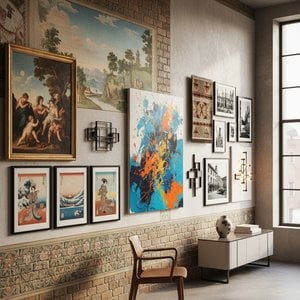
Transforming Spaces: A Comprehensive Exploration of Wall Decor Through Art History & Contemporary Practice
Explore the art of transforming spaces with our comprehensive guide to wall decor. From historical movements to contemporary trends, discover how to curate impactful interiors and commission bespoke artwork for a truly personalized aesthetic.

Giclée Prints: Archival Quality & Aesthetic Nuances for the Discerning Collector
Explore the world of giclée prints with ArtsDot. Learn about archival quality, aesthetic nuances & investment potential. Expert guidance for discerning art collectors seeking museum-quality reproductions and lasting value.
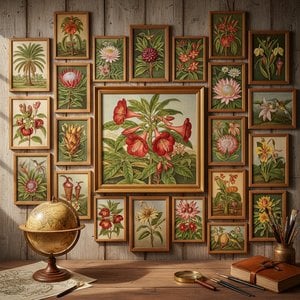
Marianne North's Masterpieces: 25 Botanical Paintings That Bloom With Adventure | ArtsDot
Journey through the vibrant world of Marianne North’s botanical paintings! Explore 25 iconic artworks from this Victorian artist, celebrating exotic flora & travel. Find museum-quality reproductions and curated decor ideas at ArtsDot.com.


