

 წინასწარი ნახვა
 გაგზავნა
 გაზიარება
 დეტალები
 გზამკვლევი

 ჩამოტვირთვა
 მსგავსები
 რენტგენოგრაფიული კვლევა
 სლაიდშოუ
 კითხვა-პასუხი
 სტატისტიკა
Venus and Adonis 1

 გააგრძელეთ კითხვა
გიკლე / ხელოვნების პრინტი
მუზეუმის დონის ჟიკლე ან ტილოზე ბეჭდვა სწრაფი წარმოებისა და დასრულების მოქნილი ვარიანტებით. ( შეიძინეთ ხელით შესრულებული ნახატი გადართვა ციფრულ გამოსახულებაზე)




P118B ₾10

P118H ₾10

P118W ₾10

P438Z ₾10

P508JH ₾12

P508YH ₾12

P805H ₾10

P805Z ₾10

P919BZ ₾10

P919G ₾10

P919XJ ₾10

P959ZH ₾10

P968JZ ₾12

W106C ₾8

W218G ₾10

W218JH ₾8

W218Y ₾10

W307PJ ₾10

W316G ₾10

W316PJ ₾8

W316Y ₾10

W398PJ ₾8

W4111J ₾10

W500HY ₾15

W500JH ₾15

W692G ₾12

W849H ₾8

W940BG ₾15

W953PJ ₾8




აირჩიეთ ჩვენს მიერ წინასწარ განსაზღვრული ზომებიდან, რომლებიც ნაწარმოების ორიგინალურ პროპორციებს შეესაბამება.

შეიყვანეთ თქვენთვის საჭირო სიგანე და სიმაღლე, რათა გამოსახულებამ თქვენს ჩარჩოს ან კედელს ზუსტად მოერგოს. ბეჭდვისას შესაძლებელია მხოლოდ მისი შემცირება და არა გაზრდა, ამიტომ სხვა ფორმის ზომის შემთხვევაში სურათი ნაწილობრივ იკარგება. სანამ რაიმეს დაბეჭდავთ, ჩვენ გამოგიგზავნით ციფრულ მაკეტს დასდასტურებლად. ამ გვერდზე ნაჩვენები სურათი არ ასახავს რეალურ ჭრას — ამას მხოლოდ მაკეტი გვიჩვენებს.
მიწოდება მთელ მსოფლიოში () 2 კვირაში, სტანდარტული 4/5 კვირის ნაცვლად. (7 ნოემბერი)

უფასო ექსპრეს მიწოდება მთელ მსოფლიოში

მაღალი ხარისხის ტილოს ქსოვილი

ტრანსპორტირების სრული დაზღვევა

საბაჟო გადასახადების დაბრუნების გარანტია

ფერების სრული შესაბამისობის გარანტია

დაბრუნების 100-დღიანი პოლიტიკა (მხოლოდ დეფექტის შემთხვევაში)

100% თანხის სრული დაბრუნების გარანტია

ფასდაკლება დიდი რაოდენობით შეკვეთისას
 მინის ჩარჩოს არჩევანი შესაძლებელია მხოლოდ 110 სმ-მდე ზომისთვის

Venus and Adonis 1
გიკლე / ხელოვნების პრინტი
რეპროდუქციის ზომა
-


საბოლოო ღირებულება
₾ 164
Titian's *Venus and Adonis*: A Renaissance Reverie
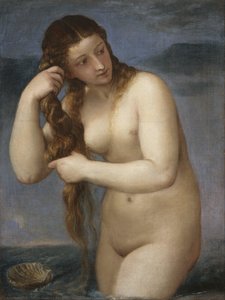
The painting *Venus and Adonis 1*, attributed to the masterful Venetian painter Titian Vecellio (c. 1490 – 1576), is more than a depiction of mythological figures; it’s an immersion into the heart of High Renaissance ideals, rendered with a breathtaking confidence in color and form. Created during a period of immense artistic innovation within Venice—a city that served as a crucible for new techniques and daring compositions—this oil on canvas work embodies Titian's profound understanding of human anatomy, dramatic storytelling, and the sheer expressive power of pigment. The scene unfolds with a palpable tension, capturing a pivotal moment from Ovid’s *Metamorphoses* – Venus’s desperate attempt to revive the fallen Adonis after his fatal hunt. The dynamic arrangement of figures, the carefully considered use of light and shadow, and the rich tapestry of textures all contribute to an experience that transcends mere representation, inviting viewers into the very drama of the narrative.
- Subject Matter: The painting’s subject is rooted in classical mythology. Venus, goddess of love and beauty, attempts to rescue Adonis from his wounds, while a young man watches with apparent distress.
- Composition: Titian masterfully employs diagonal lines to create a sense of movement and instability, reflecting the chaotic nature of the scene and intensifying the emotional impact. The placement of the figures—particularly Venus’s outstretched hand—draws the eye directly into the heart of the narrative.
- Technique: Titian's signature technique – layering thin glazes of oil paint – is evident in the luminous quality of the skin tones and the vibrant hues of the drapery. This method, perfected over decades, allowed him to achieve an unparalleled level of realism and depth.
A Window into Venetian Painting
Titian’s work was profoundly influential, shaping the course of Italian Renaissance painting and establishing Venice as a dominant force in the art world. As a leading figure within the Venetian School, Titian moved away from the more rigid conventions of Florentine artists like Leonardo da Vinci, embracing instead a looser, more sensual style characterized by intense color and dramatic lighting. This approach was directly influenced by the vibrant atmosphere of Venice itself – a city renowned for its trade, its canals, and its diverse cultural influences. The Venetian School’s emphasis on color wasn't simply decorative; it served to heighten emotional expression and create a sense of immediacy within the paintings.
The painting’s context is crucial to understanding its significance. Titian was working during a time when patronage—the financial support provided by wealthy individuals or institutions—was essential for artists. The most significant patrons were the Doge of Venice, and various noble families who commissioned works to decorate their palaces and villas. This commission-driven environment fostered an atmosphere of intense competition and innovation among Venetian painters, leading to the creation of some of the most celebrated artworks in Western art history.
Symbolism and Emotional Resonance
Beyond its narrative content, *Venus and Adonis* is rich with symbolic meaning. Venus represents not only love but also fertility, beauty, and desire – themes that were central to Renaissance thought. The vulnerability of Adonis, depicted as a young man overwhelmed by the power of love, speaks to universal anxieties about mortality and loss. The setting itself—a wooded area with a prominent tree—adds to the painting’s evocative quality, suggesting both the wildness of nature and the potential for danger.
Titian's ability to evoke such powerful emotions through his art is a testament to his mastery of color and composition. The painting’s dramatic lighting, with its strong contrasts between light and shadow, further enhances this effect, drawing the viewer into the scene and creating a sense of immediacy. The overall impression is one of intense passion, vulnerability, and tragic beauty – qualities that have captivated audiences for centuries.
A Legacy of Artistic Innovation
*Venus and Adonis 1* stands as a pivotal work in Titian’s oeuvre and a cornerstone of High Renaissance art. Its technical brilliance, dramatic composition, and profound emotional resonance continue to inspire artists and art lovers alike. Reproductions of this masterpiece offer an unparalleled opportunity to experience the full force of Titian's genius, bringing his vibrant vision into any setting.
კითხვები და პასუხები
როგორ შემიძლია ტიციანო ვეჩელო-ის „Venus and Adonis 1“-ის რეპროდუქციის წინასწარი ნახვა?
ტიციანო ვეჩელო-ის „Venus and Adonis 1“-ის წინასწარი ნახვა ხელოვნების ნიმუშის წინასწარი ნახვა გვერდზე ხელმისაწვდომია.
რომელ სტილს მიეკუთვნება "Venus and Adonis 1"?
ტიციანო ვეჩელო-ის „Venus and Adonis 1“ მიეკუთვნება Baroque მიმდევრობას. ეს მიმდევრობა ნამუშევარს სტილისტურ კონტექსტს სძენს.
სად და რა დანიშნულებისთვის არის რეკომენდებული "Venus and Adonis 1"?
ტიციანო ვეჩელო-ის „Venus and Adonis 1“ რეკომენდებულია Statement-ისთვის და იდეალური იქნება Living Room-ში დასამონტაჟებლად. გამოყენების დანიშნულება და სივრცე ერთობლივად განსაზღვრავს, თუ სად მოუხდება რეკრედუქცია საუკეთესოდ განთავსებას.
დაკავშირებული ნამუშევრები




მხატვრის ბიოგრაფია
ვენეციის ტიტანი: ფერისა და ტილოების ജീവിതს
ტიციანო ვეცილიო, რომელსაც სამყარო ტიტიანად იცნობდა, იტალიური რენესანსის ერთ-ერთი უდიდესი მხატვარია – შესაძლოა, მისი საუკეთესო ფერების მასტერია და ისტორიაში ზეთის საღებავის შესაძლებლობებს ახალი განგნაობით განსაზღვრავდა. ცოტა ხნის წინ, პიევე დი კადორესთან ახლოს, ვენეციური ალპების შთამბეჭდავ ლანდშაფტებში დაბადებული, მისი გულუბრყვილო წარმომავლობიდან საერთაშორისო აღიარებამდე მისვლა უზადესი ნიჭისა და ხელოვნების განვითარების მიმართულებაში მუდმივმოღვაწეობის 증거ა. ტიციანის ადრეული ცხოვრების დეტალები გარკვეულწილად საიდუმლოდ რჩება, მაგრამ ჩვენ ვიცით, რომ ის გრეგორიო ვეცილიოსა და მისი ცოლის, ლუციას ერთ-ერთი შვილი იყო. ოჯახმა, შვილების პოტენციალს შეგულისხმებულები, ახალგაზრდა ტიციანისა და მის ძმას, ფრანსესკოს, ვენეციაში მხატვრთან გაათავისუფლებინეს – გადაწყვეტილება, რომელმაც ხელოვნების ისტორიას უზადესი გავლენა მოახდინა.
XVI საუკუნის დასაწყისში ვენეცია იყო ვაჭრობის, კულტურისა და მხატვრული ფერხულის ცოცხლებული კერა. ტიციანის პირველმა სწავლებამ სებასტიანო ზუკატოს სახელოსნოში გაიარა, მოზაიკის მასტერთან, რის შემდეგაც მოკლე პერიოდები გენტილ ბელინისა და, რაც განსაკუთრებით მნიშვნელოვანი იყო, მისი ძმის, ჯოვანი ბელინის ზედამხედველობით. თუმცა, სწორედ ჯიორჯონესთან – სხვა ვენეციელი მხატვართან, რომლის ნაწარმოებებსაც ეთერული პოეტური ხასიათი ჰქონდა – ასოციაცია ყველაზე მნიშვნელოვანი აღმოჩნდა. ორივე მხატვარი ერთად მუშაობდა რამდენიმე პროექტზე, მათ შორის ფონდაკო დეი ტედესკის გარე მაცხოვრებლებისთვის შესრულებულ ფრესკებზე. უკვე ამ პირველ ნეტავრებებში ტიციანის განსაკუთრებული უნარი იშვიათად იყო აღნიშნული, რაც წინასწარმეტყველებდა იმ ბრწყალოებას, რომელიც მალე უნდა გაჩენილიყო.
მასტერის სტილის განვითარება
ტიციანის მხატვრული განვითარებას გამოარჩევთ გამაოგნებელი მრავალფეროვნება და საღებავ ტექნიკის უწყვეტმა შესწავლამ. მისი ადრეული ნაშრომები, ჯიორჯონეს გავლენით, დელიკატურ ლირიზმს და ფერების გამოცდილებაში გამორჩეულობით ხასიათდება ატმოსფერული ეფექტების გასაყარად. ასეთი ტილოები, როგორიცაა *ადამიანი კოლოპის სახელოებით* (დაახლოებით 1509 წელი), მისი emerging talent-ის დემონსტრაციას უწევს პორტრეტებში, რომელიც არა მხოლოდ მისი მოდელების ფიზიკურ მსგავსებას არამედ მათ შინაგანი ხასიათსაც აფიქსირებს. როგორც ის მოზარდიანობდა, ტიციანმა დაიწყო ჯიორჯონეს უფრო ნուրა ტონალებიდან გადასვლა ბრმად და დრამატულ ფერებამდე. *ივლის მარიისა და ელისაბეთის దర్శനം* (ახლა აკადემიაში, ვენეცია) ამ ცვლილებას ასახავს მისი კომპოზიციების handling-ის growing confidence-ს და ნათელ ფერებს.
მისი ხანგრძლივი კარიერის განმავლობაში ტიციანმა მუდმივად გადააჭარბა ხელოვნების გამოხატვის საზღვრებს. ის ექსპერიმენტებდა სხვადასხვა ფუნთუსებთან – smooth, blended surfaces-დან loose, expressive marks-ამდე – და განავითარა უნიკალური ტექnika ფერების layering-ისთვის, რომელიც ნათელ ეფექტებს ქმნის. მისი პორტრეტები გახდნენ ცნობილი ადამიანური ხასიათის psychological depth-ითა და textures and fabrics-ის realistic portrayal-ით. პარალელურად, ის გამოირჩეოდა mythological and religious subjects-ში, რომლებსაც სენსუალობა და დრამატული ინტენსივობა აძლევდა, რაც მაყურებლებს მოხიბლებულად ტოვებდა. მაგალითია *ურბინოს ვენუსი*, შედევრი, რომელმაც ქალის naked-ის აღწერას ახალი სტანდარტი დააწესა და ტიციანს ვენეციური მხატვრობაში წამყვანი ფიგურად აქცია.
პატრონაჟი, პრესტი지와 გრძელვადიანი გავლენა
ტიციანის ტალანტმა ძლიერი პატრონების ყურადღებას მიიპყრო მთელი Ευρώპიდან. ის იყო იმპერატორ კარლ V-ის, ესპანეთის მეფე ფილიპე II-ისა და პაპა პავლე III-ის სასადრკოსო მხატვარი, სხვა მრავლის შორის. ამ პატრონაჟმა არა მხოლოდ მას ფინანსური უსაფრთხოება მოუტანა, არამედ საშუალება მისცა მას grand scale-ზე თავისი მხატვრული prowess-ის დემონსტრაცია გაეทำ. მისი სტილის adapt-ის უნარი სხვადასხვა სასადრკოსოს გემოვნებას შენარჩუნებისას, თავისი distinctive voice-ის შენარჩუნებით, მისი extraordinary skill-ისა და diplomatic finesse-ის 증거ა.
ტიციანის ნაშრომების გავლენა გადასდია მისი ცხოვრების გარეთ. ფერების ინოვატორული გამოყენება, loose brushwork და მისი subjects-ის emotional essence-ის აღჭურვის emphasis-ი უზადესად επηρέασε მომავალ თაობათა მხატვრებს. Peter Paul Rubens-იდან და Rembrandt-იდან Eugène Delacroix-ამდე და Édouard Manet-მდე, бесчисленные painters drew inspiration from his masterpieces. ის არის გადამწყვეტი ფიგურა High Renaissance-დან Baroque period-ში გარდამავალში, ახალი artistic styles and approaches-ის გზას უხსნის.
საუკუნეების მანძილზე გასამრჯელო მემკვიდრეობა
ტიციანი გარდაიცვალა ვენეციაში 1576 წელს, დატოვებოდა extraordinary body of work, რომელიც დღესაც აფართოებს შთაბეჭდილებასა და восхищение. მისი ტილოები შეგიძლიათ იხილოთ მსოფლიოს მუზეუმებში, მათ შორის ფლორენციის Galleria Palatina-ში, მადრიდის Prado Museum-ში და ლონდონის National Gallery-ში. ტიციანს შეხვედრა არის master craftsman-ის karşılaşვა peak powers-ში – მხატვარი, რომელსაც შეუძლია ადამიანური მდგომარეობის beauty, drama და complexity აღჭურვა.
დამატებითი შესწავლა
- Museums & Collections: Discover Titian’s works at the Scuola del Santo in Padua and San Salvador in Venice, both showcasing his breathtaking frescoes.
- Related Artists: Explore the influence of Giorgione on Titian's early style and the later impact of Titian on artists like Rubens and Delacroix.
- Historical Context: Immerse yourself in the world of the Italian Renaissance and Venetian painting to fully appreciate Titian’s artistic achievements.

ტიციანო ვეჩელო
1490 - 1576 , იტალია
მოკლე ინფორმაცია
- Artistic Movement Or Style: ვენეციური რენესანსი
- Artists Or Movements Influenced By This Artist:
- დასავლური ხელოვნება
- ბაროკო ხელოვნება
- Artists Who Influenced This Artist:
- ჯოვანი ბელინი
- გიორგონე
- Date Of Birth: დაახლოებით 1490
- Date Of Death: 1576
- Full Name: ტიციანო ვეცილიო
- Nationality: იტალიელი
- Notable Artworks:
- ადამიანი ქურთით
- მოინახულე მარიამმა ელისაბეთს
- ურბინოს ვენერა
- Place Of Birth: პიევე-დი-კადორე, იტალია
დაკავშირებული სტატიები

Titian: Innovation, Technique & the Venetian Renaissance Portrait Tradition
Explore the revolutionary techniques & enduring legacy of Titian, the master of Venetian Renaissance portraiture. Discover insights for collectors & appreciate his impact on art history.

The Enduring Legacy of Fine Art Prints: Technique, History & Aesthetic Impact
Explore the rich history & techniques of fine art prints. Discover investment potential, assess authenticity, and learn how to preserve your collection with expert guidance. Trusted insights for discerning collectors.

The Golden Light of Innovation: Exploring the Venetian Renaissance Art Movement (1430–1580)
Explore the Golden Age of Venetian art (1430–1580). Discover Giorgione, Titian & Tintoretto's techniques, the 'colorito' revolution, and lasting influence. Expert insights for collectors & enthusiasts.

Giclée Prints: Archival Quality & Aesthetic Nuances for the Discerning Collector
Explore the world of giclée prints with ArtsDot. Learn about archival quality, aesthetic nuances & investment potential. Expert guidance for discerning art collectors seeking museum-quality reproductions and lasting value.

Echoes of Time: Exploring the Enduring Appeal & Historical Context of Vintage Art Prints
Explore the captivating world of vintage art prints! Discover their history, collecting tips & enduring appeal. Expert insights on chromolithography and building a legacy collection with ArtsDot.


