

 წინასწარი ნახვა
 გაგზავნა
 გაზიარება
 დეტალები
 გზამკვლევი

 ჩამოტვირთვა
 მსგავსები
 რენტგენოგრაფიული კვლევა
 სლაიდშოუ
 კითხვა-პასუხი
 სტატისტიკა
St Mark


 გააგრძელეთ კითხვა
მიიღეთ ბეჭდვისთვის გამზადებული ფაილი, რომლის ხარისხიც ბევრად აღემატება ვებ-პრევიუსს. ჩვენს ბაზაში არსებული ყველა ციფრული გამოსახულება ეყრდნობა მაღალი რეზოლუციის ორიგინალს — როგორც წესი, 5,000-დან 15,000 პიქსელამდე სიგანის — რაც საშუალებას გაძლევთ, თავდაჯერებულად დაამბოროთ დიდი ზომის ბეჭდვა, მოახდინოთ ფრაგმენტის მჭიდროდ გამოჭრა ან აღადგინოთ ნატიფი დეტალები.
ჩვენს სტუდიაში არცერთი ფაილი შეუმჩნევლად არ რჩება. ციფრული ექსპერტი ადარებს ფერებს ორიგინალ ნახატს და საჭიროების შემთხვევაში ასწორებს მათ, შემდეგ კი პროფესიონალური რეტუშირების ინსტრუმენტებით აუმჯობესებს სიცხადესა და დეტალიზაციას — ყოველთვის ოსტატის ფუნჯის მონაკვეთებისა და სტილის ერთგულებით. შედეგი არის გამოსახულება, რომელიც ნამდვილ ნახატს ჰგავს და არა ფილტრებულ სკანირებას.
თქვენ აკონტროლებთ პროცესს მის დასრულებამდე: ჩვენი ექსპერტი 72 საათის განმავლობაში გამოგიგზავნით გამოსახულებას ელექტრონული ფოსტით გადასასინჯად. არ დაკმაყოფილებული? მოითხოვეთ ცვლილებები ან შესწორებები, ან მოითხოვეთ თანხის დაბრუნება, თუ ხარისხი თქვენს მოლოდინს ვერ შეესაბამება.
ეს არის ხარისხი, რომელსაც ენდობიან გამომცემლობები, დიზაინ სტუდიები, გალერეები და அச்சგამოცემები.
ციფრული გამოსახულება
ჩამოტვირთეთ მაღალი გარჩევადობის ფაილი პირადი გამოყენებისთვის, დასაბეჭდად და შემოქმედებითი პროექტებისთვის. ( ბეჭდვის რეჟიმზე გადართვა შეიძინეთ ხელით შესრულებული ნახატი)
ყოველ ციფრულ გამოსახულების შეკვეთაში შედის
ექსპერტული ციფრული მიწოდების გარანტია
როდესაც ირჩევთ ArtsDot.com-ს, თქვენ მხოლოდ სურათს კი არ იღებთ, არამედ იღებთ პროფესიონალურად დამუშავებულ ციფრულ ნამუშევარს, რომელიც შექმნილია უზადო სიზუსტით და დაცულია კმაყოფილების გარანტიით. თქვენს შეკვეთას ავტომატურად მოჰყვება შემდეგი:

სწრაფი ელექტრონული მიწოდება
თქვენს მაღალი რეზოლუციის ციფრულ გამოსახულებას შეკვეთის დაწყებიდან 72 საათში ელექტრონული ფოსტით მიიღებთ — ის მზად იქნება დაუყოვნებლივი გამოყენებისთვის.

ხელოვნური ინტელექტით გაუმჯობესებული ციფრული გამოსახულება
თქვენი ხელოვნების ნიმუშები პროფესიონალურად არის ოპტიმიზებული მოწინავე AI ინსტრუმენტებისა და მექანიკური რედაქტირების მეშვეობით, რაც უზრუნველყოფს მაქსიმალურ დეტალიზაციას, სიცხადესა და ფერების სიზუსტეს.

ციფრული გამოსახულებების უფასო სამუდამო ხელახალი მიღება
ფაილი შემთხვევით წაიშალა ან დაკარგეთ? ნუបედავთ — ჩვენ მას ნებისმიერ დროს, უფასოდ ხელახლა გამოგეგზავნით.

იმპორტის გადასახადების გარეშე — ყოველთვის
ჭიდად ისიამოვნეთ თქვენი ნამუშევრით მყისიერად, საბაჟო გადასახადის, მოსაკრებლის ან მიწოდების ხარჯის გარეშე - ციფრული ჩამტვირთვისას ყოველთვის საგადასახადო თავისუფლებაა.

ფერების სიზუსტის გარანტია
პროფესიონალური ინსტრუმენტებისა და ფერების მართვის სისტემის გამოყენებით, ჩვენ უზრუნველყოფთ, რომ თქვენი ციფრული გამოსახულება მაქსიმალურად ზუსტად ასახავდეს ორიგინალურ ფერებს.

კმაყოფილების 100-დღიანი გარანტია
თუ თქვენ არ დაკმაყოფილებული ხართ თქვენი ციფრული გამოსახულებით, ჩვენ შევიტანთ მასში ცვლილებებს ან დაგიბრუნებთ 100% თანხას 100 დღის განმავლობაში — ყოველგვარი კითხვის დასმევის გარეშე.

100% თანხის დაბრუნების გარანტია
არ არის კმაყოფილი? მიიღეთ თანხის სრული დაბრუნება ციფრული ფაილის მიღებიდან 100 დღის განმავლობაში — ყოველგვარი დამატებითი კითხვების გარეშე.

ფასდაკლება დიდი რაოდენობით შეკვეთაზე
შეიძინეთ 3 გამოსახულება და მიიღეთ 10% ფასდაკლება - შეიძინეთ 5 და მიიღეთ 15% ფასდაკლება - შეიძინეთ 10+-ზე და მიიღეთ 20% ფასდაკლება. იდეალურია კრეატიული პროექტებისთვის, გალერეებისა და სააგენტოებისთვის.
A Renaissance Echo in American Shores
Titian Ramsay Peale II’s “St Mark” is not merely a portrait; it's a quiet invocation of the High Renaissance spirit transplanted onto American soil. The painting depicts Saint Mark, one of the Four Evangelists, rendered with a dignified composure that speaks to both his sacred role and the artist’s meticulous skill. He gazes outward, engaging the viewer with an intelligent and serene expression while holding a book – a symbol of his authorship of the Gospel. Peale's choice to portray St Mark in this manner—immersed in contemplation yet directly addressing us—creates a compelling intimacy, inviting reflection on faith, knowledge, and the enduring power of scripture.
The Legacy of a Family & A Style
Born into a distinguished artistic lineage as the son of Charles Willson Peale, Titian Ramsay Peale II inherited not only a name steeped in American art history but also a foundational understanding of portraiture. However, unlike his father’s focus on capturing the likenesses of prominent Americans, Peale II gravitated towards a more idealized aesthetic, deeply influenced by the Italian Renaissance masters. This is strikingly evident in “St Mark,” where the composition, use of light and shadow, and overall sense of harmony recall the works of Raphael or Titian himself – an intentional nod perhaps to his given name. Peale’s technique demonstrates a mastery of oil on panel, building form through subtle gradations of tone and employing a refined color palette that lends the painting a timeless quality. The inclusion of the two lions flanking St Mark is a direct reference to the saint's traditional iconography; these majestic creatures symbolize courage, royalty, and resurrection – attributes central to St Mark’s story and his enduring significance within Christian tradition.
Sacred Art & Rediscovered Masterpieces
While Peale II engaged with both portraiture and natural history illustration throughout his career—a testament to the breadth of his talents—his sacred works, like “St Mark,” represent a particularly compelling facet of his artistic output. These paintings offer a glimpse into a lesser-known aspect of 19th-century American art, where artists sought to emulate the grandeur and spiritual depth of European Renaissance masterpieces. For many years, Peale II’s work remained somewhat overshadowed by that of his father and other contemporaries. However, recent scholarship has begun to illuminate his unique contributions, recognizing him as a skilled and thoughtful artist who successfully blended Old World traditions with an emerging American sensibility. The rediscovery of paintings like “St Mark” allows us to appreciate the depth and complexity of Peale’s artistic vision, offering a fresh perspective on the development of art in the United States.
An Invitation to Contemplation
“St Mark” is more than just a beautiful object; it's an invitation to contemplation. The painting’s quiet dignity and spiritual resonance make it a captivating focal point for any space, lending an air of sophistication and timeless elegance. Whether displayed in a home library, a study, or a gallery setting, this work encourages viewers to pause, reflect, and connect with the enduring themes of faith, knowledge, and artistic beauty. A reproduction of “St Mark” offers not only a stunning visual experience but also a tangible link to a fascinating chapter in American art history—a testament to the power of artistic tradition and the enduring legacy of the Renaissance.
კითხვები და პასუხები
ტიტან რემზაი პილი Ii-ის „St Mark“ ღია ფერების ნამუშევარია თუ მუქი?
ტიტან რემზაი პილი Ii-ის „St Mark“-ის სიკაშკაშე შეადგენს deep_shadow-ს, ხოლო განათების დონე არის Dark.
რა ზომის ბეჭდვაა რეკომენდებული "St Mark"-ისთვის?
ტიტან რემზაი პილი Ii-ის „St Mark“-ის ბეჭდვის რეკომენდებული ზომა არის Large.
რა ორიენტაცია აქვს ტიტან რემზაი პილი Ii-ის „St Mark“-ს?
ტიტან რემზაი პილი Ii-ის „St Mark“ არის Square კომპოზიცია. ბეჭდვის ზომის შერჩევამდე ღირს პროპორციების გადამოწმება.
დაკავშირებული ნამუშევრები




მხატვრის ბიოგრაფია
The Life of Titian Ramsay Peale II
Titian Ramsay Peale II occupied a specific, functional space in the American landscape, operating at the intersection of scientific documentation and formal art. Born on November 17, 1799, in Philosophical Hall, Philadelphia, Pennsylvania, he was the youngest son of Charles Willson Peale and Elizabeth DePeyser. His life was defined by a refusal to settle into a single discipline. He was an American artist, naturalist, explorer, and scientific illustrator, moving between the meticulous requirements of field research and the structured demands of studio painting.
His career was not a pursuit of mere aestheticism but a practical application of observation. He spent much of his life documenting the physical world, a task that required him to be as much a technician as a painter. This dual identity allowed him to navigate diverse environments, from the controlled settings of a museum to the unpredictable terrain of an expedition. He died in Philadelphia, Pennsylvania, on March 13, 1885, leaving behind a body of work that prioritized the structural reality of his subjects over stylistic abstraction.
Early Life, Family and Training
To understand Titian Ramsay Peale II, one must look at the weight of the Peale name. He was born into a dynasty that functioned as the primary engine of American artistic and scientific life. As the son of Charles Willson Peale, a central figure in early American portraiture, his upbringing was dictated by the intersection of fine art and natural history. This was no quiet childhood. He grew up alongside a large, interconnected family of artists and intellectuals, including his brothers Raphaelle, Rembrandt, Rubens, and Franklin Peale. His lineage was complex, involving half-siblings such as Sophonisba Angusciola Peale and Titian Ramsay Peale I, the latter of whom the subject was named after.
The training he received was practical and rigorous. He was not merely a student of aesthetics but a participant in a family-run enterprise of observation. His siblings, including James, Anna Claypoole, and Margaretta Peale, were all part of this intense environment of production. This familial structure meant that his education was inseparable from the work of his father and his brothers. He learned to see through the lens of both the portraitist and the naturalist. This dual education provided the technical foundation for a career that would eventually bridge the gap between scientific documentation and classical painting.
Scientific Expeditions and Naturalist Career
Peale’s career was defined by a commitment to empirical observation that many of his contemporaries lacked. He did not merely observe nature from a distance; he actively participated in the primary scientific explorations of the early nineteenth century. His fieldwork began early, including the 1817–1818 expedition to Florida and Georgia alongside George Ord, William Maclure, and Thomas Say. This early immersion in the field established a pattern of rigorous documentation. Between 1819 and 1820, he accompanied the Stephen Harriman Long expedition to the Rocky Mountains and the Great Plains. These years in the field provided the anatomical and botanical precision that would later ground his more formal artistic endeavors.
His professional standing in the scientific community was solidified by his election to the American Philosophical Society in 1833. This recognition coincided with his most significant institutional contribution: his role in the United States Exploring Expedition from 1838 to 1842. Serving as the chief naturalist for this expedition, Peale moved beyond simple illustration into the realm of active scientific leadership. His ability to bridge the gap between the meticulous requirements of a naturalist and the technical skill of a draftsman made him an essential asset to these large-scale maritime and terrestrial surveys.
Even as his focus shifted toward other professional duties, his connection to the systematic recording of information remained constant. He maintained a steady presence within the federal bureaucracy, working at the United States Patent Office until 1873. This long tenure reflects a career built on the disciplined application of observation, whether applied to a specimen in the field or a technical detail in a government office.
Technique and Artistic Style
Peale’s work operates within a specific tension between the observational eye of a naturalist and the stylistic ambitions of Venetian colorism. He did not settle for the flat, utilitarian documentation common in 19th-century scientific illustration. Instead, he sought a luminous quality that mirrored Old World traditions. This was achieved through a controlled use of oil paint, which he applied in layers to build physical and visual depth. He frequently employed sfumato to soften edges, a technique that allowed him to bridge the gap between anatomical precision and atmospheric grace.
His technical repertoire was notably broad, reflecting a versatility that allowed him to move between the microscopic and the monumental. He was proficient in several media: watercolor and graphite for his scientific observations, oil on canvas for religious and mythological subjects, and lithography and ink for his illustrations. Even in his later years, he engaged with the emerging medium of photography as an amateur. This technical breadth ensured that his subjects—whether a botanical specimen or a classical figure—retained a sense of structural reality beneath their aesthetic finish.
- The Holy Family with a Shepherd (about 1510)
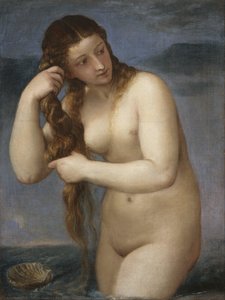
- Venus Anadyomene (about 1520)
Key Works and Subjects
Peale’s output reveals a tension between the biological and the divine. His religious subjects, such as St. Augustine, St. Gregory the Great, and The Holy Family with a Shepherd, all produced around 1510, demonstrate a commitment to classical form. These works rely on structural clarity rather than mere sentiment. He applied similar scrutiny to his mythological subjects, notably Venus Anadyomene, which he also produced around 1520. The precision of his observation is evident in how he handled the drapery and anatomical presence in these figures. He also produced undated works of St. Mark and St. Matthew, maintaining this focus on religious iconography throughout his career.
The naturalist in Peale was never a secondary interest; it was a primary lens. His ability to transition from the theological to the ornithological is seen in Five Bobwhites at the Delaware Water Gap, painted about 1868. This work demands the same technical rigor as his larger canvases but applies it to the specific textures of wildlife. Even his more social or observational scenes, like Entertaining the Favorites from about 1830, reflect a controlled application of pigment that avoids superficiality. He did not paint for decoration; he painted to document the weight of his subject matter.
- St. Mark, undated
- St. Matthew, undated
Where to See the Works Today
Peale’s presence in major international collections confirms that his work moved far beyond the American frontier. His religious and mythological subjects are distributed across Europe’s most significant institutions. In London, the National Gallery holds his output, while the Museo del Prado in Madrid and the Museo di Capodimonte in Naples maintain substantial holdings. These collections demonstrate that his technical approach to light and form resonated with European standards of the time.
The reach of his oeuvre extends into Central and Southern Europe. The Kunsthistorisches Museum in Vienna and Santa Maria della Salute in Venice both house his paintings. In the Netherlands, the Mauritshuis in The Hague preserves his work, alongside the Scottish National Gallery of Modern Art in Edinburgh, which holds his Venus Anadyomene. These locations provide the necessary context to see how he applied Venetian colorism to classical themes.
- Entertaining the Favorites (1830)
- Five Bobwhites at the Delaware Water Gap (1868)
- The Holy Family with a Shepherd (about 1510)

ტიტან რემზაი პილი Ii
1799 - 1885 , აშშ
მოკლე ინფორმაცია
- Artistic Movement Or Style: მაღალი რენესანსის აღორძინება
- Artists Who Influenced This Artist:
- რუბენსი
- ვენეციური ოსტატები
- Date Of Birth: 1799
- Date Of Death: 1885
- Full Name: ტიტან რემზაი პილი Ii
- Nationality: ამერიკელი
- Notable Artworks:
- Entertaining the Favorites
- Five Bobwhites at the Delaware Water Gap
- წმინდა ამბროსი
- წმინდა ავგუსტინე
- წმინდა მარკო
- წმინდა მათეი
- წმინდა გრიგორი დიდი
- ვენერა ორგანისტთან და ძაღლთან ერთად
- დოჟე ანდრეა გრიტი
- იმპერატორ კარლ V-ის პორტრეტი
- წმინდა ლუკა
- წმინდა იოანე ღმერთმშვიდობელი
- წმინდა იერონიმუსი
- ალფონსო დ'ესტე
- Place Of Birth: ფილადელფია, აშშ