
- მთავარი გვერდი

- დაბეჭდვა ქანვასზე
- თომას როულენდსონი
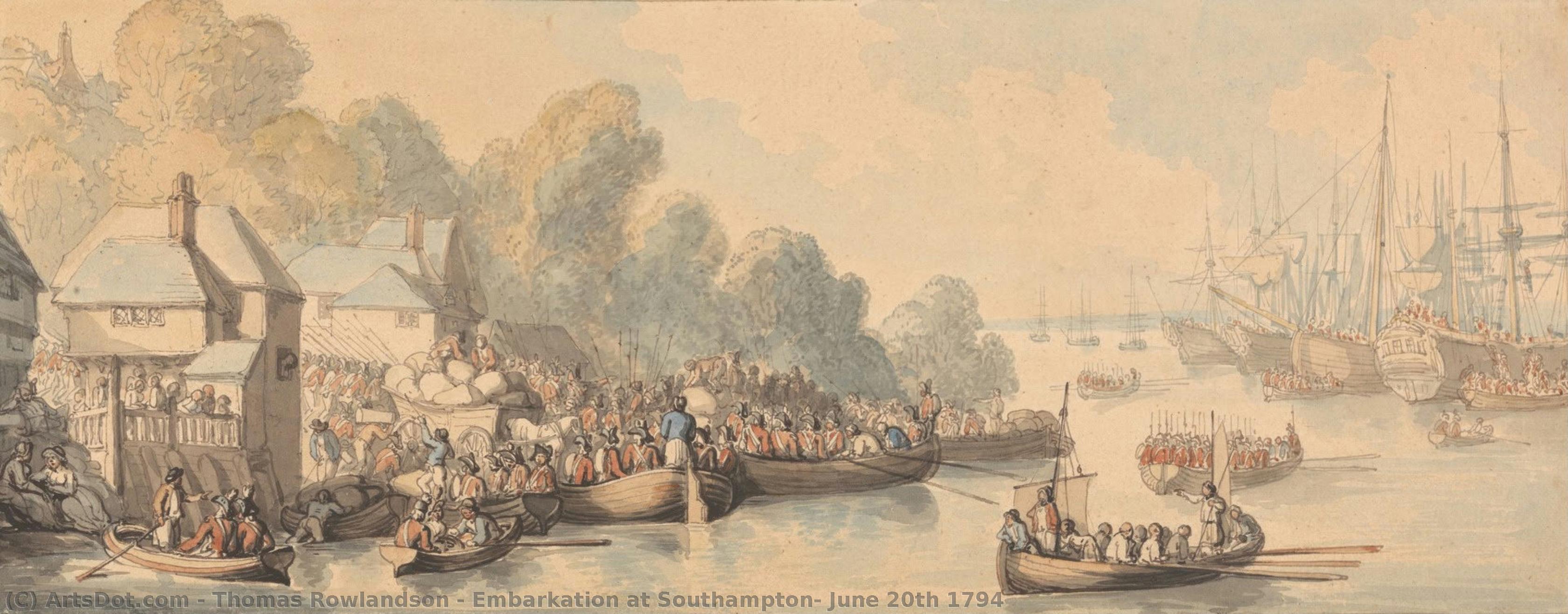
- Embarkation at Southampton, June 20th 1794
 სურათის შეძენა გამოსახულების შეძენა
 გაგზავნა
 გაზიარება
 Details
 დამატება ფავორიტებში

 ჩამოტვირთვა
 მსგავსები
 X-Ray
X-Ray
 სლაიდშოუ
Embarkation at Southampton, June 20th 1794
 Acrylic On Canvas
- WallArt
- Georgian Satire
 1794
1794 16.0 x 35.0 cm
 Yale Center for British Art
გიკლე / ხელოვნების პრინტი
მუზეუმის დონის ჟიკლე ან ტილოზე ბეჭდვა სწრაფი წარმოებისა და დასრულების მოქნილი ვარიანტებით.
 გაეცანით მეტს



P118B $10

P118H $10

P118W $10

P438Z $10

P508JH $12

P508YH $12

P805H $10

P805Z $10

P919BZ $10

P919G $10

P919XJ $10

P959ZH $10

P968JZ $12

W106C $8

W218G $10

W218JH $8

W218Y $10

W307PJ $10

W316G $10

W316PJ $8

W316Y $10

W398PJ $8

W4111J $10

W500HY $15

W500JH $15

W692G $12

W849H $8

W940BG $15

W953PJ $8




აირჩიეთ ჩვენს მიერ წინასწარ განსაზღვრული ზომებიდან, რომლებიც ნაწარმოების ორიგინალურ პროპორციებს შეესაბამება.

თქვენ შეგიძლიათ მიუთითოთ საკუთარი ზომები კონკრეტული ჩარჩოსთვის ან სივრცისთვის მოსარგებლებლად. თუ თქვენ მიერ არჩეული ზომა არ შეესაბამება ორიგინალი გამოსახულების პროპორციებს, ჩვენ ან დავჭრით ნამუშევარს, ან გავაფართოვებთ გამოსახულებას სარკული ან ერთფეროვანი კიდეებით. წარმოების დაწყებამდე თქვენს დასამტკიცებლად გამოგეგზავნებათ ციფრული მაკეტი.
გთხოვთ, გაითვალისწინოთ, რომ ეკრანზე ნაჩვენები წინასწარი ნახვა არ ასახავს რეალურ ჭრას ან გაფართოებას. მხოლოდ მაკეტზე იქნება ზუსტად წარმოდგენილი საბოლოო კომპოზიცია.
მიუხედავად იმისა, რომ ინდივიდუალური ზომები ხელმისაწვდომია, ორიგინალური პროპორციების შესანარჩუნებლად გირჩევთ, აირჩიოთ ზომა წინასწარ განსაზღვრული სიისგან.
მიწოდება მთელ მსოფლიოში () 2 კვირაში, სტანდარტული 4/5 კვირის ნაცვლად. (1 ივლისი)

უფასო ექსპრეს მიწოდება მთელ მსოფლიოში

საბამად მაღალი ხარისხის ტილო

სრული ტრანსპორტირების დაზღვევა

საბაჟო გადასახადების დაბრუნების გარანტია

ფერების სრული შესაბამისობის გარანტია

60-დღიანი დაბრუნების პოლიტიკა (მხოლოდ დეფექტის შემთხვევაში)

100% თანხის დაბრუნების გარანტია

ფასდაკლება დიდი რაოდენობით შეკვეთისას
 მინის ჩარჩოს არჩევანი ხელმისაწვდომია მხოლოდ 110 სმ-ზე ნაკლები ზომისთვის

Embarkation at Southampton, June 20th 1794
გიკლე / ხელოვნების პრინტი
რეკლამაციის ზომა
-


საბოლოო ფასი
-
საკლექციო აღწერა
A Moment Frozen in Time: The Story of Rowlandson’s Southampton
Thomas Rowlandson's “Embarkation at Southampton, June 20th 1794” isn’t merely a depiction of a harbor scene; it’s a vibrant snapshot of Georgian England – its bustling commerce, social anxieties, and burgeoning sense of national identity. Painted with a masterful blend of watercolor and reed pen, the artwork transports us to a specific moment in Southampton's history, a pivotal port city on the cusp of significant change. The painting captures a scene of controlled chaos: ships preparing for departure, merchants haggling, and passengers embarking on journeys both mundane and momentous. It’s a tableau brimming with life, yet subtly imbued with Rowlandson’s characteristic satirical eye.
Rowlandson, born in London in 1756, was a master of caricature and social commentary. His career, initially shadowed by his family's financial struggles, blossomed into one defined by sharp wit and astute observation. He wasn’t simply recording events; he was dissecting them, exposing the follies and vanities of his era with an unparalleled ability to capture human character. “Embarkation at Southampton” exemplifies this talent – it’s a carefully constructed scene where every figure, every detail, contributes to a larger narrative about the complexities of 18th-century England.
The Technique: Watercolor and Reed Pen - A Harmonious Blend
The painting's remarkable quality lies in Rowlandson’s skillful manipulation of watercolor and reed pen. The washes of color, particularly in the depiction of the ships and the sky, are loose and evocative, conveying a sense of movement and atmosphere. Notice how he uses light to create depth and highlight key figures – the prominent gentleman overseeing the loading process, for instance, is rendered with a particular attention to detail, suggesting his importance within this scene. The reed pen lines provide crisp outlines and precise details, anchoring the composition and adding a layer of meticulous observation. This combination creates a dynamic tension between spontaneity and control, reflecting the energy of the harbor itself.
Rowlandson’s technique wasn't simply about replicating reality; it was about conveying *feeling*. The slightly blurred edges and the subtle shifts in tone suggest an immediacy, as if we are witnessing this scene unfold before our eyes. The artist’s use of color is particularly effective – the blues and greens of the water contrast sharply with the warm tones of the buildings and figures, drawing the viewer's eye to the heart of the composition.
Symbolism and Context: Southampton at a Crossroads
“Embarkation at Southampton” isn’t just a record of a harbor scene; it’s a reflection of the city itself – a vital port grappling with economic shifts, burgeoning trade, and social change. Southampton was experiencing a period of rapid growth in the late 18th century, fueled by its role as a key departure point for transatlantic voyages. The painting captures this dynamism, hinting at the opportunities and anxieties that defined the era.
The numerous ships represent not only trade but also the nation’s expanding reach – the ambition of Britain to establish itself as a global power. The figures boarding the vessels embody the spirit of adventure and the pursuit of fortune. The clock in the background, a subtle detail, serves as a reminder of the relentless march of time and the ever-present pressure of commerce. It's a visual metaphor for the urgency and ambition that characterized this period.
A Legacy of Satire and Artistic Brilliance
Thomas Rowlandson remains one of the most celebrated caricaturists in British history, and “Embarkation at Southampton” stands as a testament to his genius. His ability to capture both the humor and the pathos of human experience is unparalleled. This artwork offers a rare glimpse into Georgian England – a world of bustling harbors, social hierarchies, and burgeoning ambition. Reproducing this piece allows us to bring this vibrant scene into our own homes, serving as a reminder of the enduring power of art to illuminate the past and engage with the present.
დაკავშირებული ნამუშევრები


მხატვრის ბიოგრაფია
A Life Etched in Satire: The World of Thomas Rowlandson
Born amidst the bustling streets of Old Jewry, London, on July 13th, 1756 (baptized July 23rd, 1757), Thomas Rowlandson emerged as a defining voice – and pen – of Georgian England. His life, initially shadowed by his father’s financial struggles that necessitated a move to Richmond, North Yorkshire in 1759, would ultimately blossom into an artistic career marked by unparalleled wit and incisive social commentary. Rowlandson wasn't merely documenting his era; he was holding a mirror to its follies, exaggerating its vanities, and immortalizing its characters with a uniquely satirical eye. From humble beginnings, nurtured by an uncle’s support that allowed him access to education at Dr. Barwis’ school in Soho Square, Rowlandson embarked on a path that would see him become one of the most celebrated – and controversial – caricaturists of his time. Even as a schoolboy, his innate talent manifested itself in playful sketches adorning the margins of his books, foreshadowing a career dedicated to visual storytelling with a mischievous edge.
Formative Years and Artistic Development
Rowlandson’s formal artistic training began at the Royal Academy in 1772, where he honed his skills for six years, including a period of study in Paris under Jean-Baptiste Pigalle. This exposure to continental techniques proved invaluable, laying the foundation for his distinctive style – a blend of delicate draughtsmanship and bold exaggeration. However, it was upon returning to England that Rowlandson truly found his voice. Initially attempting portraiture, he soon discovered his true calling lay not in flattering representation but in pointed satire. The financial pressures following his aunt’s death further propelled him towards caricature as a means of livelihood, yet this shift wasn't merely pragmatic; it was an artistic awakening. He began to dissect the social landscape with ruthless accuracy, targeting politicians, aristocrats, and everyday citizens alike. His early works were characterized by a remarkable facility for line and a keen understanding of human expression, qualities that would become hallmarks of his mature style.
Collaboration and The Rise to Prominence
The true flowering of Rowlandson’s career came through his fruitful collaboration with publisher Rudolph Ackermann. This partnership yielded some of his most enduring works, including the immensely popular *The Schoolmaster's Tour* (1809), a series of plates accompanied by verses from Dr. William Combe, and the iconic *Tour of Dr. Syntax in Search of the Picturesque* (1812). The *Dr. Syntax* series, with its subsequent installments – *Dr. Syntax in Search of Consolation* (1820) and *The Third Tour of Dr. Syntax in Search of a Wife* (1821) – captivated audiences with its whimsical narrative and Rowlandson’s masterful illustrations. These works weren't simply visual accompaniments to text; they were integral to the storytelling, enhancing the humor and social commentary through dynamic compositions and expressive characterizations. The delicate color washes and precise reed-pen outlines became synonymous with Rowlandson’s style, showcasing his technical brilliance and artistic flair. His ability to capture both the grandeur of landscapes and the absurdity of human behavior cemented his reputation as a leading artist of the era.
A Legacy of Satire and Social Observation
Rowlandson's impact extends far beyond the immediate popularity of his works during his lifetime. He left behind an extensive body of art – over 381 artworks are cataloged at ArtsDot.com alone – that provides a vivid and often unflattering portrait of Georgian society. His caricatures weren’t merely about ridicule; they were astute observations on the political climate, social customs, and human foibles of his time. He fearlessly lampooned figures like the Duchess of Devonshire, William Pitt the Younger, and Napoleon Bonaparte, exposing their vulnerabilities and challenging established power structures. Beyond the overtly satirical, Rowlandson also produced a wealth of illustrations for novels and topographical works, demonstrating his versatility as an artist. His legacy continues to inspire artists and art enthusiasts today, offering a unique window into a bygone era. The enduring appeal of his work lies in its timeless relevance – the human tendencies towards vanity, hypocrisy, and absurdity that he so brilliantly captured remain remarkably consistent across centuries. His influence can be seen in subsequent generations of cartoonists and illustrators who have embraced satire as a means of social commentary.
Preserving Rowlandson’s Vision
Today, Rowlandson's work is preserved in numerous museum collections worldwide, including those accessible through platforms like ArtsDot.com, which offers an extensive catalog of his creations alongside works by contemporaries such as Samuel Henry Gordon Alken and William Hogarth. Pieces like *Hengar House the Seat of Matthew Mitchell Esq., Cornwall* (1812) and *Glorious Defeat of the Dutch Navy* (1797) stand as testaments to his artistic skill and historical significance. Exploring these collections allows us to appreciate not only Rowlandson’s technical mastery but also the depth of his social insight. His art serves as a reminder that laughter can be a powerful tool for critique, and that even in the most frivolous of subjects, there is often a profound truth waiting to be revealed. The continued accessibility of his work ensures that Thomas Rowlandson's satirical vision will continue to provoke thought and inspire amusement for generations to come.

თომას როულენდსონი
1756 - 1827 , გაერთიანებული სამეფო
მოკლე ინფორმაცია
- Artistic Movement Or Style: კარიკატურა, სატირა
- Artists Who Influenced This Artist:
- Peter Paul Rubens
- Thomas Gainsborough
- Date Of Birth: 13 ივლისი, 1756
- Date Of Death: 21 აპრილი, 1827
- Full Name: თომას როულენდსონი
- Nationality: ბრიტანელი
- Notable Artworks:
- Schoolmaster's Tour
- Dr. Syntax series
- Weeping
- The Horse Dealer
- Place Of Birth (City And Country): ლონდონი, გაერთიანებული სამეფო
დაკავშირებული სტატიები

William Hogarth: Satire, Social Commentary & the Birth of Modern British Art
Explore the satirical world of William Hogarth, pioneering British painter & engraver. Discover his iconic works like *A Rake's Progress* and insightful social commentary on 18th-century London life.


Brian Hatton: A Study in Early 20th-Century British Landscape Painting & Rural Identity
Explore the captivating landscapes & portraits of Brian Hatton (1887-1916), a promising British artist lost too soon. Discover his unique style, Herefordshire roots, and lasting legacy in early 20th-century art.

John Frederick Lewis: Orientalism, Detail & Genre Painting in 19th-Century British Art
Explore the captivating Orientalist paintings of John Frederick Lewis! Discover his mastery of detail, genre scenes & influence on 19th-century British art. Learn about his life, techniques & legacy at ArtsDot.

Edward Seago: A Life Painted in Light – Nostalgia & the British Landscape Tradition
Explore the life & art of Edward Seago, a celebrated British Impressionist painter known for evocative landscapes & seascapes. Discover his captivating works and find high-quality reproductions at ArtsDot.

Watercolor Wonders: 10 Masterpieces That Redefined Art History | ArtsDot
Journey through 10 legendary watercolor masterpieces by Sargent, Turner & Homer! Explore iconic landscapes, portraits & floral art that redefined history. Find museum-quality reproductions and curated decor ideas at ArtsDot.com.

